Edge16 Oct 2026
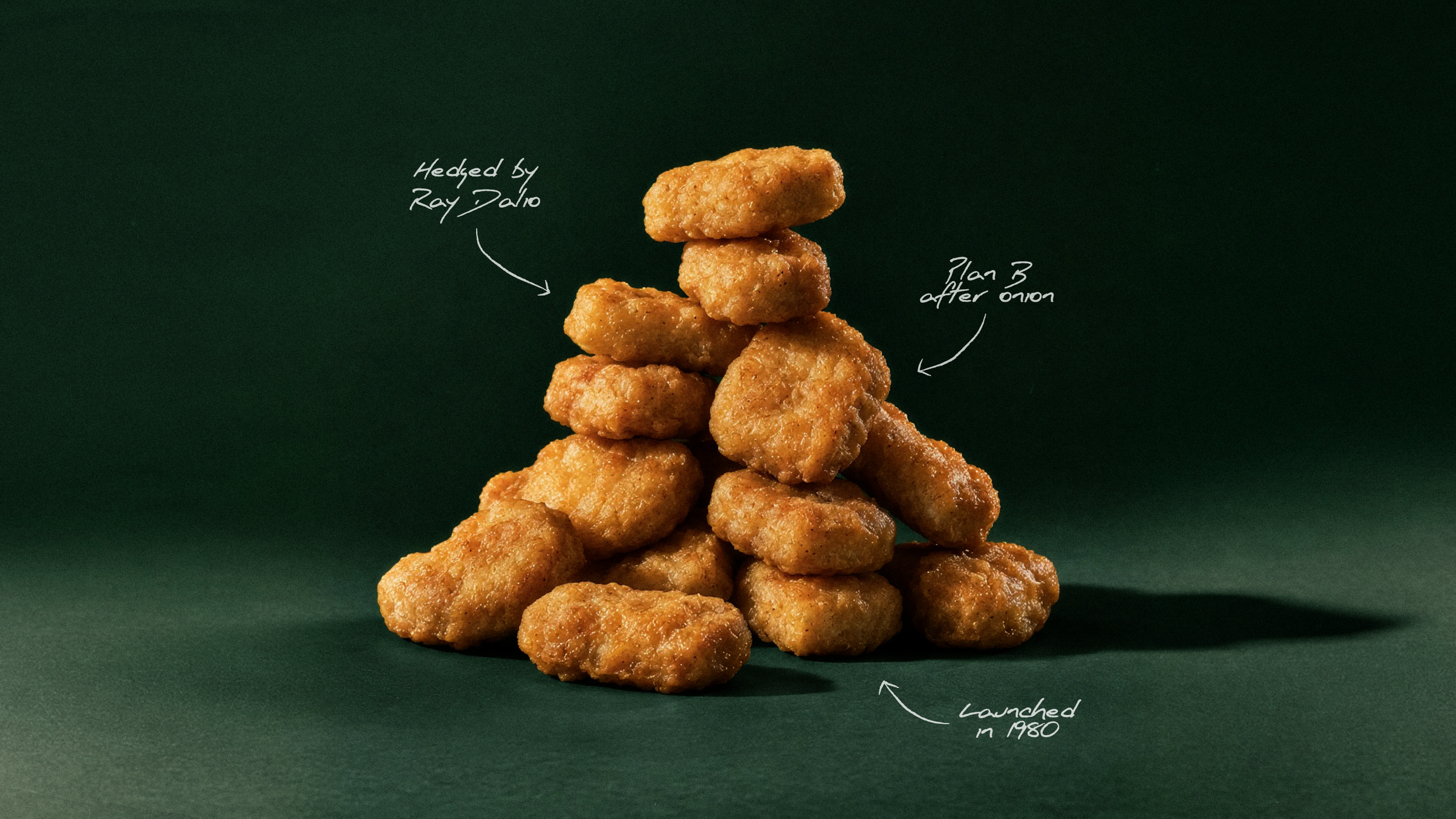
Winner, Winner: The Chicken McNugget Story
How a 1940s breeding contest, a Cornell food scientist, and a hedge by Ray Dalio helped McDonald's turn the Chicken McNugget into a fast-food icon.

4D-150 is designed as a continuous backbone therapy after one in-clinic intravitreal injection, potentially reducing treatment burden and helping preserve vision over time.
Its directed-evolution capsid enables low-dose intravitreal delivery; the payload combines aflibercept and VEGF-C RNAi to target four molecular pathways.
In recently diagnosed patients followed for two years, central subfield thickness was controlled and BCVA maintained; estimated treatment-burden reduction was ~90%, with roughly two-thirds needing no supplemental injections at two years.
At the phase III dose with topical steroid prophylaxis, mild inflammation occurred in a few patients during the first six months; all were inflammation-free from six months onward, with no significant serious or vision-threatening events described.
4FRONT-1 and 4FRONT-2 are global trials with roughly 520–530 patients each; the primary endpoint is BCVA non-inferiority, with treatment-burden reduction also assessed.
Trials enroll front-line patients, exclude extreme CST, require an aflibercept response after loading, and use rescue criteria based on CST and vision to protect BCVA.
Readouts are expected in Q2 2027 for 4FRONT-1 and H2 2027 for 4FRONT-2; each study was expanded to roughly 525–530 patients.
The global anti-VEGF market was described as ~$16B; newer bolus therapies have delivered about 20% incremental burden reduction, versus 80%–90% seen in the phase II program.
Intravitreal delivery is expected to fit existing U.S. ordering, inventory, and buy-and-bill reimbursement workflows; pricing remains under consideration, with a higher price point than a single anti-VEGF dose anticipated.
Management cited real-world discontinuation of bolus therapy by 60% of patients within five years and 40% within two years; reducing treatment burden could also ease clinic capacity constraints.
Physicians and patients were described as highly receptive to a continuous, potentially injection-free backbone therapy; management sees the next 12 months as informative for the field.

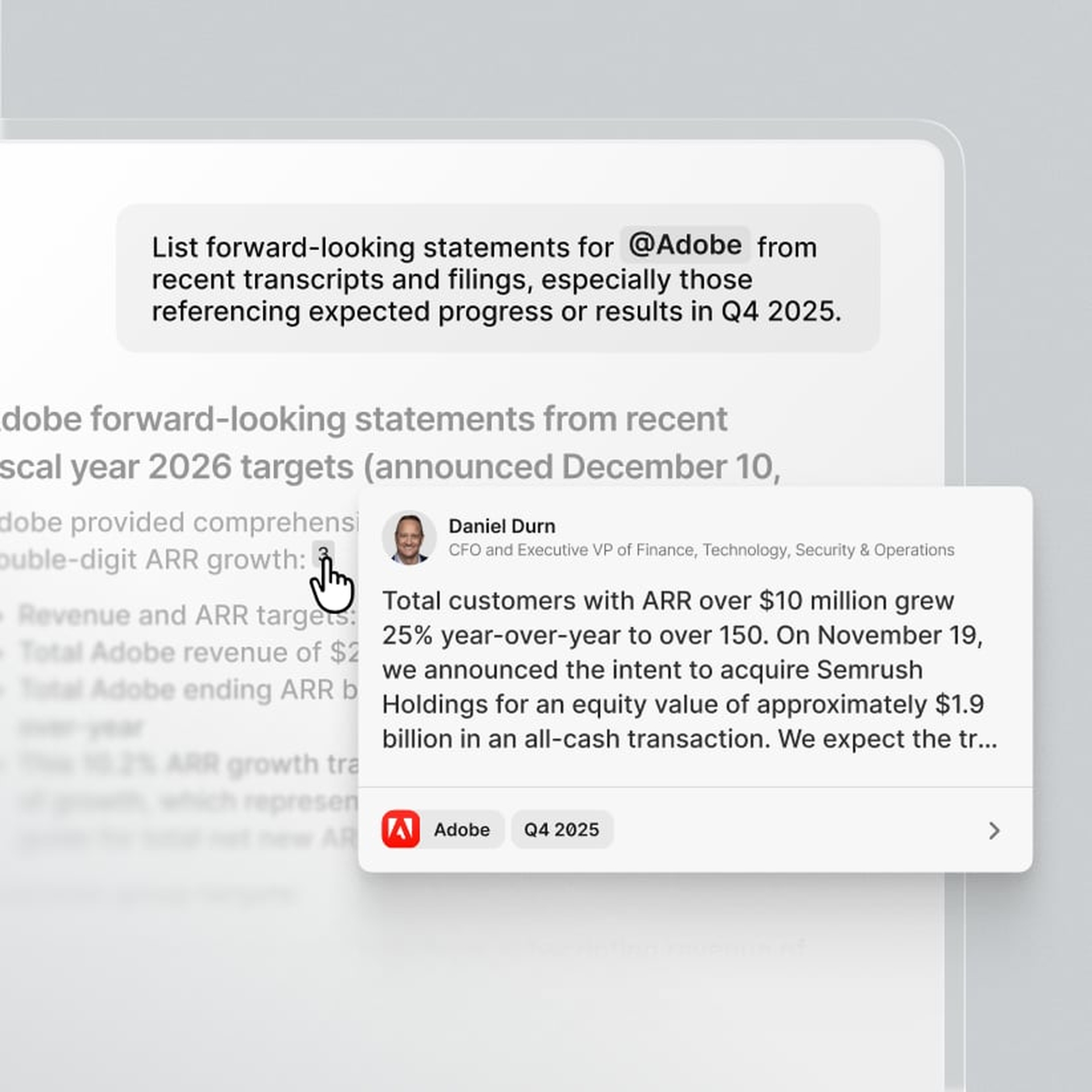
AI chat
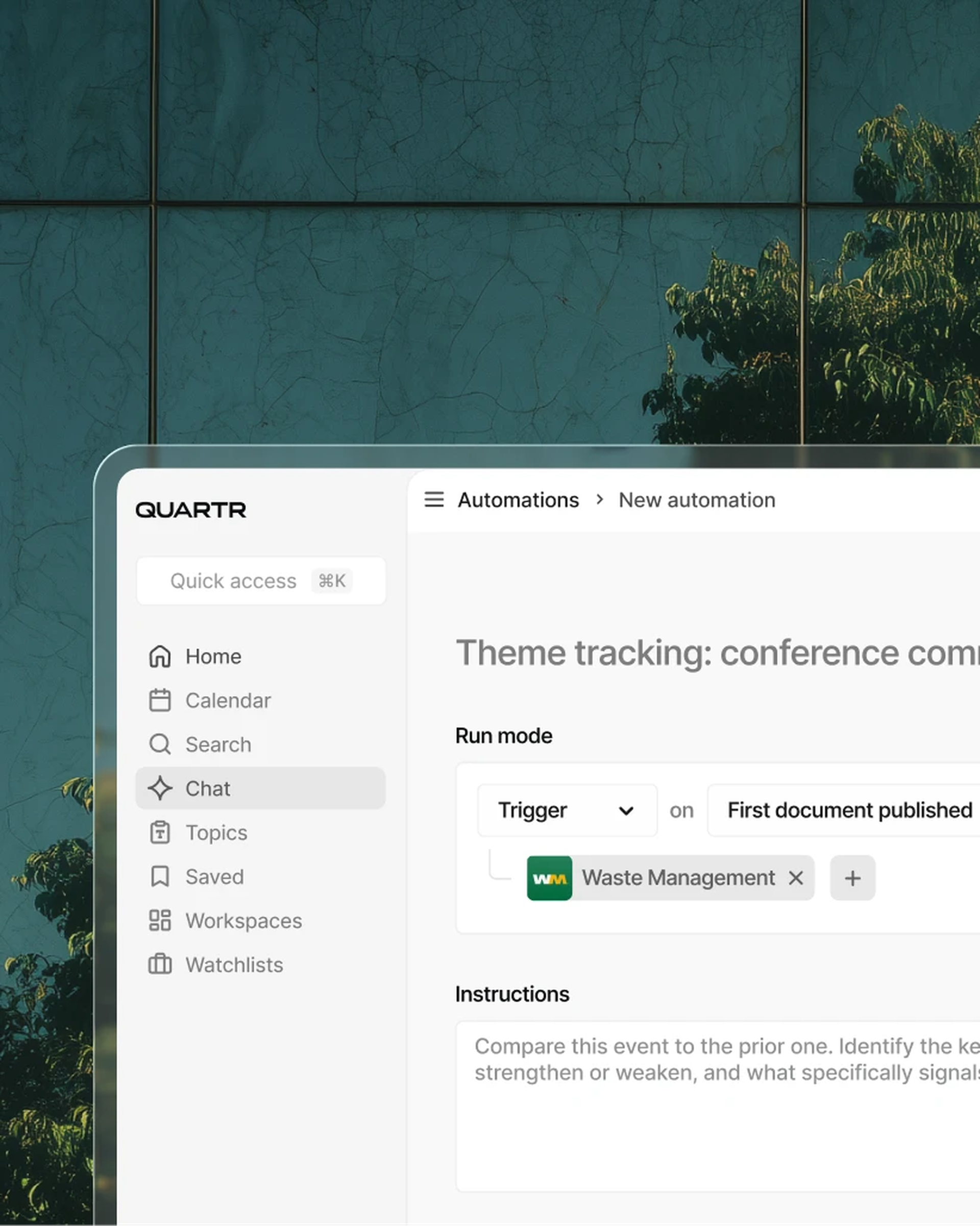
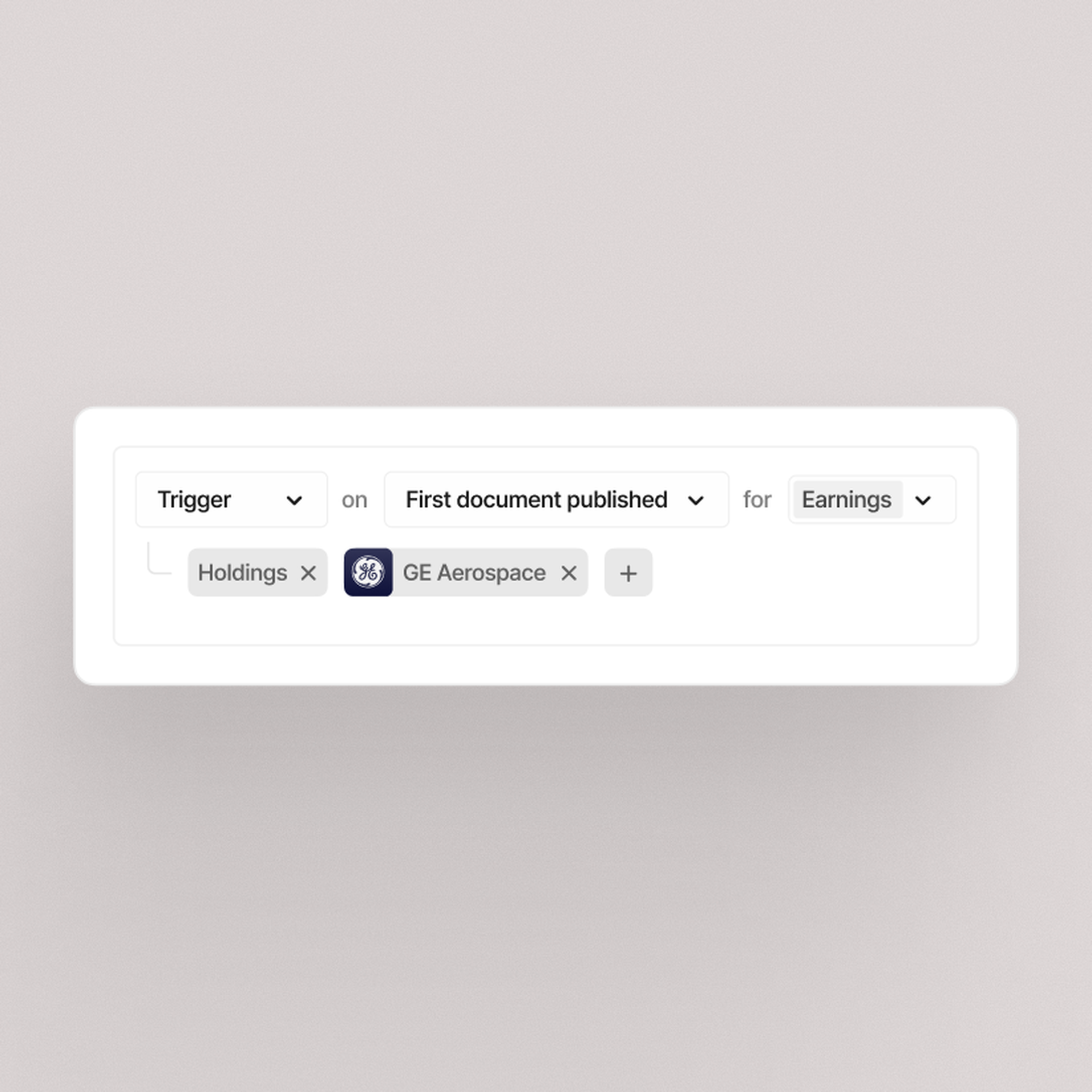
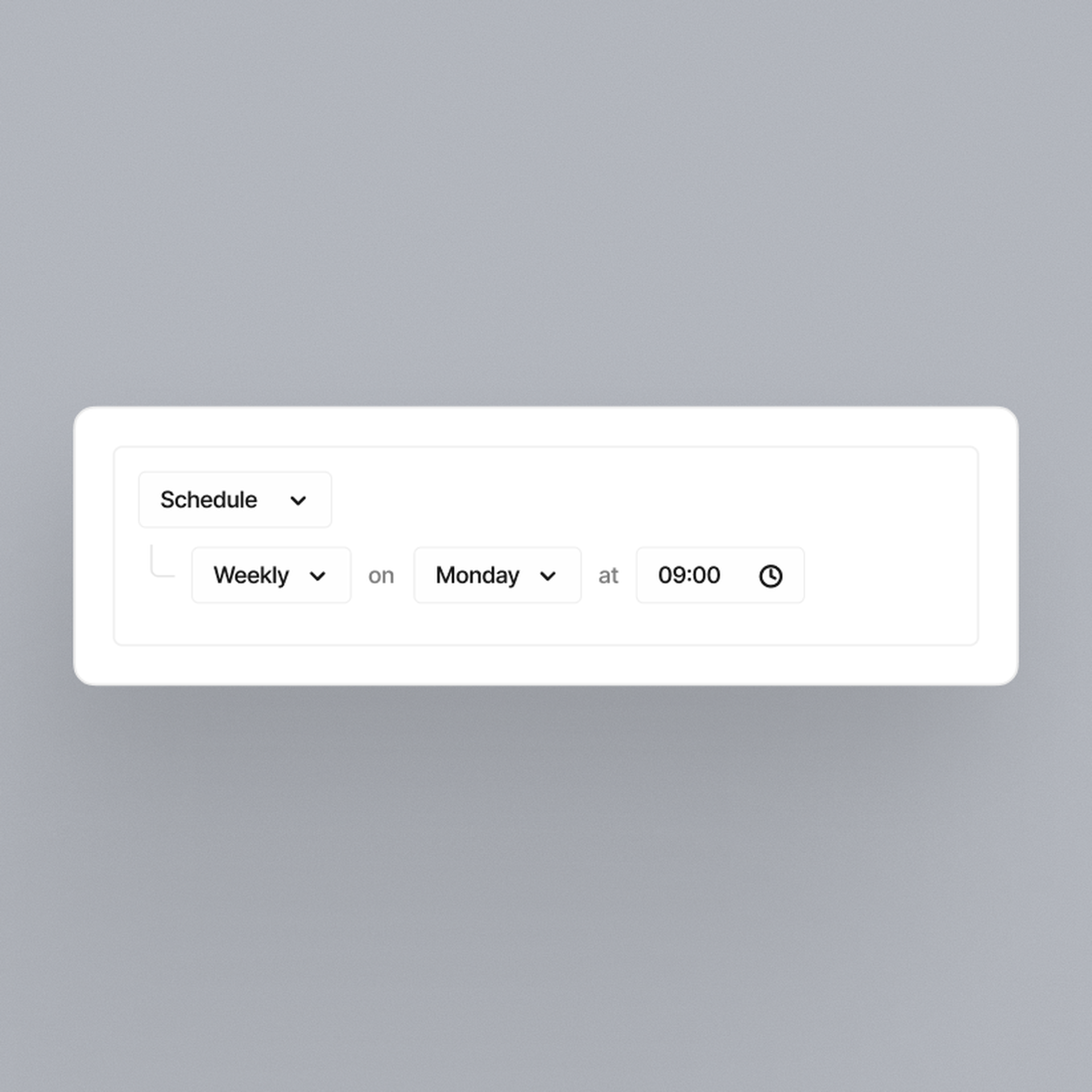
Automations
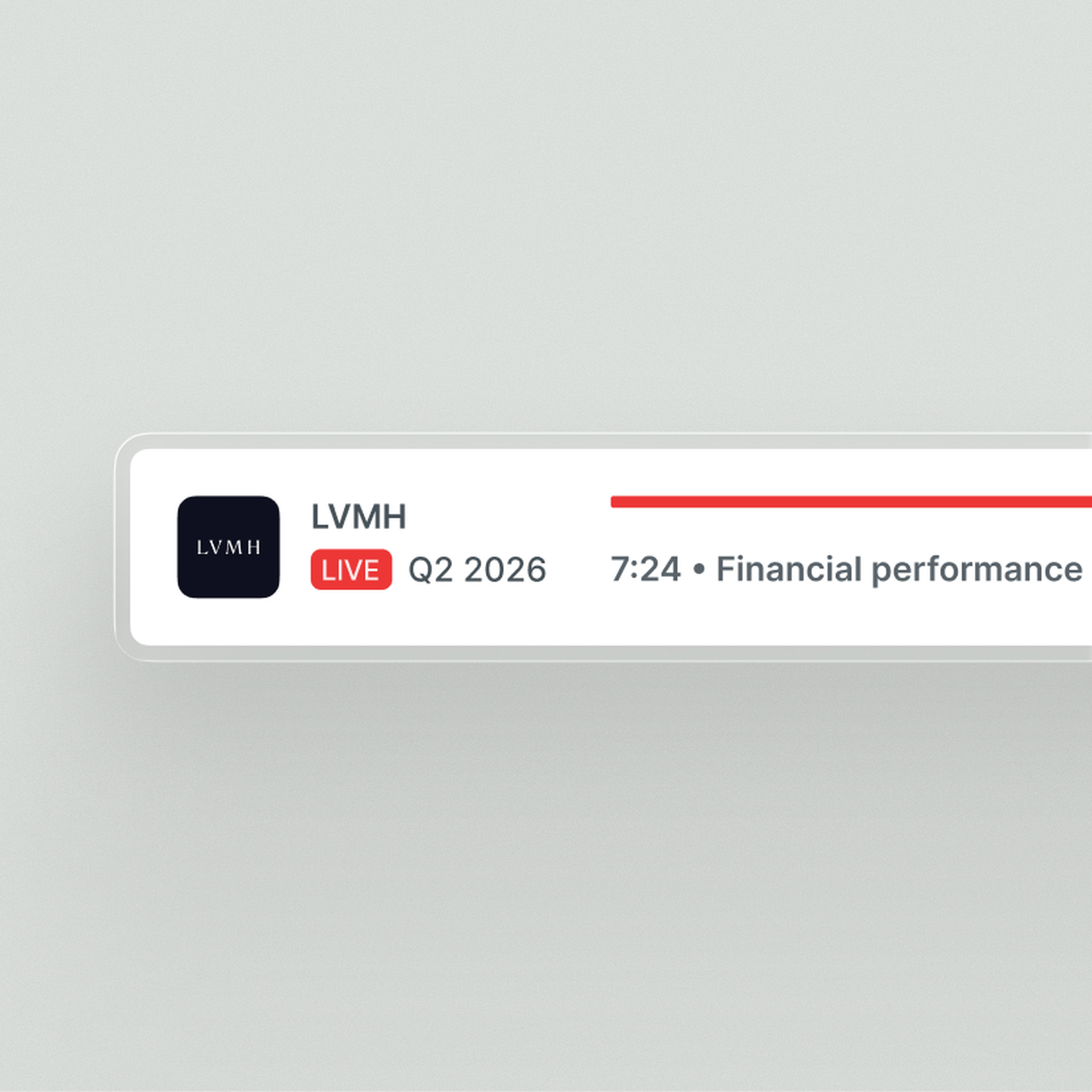
Live audio & transcripts
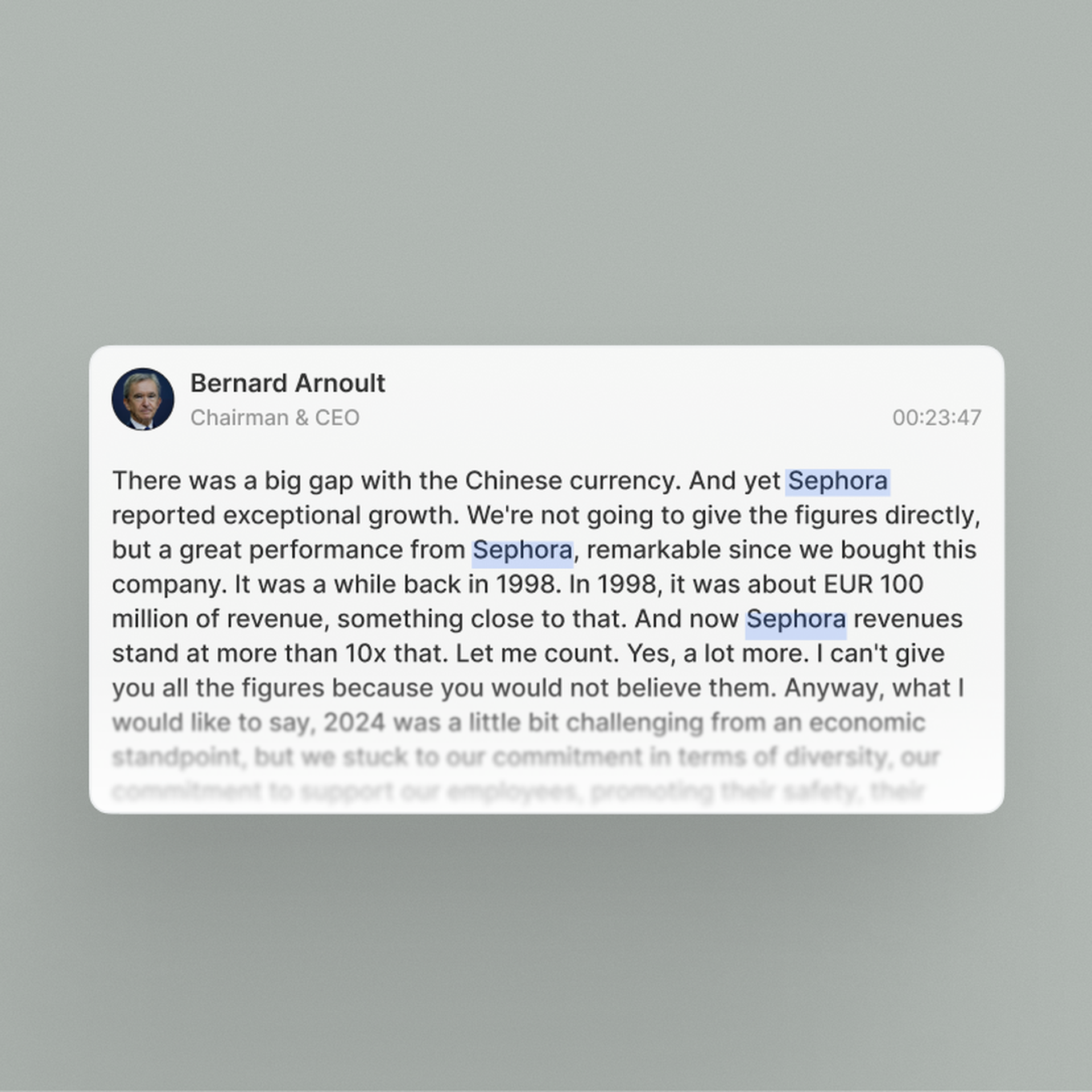
Quartr's AI stands out because it only pulls clean, first-party data from public companies. In investing, that's everything.
Jamie Ross
Investment Manager, GAM Investments
Research that used to take hours now takes seconds with Quartr Pro. Tracking shifts in tone or extracting tables, it's as simple as typing a query.
Tom O'Hara
Investment Director
Before Quartr we spent hours manually compiling insights through the peer earnings cycle. Now, these tasks are done faster, with greater precision.
Gregg Lampf
VP of Investor Relations
Being able to ask specific questions across years of transcripts and reports and instantly get verified answers is a game-changer.
Pontus Dackmo
CEO & Investment Manager