Edge16 Oct 2026
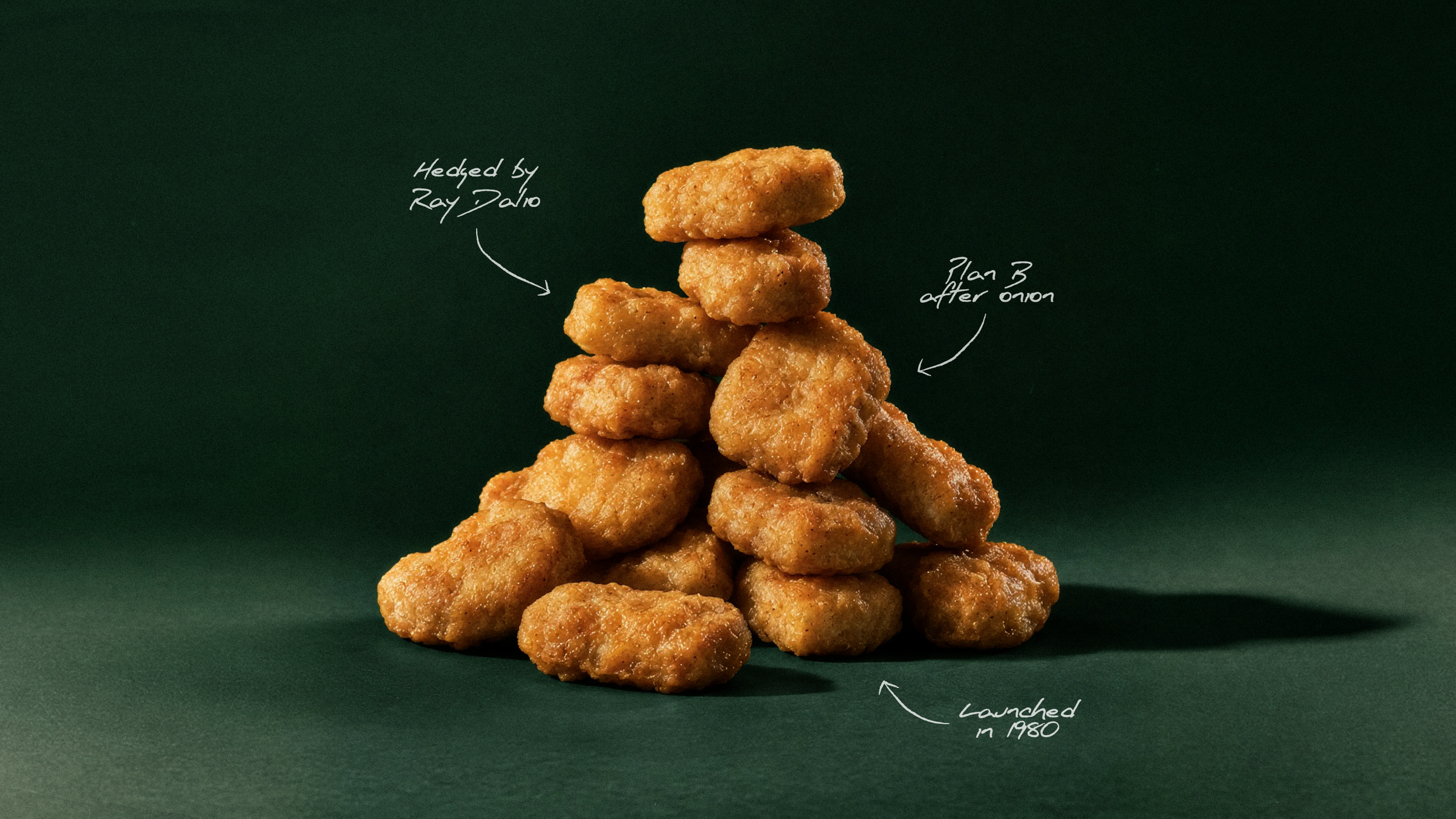
Winner, Winner: The Chicken McNugget Story
How a 1940s breeding contest, a Cornell food scientist, and a hedge by Ray Dalio helped McDonald's turn the Chicken McNugget into a fast-food icon.

Biosimilar launches targeted to rise from 13 in the past 20 years to 40–50 over the next 15 years; biologic products representing nearly $400B of LOEs are expected over the next 10+ years.
Global biosimilar share is ~20%, with an aspiration to exceed 30%–35% over the next 10 years; competitive intensity per asset is trending down.
A Bio100 strategy could generate $1T in North American healthcare savings over 10 years; ~$600B of products are expected to lose patent protection globally over the next decade.
Management described the coming decade as a major opportunity and plans to focus on biosimilars and generics rather than value-added medicines or digital therapeutics.
2027 launches include insulins and other products in Europe, four biosimilars in Japan, and U.S. aflibercept in H2; aflibercept is expected to contribute strongly into 2028.
Biosimilar business grew 17% in the prior quarter; additional launches are expected through 2028 and 2029, including U.S. etanercept in 2029 and pembrolizumab in the following years.
Aflibercept own-label launch is expected to create value from H2 2027, with carryover into 2028 and committed volumes; own-label launches have also been made for adalimumab and ustekinumab.
In-house development candidates are planned to increase from two to seven; most new in-house assets are expected to launch from the mid-2030s, balancing internal development with partner opportunities.
The Slovenia site has 120,000-liter large fed-batch capacity, is through regulatory phases, and is moving toward operation; the facility and land allow for expansion.
Supply from the existing Novartis relationship may continue alongside technology transfers; the plan is to draw increasing volume from the internal network from 2029.
At least 60% of volume is targeted to come from the owned, vertically integrated supply chain by 2035; small fed-batch, large fed-batch and continuous manufacturing support different production scales.
Internal capacity can improve cost of goods and unlock profitable growth in supply-constrained products such as erythropoietin; partner products are generally less profitable than fully integrated products but more profitable than classic small molecules.

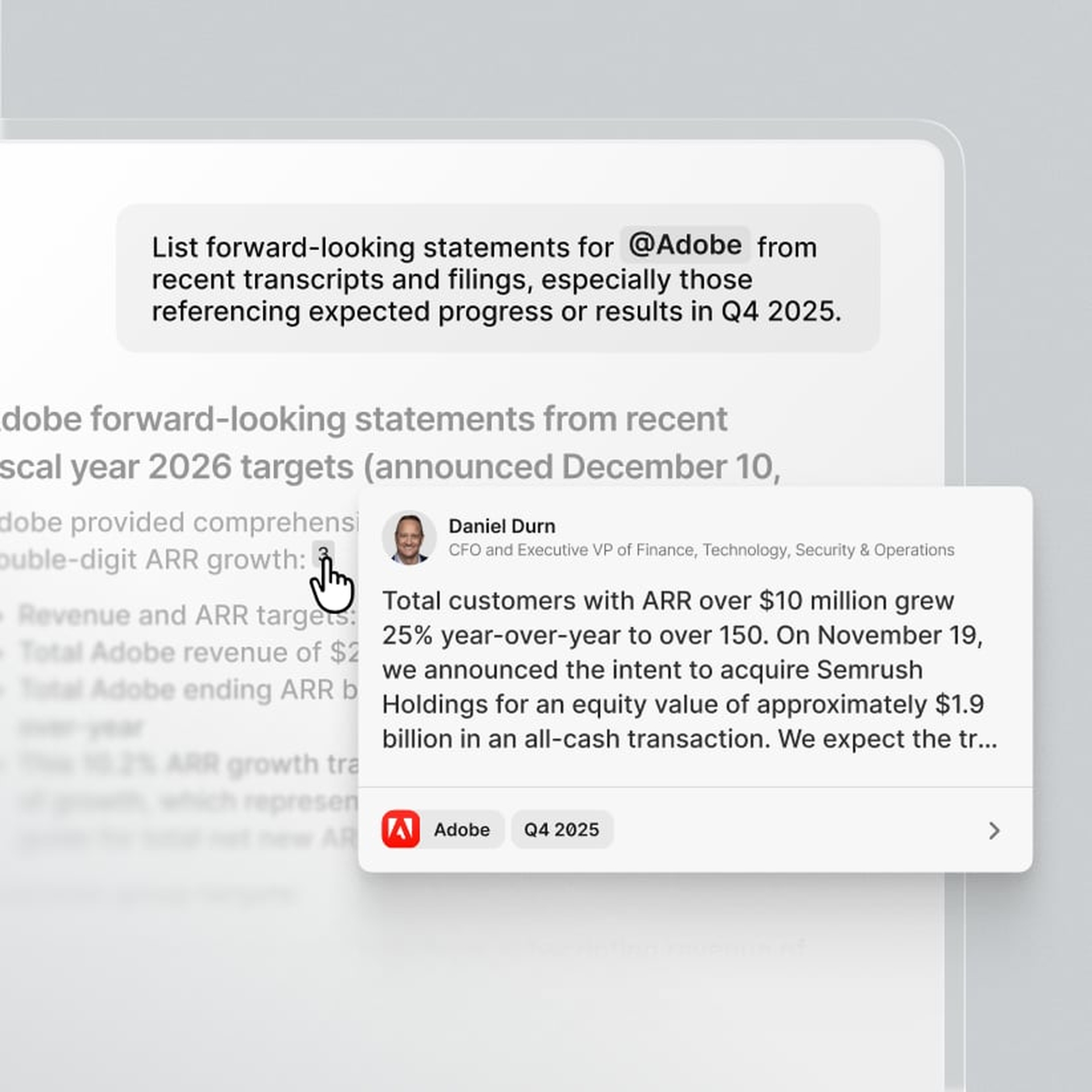
AI chat
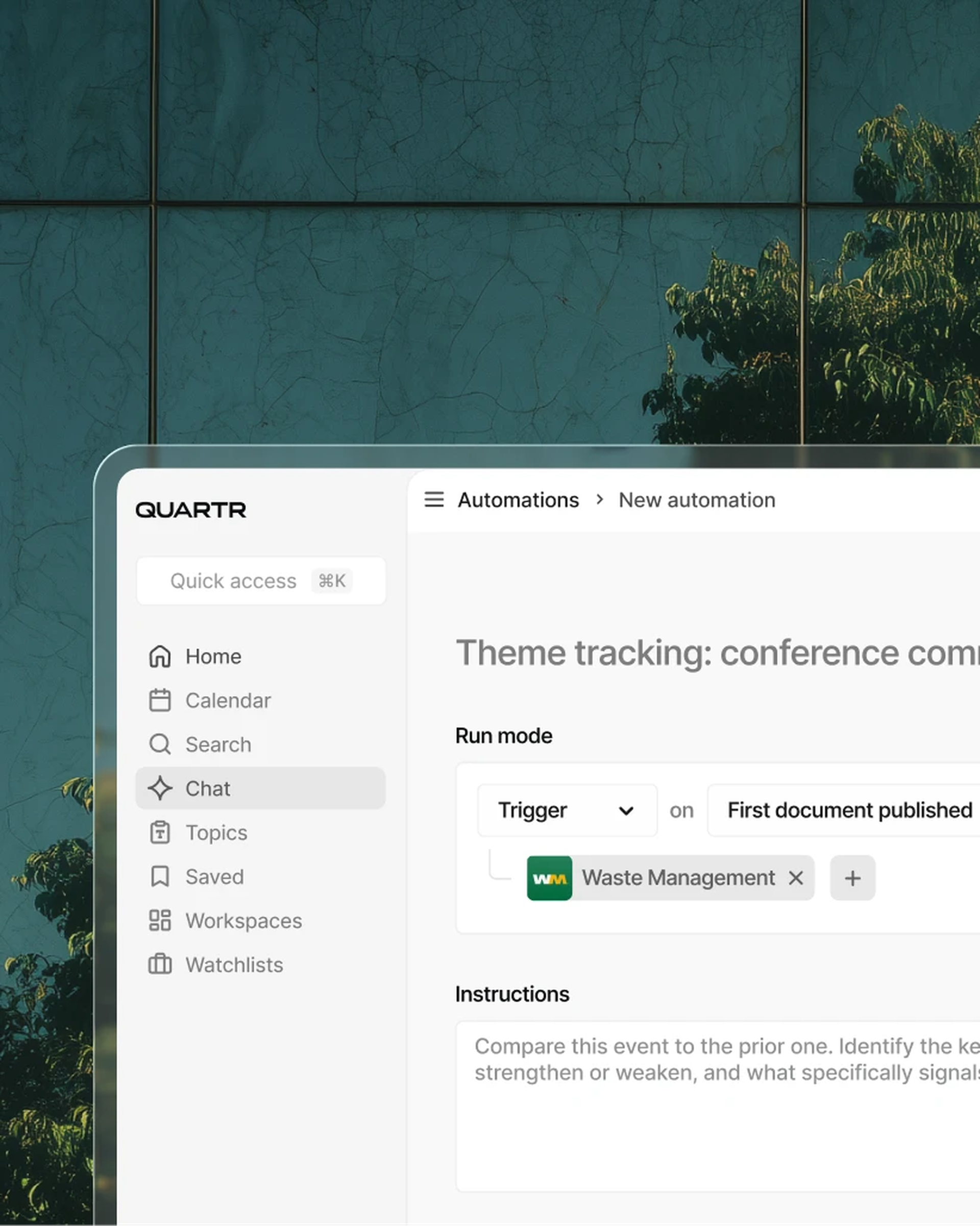
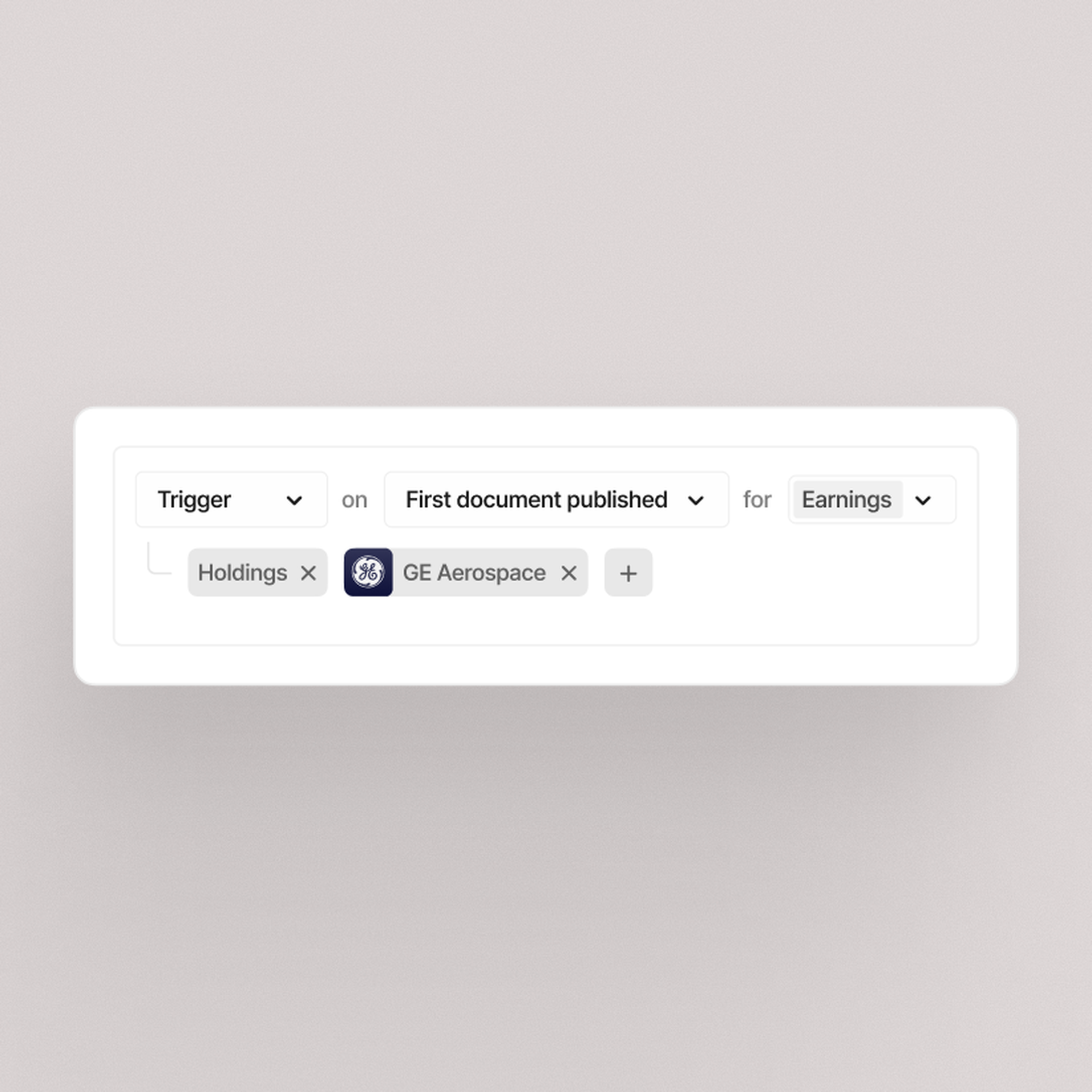
Automations

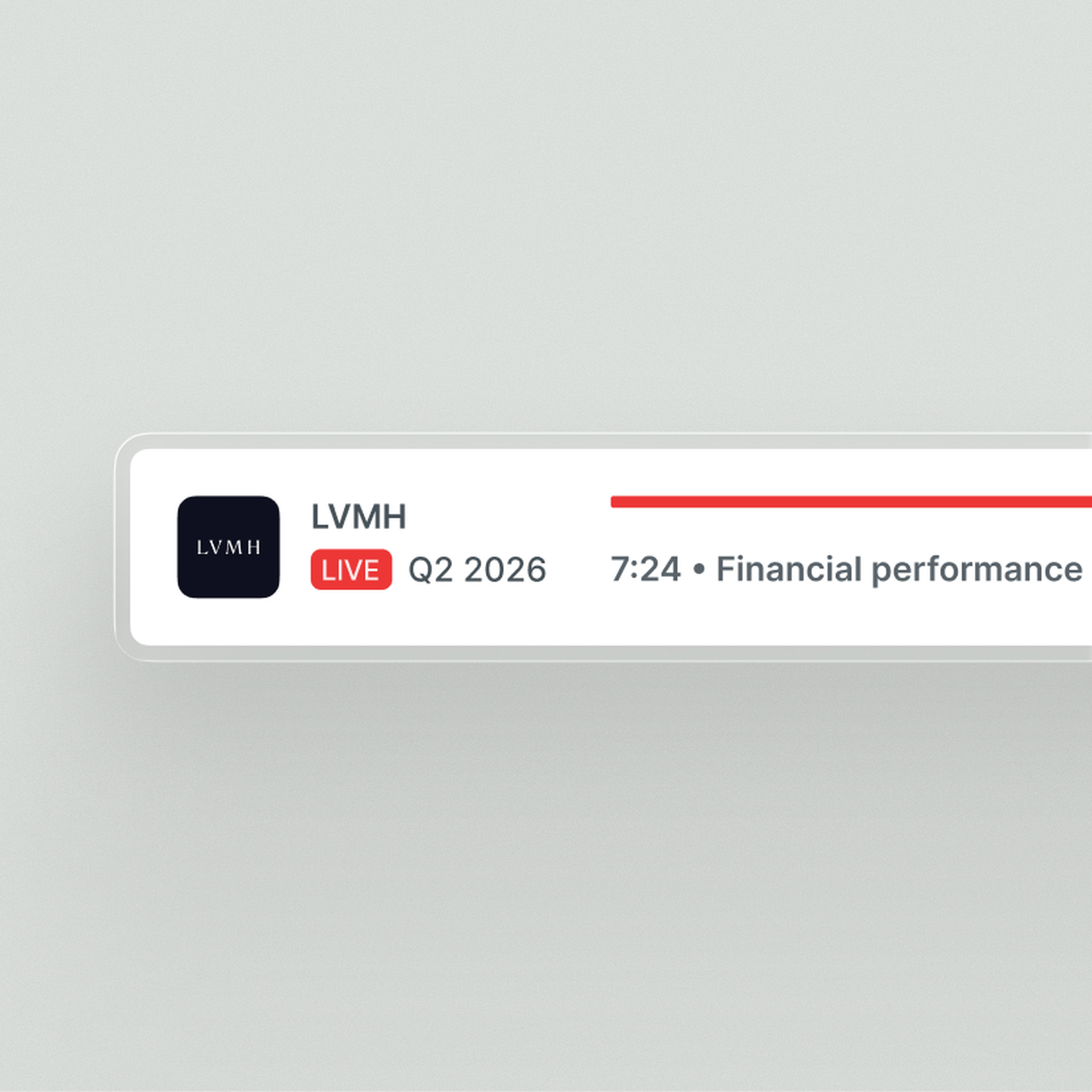
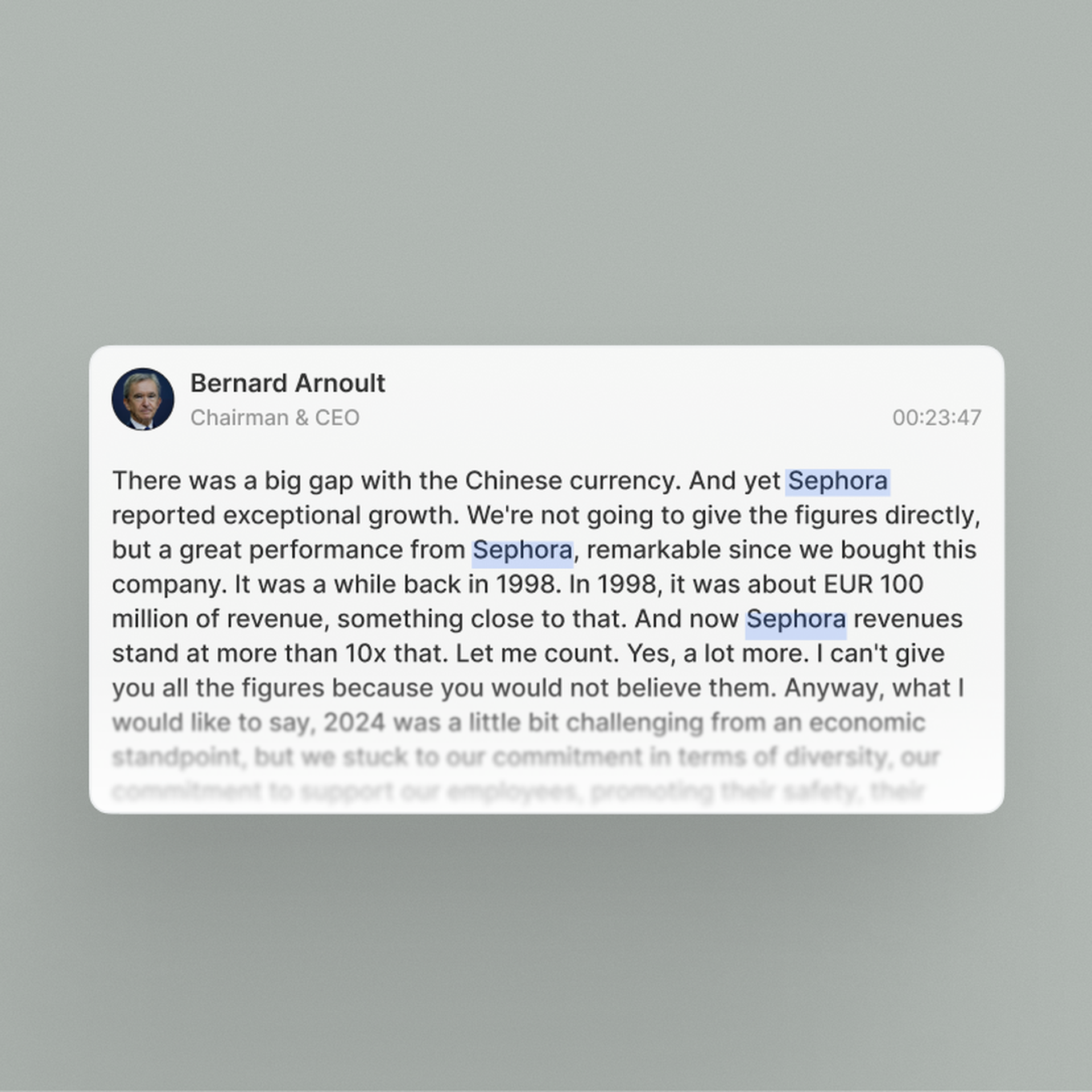
Live audio & transcripts
Quartr's AI stands out because it only pulls clean, first-party data from public companies. In investing, that's everything.
Jamie Ross
Investment Manager, GAM Investments
Research that used to take hours now takes seconds with Quartr Pro. Tracking shifts in tone or extracting tables, it's as simple as typing a query.
Tom O'Hara
Investment Director
Before Quartr we spent hours manually compiling insights through the peer earnings cycle. Now, these tasks are done faster, with greater precision.
Gregg Lampf
VP of Investor Relations
Being able to ask specific questions across years of transcripts and reports and instantly get verified answers is a game-changer.
Pontus Dackmo
CEO & Investment Manager