Edge16 Oct 2026
Winner, Winner: The Chicken McNugget Story
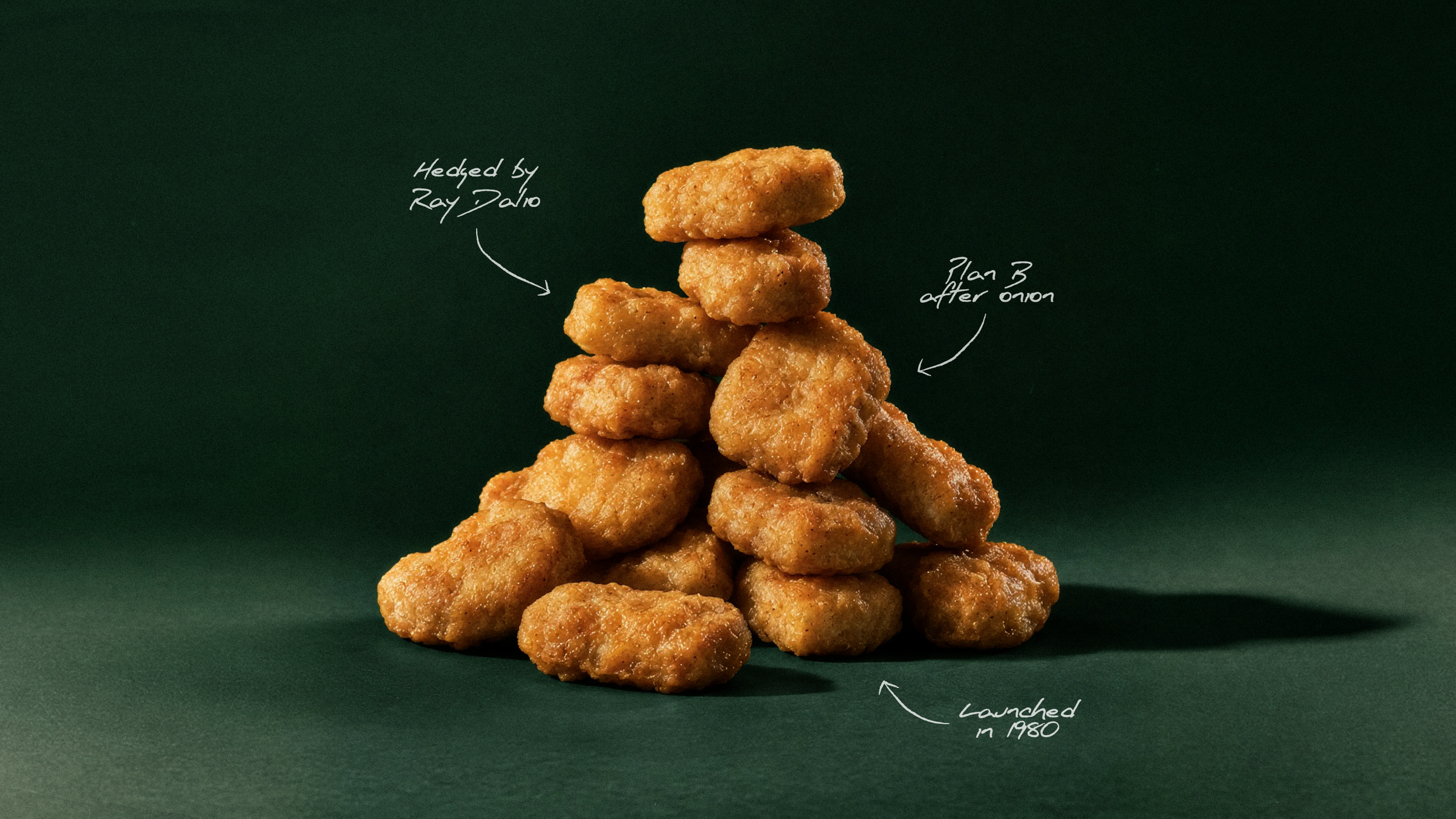
How a 1940s breeding contest, a Cornell food scientist, and a hedge by Ray Dalio helped McDonald's turn the Chicken McNugget into a fast-food icon.

28 satellites ready for shipment by January; 51 in production and orders for 100, with production continuing at six satellites per month from 29 through 51.
Midland operations span 12 buildings and 500,000 sq ft; over 3,000 people support manufacturing, with 95% of satellite components built in-house.
14–16 are at Cape Canaveral; 17–19 were described as ready to launch, and 20–28 as ready to go.
Satellite 45 onward will include onboard AI capability; ASICs increase stated spectrum-processing capacity to 10 GHz per satellite, from 1 GHz for the prior generation.
Blacklift is a three-stage, full-composite vehicle: nine Miranda engines on stage one, two Vira engines on stage two and one Vira engine on stage three.
Designed for a single mission—placing up to five BlueBird satellites into orbit at 550 km—with a 20-ton vehicle and planned first launch in late 2028.
Target capacity is up to two launches monthly, or at least 72 satellites annually; first-stage reuse is a design objective.
Firefly engine rights, engineering resources and existing test and manufacturing capabilities underpin development; 36 engines are being obtained from Firefly, alongside plans to build internal engine capacity.
Initial tanks are planned for testing by January; third-party launch providers will support deployment for the next two years, with Blacklift planned to start in 2028.
Several hundred million dollars of additional CapEx is expected next year to advance toward first launch; management cited potential owner economics 75% below market launch costs.
Launch access is intended to improve schedule control and deployment pace; management estimated operating and building spend could reach $20 million per week while satellites await launch.
The stated rationale is to accelerate deployment against satellite demand and reduce reliance on limited third-party launch availability.
More than $3 billion was reported on the balance sheet, with nearly $10 billion raised over time.

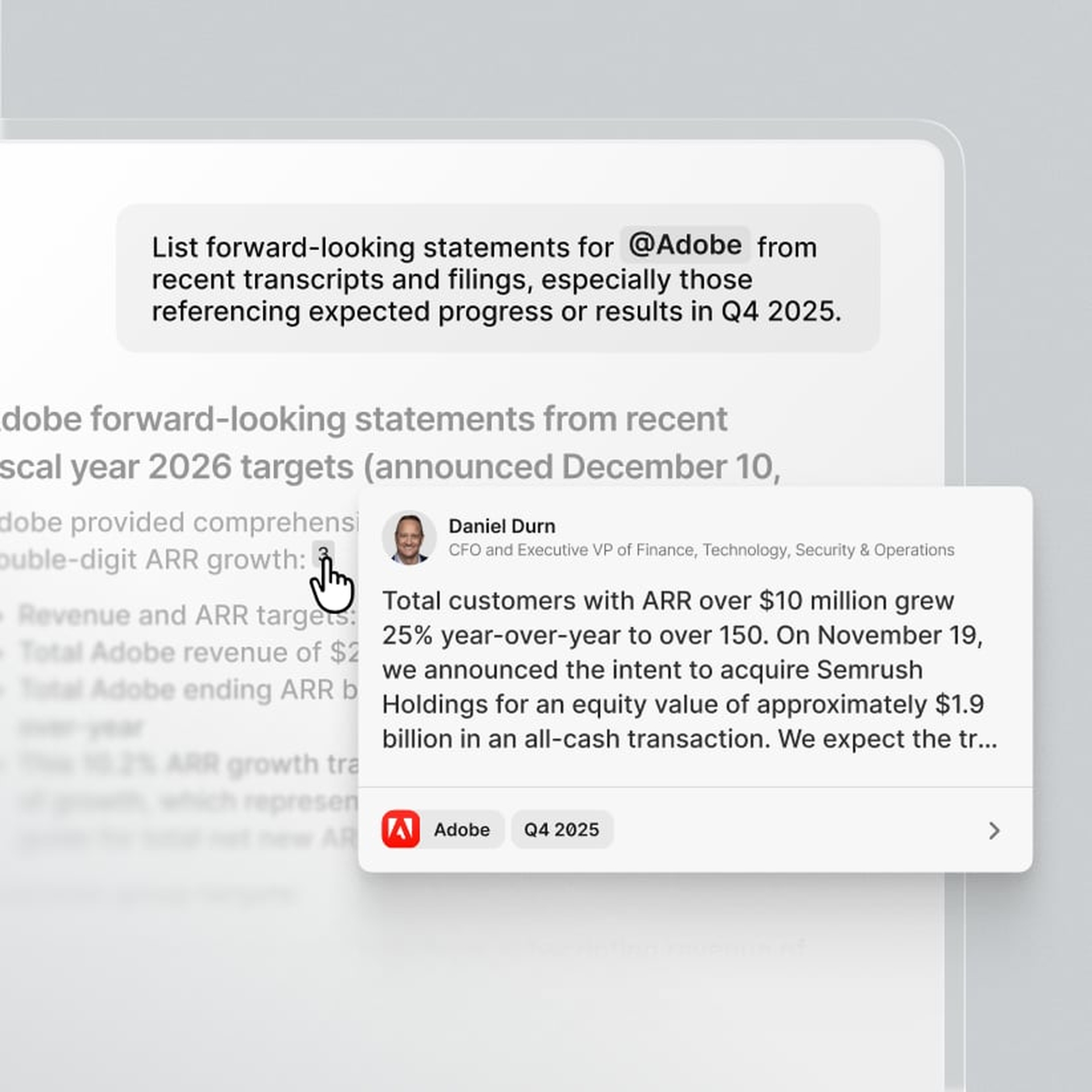
AI chat
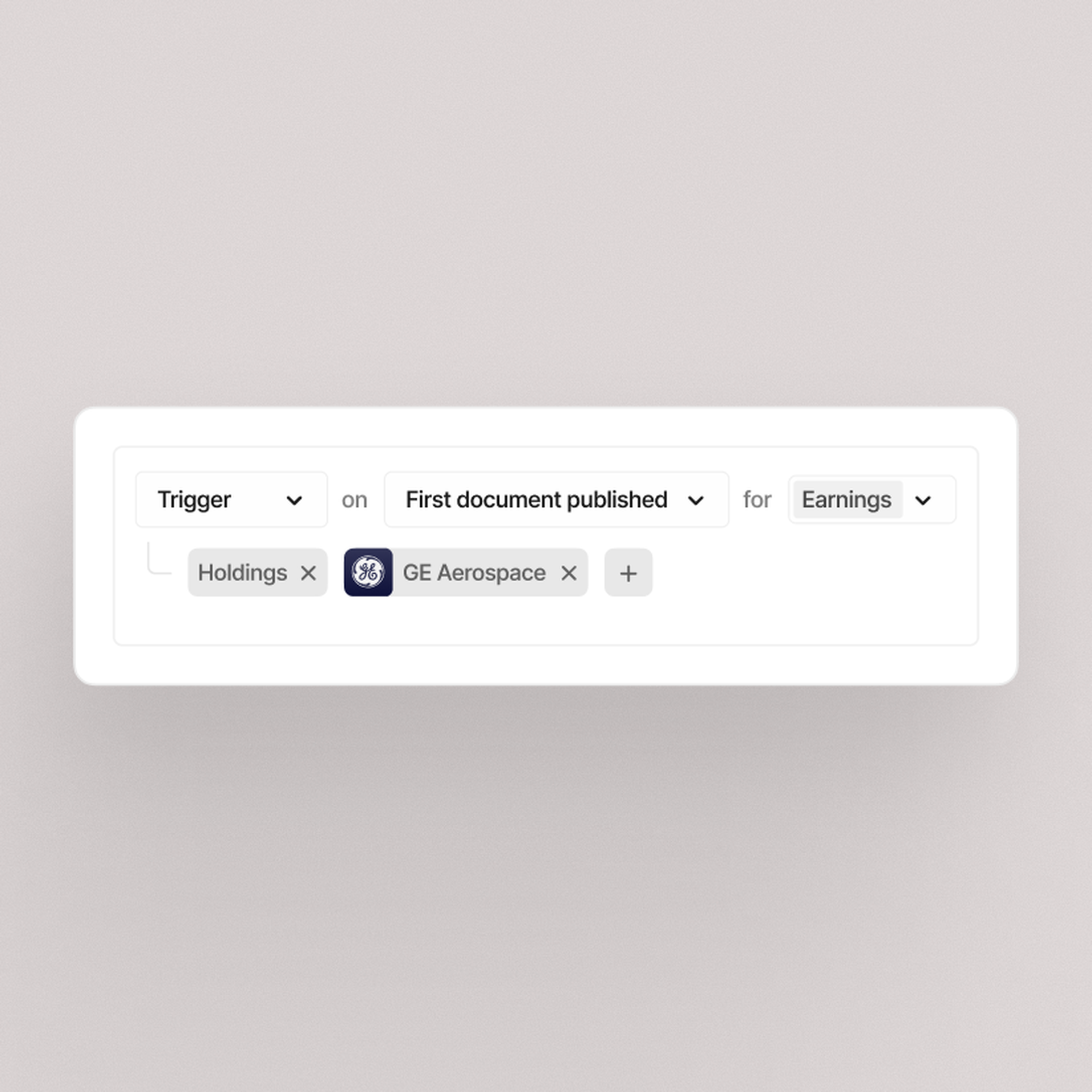
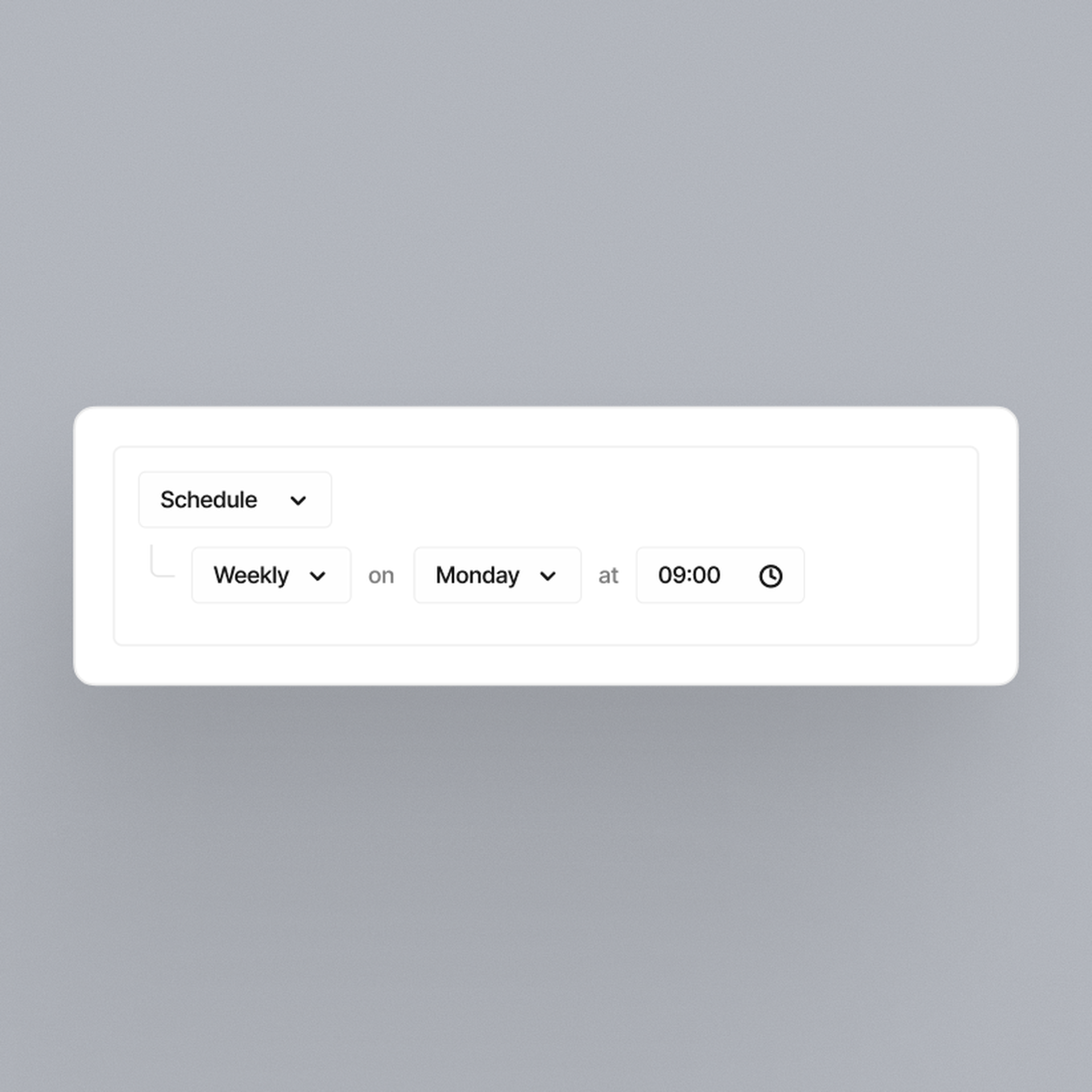
Automations
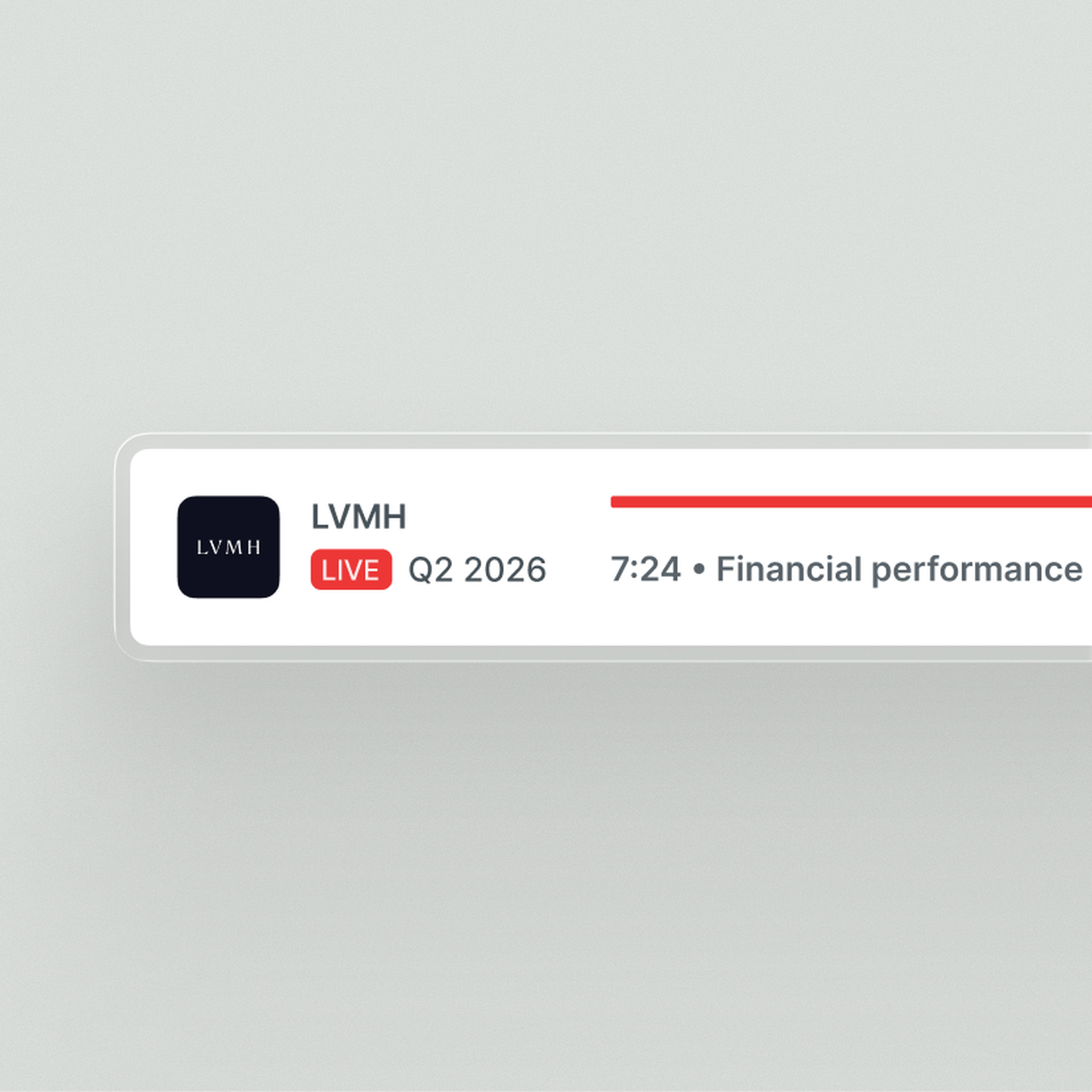
Live audio & transcripts
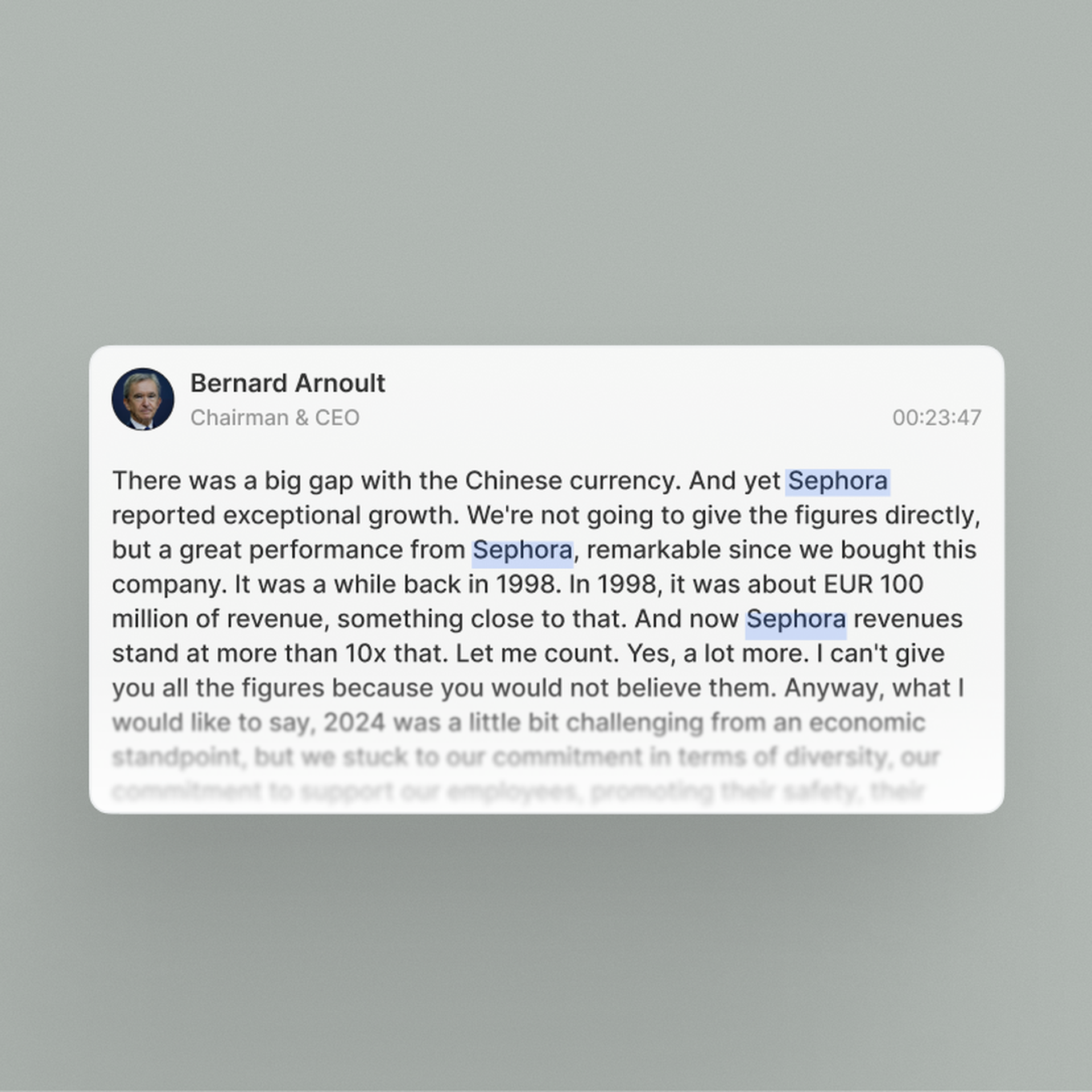
Quartr's AI stands out because it only pulls clean, first-party data from public companies. In investing, that's everything.
Jamie Ross
Investment Manager, GAM Investments
Research that used to take hours now takes seconds with Quartr Pro. Tracking shifts in tone or extracting tables, it's as simple as typing a query.
Tom O'Hara
Investment Director
Before Quartr we spent hours manually compiling insights through the peer earnings cycle. Now, these tasks are done faster, with greater precision.
Gregg Lampf
VP of Investor Relations
Being able to ask specific questions across years of transcripts and reports and instantly get verified answers is a game-changer.
Pontus Dackmo
CEO & Investment Manager