
Edge16 Oct 2026
Winner, Winner: The Chicken McNugget Story
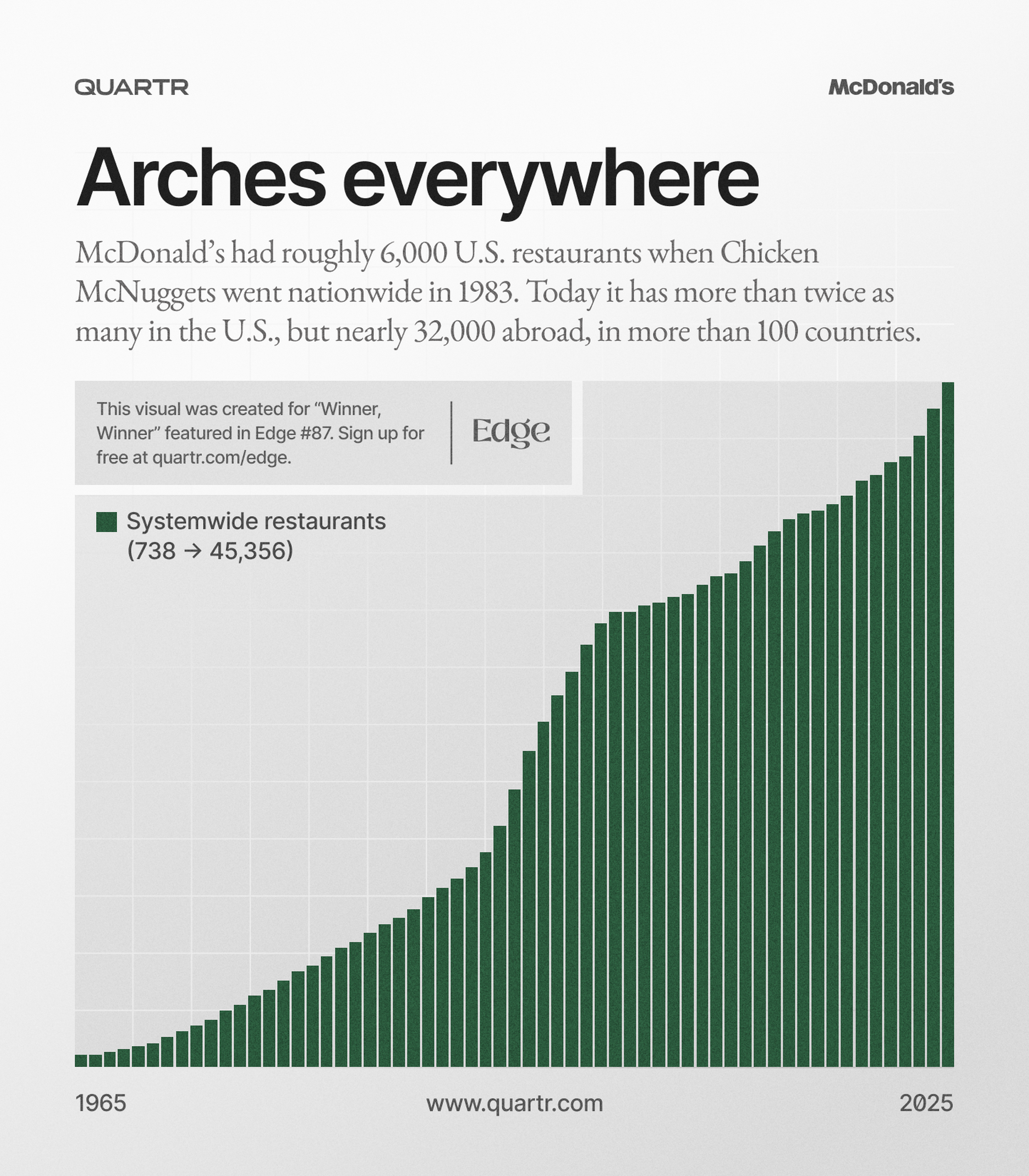
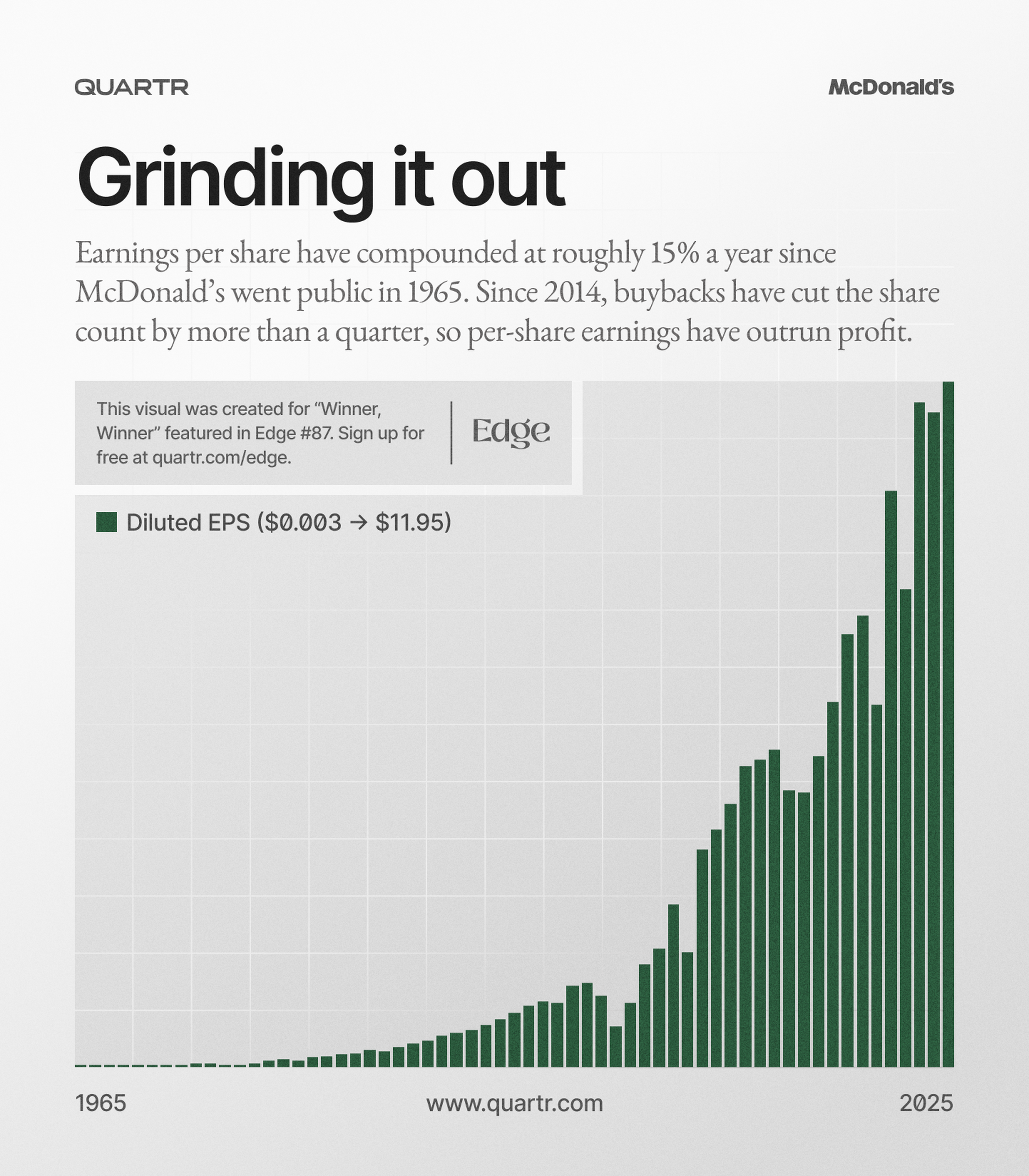
How a 1940s breeding contest, a Cornell food scientist, and a hedge by Ray Dalio helped McDonald's turn the Chicken McNugget into a fast-food icon.

Presentations covered FGR burden and progression, placental insufficiency, DM199’s proposed mechanism, Phase IIa design and interim results from Cohorts 1 and 2, followed by expert commentary and Q&A.
The study enrolled pregnancies at 27–33 weeks with fetal weight below the 3rd centile; the disease overview focused on severe early-onset FGR, generally before 32 weeks.
Sue Walker, University of Melbourne and Mercy Hospital, specializes in maternal-fetal medicine, FGR and preeclampsia; she has 290+ publications.
Stephen Tong, University of Melbourne and Mercy Hospital for Women, develops pregnancy therapeutics and has 300+ publications.
Catherine Cluver leads the Preeclampsia Research Unit at Stellenbosch University and the investigator-sponsored DM199 trial; Andrew Shennan is a King’s College London obstetrics professor with 700+ publications.
FGR affects up to 10% of pregnancies; severe early-onset FGR has no approved treatment and is associated with stillbirth, preterm birth, neonatal morbidity and long-term health consequences.
Birth weight below the 10th centile is associated with a 3–4-fold increase in perinatal-death risk; below the 3rd centile, the increase is 10–15-fold.
Placental insufficiency can progress from abnormal Dopplers to fetal hypoxia and acidosis; delivery timing balances risks from continued growth restriction against complications of prematurity.
Preterm FGR and preeclampsia overlap but are distinct; 30%–40% of preterm FGR cases may have coexisting preeclampsia.
Prior sildenafil trials showed no benefit in preterm FGR, while a low-molecular-weight heparin trial did not prolong gestation versus placebo.

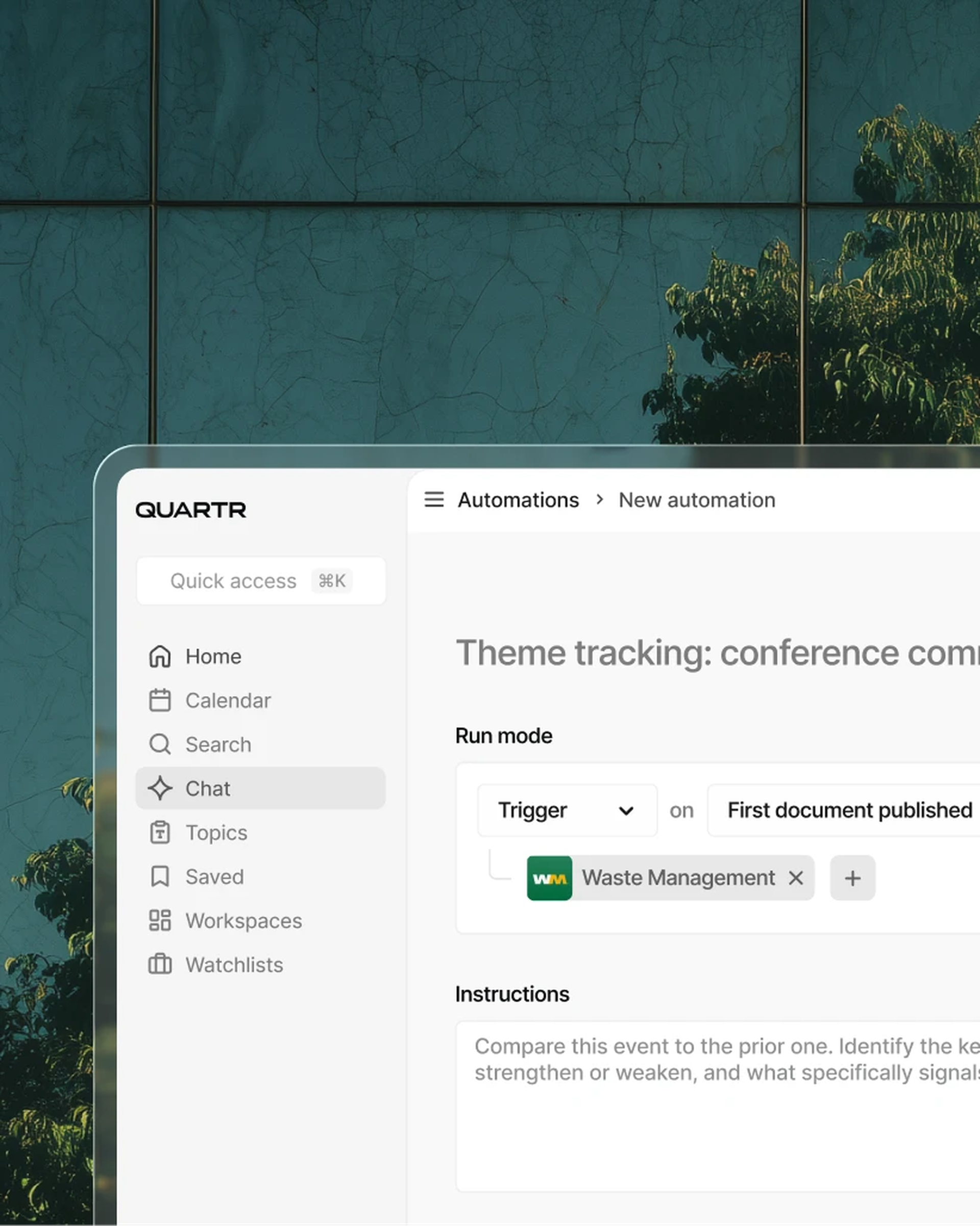
AI chat
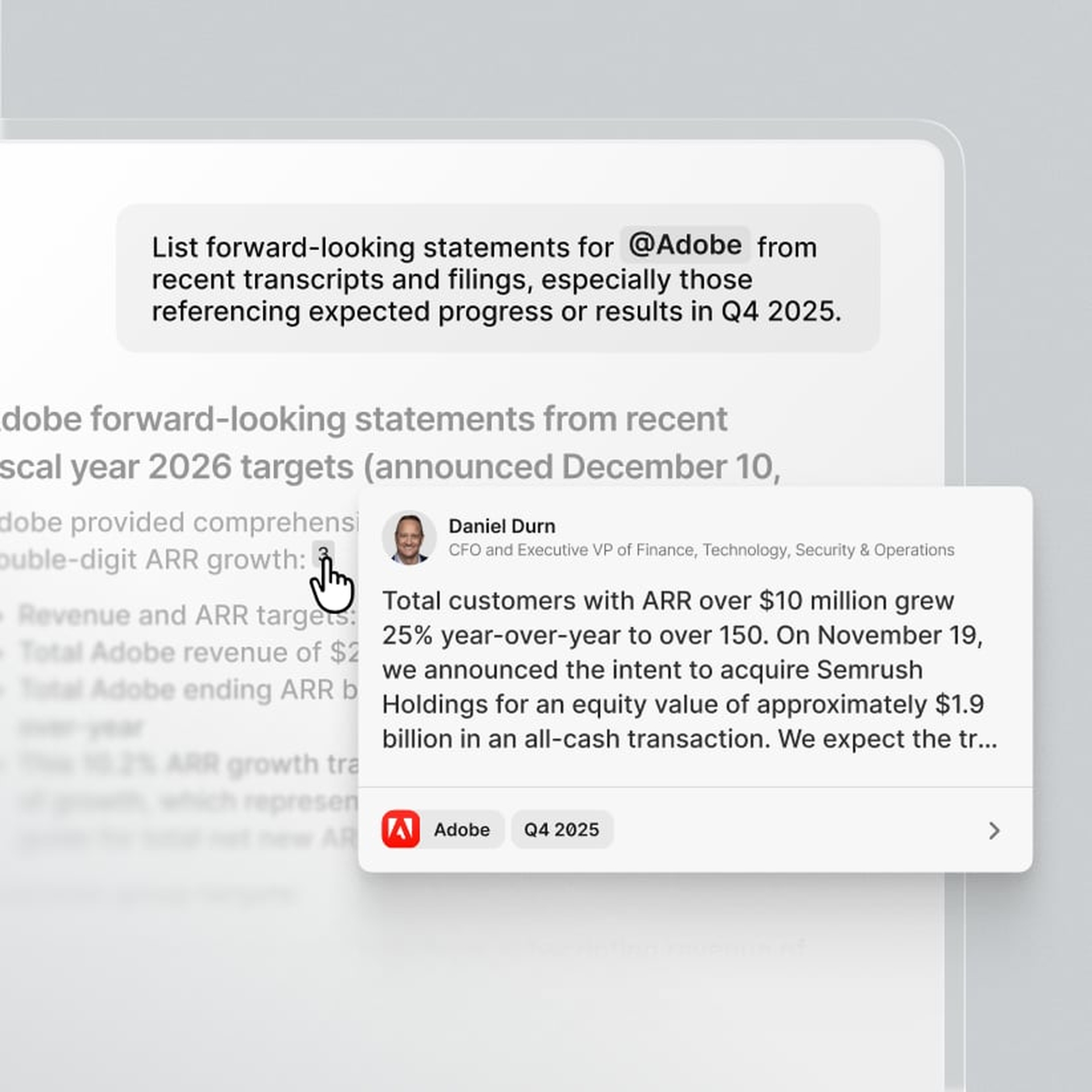
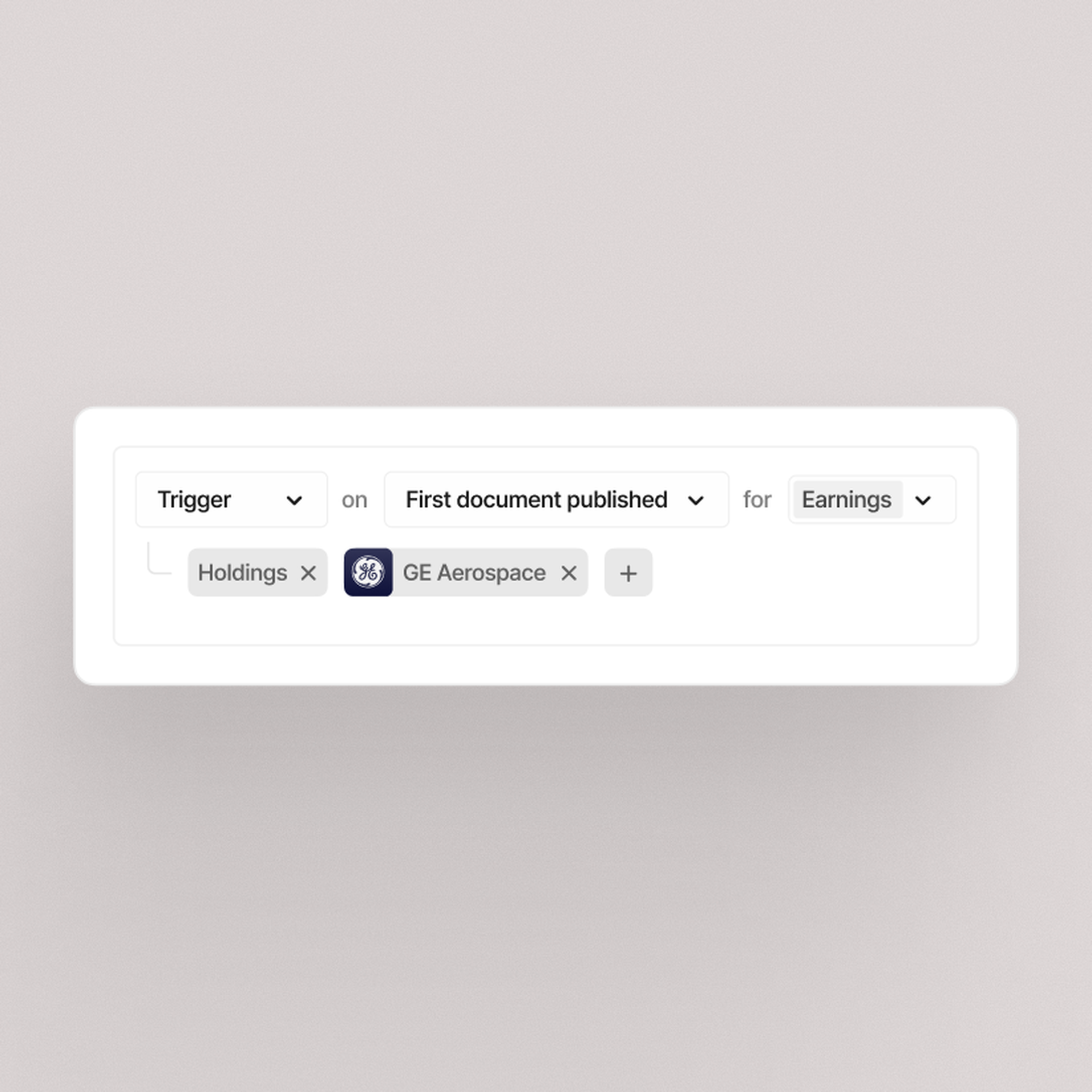
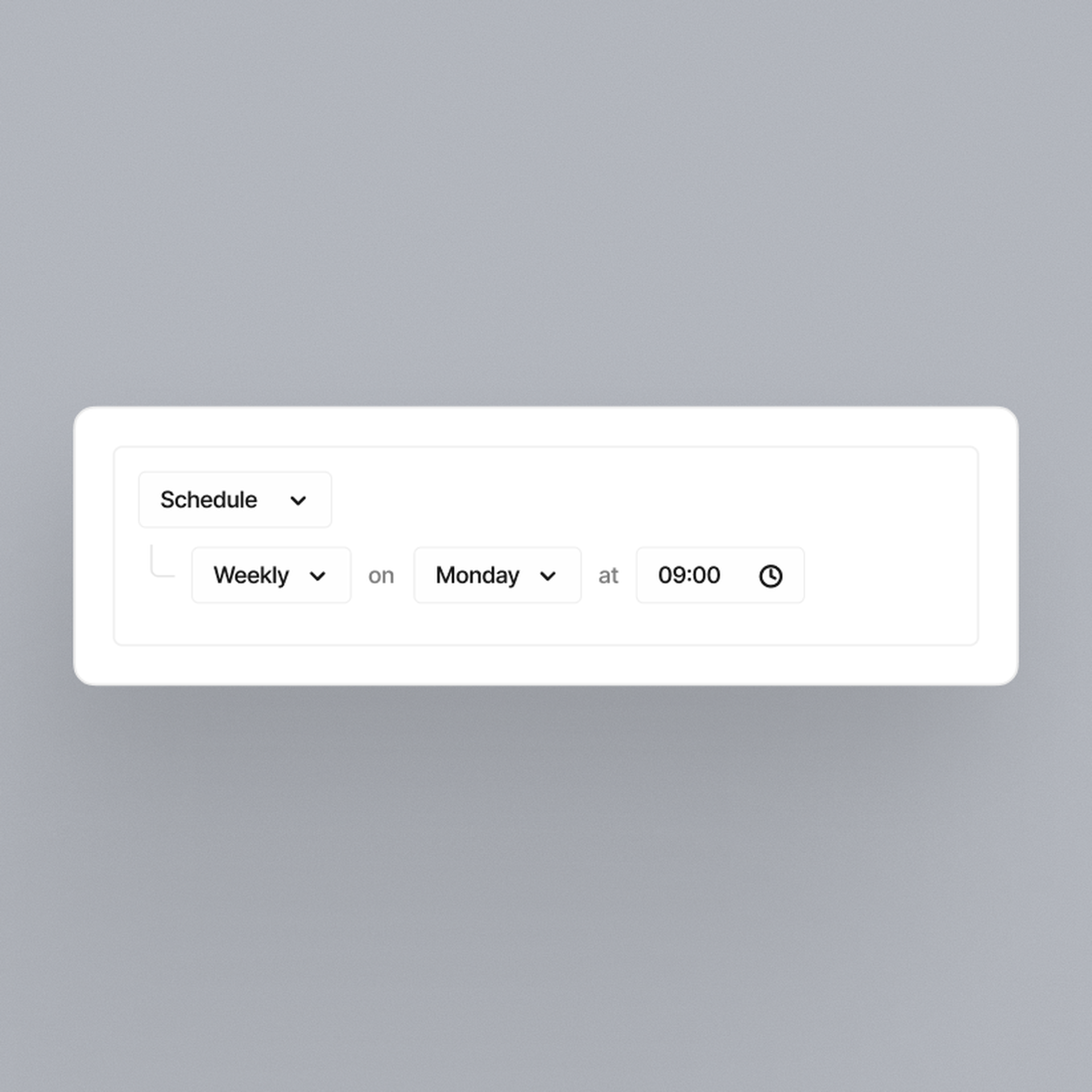
Automations
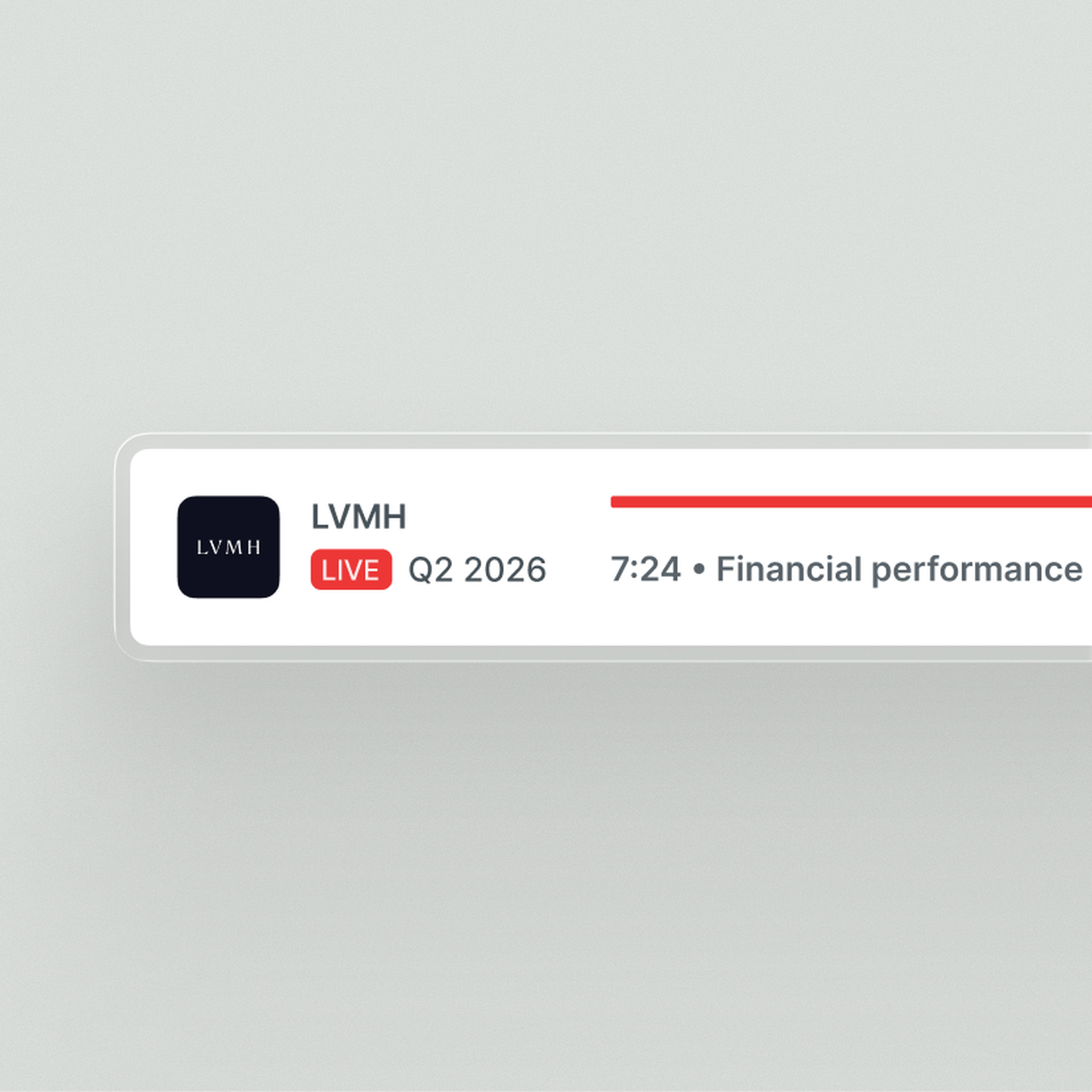
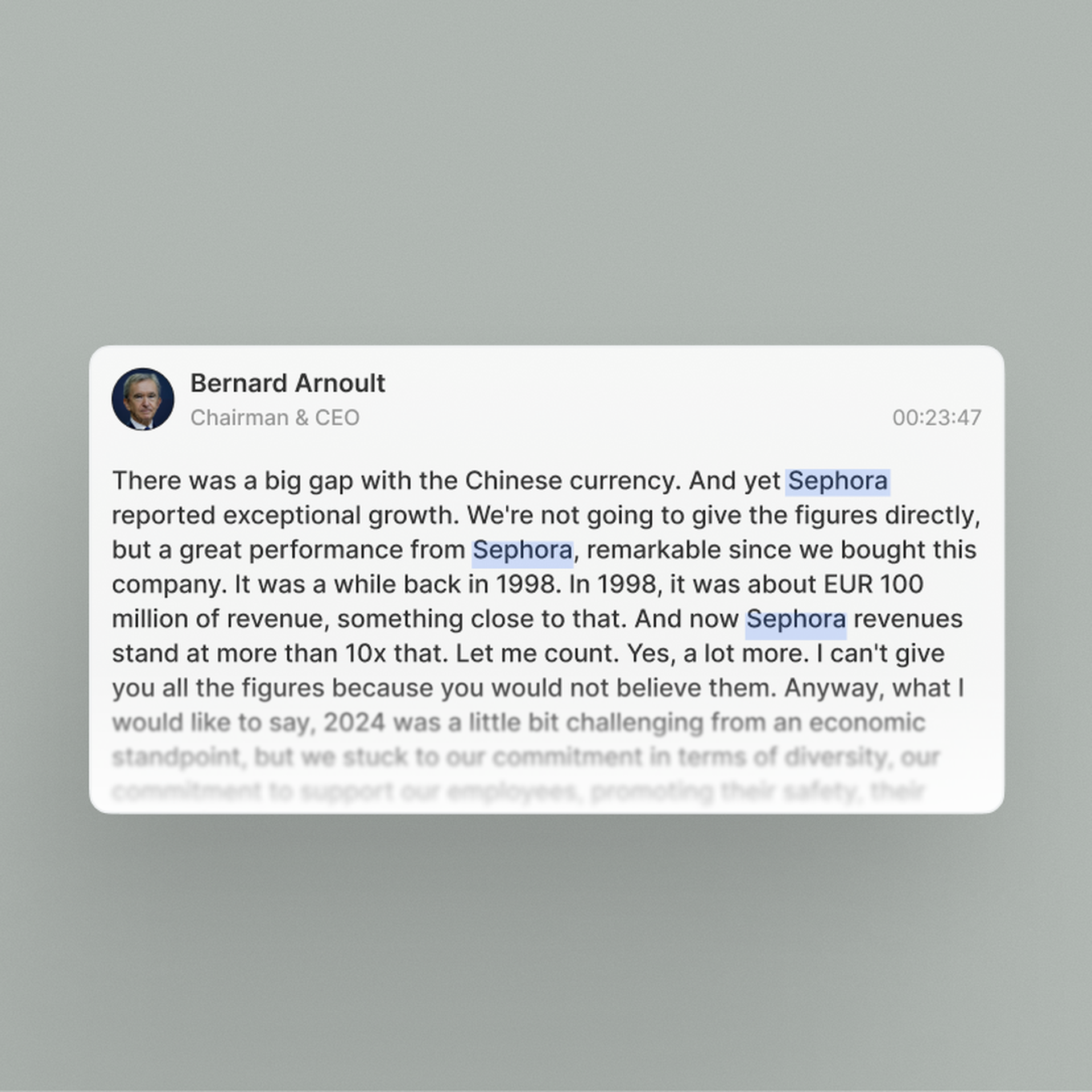
Live audio & transcripts
Quartr's AI stands out because it only pulls clean, first-party data from public companies. In investing, that's everything.
Jamie Ross
Investment Manager, GAM Investments
Research that used to take hours now takes seconds with Quartr Pro. Tracking shifts in tone or extracting tables, it's as simple as typing a query.
Tom O'Hara
Investment Director
Before Quartr we spent hours manually compiling insights through the peer earnings cycle. Now, these tasks are done faster, with greater precision.
Gregg Lampf
VP of Investor Relations
Being able to ask specific questions across years of transcripts and reports and instantly get verified answers is a game-changer.
Pontus Dackmo
CEO & Investment Manager