Edge16 Oct 2026
Winner, Winner: The Chicken McNugget Story
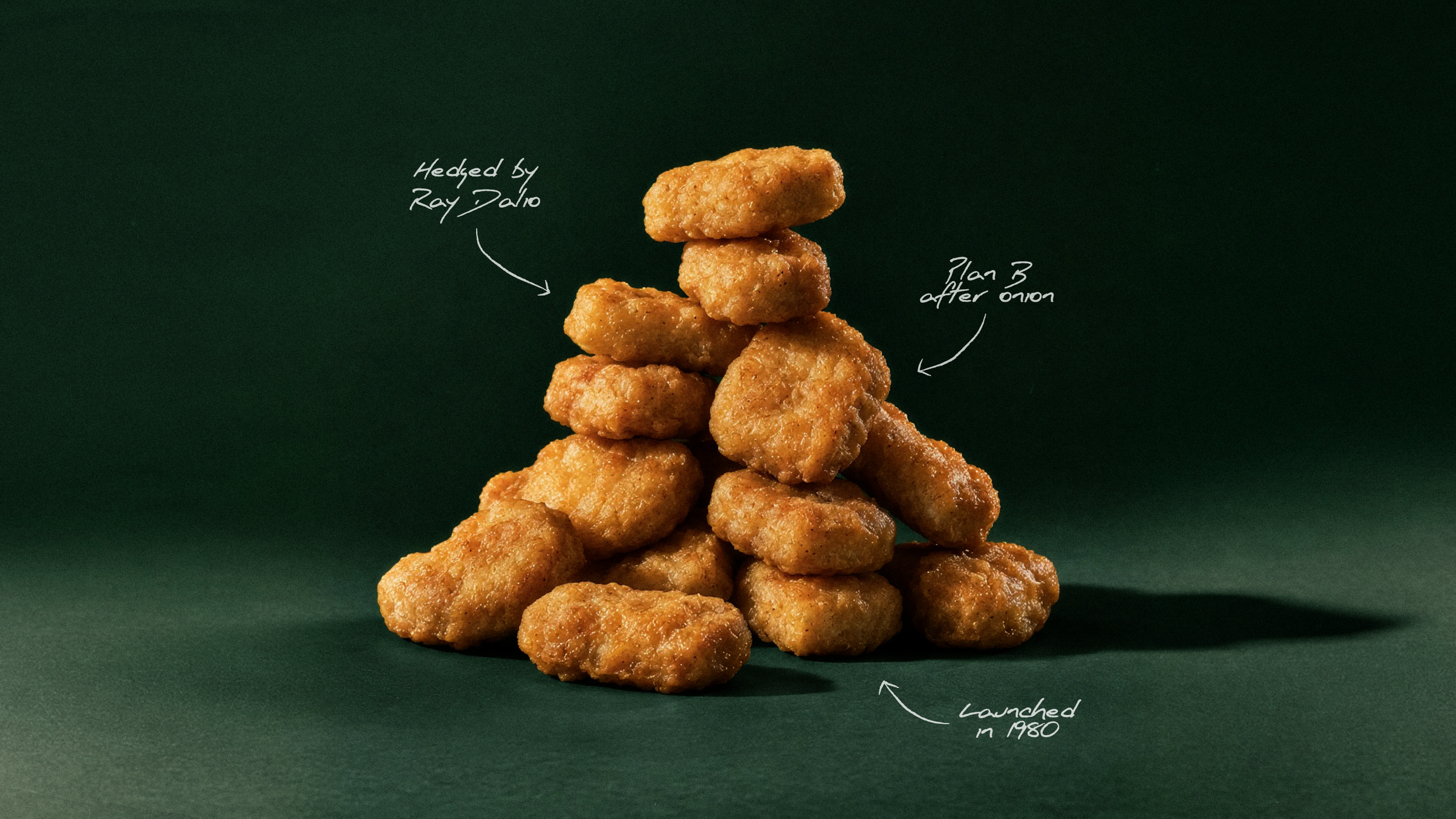
How a 1940s breeding contest, a Cornell food scientist, and a hedge by Ray Dalio helped McDonald's turn the Chicken McNugget into a fast-food icon.

Strategy now centers on in vivo CRISPR editing; EDIT-401 uses a non-coding edit to upregulate disease-mitigating proteins, with first patients targeted for dosing in 2026.
EDIT-401 edits the LDLR gene’s 3' UTR to increase LDL receptor synthesis; non-human primate data showed 90% lower LDL-C and significant, comparable reductions in Lp(a) and ApoB, durable through 10 months.
Management attributes the deeper LDL-C reduction versus PCSK9 approaches to directly increasing LDL receptor synthesis rather than inhibiting receptor degradation or recycling.
Part 1 of the Phase I/II study is a serial-cohort dose escalation, starting below a therapeutic dose for safety before escalating toward a target efficacious dose; Part 2 will expand enrollment at a selected dose.
Protocol design includes at least three patients per cohort across at least four cohorts, with a 3+3 design allowing cohort expansion if needed.
Safety and tolerability from the first cohort are expected in Q1 2027; top-line data from subsequent cohorts, including LDL-C reductions, efficacy, safety and tolerability, are anticipated in H2 2027.
Management said it would like LDL-C reductions above 60%; a best-case Part 1 result would pair robust LDL-C lowering with good tolerability and safety.
Initial enrollment prioritizes very-high-risk patients, leading with HeFH and focusing on LDL-C; potential expansion includes non-HeFH patients with established ASCVD who cannot reach LDL-C targets on standard care.
HeFH is the planned initial target; management is also evaluating a broader, very-high-risk ASCVD population estimated at 10 million patients in the U.S.
Management sees LDL-C as a potential approval path, subject to regulatory agreement, citing the LDLR pathway as a final common pathway and precedent for LDL-C-based approvals.
Management cited a precedent of a few hundred patients for HeFH approvals, subject to FDA views on gene editing; a larger population would require discussion with the agency.

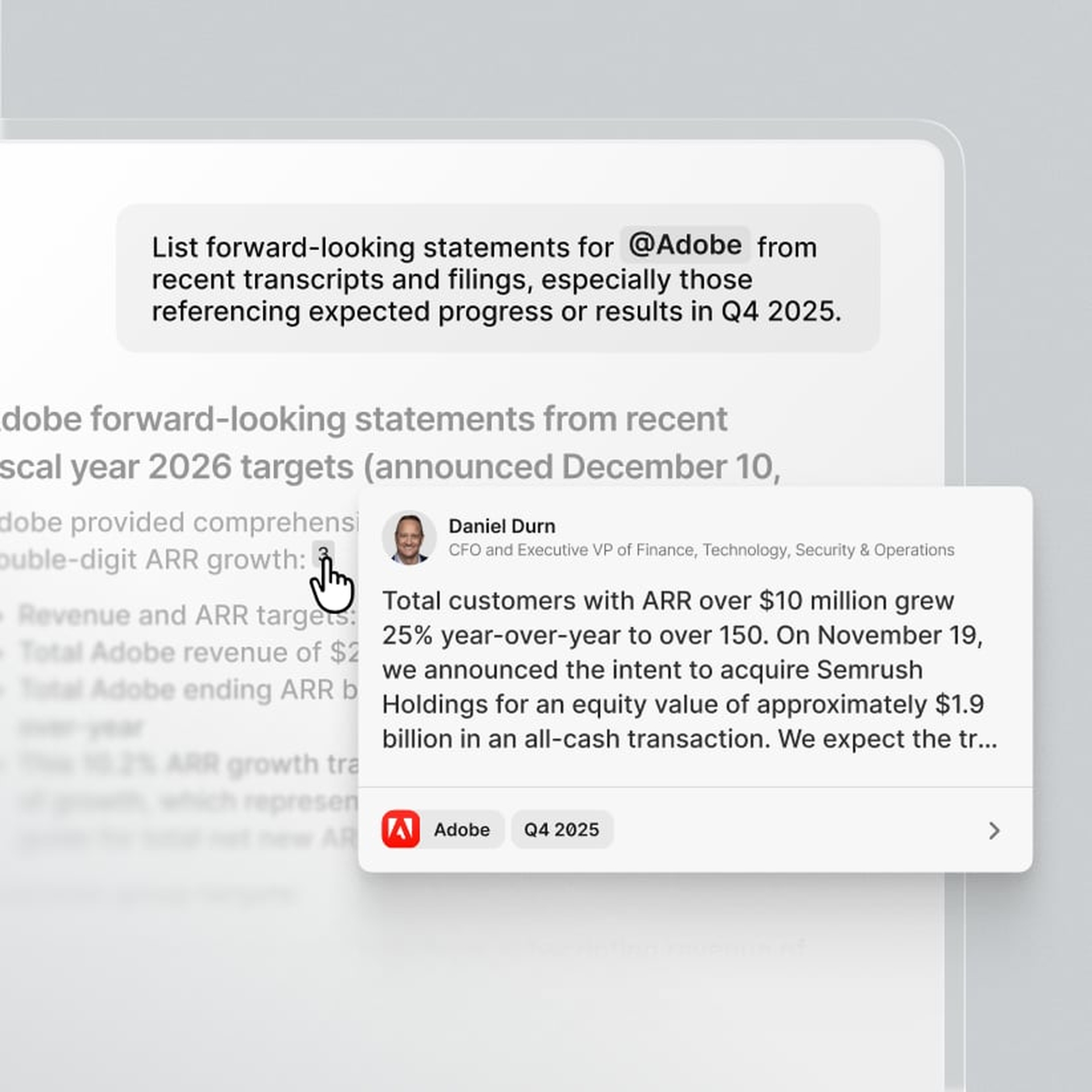
AI chat
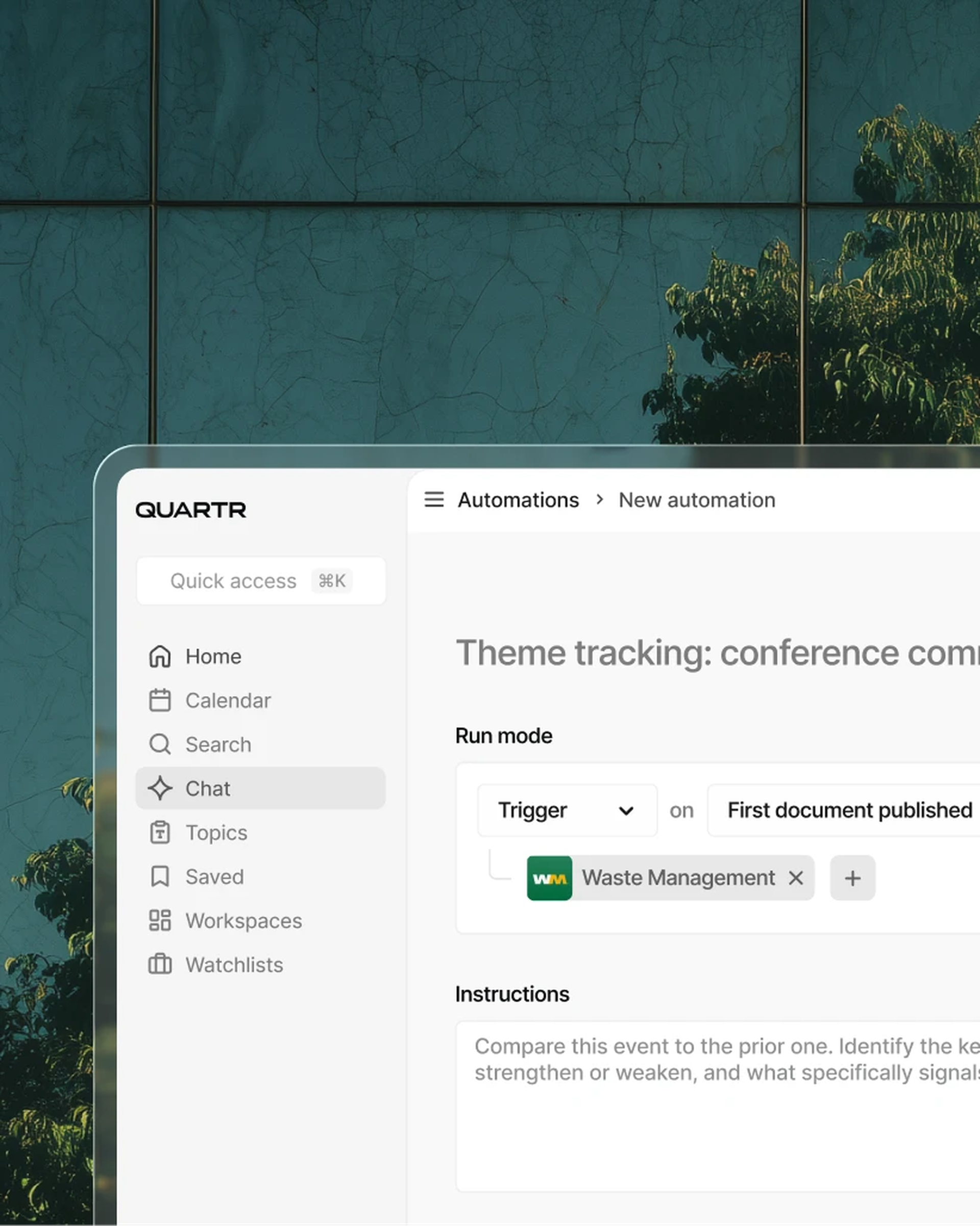
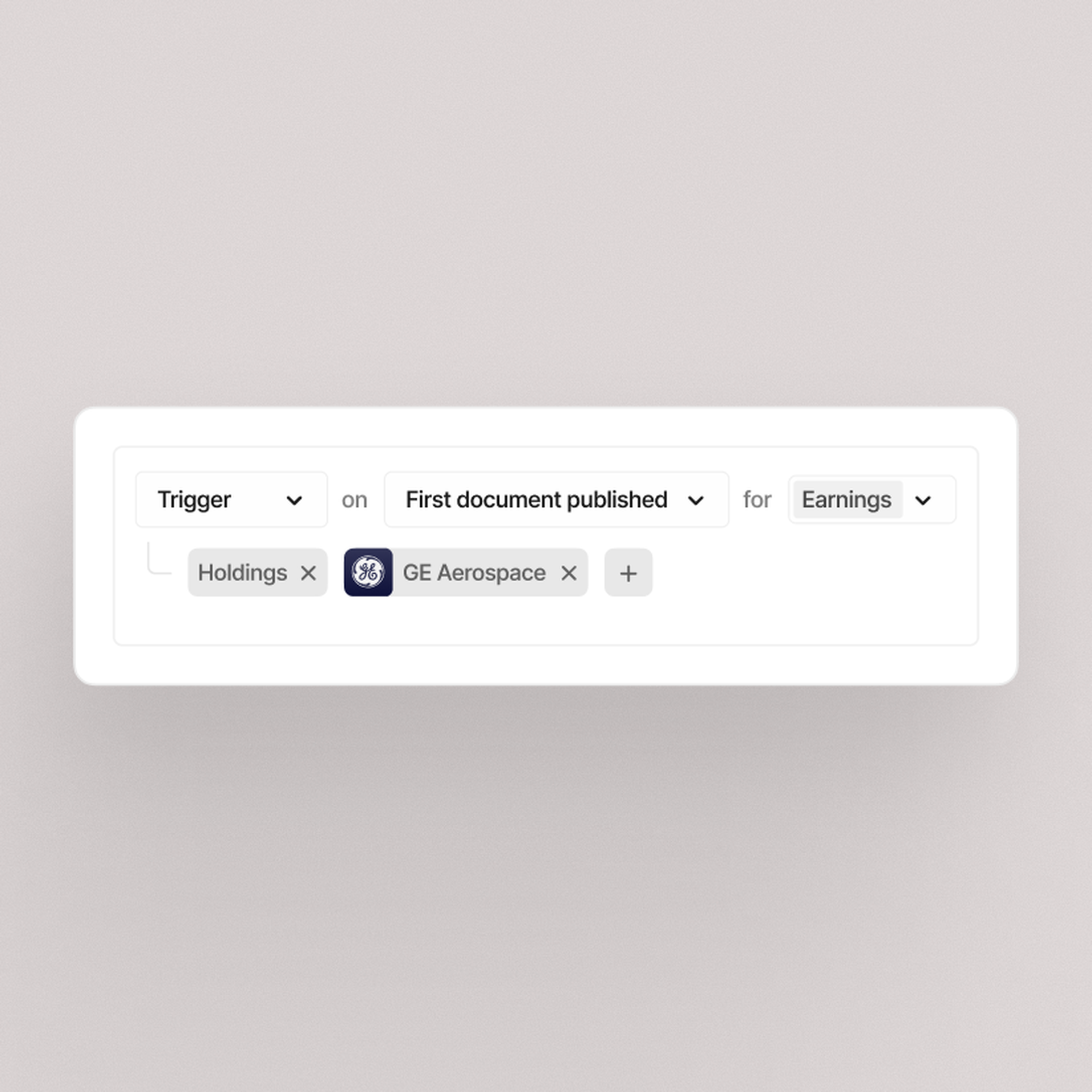
Automations

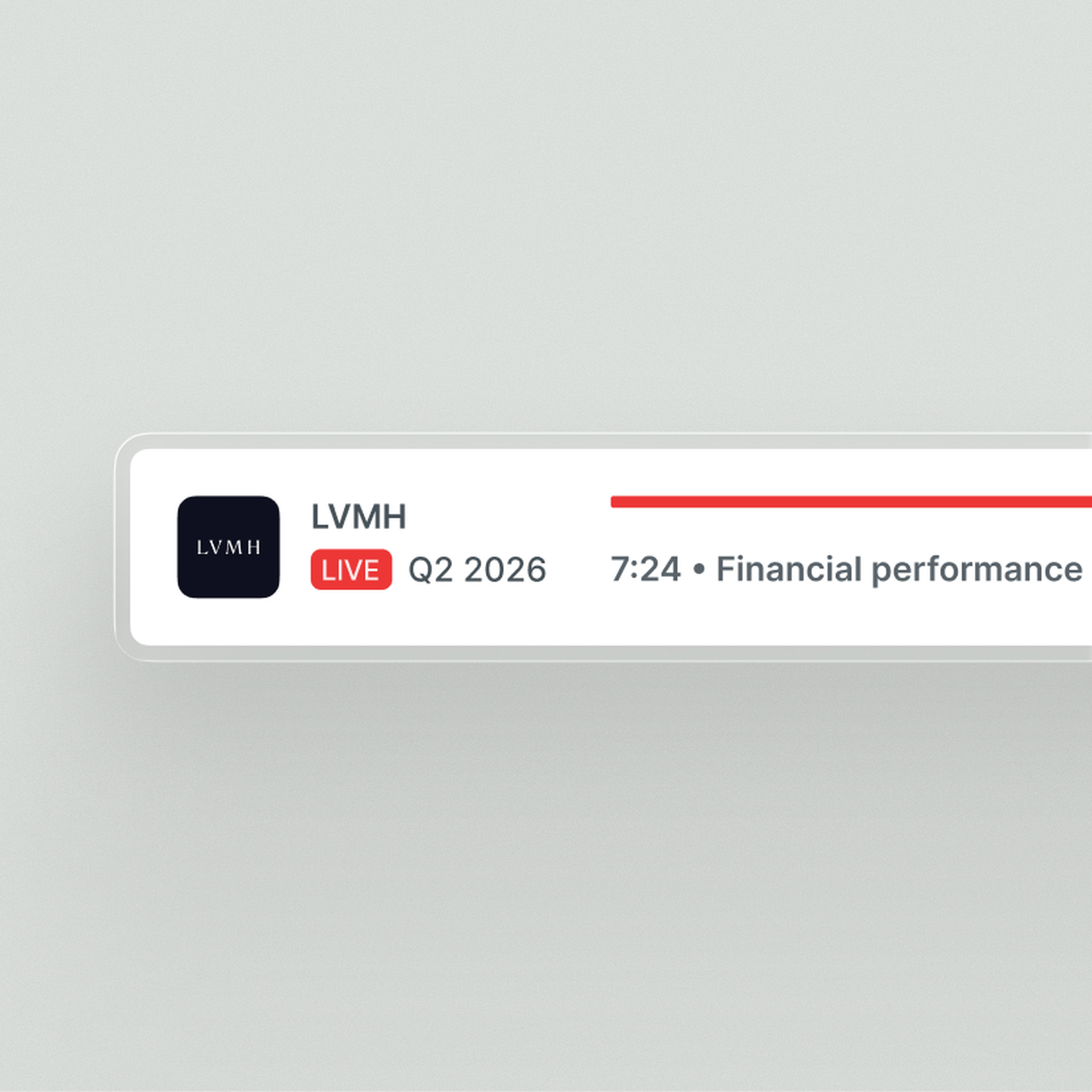
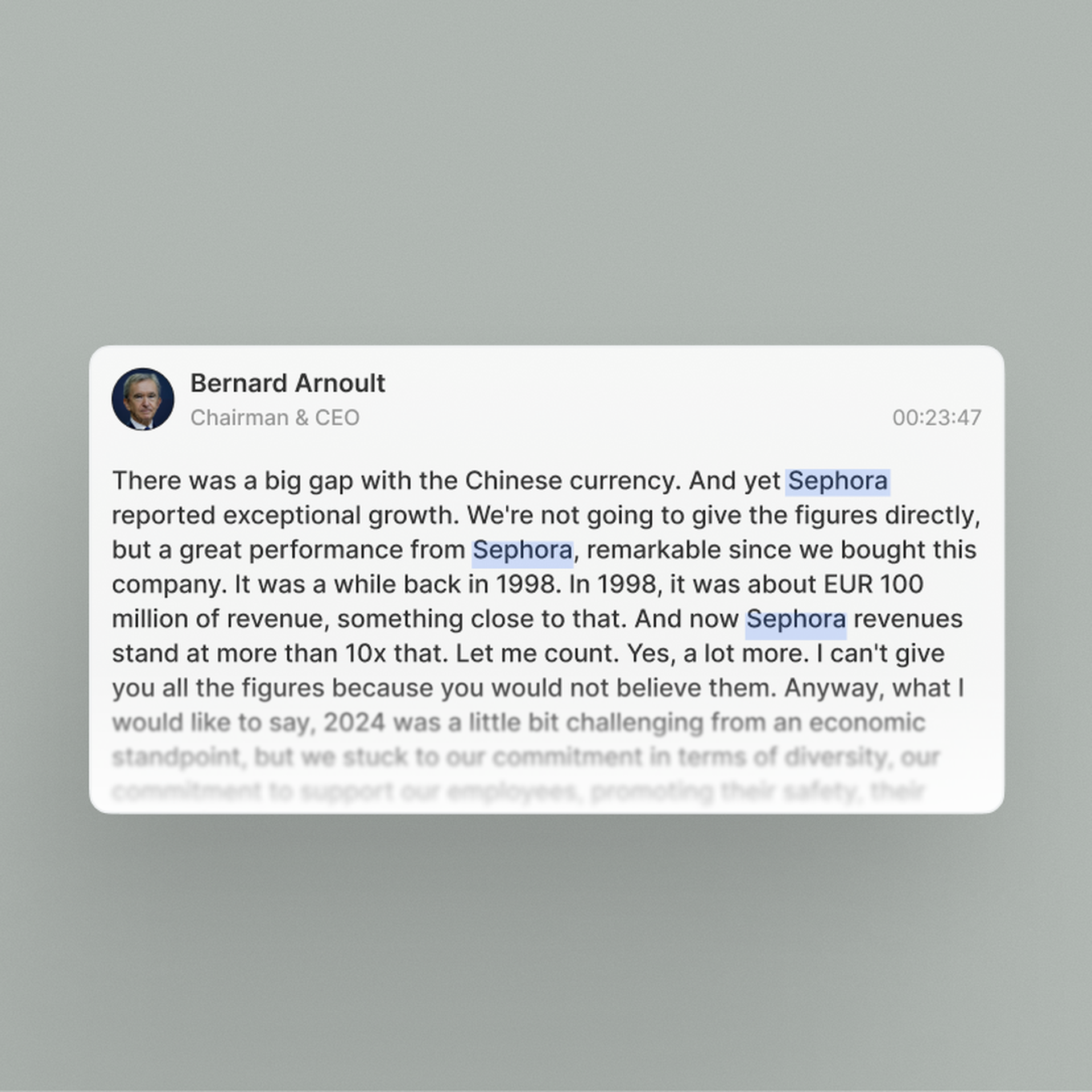
Live audio & transcripts
Quartr's AI stands out because it only pulls clean, first-party data from public companies. In investing, that's everything.
Jamie Ross
Investment Manager, GAM Investments
Research that used to take hours now takes seconds with Quartr Pro. Tracking shifts in tone or extracting tables, it's as simple as typing a query.
Tom O'Hara
Investment Director
Before Quartr we spent hours manually compiling insights through the peer earnings cycle. Now, these tasks are done faster, with greater precision.
Gregg Lampf
VP of Investor Relations
Being able to ask specific questions across years of transcripts and reports and instantly get verified answers is a game-changer.
Pontus Dackmo
CEO & Investment Manager