Edge16 Oct 2026
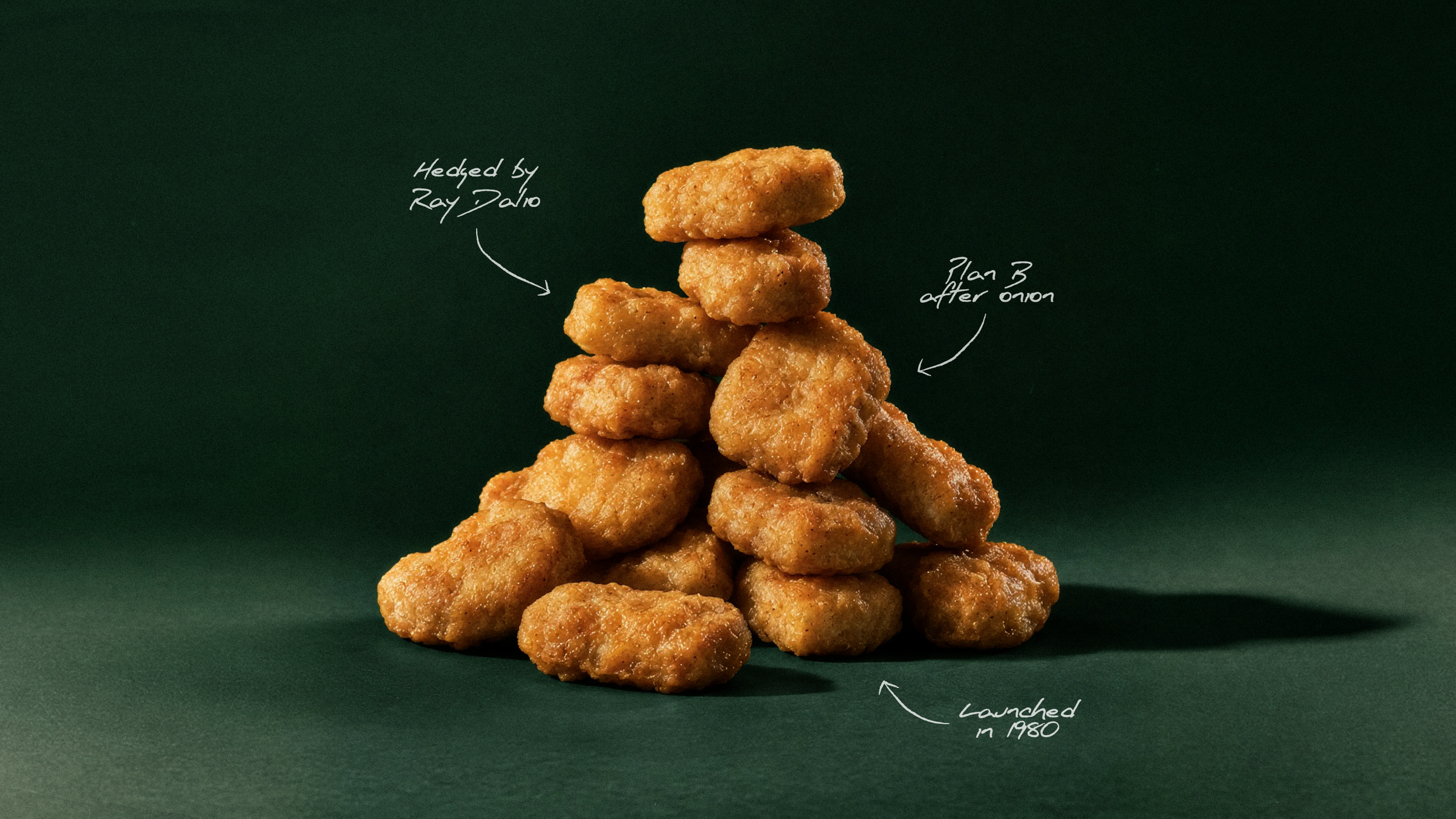
Winner, Winner: The Chicken McNugget Story
How a 1940s breeding contest, a Cornell food scientist, and a hedge by Ray Dalio helped McDonald's turn the Chicken McNugget into a fast-food icon.

Fleet expanded from 8 vessels in 2013 to 39 today, serving 100+ customers; turnover grew 2.5x over the period.
Northern Bay of Bothnia cargo volumes are forecast to rise 50% by 2030, with potentially greater transport demand as average voyage distances increase.
Industrial investment, including Stegra and SSAB green-steel projects, is driving demand; management estimated market growth at ~10% annually through 2030 versus potentially ~1% annual supply growth.
Ice, shallow ports and specialized ship-to-ship capability create entry barriers; all vessels are in the top two ice classes, 1A or 1A Super.
Around 74% of revenue is contracted, supported by long-term industrial relationships; contract clauses generally pass through inflation, fuel and emissions costs, with some short-term lag.
Target comparable EBIT of €40 million in 2030, versus a €13 million LTM base at end-September; drivers include fleet efficiency, market growth and internal improvements.
New vessels are expected to deliver >€30 million EBITDA improvement when fully deployed by end-2028; 2029 is the first full year with all vessels trading.
Four 17,000-DWT dual-fuel methanol Green Handies are due from Q3 2027 to Q2 2028; the €186 million program adds ~68,000 DWT.
Fleet renewal exceeds €300 million, with ~€220 million funded directly; €153 million remained at end-September, with ~60% due in 2027 and 30% in early 2028.
Profit-improvement program targets >€5 million in annual OPEX savings, led mainly by commercial optimization, including higher fill rates and better cargo mix.
Handy generated €82 million net sales and 13% comparable EBIT margin for the 12 months to September; its 11 owned vessels have 160,000 DWT total capacity.
Coaster generated €92 million net sales and 4% comparable EBIT margin; its 28-vessel platform serves smaller ports, short routes and diverse industrial and project cargoes.
Coaster profitability is expected to improve as Green Coasters replace less-profitable time-chartered capacity and internal optimization advances.
After a heavy planned dry-docking year in 2026, fewer docking days are expected to make more capacity available commercially in 2027.
Shared cloud data systems and the AI-supported Smart Fleet Optimizer coordinate cargo, schedules and routing to improve utilization and operating efficiency.
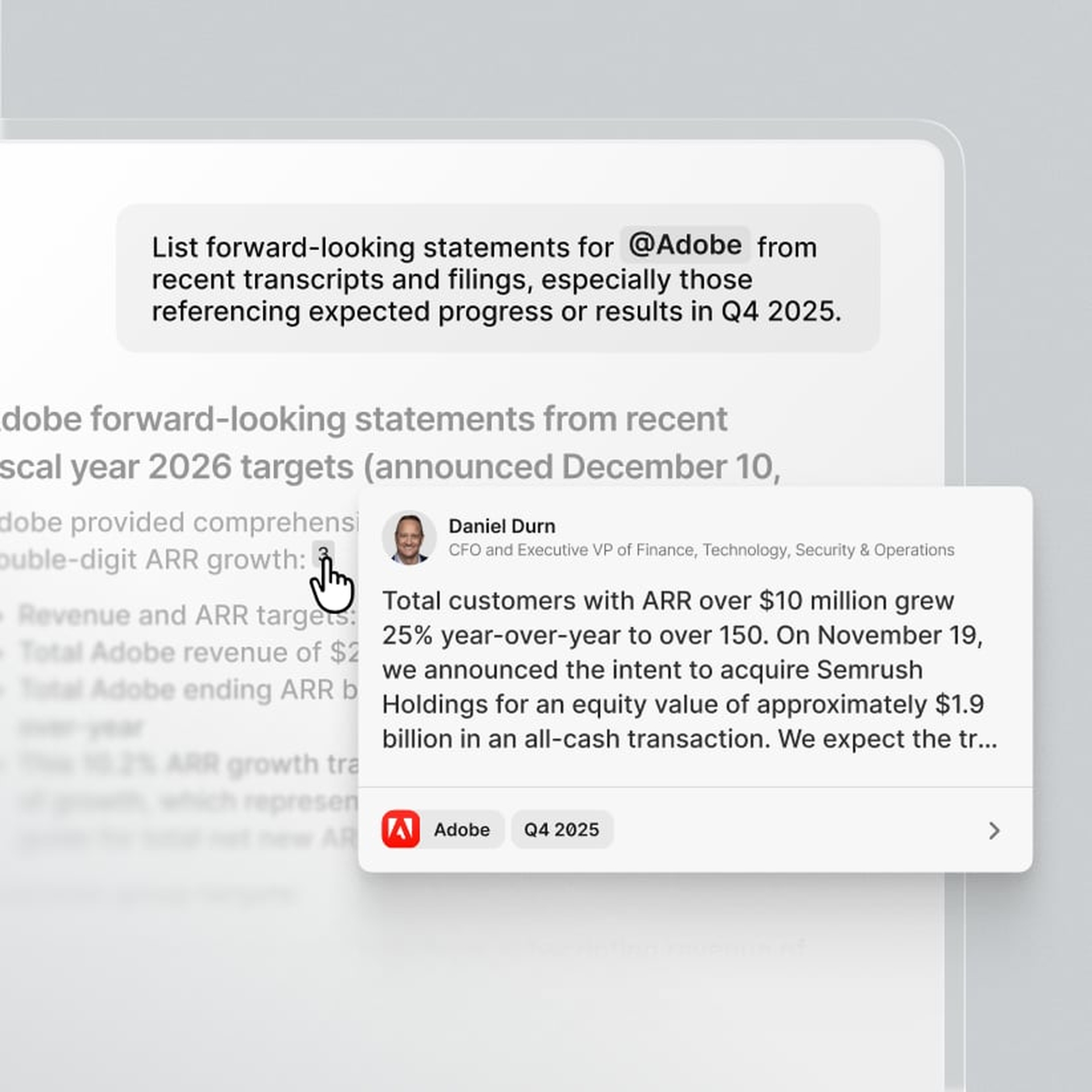
AI chat
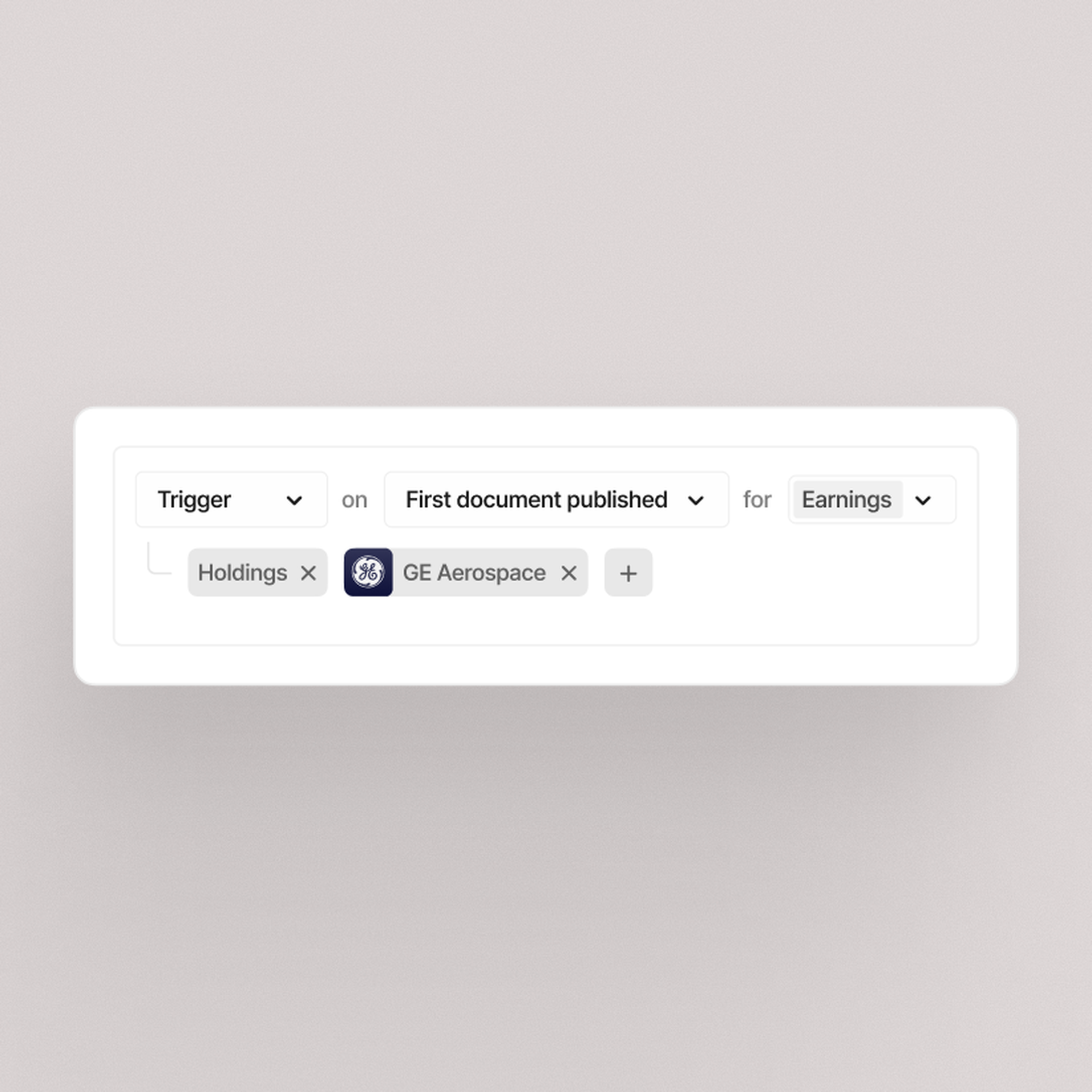
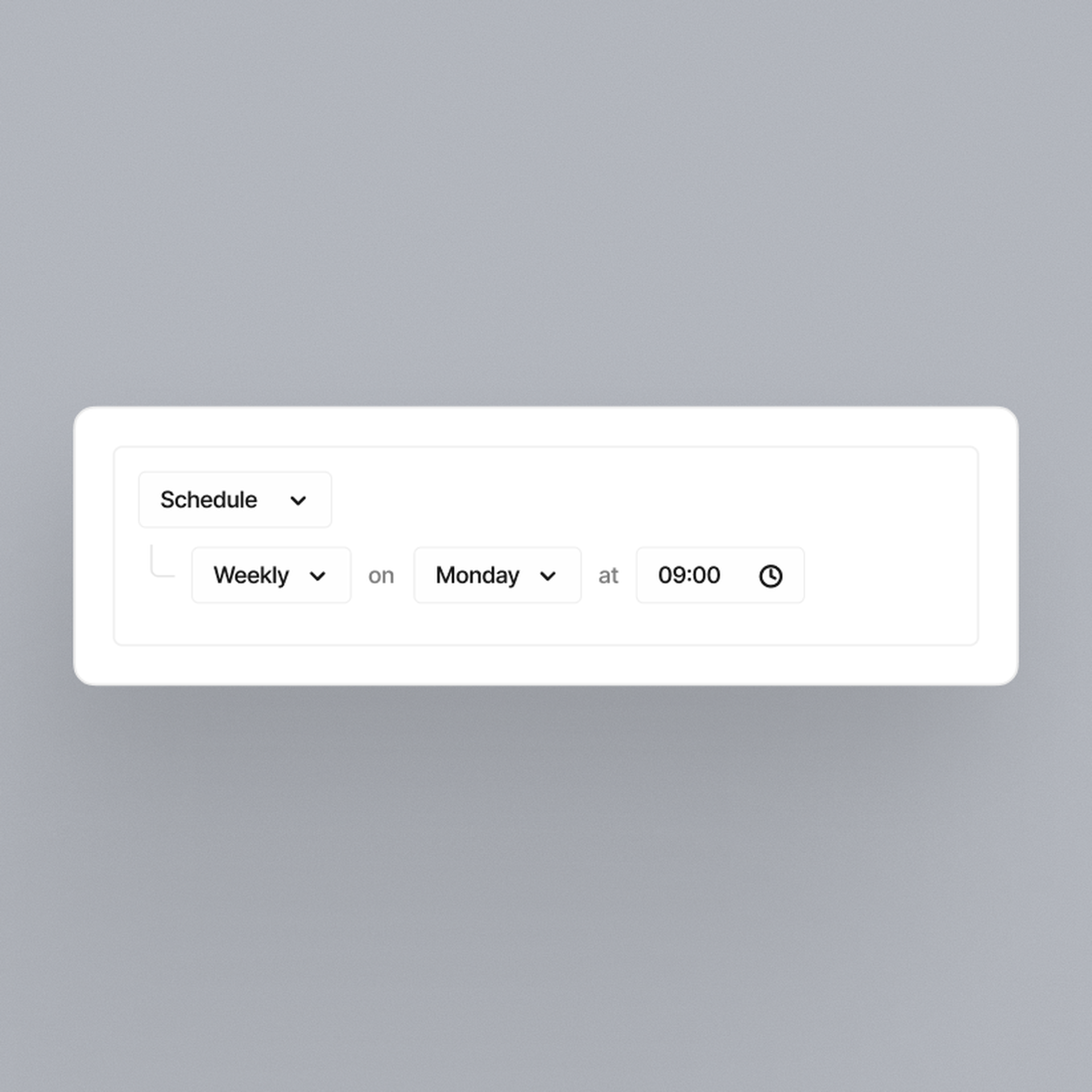
Automations
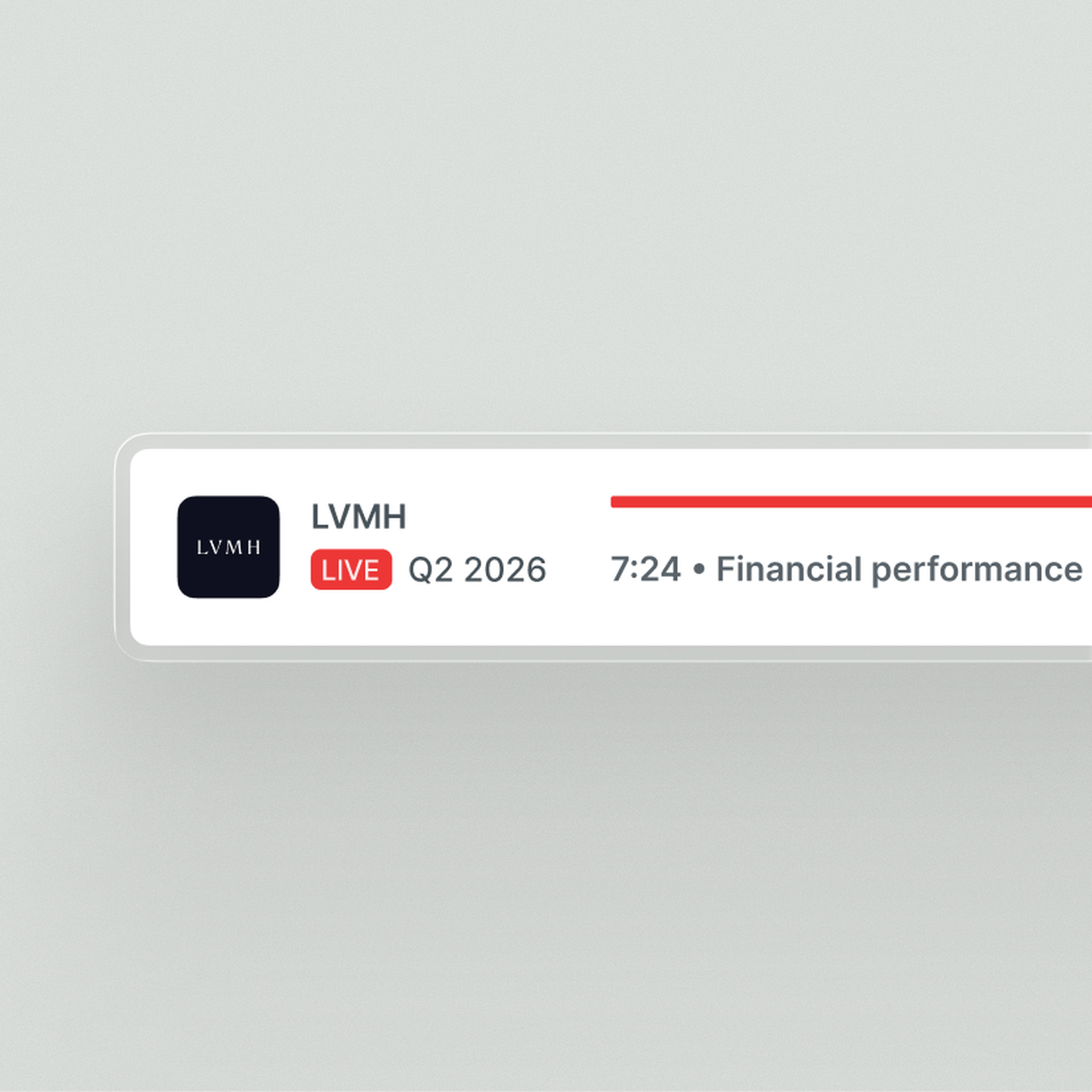
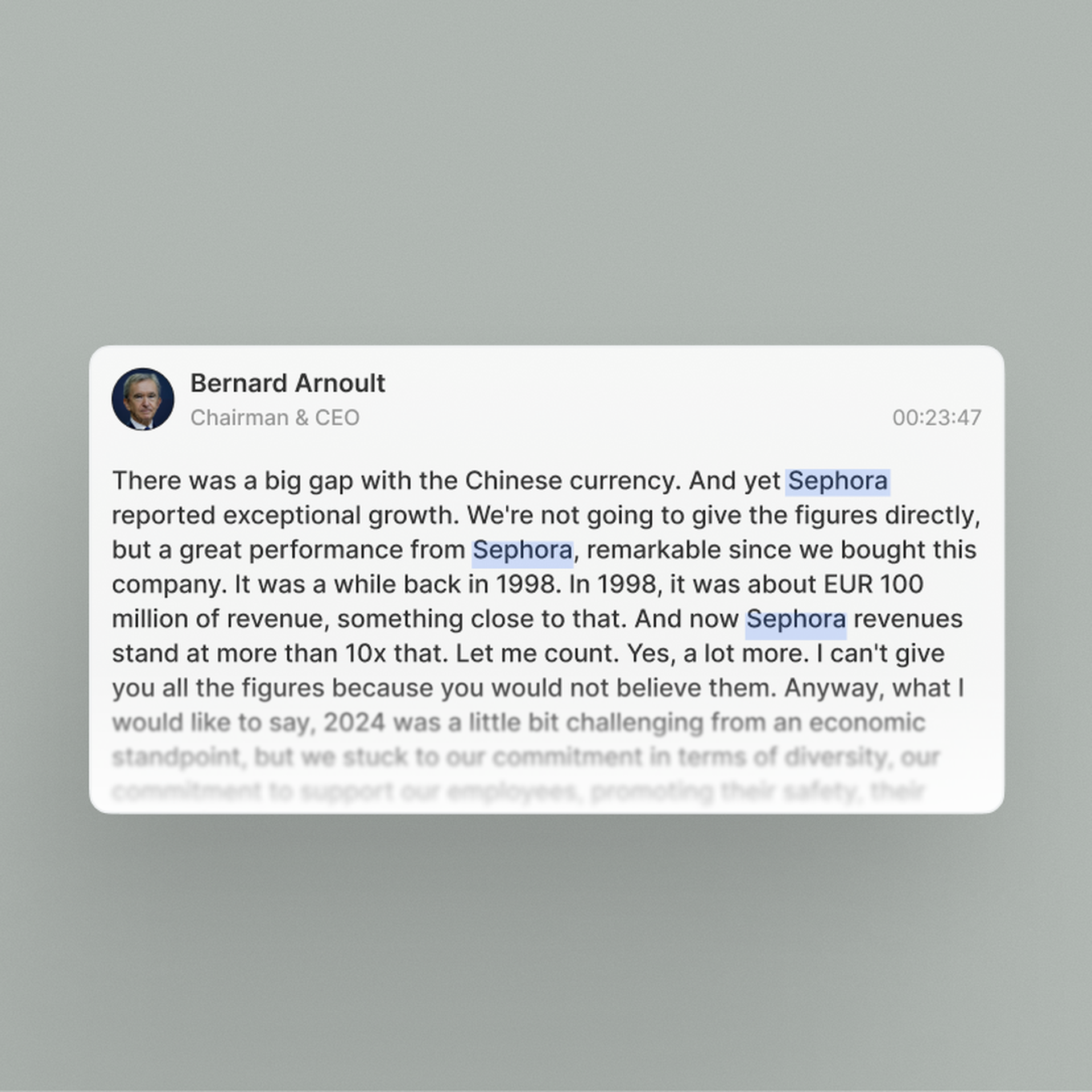
Live audio & transcripts
Quartr's AI stands out because it only pulls clean, first-party data from public companies. In investing, that's everything.
Jamie Ross
Investment Manager, GAM Investments
Research that used to take hours now takes seconds with Quartr Pro. Tracking shifts in tone or extracting tables, it's as simple as typing a query.
Tom O'Hara
Investment Director
Before Quartr we spent hours manually compiling insights through the peer earnings cycle. Now, these tasks are done faster, with greater precision.
Gregg Lampf
VP of Investor Relations
Being able to ask specific questions across years of transcripts and reports and instantly get verified answers is a game-changer.
Pontus Dackmo
CEO & Investment Manager