
Edge12 Jun 2026
Set in Stone: The Story of Richemont
From a South African tobacco company to Cartier, a deep dive into how Richemont built one of the world's leading hard luxury empires.

Nine-month revenue was €57.148bn, up 2% organically and down 2% reported; Q3 revenue was €18.504bn, with organic growth of 1%.
Q3 growth in Europe, the U.S. and Japan offset weaker demand in China; Watches & Jewelry and Selective Retailing led nine-month segment growth, while Fashion & Leather Goods contracted.
Priorities include brand desirability, product quality, retail excellence, agility and efficiency amid an uncertain economic and geopolitical environment.
Nine-month revenue was €57.148bn versus €58.090bn in 2025; organic growth of 2% was offset by a 3% currency impact and a 1% perimeter impact, for a 2% reported decline.
Q3 revenue was €18.504bn versus €18.280bn a year earlier; currency added 2% and changes in consolidation scope reduced revenue by 2%.
Nine-month geographic revenue mix was stable: Asia ex-Japan 27%, U.S. 25%, Europe ex-France 18%, other markets 14%, France 8% and Japan 8%.
2026 priorities include reinforcing icons and brand desirability through creative renewal, new in-store experiences, craftsmanship, quality and targeted investment.
H2 FX is expected to weigh on margins by around 70 bps, similar to H1; cost discipline and sustainable efficiency remain priorities, though short-term actions may not fully offset near-term revenue pressure.
Q4 Watches & Jewelry growth is expected to continue, with tougher comparison bases for Bvlgari and Tiffany; FX headwinds should ease next year, with a delayed Wine & Spirits margin benefit.

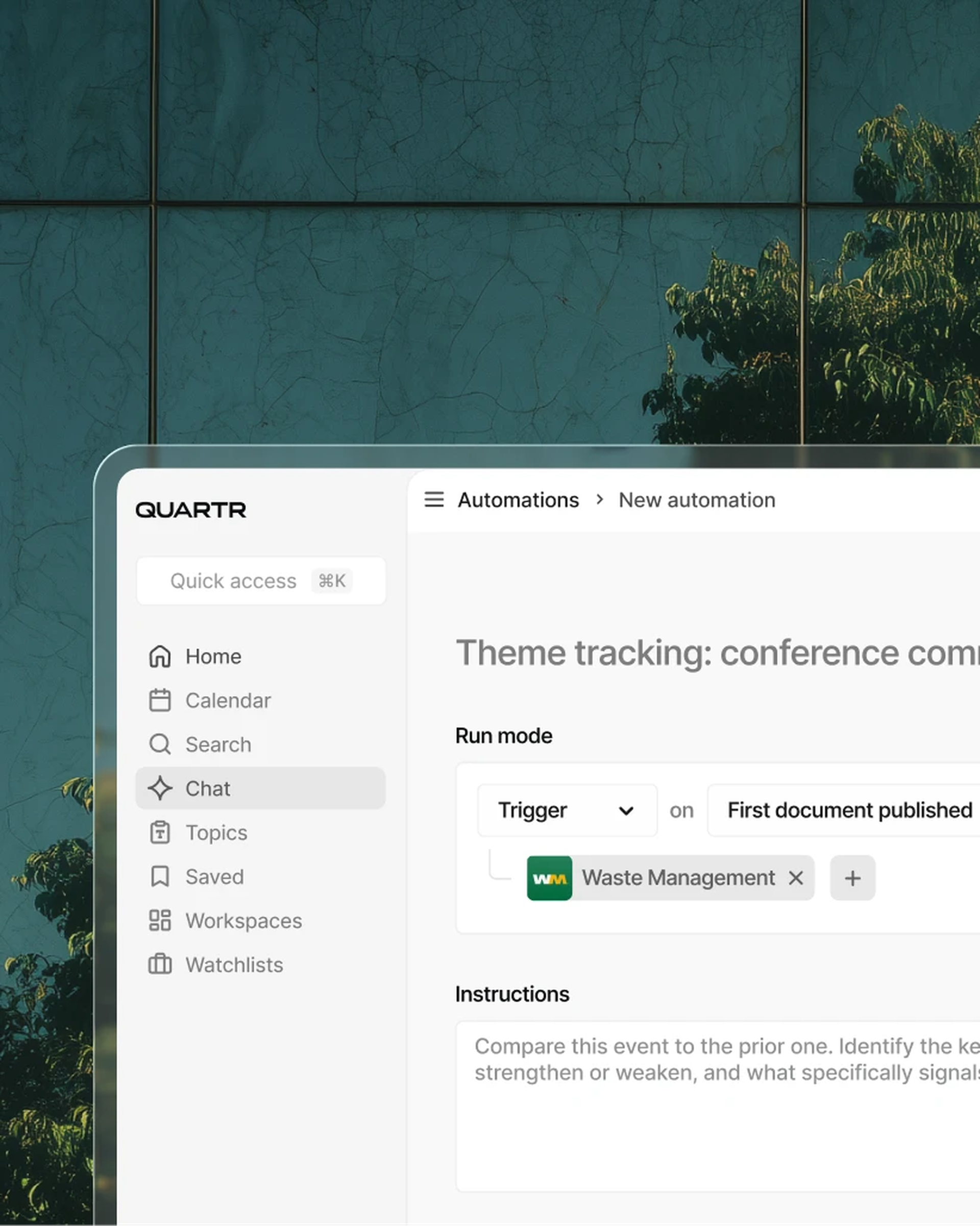
AI chat
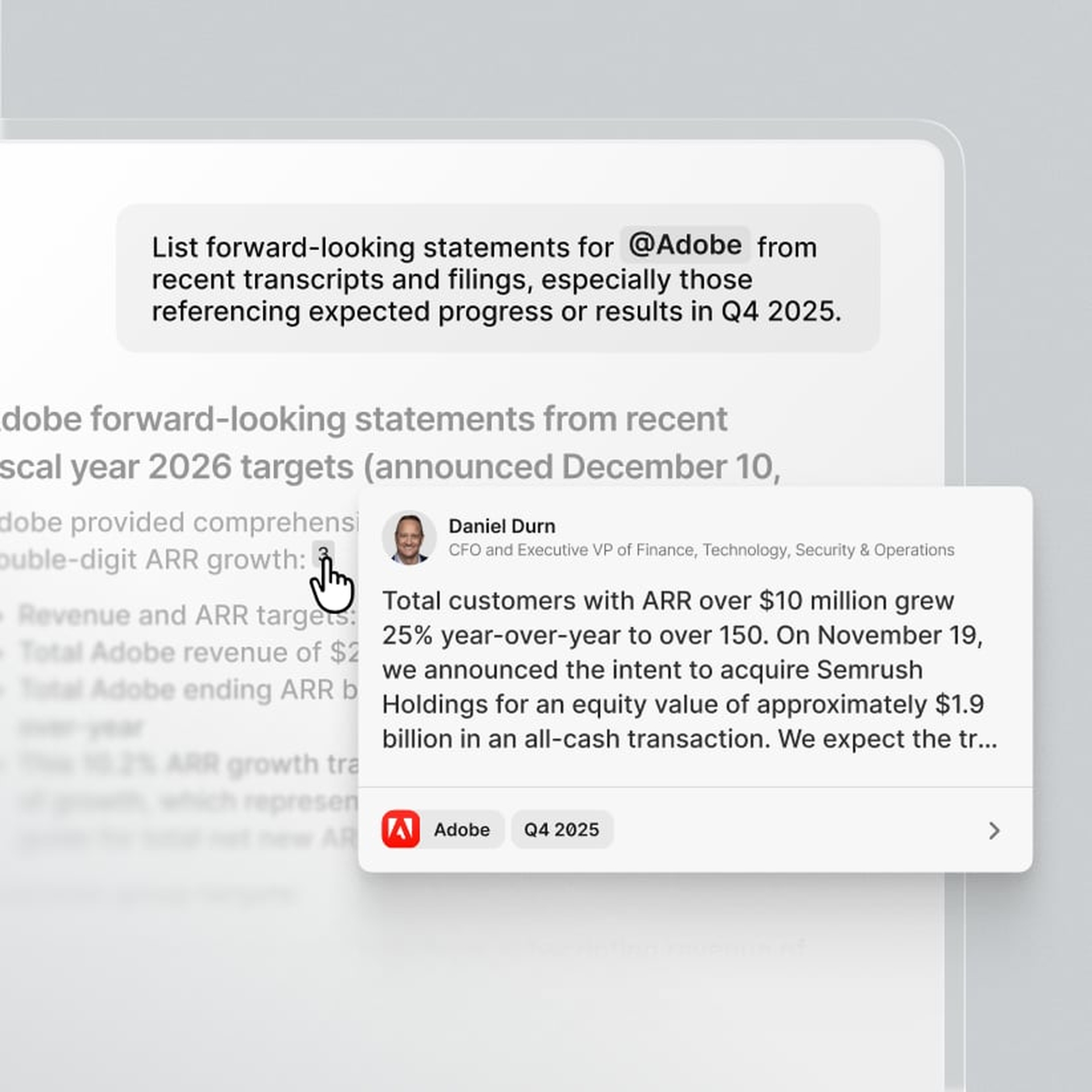
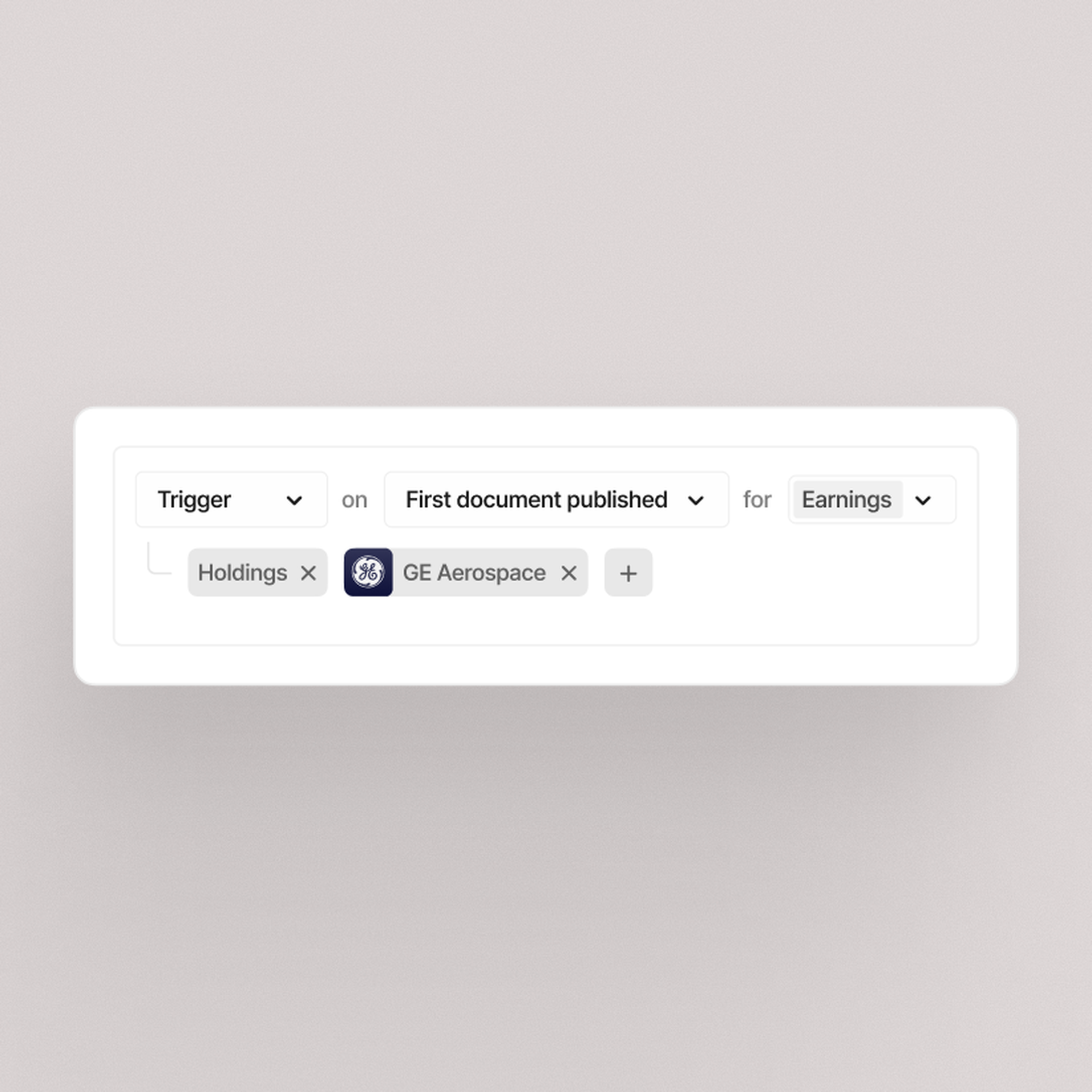
Automations

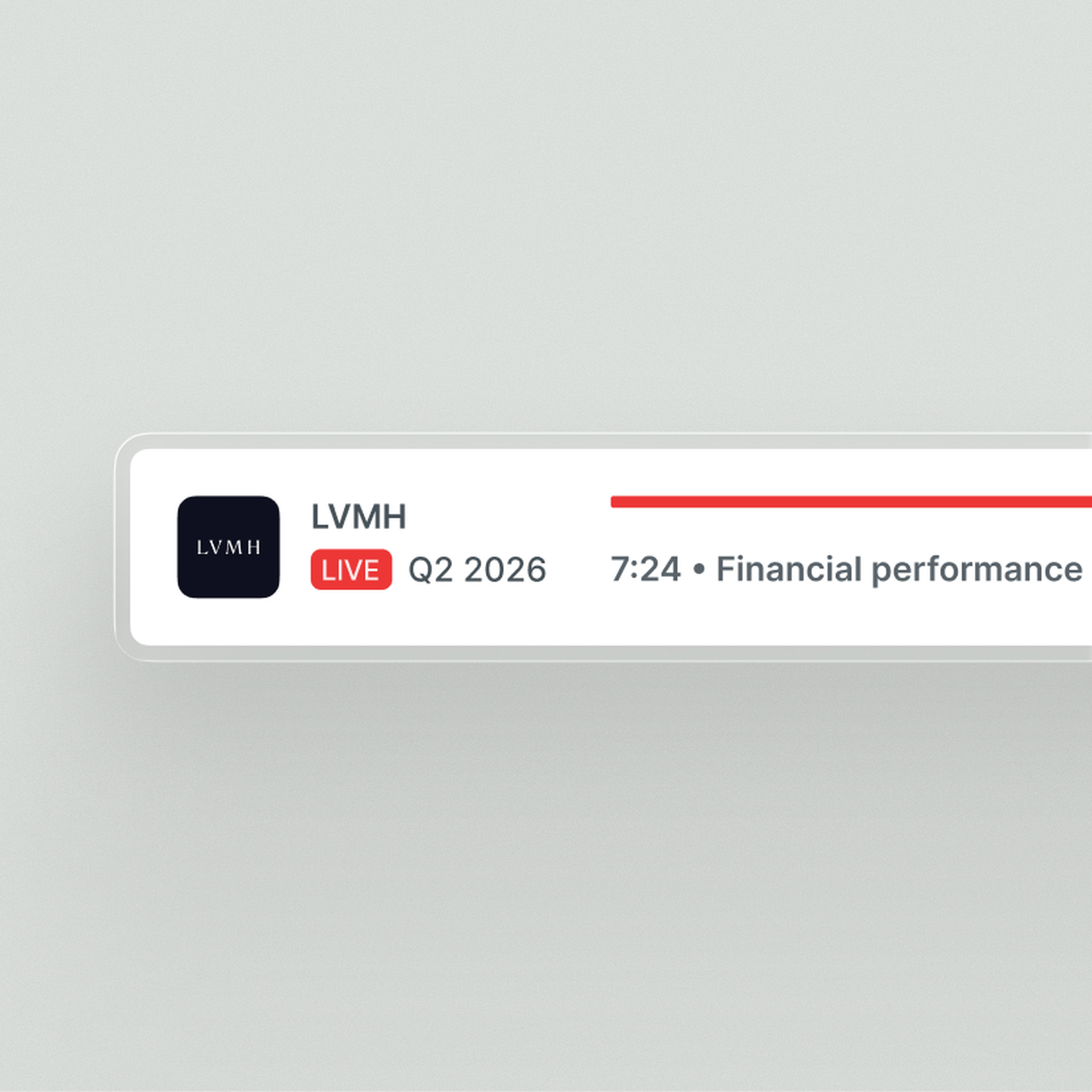
Live audio & transcripts
Quartr's AI stands out because it only pulls clean, first-party data from public companies. In investing, that's everything.
Jamie Ross
Investment Manager, GAM Investments
Research that used to take hours now takes seconds with Quartr Pro. Tracking shifts in tone or extracting tables, it's as simple as typing a query.
Tom O'Hara
Investment Director
Before Quartr we spent hours manually compiling insights through the peer earnings cycle. Now, these tasks are done faster, with greater precision.
Gregg Lampf
VP of Investor Relations
Being able to ask specific questions across years of transcripts and reports and instantly get verified answers is a game-changer.
Pontus Dackmo
CEO & Investment Manager


Moët Hennessy Louis Vuitton SE is a French luxury conglomerate spearheaded by the legendary entrepreneur Bernard Arnault. The conglomerate owns and operates over 60 brands in fashion, jewelry, wines & spirits, and other luxury sectors. The company is headquartered in Paris, France, and is traded on Euronext Paris. A list of brands owned by LVMH includes names such as Louis Vuitton, Hennessy, Fendi, Moët, and many more.
LVMH Moët Hennessy Louis Vuitton emerged in 1987 from the merger of two big names in the luxury sector: fashion house Louis Vuitton and drinks producer Moët Hennessy.
The merger process was facilitated by Bernard Arnault, who acquired a share in the textile group that owned Christian Dior during the 1980s. His vision was clear: unifying powerful luxury brands under one umbrella while preserving their identities and legacies. The merger of Louis Vuitton and Moët Hennessy, which was finalized in 1987, was a strategic move facilitated by Arnault who went on to become chairman and CEO in 1989. Under Arnault's leadership, LVMH not only solidified its position in the luxury market but also diversified its portfolio through acquisitions of reputable brands within the industry.
Further reading: Inside LVMH: The Arnault Family and the Empire's Next Generation
LVMH Moët Hennessy Louis Vuitton operates across six distinct market segments, a testament to the company’s reach within the luxury industry.
Fashion & Leather Goods: This segment houses some of the world's most iconic fashion brands which primarily produce clothing, handbags, and leather accessories.
Selective Retailing: LVMH has a presence in high-end retail through department stores and duty-free shops, primarily in Paris
Perfumes & Cosmetics: LVMH offers a range of premium fragrances, skincare, and makeup products through its brands.
Watches & Jewelry: The company owns several high-end luxury watch brands, as well as companies focusing on other types of jewelry.
Wines & Spirits: LVMH has a broad portfolio of high-end wine and spirit brands, and sells a wide array of various types of champagne, cognac, and other alcoholic beverages.
Other Activities: The broadest of all the different market segments the company is active in. Other Activities include yachting, hotels, amusement parks, and other things.
LVMH can truly be considered a behemoth of the luxury industry. Apart from the companies we’ve already mentioned, LVMH also owns names such as Dom Pérignon, TAG Heuer, Bulgari, Kenzo, Sephora, and many, many more. Some of the closest peers to LVMH would be Kering and Richemont.