Edge16 Oct 2026
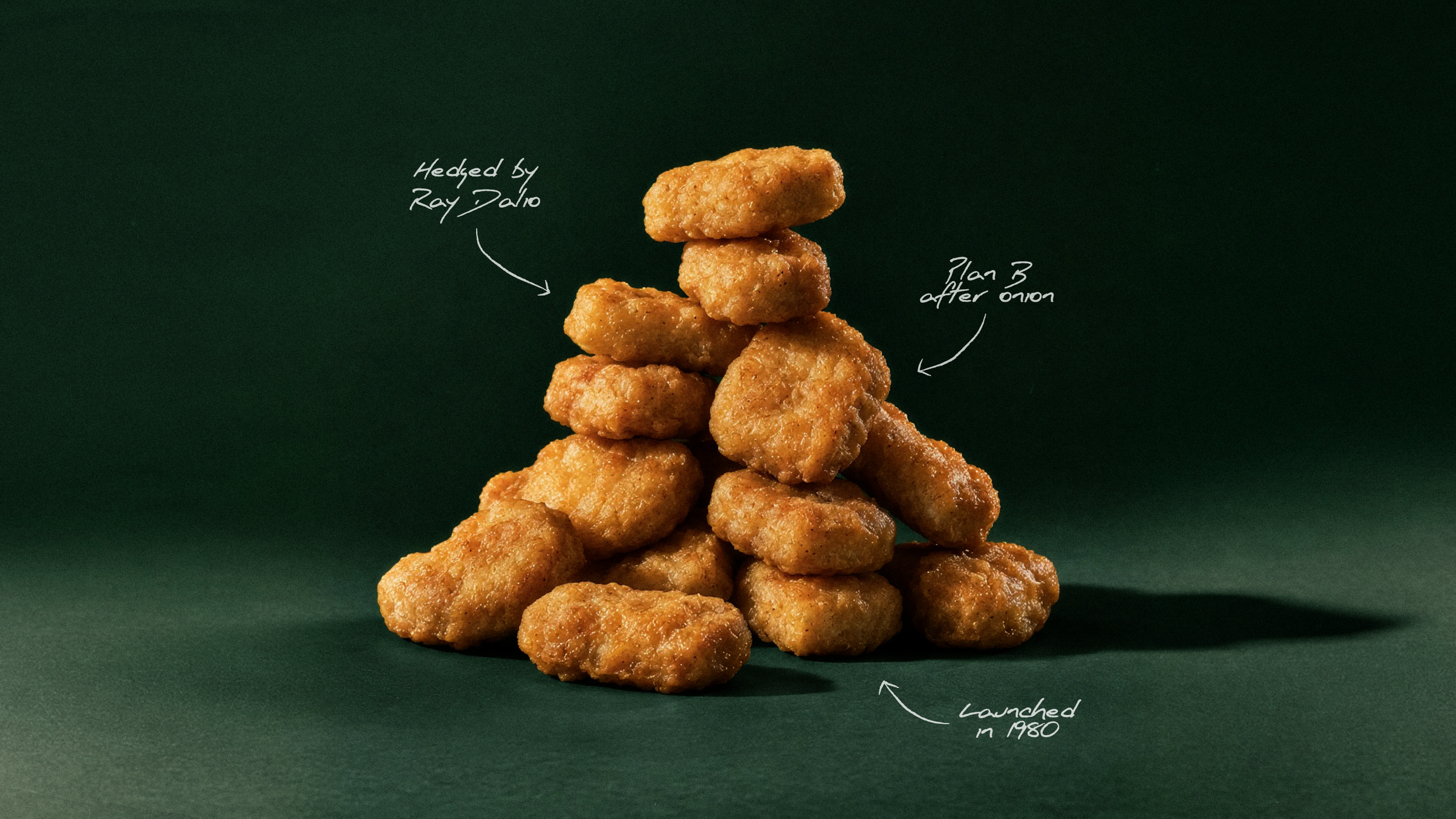
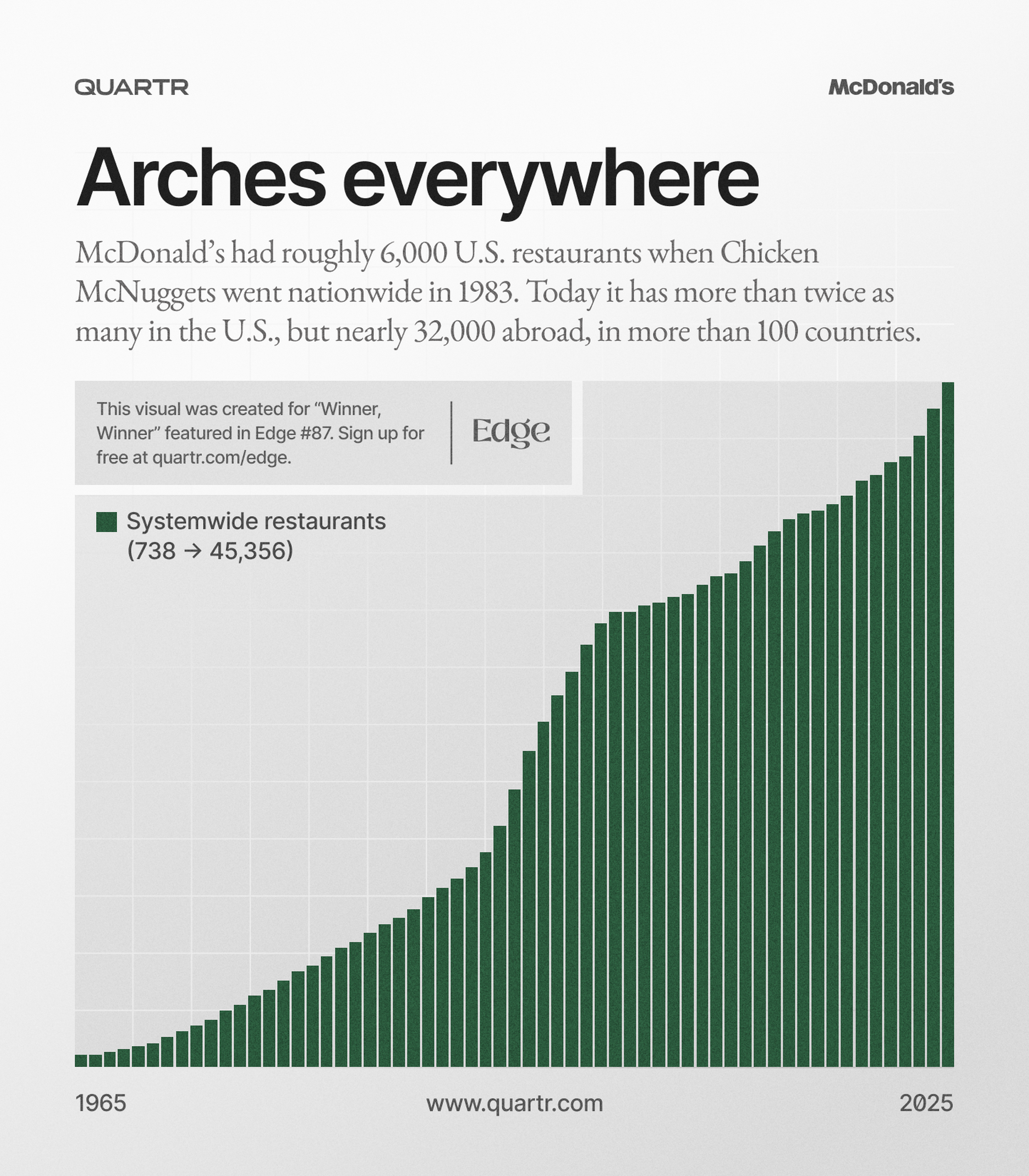
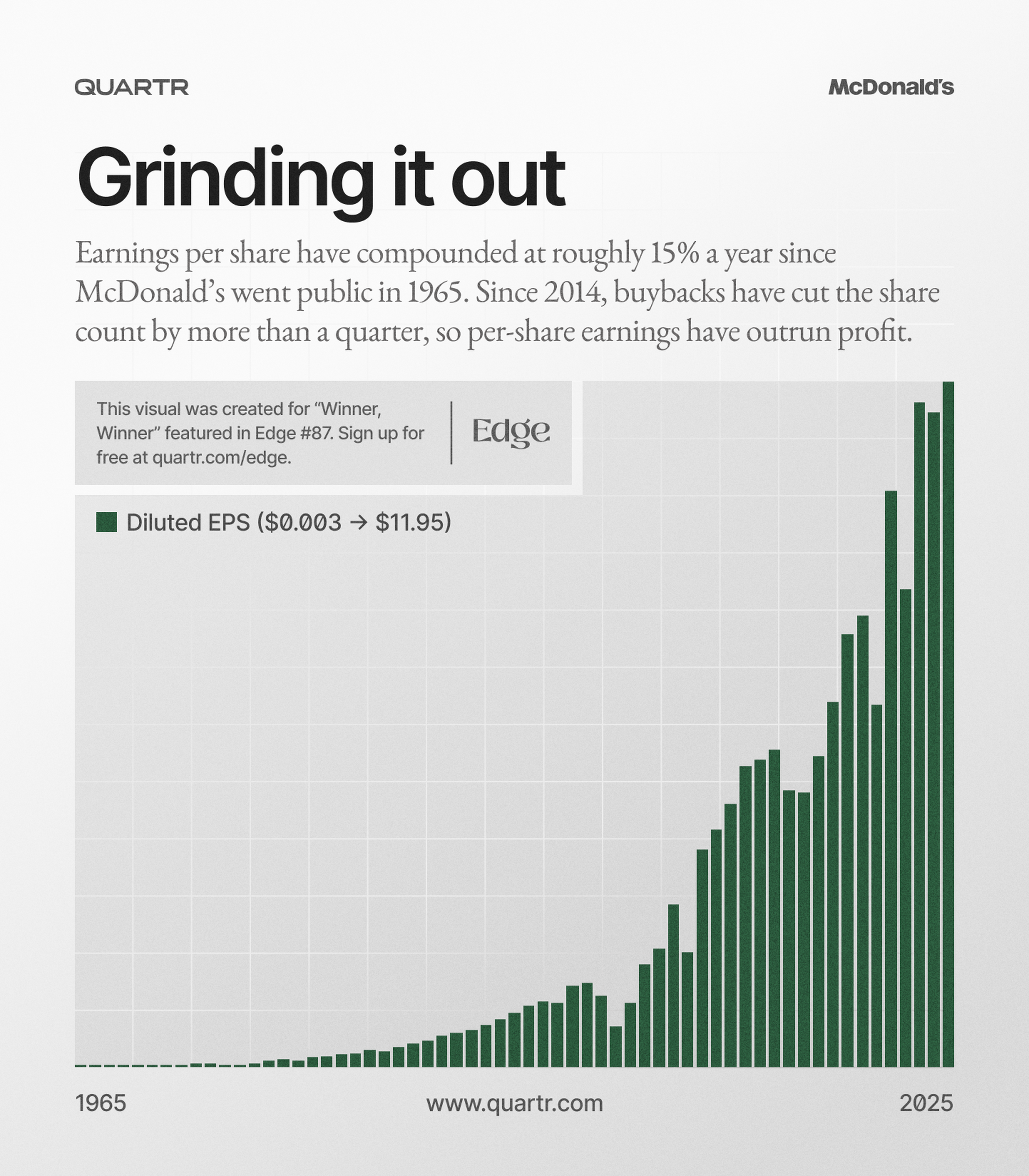
Winner, Winner: The Chicken McNugget Story
How a 1940s breeding contest, a Cornell food scientist, and a hedge by Ray Dalio helped McDonald's turn the Chicken McNugget into a fast-food icon.

Achieved record full year revenue of £677.6 million, up 1.7% year-over-year, despite no UEFA competition participation.
Operating profit for the year reached £22.6 million, reversing a prior year loss of £18.4 million, driven by cost and headcount reductions and improved Premier League performance.
Adjusted EBITDA hit a record £216.4 million, up 18.4% from fiscal 2025.
Net loss for the year was £43.0 million, compared to £33.0 million in the prior year.
Men's team finished 3rd in the Premier League, returning to the UEFA Champions League for 2026/27.
Full year revenue: £677.6 million (+1.7% YoY); Q4 revenue: £157.5 million (-4.0% YoY).
Adjusted EBITDA: £216.4 million (+18.4% YoY); Q4 adjusted EBITDA: £28.9 million (-22.9% YoY).
Operating profit: £22.6 million (vs. £18.4 million loss prior year).
Net loss: £43.0 million (vs. £33.0 million loss prior year).
Commercial revenue fell 4.8% YoY; broadcasting revenue rose 19.6% YoY; matchday revenue fell 4.2% YoY.
Fiscal 2027 revenue guidance: £740–£760 million; adjusted EBITDA guidance: £205–£225 million.
Guidance reflects return to UEFA Champions League and higher player/staff costs.
Club remains compliant with Premier League and UEFA financial regulations.

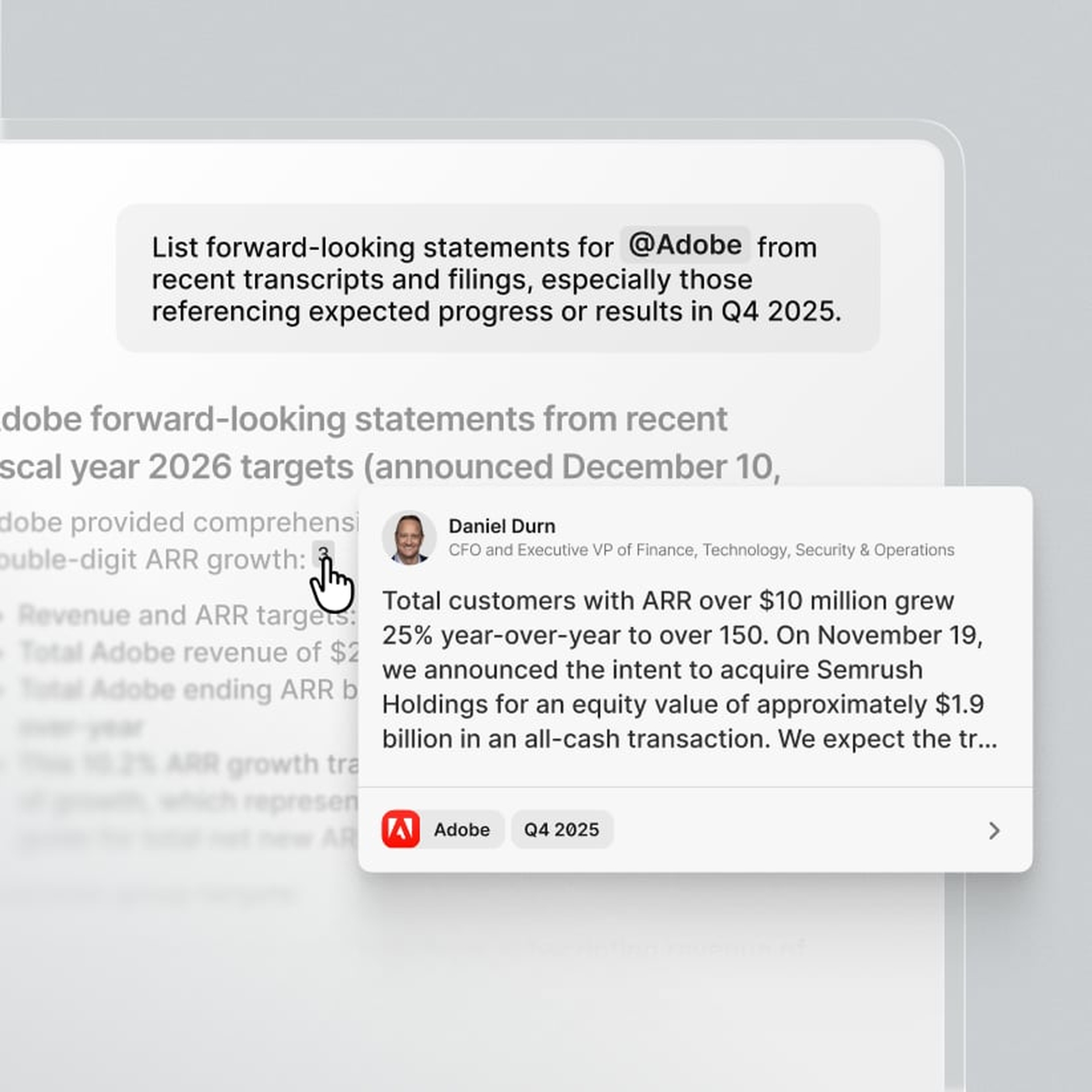
AI chat
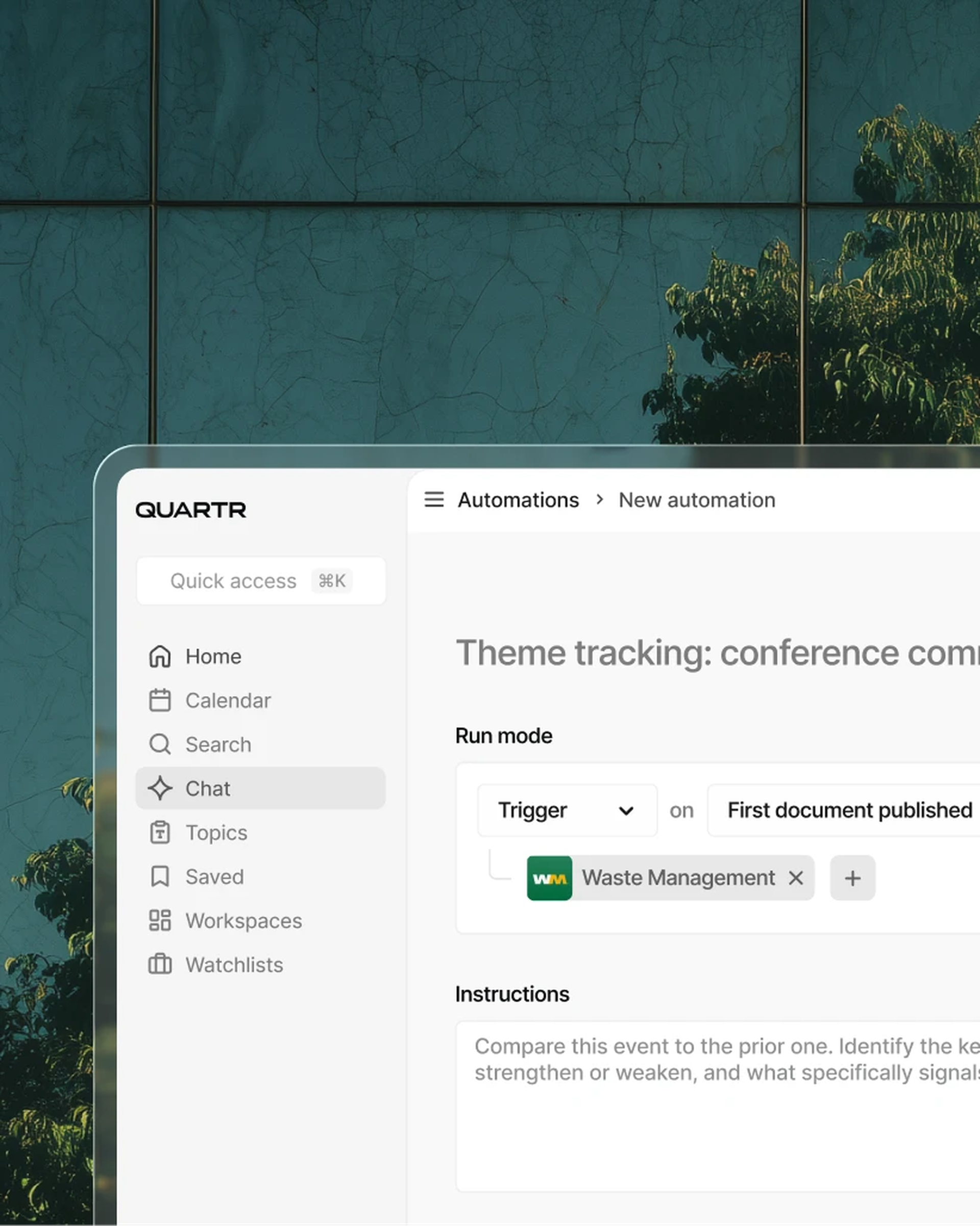
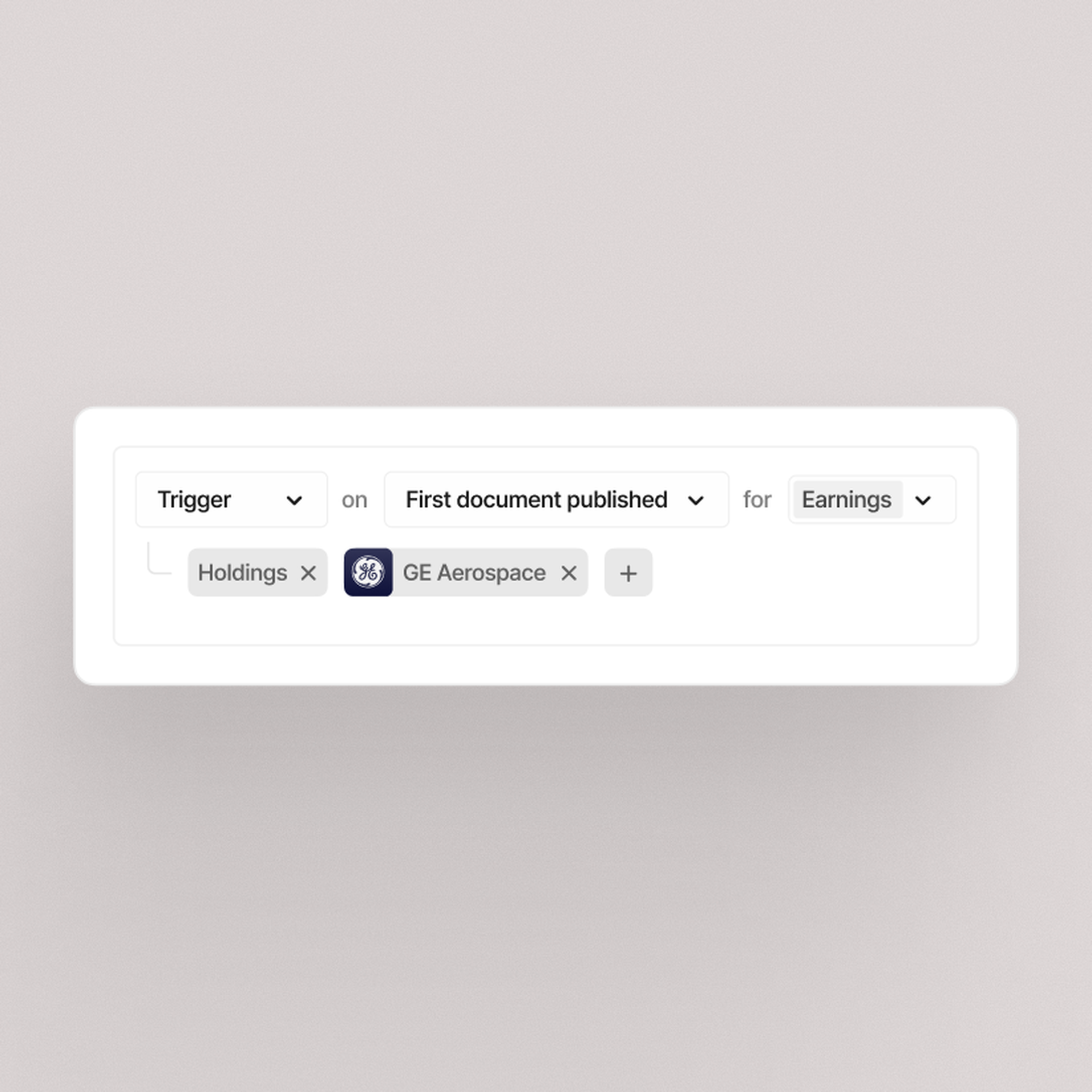
Automations

Live audio & transcripts
Quartr's AI stands out because it only pulls clean, first-party data from public companies. In investing, that's everything.
Jamie Ross
Investment Manager, GAM Investments
Research that used to take hours now takes seconds with Quartr Pro. Tracking shifts in tone or extracting tables, it's as simple as typing a query.
Tom O'Hara
Investment Director
Before Quartr we spent hours manually compiling insights through the peer earnings cycle. Now, these tasks are done faster, with greater precision.
Gregg Lampf
VP of Investor Relations
Being able to ask specific questions across years of transcripts and reports and instantly get verified answers is a game-changer.
Pontus Dackmo
CEO & Investment Manager
Manchester United is a professional football club based in Manchester, England, that competes in the English Premier League. The club was founded in 1878 and has a rich history, having won numerous domestic and international titles throughout the years. Given the extraordinarily successful history, Manchester United's home stadium, Old Trafford, is now called The Theatre of Dreams.
The primary business model of Manchester United is generating revenue through matchday tickets, broadcasting rights, commercial partnerships, and merchandise sales. The club has a global fan base, which it leverages to secure lucrative commercial partnerships with companies such as Adidas, Chevrolet (General Motors), TeamViewer, and Kohler. The club has one of the largest fan bases in the world, with millions of supporters in countries such as China, India, and the United States.
Creating profits within the football industry can be challenging, as the costs associated with player wages, transfer fees, and stadium operations can be significant. Additionally, football clubs are subject to fluctuations in revenue based on their on-field success, with winning trophies often leading to increased revenue through merchandise sales and sponsorship deals.
In recent years, Manchester United has experienced mixed financial results. The club reported record revenues of £627.1 million in the 2018/19 season, primarily due to increased broadcasting and commercial revenue. However, the COVID-19 pandemic had a significant impact on the club's financial performance, with revenue dropping to £509 million in the 2019/20 season due to the absence of matchday revenue. Despite this, Manchester United remains one of the wealthiest football clubs in the world, with a valuation of over $4 billion.