

Edge16 Oct 2026
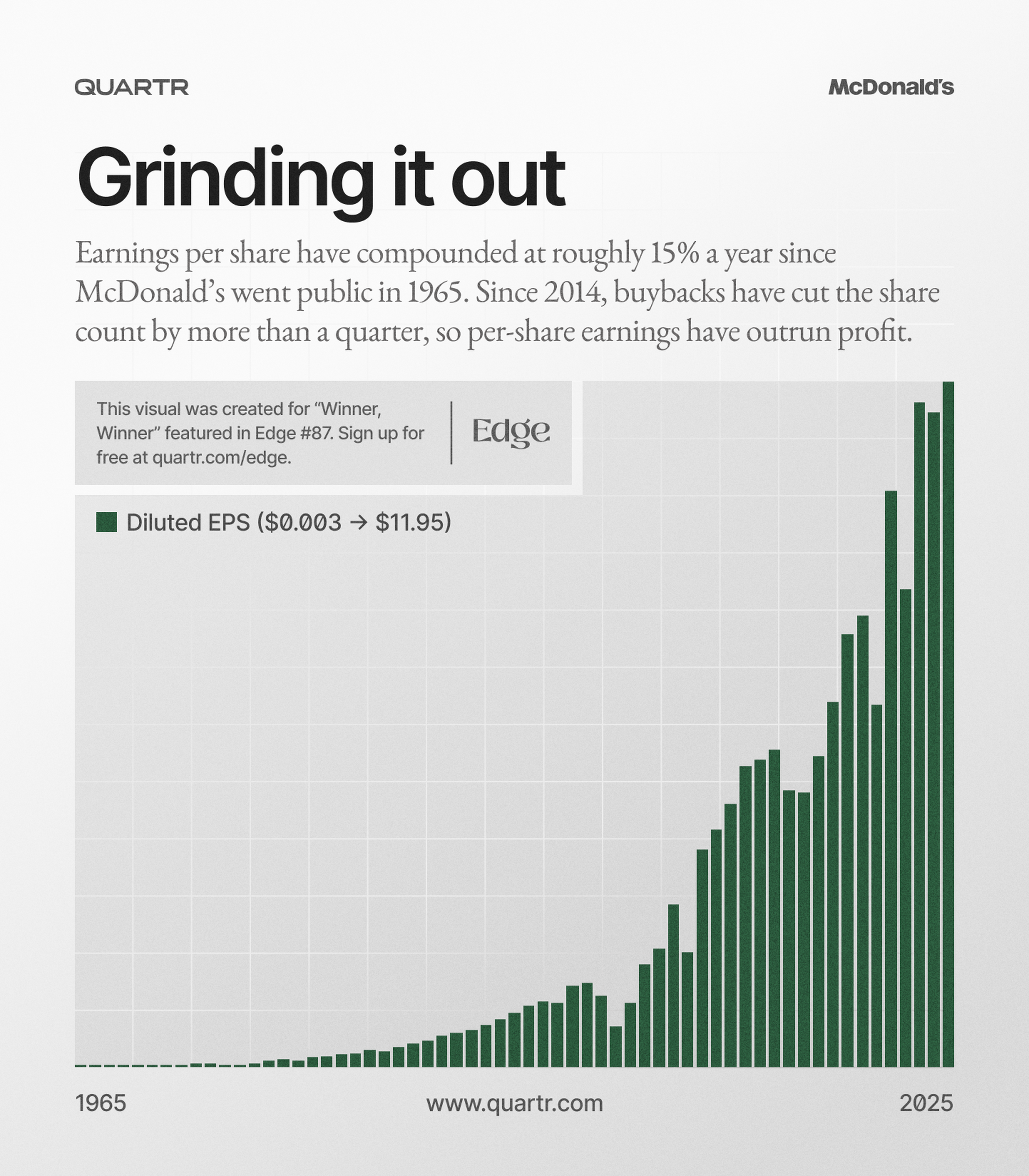
Winner, Winner: The Chicken McNugget Story
How a 1940s breeding contest, a Cornell food scientist, and a hedge by Ray Dalio helped McDonald's turn the Chicken McNugget into a fast-food icon.

Nine new medicines and vaccines approved in recent years mark the transition toward a post-KEYTRUDA portfolio; management expects data-rich months ahead across Phase III and Phase II proof-of-concept studies.
Upcoming proof-of-concept work includes alimatravir and tulisokibart; recent Phase III readouts include sacituzumab, intismeran autogene and the HIV portfolio.
Management said diversification and following the science remain the strategy, while acknowledging that some programs will not succeed.
INTerpath-001 melanoma results are informing analyses of efficacy, patient selection and algorithms; Phase II studies will test the program’s breadth, including KEYTRUDA dependence, IO responsiveness, monotherapy and combinations such as BCG.
Response may depend on HLA and the tumor microenvironment, not TMB alone; metastatic studies are also underway.
Renal cancer is a key test in a TMB-low population, helping distinguish whether vaccine activity depends on TMB, KEYTRUDA responsiveness or both.
INT generates neoantigens, but whether this translates into efficacy remains a question; analyses will examine mutation selection, HLA matching and a large dataset spanning over 1,000 genomes.
In early-stage disease, management favors testing INT without pembrolizumab to limit autoimmune risks; bladder studies will compare INT alone with INT plus BCG, while a high-risk stage I Phase III readout may take ~10 years.
Melanoma responses built over time after early months with limited response, consistent with nine-dose priming and boosting; management cautioned against overreacting to interim analyses.
INT added to pembrolizumab is expected mainly to increase injection-site reactions; accelerated approval considerations include benefit magnitude, confidence intervals, signal clarity, unmet need and supporting data from other tumors.
FDA wants US patients and sufficiently mature US data; trials are being designed to front-load US enrollment so regional results can be assessed for consistency.

AI chat

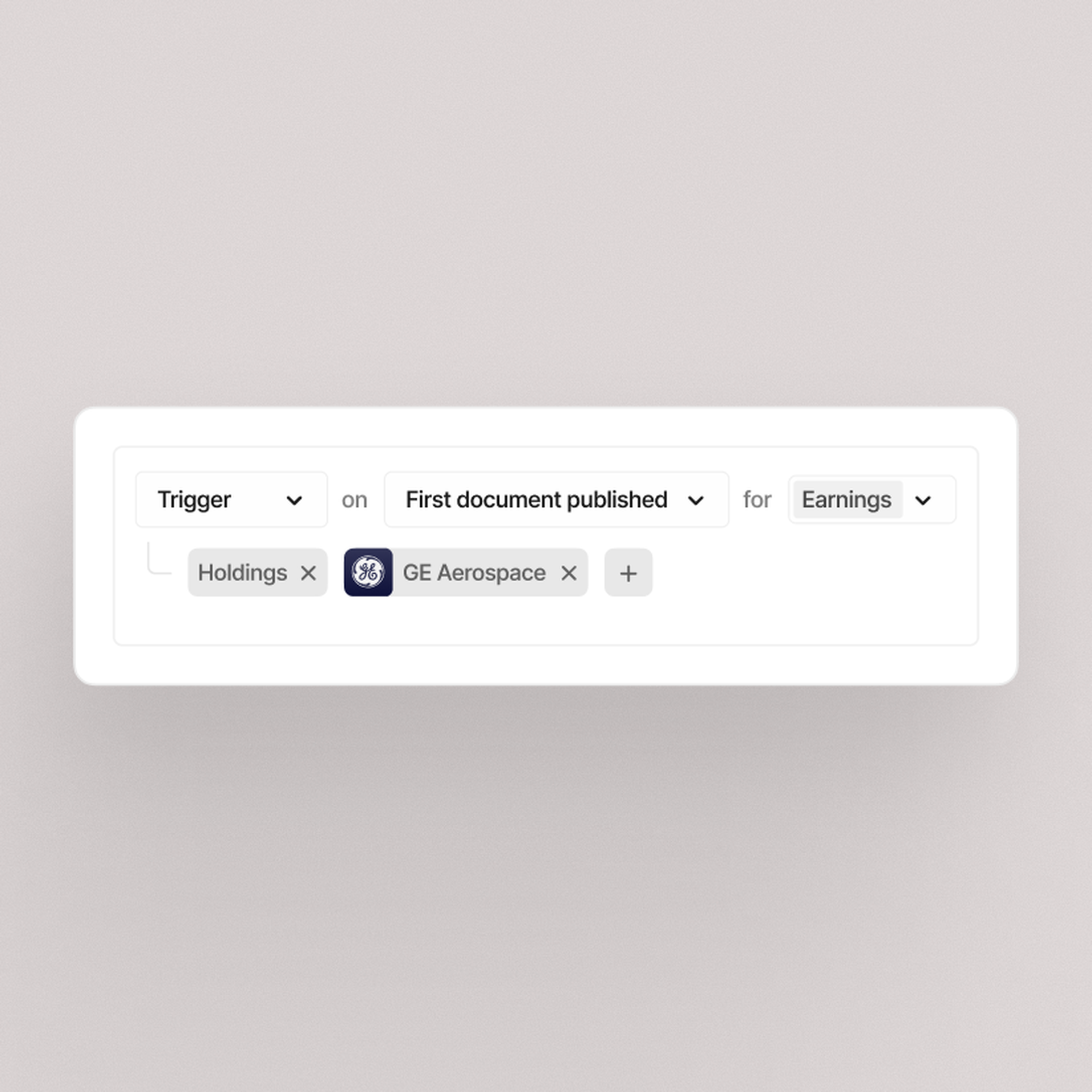
Automations

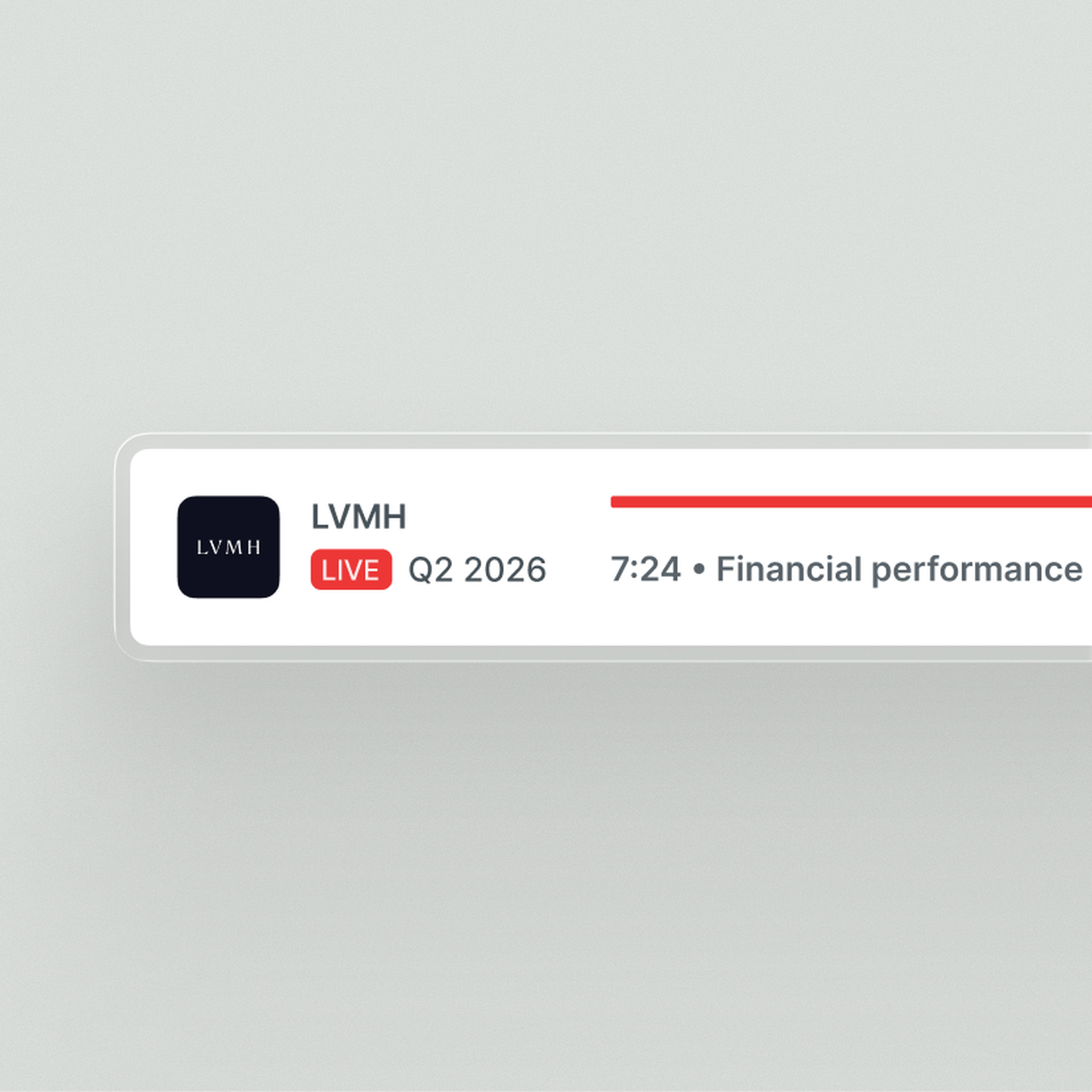
Live audio & transcripts

Quartr's AI stands out because it only pulls clean, first-party data from public companies. In investing, that's everything.
Jamie Ross
Investment Manager, GAM Investments
Research that used to take hours now takes seconds with Quartr Pro. Tracking shifts in tone or extracting tables, it's as simple as typing a query.
Tom O'Hara
Investment Director
Before Quartr we spent hours manually compiling insights through the peer earnings cycle. Now, these tasks are done faster, with greater precision.
Gregg Lampf
VP of Investor Relations
Being able to ask specific questions across years of transcripts and reports and instantly get verified answers is a game-changer.
Pontus Dackmo
CEO & Investment Manager

Merck & Co., commonly known as Merck, is a global pharmaceutical company that specializes in the development and manufacturing of prescription drugs, vaccines, biological therapies, and animal health products. With a storied history dating back over a century, Merck has established itself as a leading player in the healthcare industry. The company's portfolio of products spans various therapeutic areas, including cardiovascular, oncology, infectious diseases, and more.
Since its establishment in 1891, Merck has played a significant role in advancing medical research and innovation and has a long history of notable contributions to healthcare. They have developed antibiotics like streptomycin, vaccines for diseases such as mumps and HPV, and antiretroviral therapies for HIV/AIDS treatment. Their advancements in cardiovascular medications and statins have significantly impacted heart disease management.
Today the company focuses on the development, manufacturing, and distribution of a diverse range of prescription drugs, vaccines, and biological therapies. With a commitment to scientific rigor, research, and providing products and medication that improve the lives of ill patients, Merck strives to address various health challenges and contribute to the well-being of individuals globally. Merck is far from being alone when it comes to publicly traded pharmaceutical companies, and some companies that operate in the same space include names such as Pfizer and Eli Lilly.
Merck & Co. develops and manufactures a wide range of medications. Their portfolio of products includes medications for cardiovascular diseases, such as hypertension and hyperlipidemia, as well as anticoagulants and antiplatelet agents. They also offer therapeutics for infectious diseases, including antibiotics, antifungals, and antiviral drugs. In oncology, Merck provides targeted therapies and immunotherapies for different types of cancer. Additionally, they offer medications for diabetes management, respiratory diseases, autoimmune disorders, and more. The company’s flagship medication is Keytruda, which enhances the body’s ability to fight certain types of cancers.