Edge16 Oct 2026
Winner, Winner: The Chicken McNugget Story
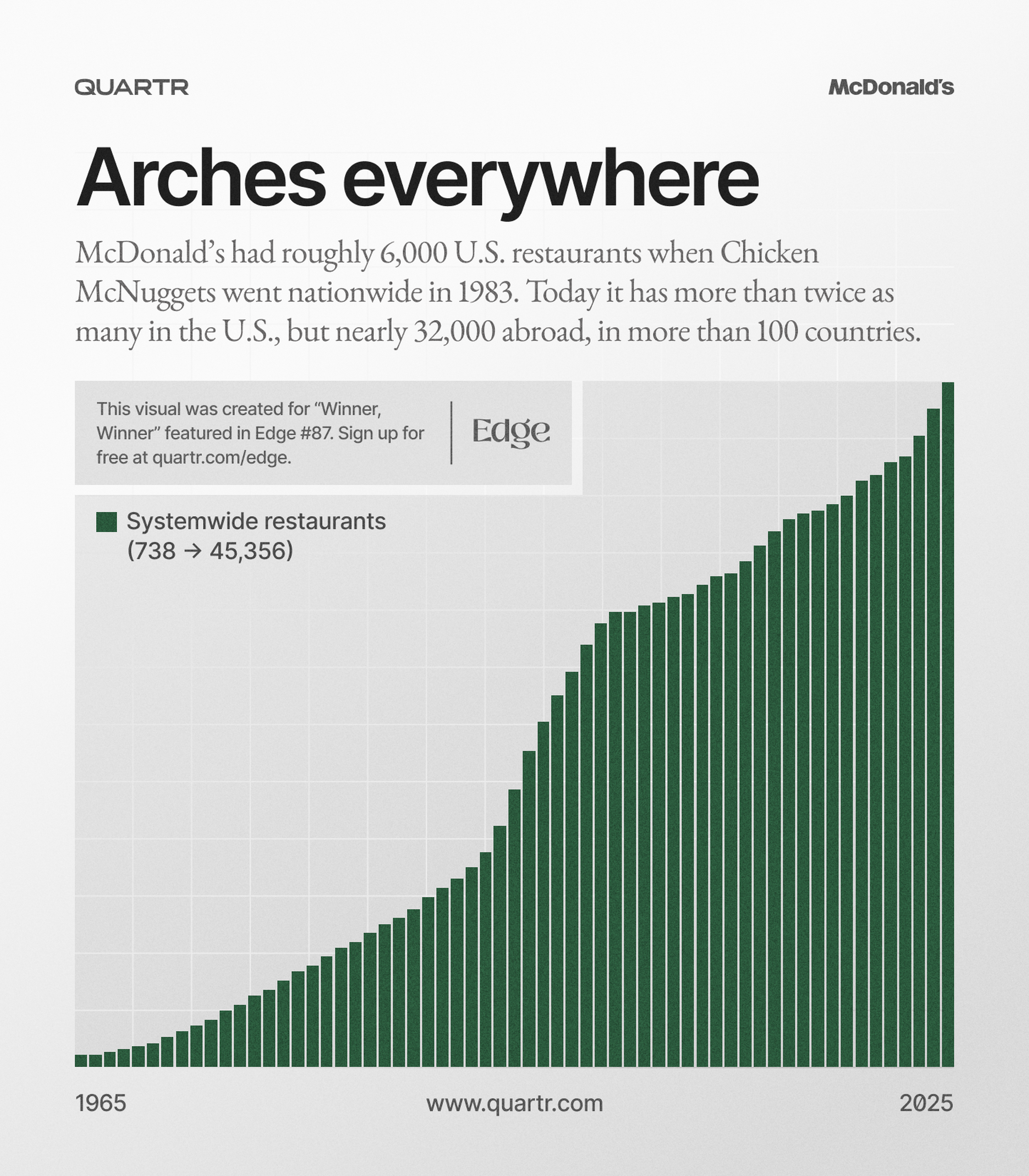
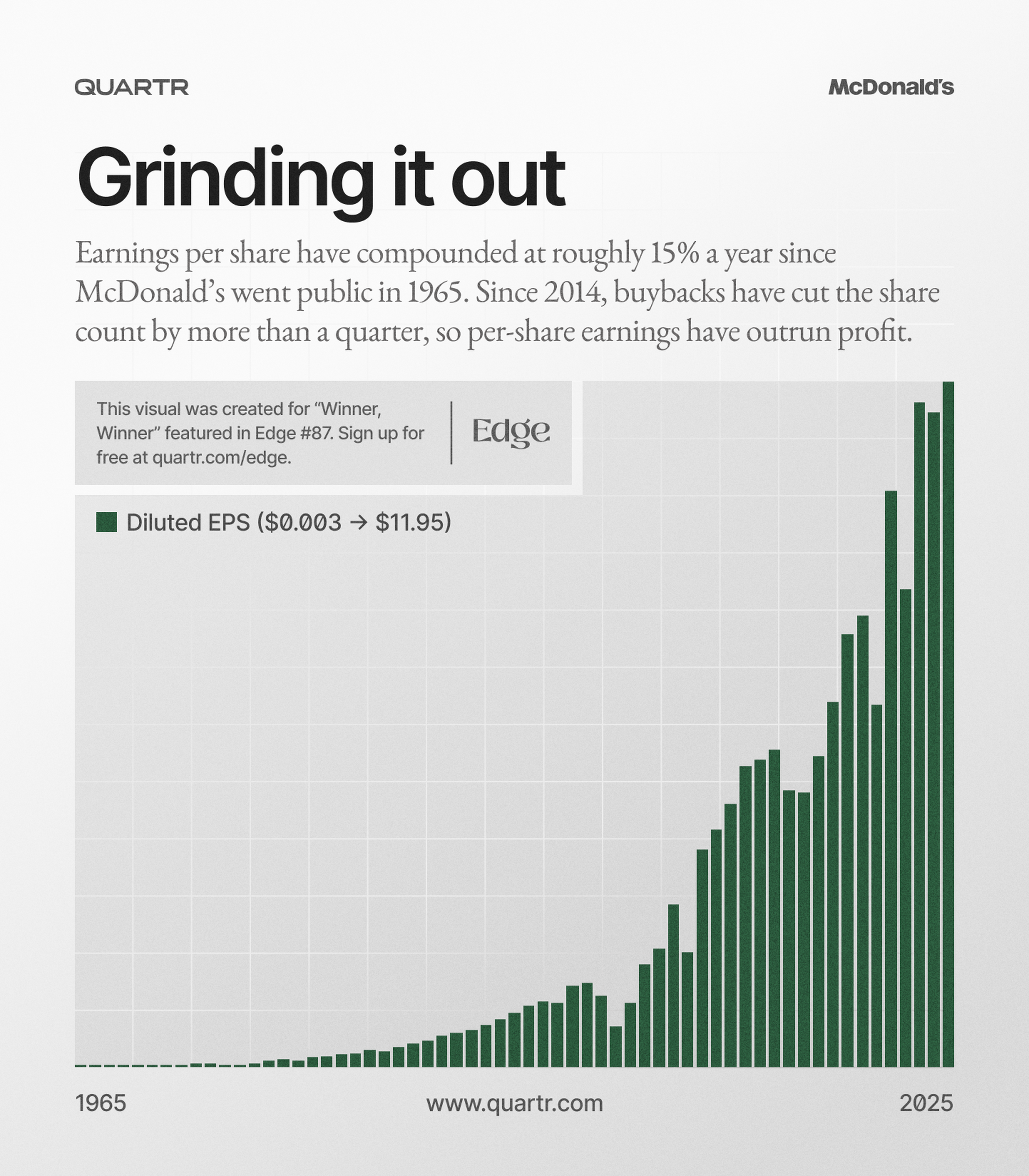
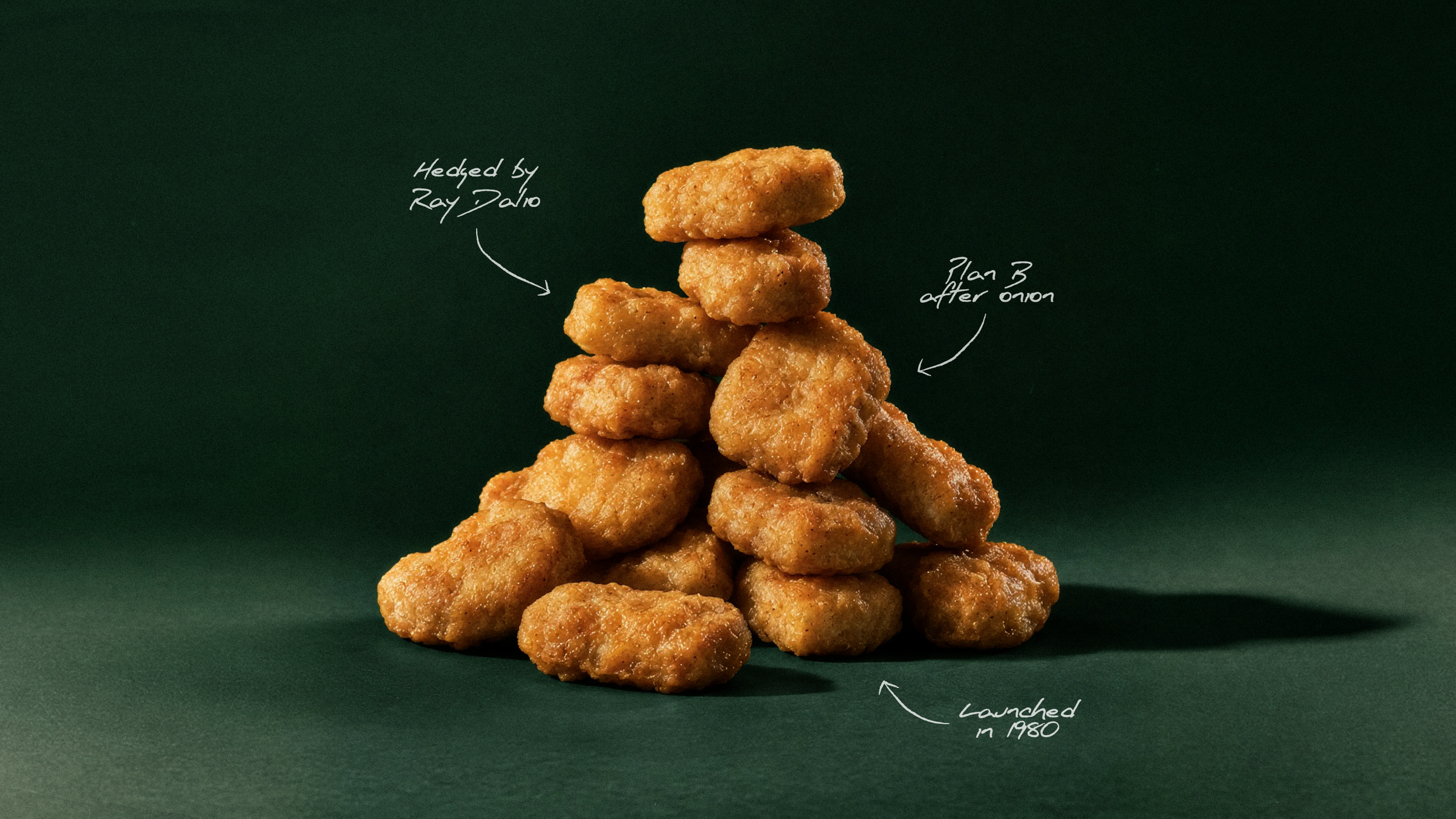
How a 1940s breeding contest, a Cornell food scientist, and a hedge by Ray Dalio helped McDonald's turn the Chicken McNugget into a fast-food icon.

Incumbents were generally replaced by more market-friendly, less state-interventionist administrations; the regional investment and policy outlook was viewed as improved, with gains partly reflected in asset prices.
Latin American currencies, equities and corporate bonds recorded significant asset appreciation over the trailing 12 months, reflecting a positive reading of election outcomes.
The election results were attributed mainly to dissatisfaction with incumbent governments, not a regional extension of U.S. politics or foreign policy.
Brazil was characterized as a liberal democracy with robust reserves, a large trade surplus and strong FDI; remaining currency volatility was not attributed to weak external accounts.
Agribusiness and mining remain globally competitive; oil and gas exports contributed more to this year’s trade surplus than soft commodities.
Fiscal pressures include a consolidated deficit near 10% of GDP and debt at 83% of GDP; the primary imbalance was cited at 0.5% of GDP, with high interest costs driving the deficit.
Market-friendly forces hold about 80% of Senate seats and 75% of the lower house; the current fiscal package targets 0.5% of GDP consolidation, below market expectations.
Brazil’s policy rate is 13.75%; credible fiscal measures could enable cuts toward 10% over 24–36 months, although global rates, fiscal delivery and economic-team credibility are key constraints.
Brazilian assets were described as inexpensive: equities 1.5 standard deviations below long-term averages, currency 12%–15% undervalued on purchasing-power estimates, and long-term rates nearly two standard deviations above average.
Long-term investment interest in Brazil includes transport concessions, critical minerals, reforestation and renewable energy; discussions with global investors were described as active.
Brazilian credit opportunities include FIDCs amid bank disintermediation, alongside infrastructure projects with development risk and pent-up demand.
Latin American alternatives remain underpenetrated: institutional allocations were cited at 3%–4%, versus 12%–20% in some advanced-economy pension plans; trailing 12-month fundraising reached nearly $9B, a record.
Chilean and Peruvian infrastructure can offer contracted dollar revenues and double-digit yields; critical minerals are attracting competition between Chinese and U.S. investors.

AI chat
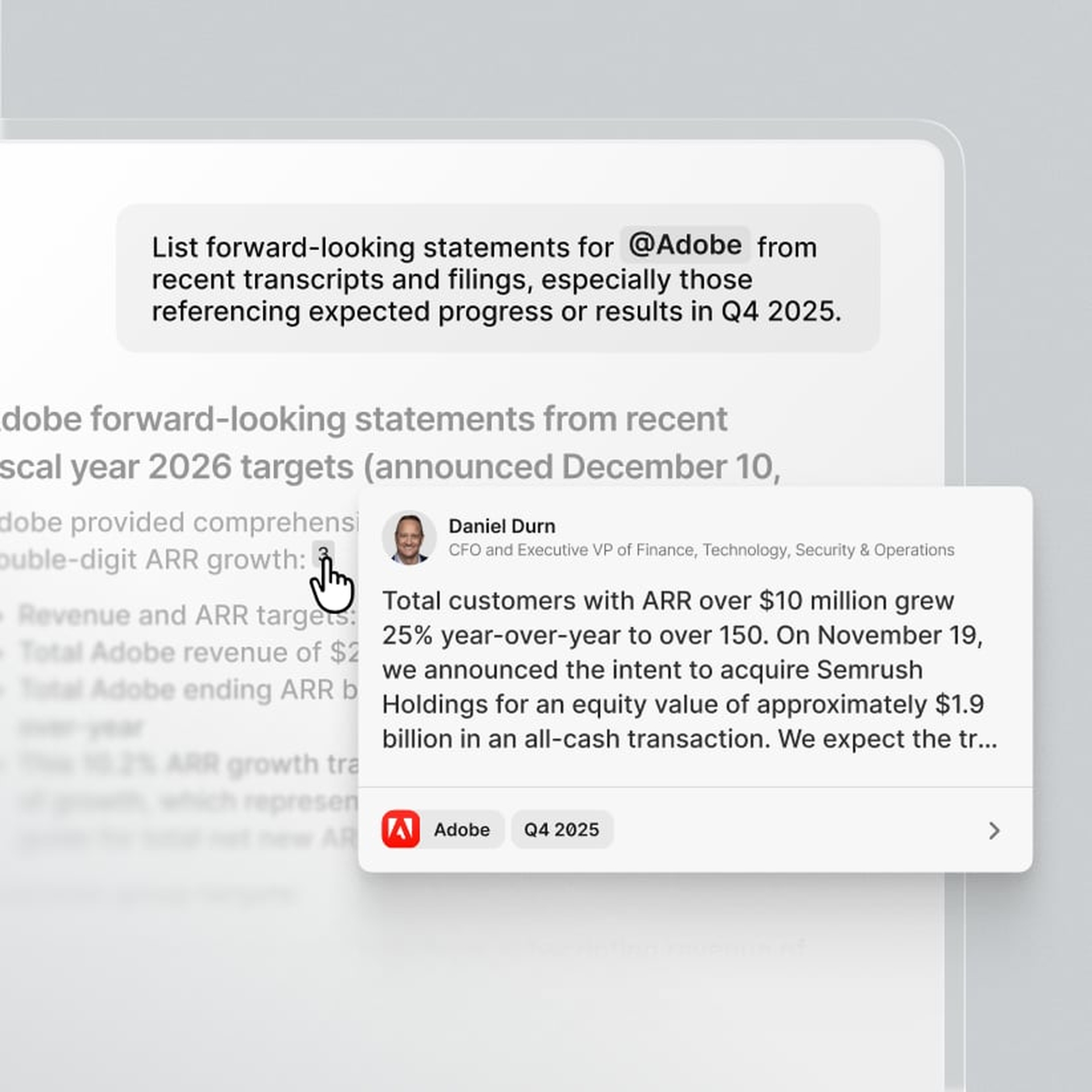
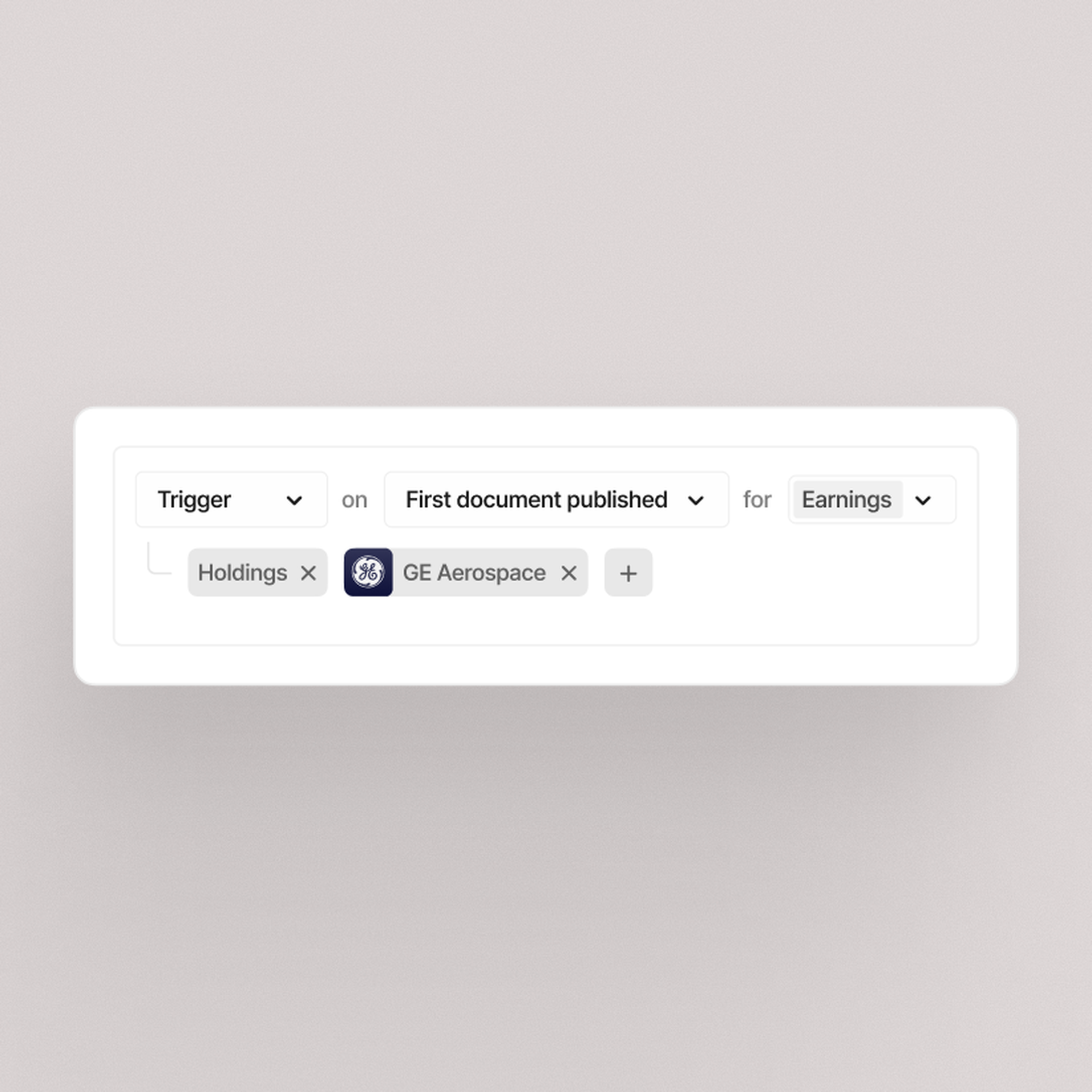
Automations

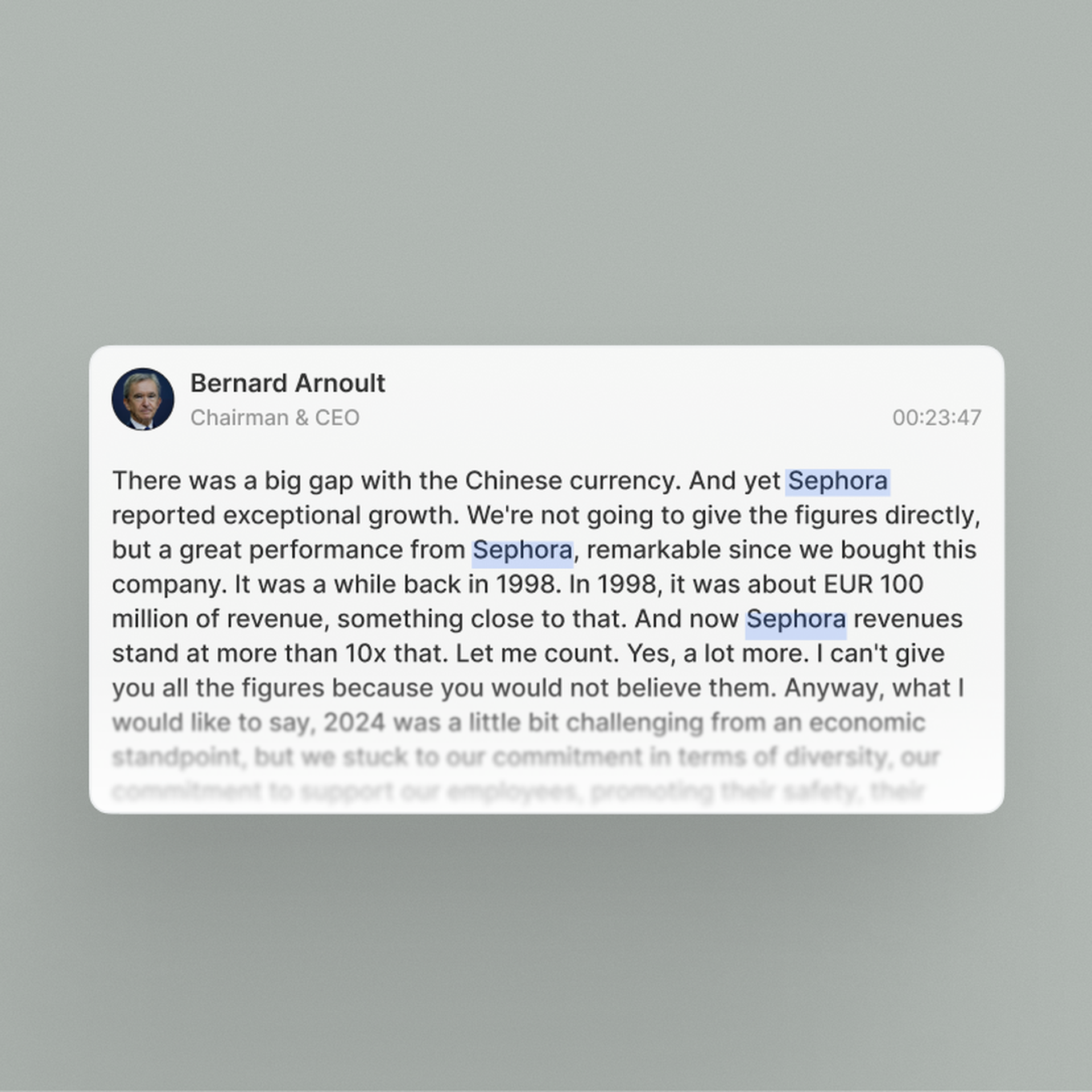
Live audio & transcripts
Quartr's AI stands out because it only pulls clean, first-party data from public companies. In investing, that's everything.
Jamie Ross
Investment Manager, GAM Investments
Research that used to take hours now takes seconds with Quartr Pro. Tracking shifts in tone or extracting tables, it's as simple as typing a query.
Tom O'Hara
Investment Director
Before Quartr we spent hours manually compiling insights through the peer earnings cycle. Now, these tasks are done faster, with greater precision.
Gregg Lampf
VP of Investor Relations
Being able to ask specific questions across years of transcripts and reports and instantly get verified answers is a game-changer.
Pontus Dackmo
CEO & Investment Manager