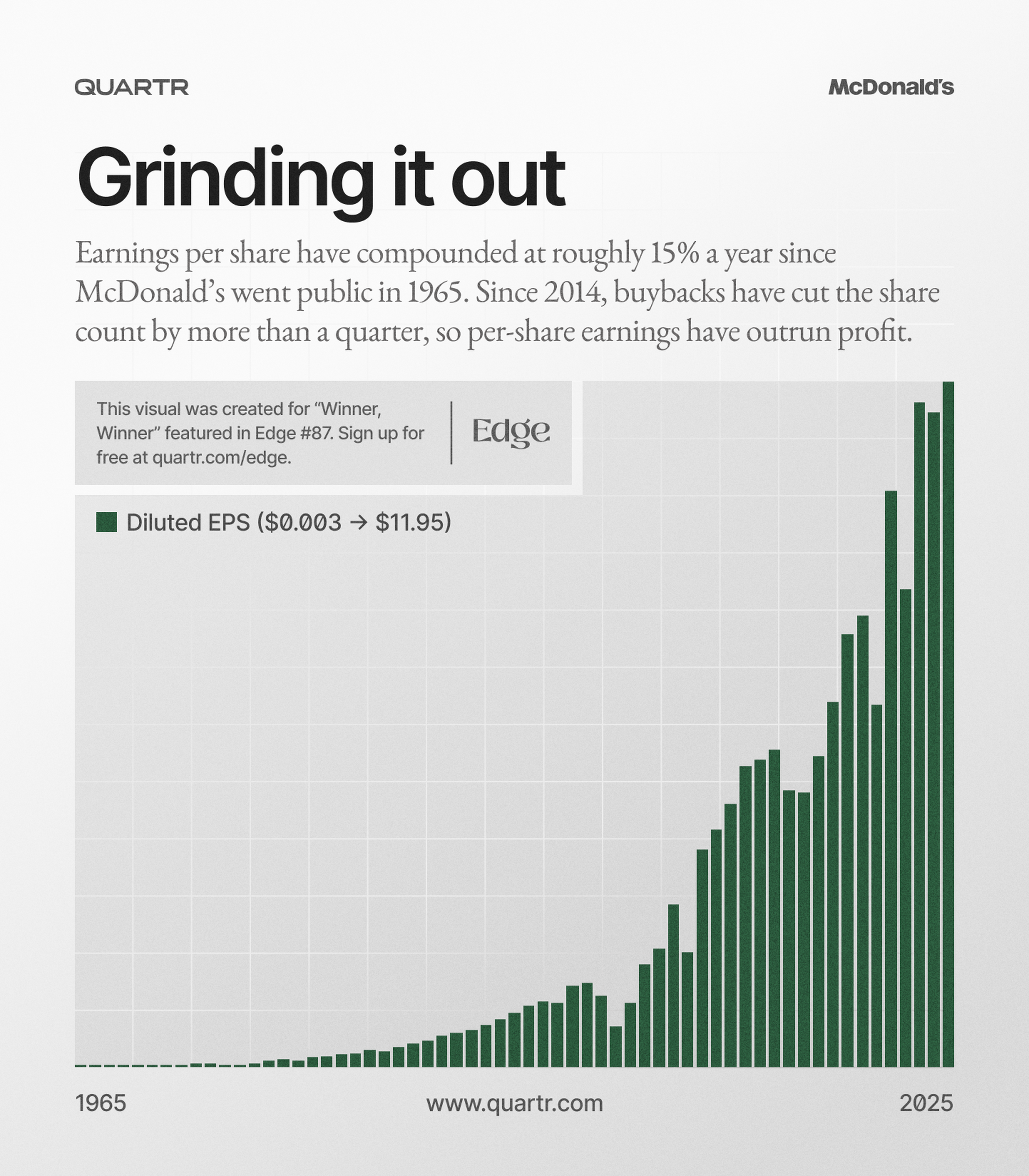

Edge16 Oct 2026
Winner, Winner: The Chicken McNugget Story
How a 1940s breeding contest, a Cornell food scientist, and a hedge by Ray Dalio helped McDonald's turn the Chicken McNugget into a fast-food icon.

2027 catalysts include TX45 phase II Group 2 PH/HFpEF data expected between JPMorgan and the end of January.
TX45 PH-ILD study is enrolling; interim data from the single-arm study of ~20–25 patients expected in H2 2027.
TX2100 phase I-B in HHT patients requiring hematologic support expected to start by year-end 2026, with interim data by end-2027; HHT phase II for moderate-to-severe epistaxis planned for early 2027.
Cash runway extends to Q1 2029, covering APEX data, TX45 studies and HHT phase I/II work; another program may enter IND-enabling studies and the clinic.
HHT affects 75,000–80,000 patients in the U.S. and over 1 million worldwide; TX2100 targets APJ, aiming for selective anti-angiogenesis with efficacy and safety advantages over existing unapproved therapies.
APJ is primarily expressed in endothelial cells and signals through AKT, ERK and cyclic AMP; preclinical models suggest APJ antagonism may improve endothelial junction architecture and vessel stability.
NHP testing up to 100 mg/kg showed no dose-limiting toxicity in a 13-week study; single-dose healthy-volunteer data showed no emerging safety issue, and preliminary multiple-dose data looked favorable.
Dose selection drew on exposure linked to maximal efficacy in two severe mouse models and healthy-volunteer receptor-occupancy estimates; preliminary multiple-dose results appeared within the target range.
Phase I-B targets ~20 severe bleeders treated for six months, assessing hematologic support and hemoglobin; targets include ~30% lower transfusion needs or ~1 g higher hemoglobin.
The APEX thesis focuses on HFpEF with PVR >3, where relaxin may lower PVR and wedge pressure while raising cardiac output; phase I-B showed those hemodynamic effects.
The CEO attributed prior heart-failure safety concerns to dose and enrollment of recently hospitalized, fluid-overloaded patients; two later relaxin programs showed no increase in HF hospitalizations, and DSMB reviews found no apparent safety issue.
Oral relaxin data showed sustained cardiac-output increases and systemic-vascular-resistance decreases through six months; the lowest dose had the best efficacy, supporting the dose-response hypothesis.
APEX uses 300 Q4 and 300 Q2 regimens; the CEO said 300 Q4 may have better efficacy and expected data in two to three months, with exposure-response analysis planned if efficacy emerges.
Phase II is not powered for six-minute walk; the stated efficacy goal is a strong numeric trend, with 15–20 m described as clinically relevant. Phase III endpoint selection will follow the data, including consideration of time to clinical worsening.

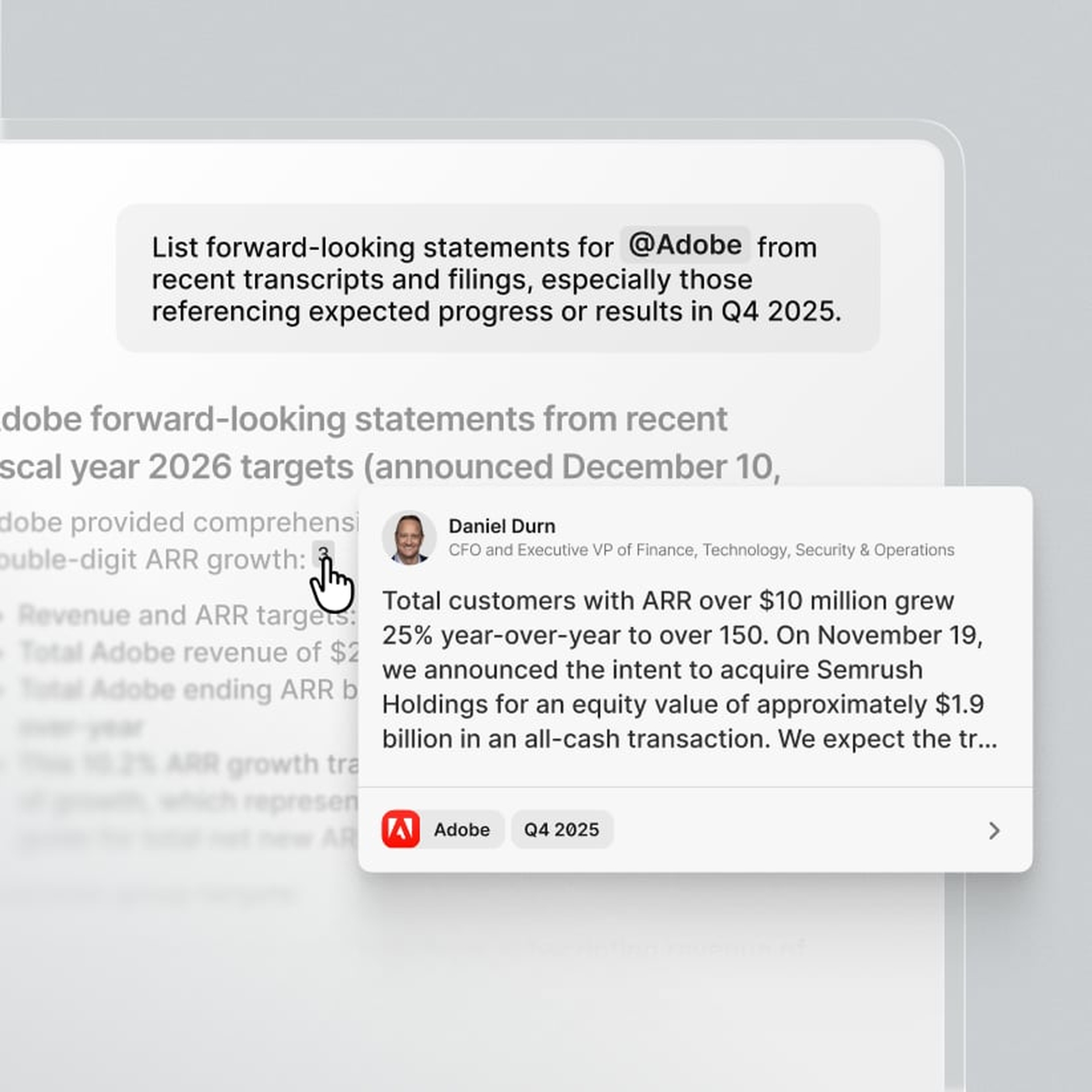
AI chat
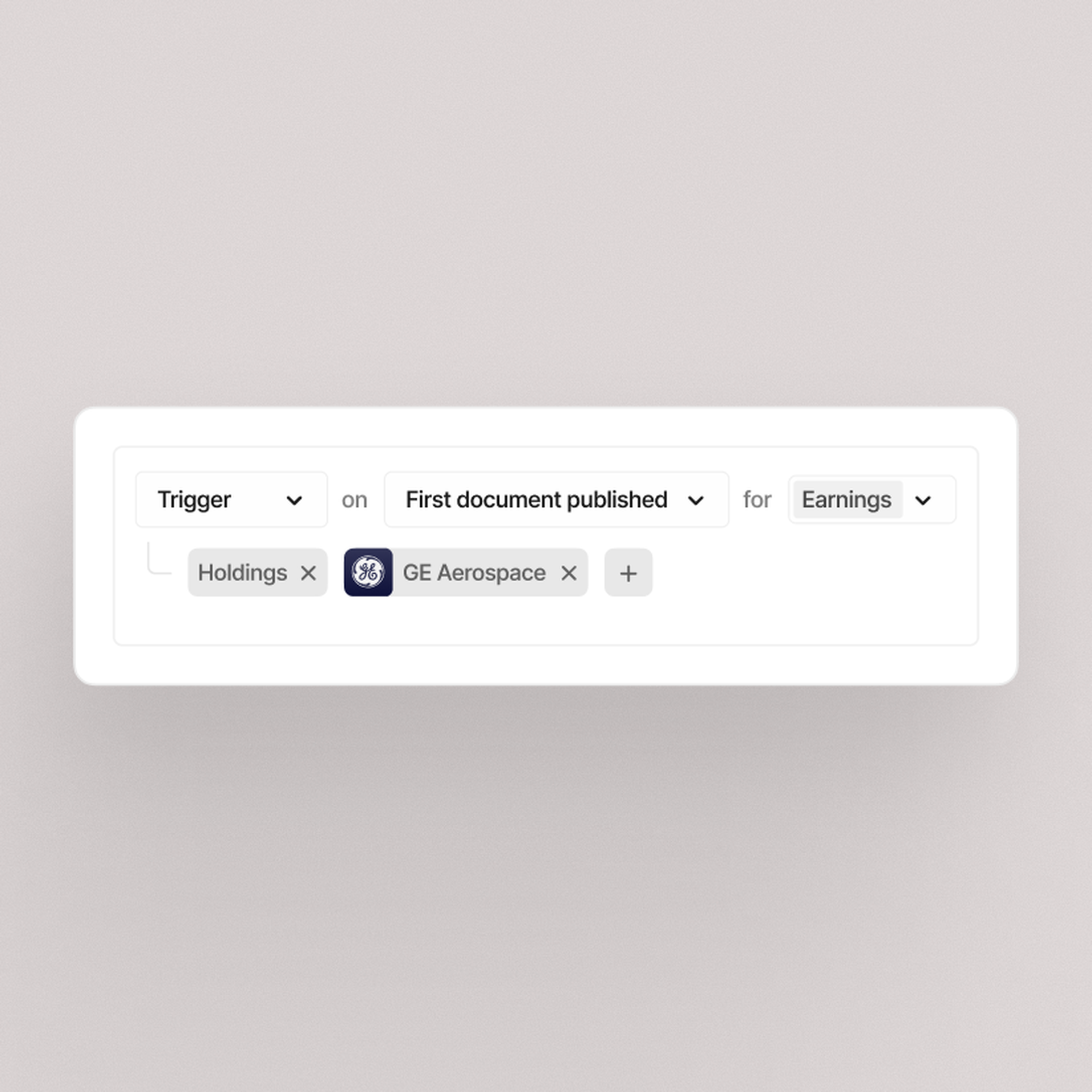
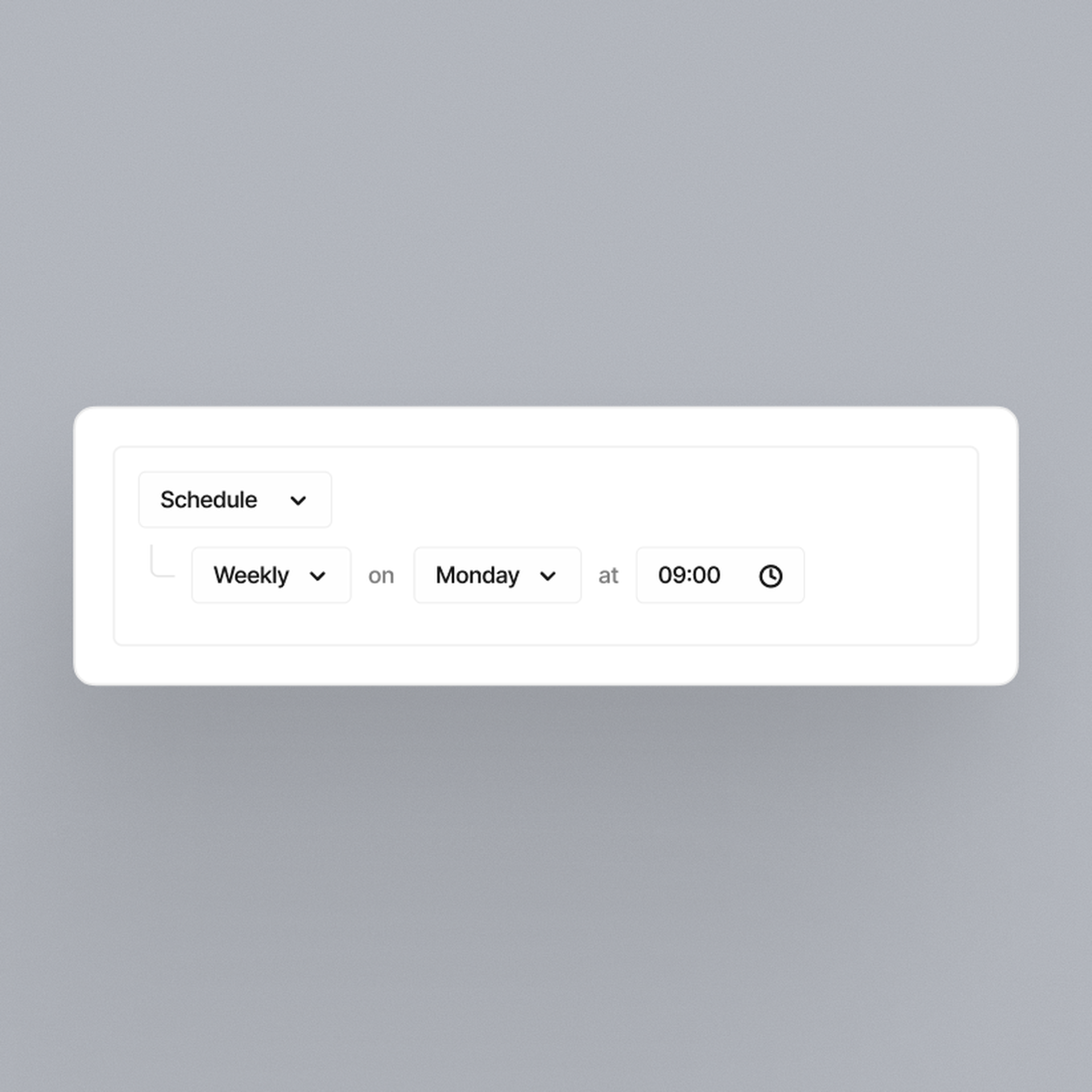
Automations
Live audio & transcripts

Quartr's AI stands out because it only pulls clean, first-party data from public companies. In investing, that's everything.
Jamie Ross
Investment Manager, GAM Investments
Research that used to take hours now takes seconds with Quartr Pro. Tracking shifts in tone or extracting tables, it's as simple as typing a query.
Tom O'Hara
Investment Director
Before Quartr we spent hours manually compiling insights through the peer earnings cycle. Now, these tasks are done faster, with greater precision.
Gregg Lampf
VP of Investor Relations
Being able to ask specific questions across years of transcripts and reports and instantly get verified answers is a game-changer.
Pontus Dackmo
CEO & Investment Manager