Edge16 Oct 2026
Winner, Winner: The Chicken McNugget Story
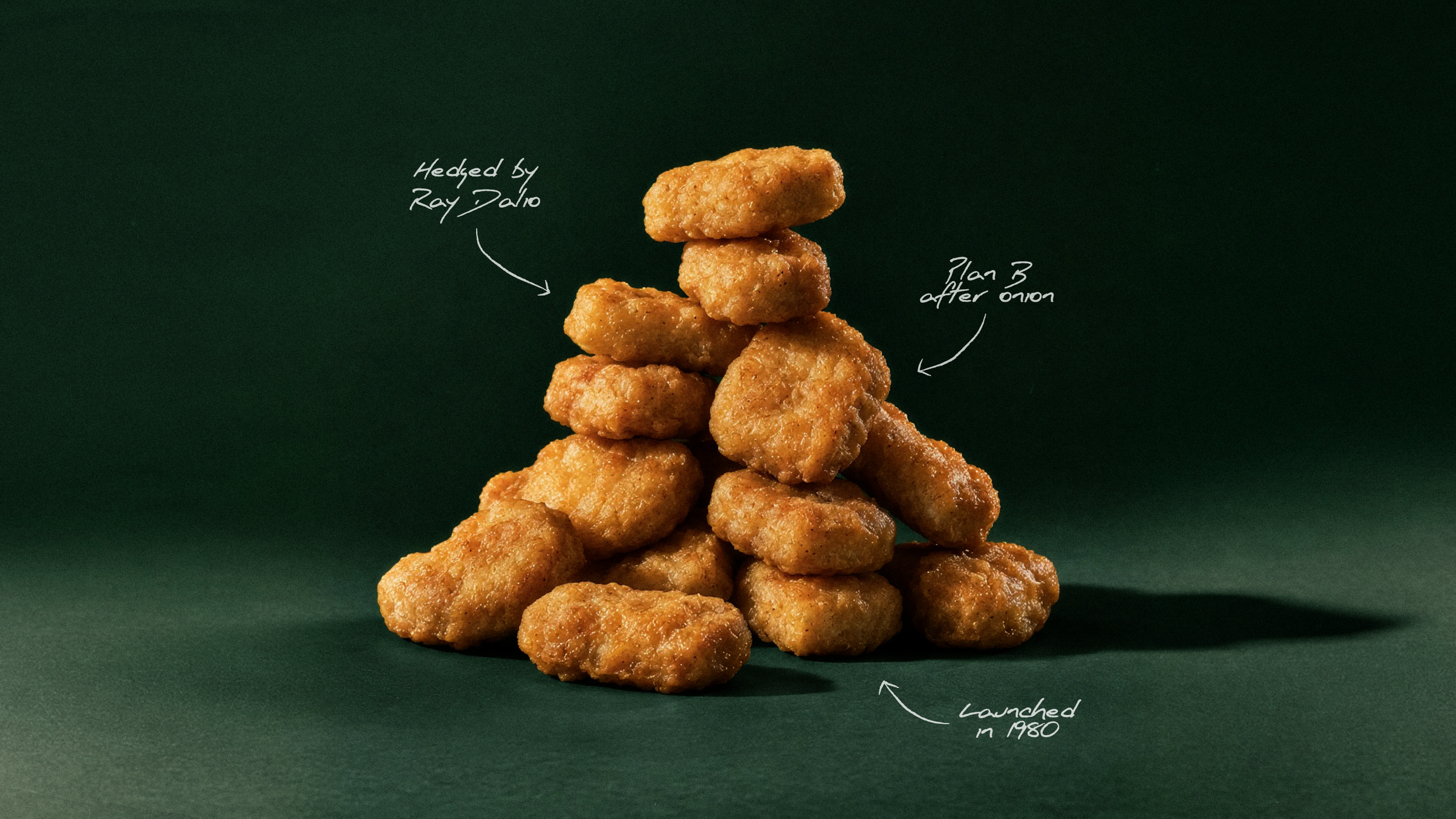
How a 1940s breeding contest, a Cornell food scientist, and a hedge by Ray Dalio helped McDonald's turn the Chicken McNugget into a fast-food icon.

Franchisees and tenants operate 40% of the store base; ~43% of French hypermarkets are projected to be franchised by year-end 2026, with further third-party switches planned.
Franchisees fund CapEx, revisions and related investment at pure-franchise stores; integrated and tenant-operated stores with Carrefour-owned goodwill are centrally funded.
France’s operating result doubled since 2018, with margin rising from 1.3% to 3% in recent years; operating margin improves on average two years after franchise conversion.
Q4 French operating profit expectations were revised lower, with ~50% of the impact attributed to revenue, including weaker discretionary spending, store closures and changed hours; costs include looting, refurbishment, security and logistics, while e-commerce altered format mix.
Q4 French profit expectations remain within the communicated €80m–€200m lower-guidance bracket; conditions are expected to stabilize and business return to normal at the start of 2027, with food inflation moving closer to 3.4%.
302 French hypermarkets generate ~€20bn in sales, nearly half of France revenue, with 80,000 employees and over 1.3m daily customers.
70% of French households shop at hypermarkets monthly, and the format captures 37% of their FMCG and fresh-food spend; hypermarkets held 35.8% of French food retail in 2025 across 8.7m sq. m.
Since 2018, the format has become more omnichannel, agile and efficient while retaining price competitiveness, choice and promotions.
Operational, commercial and technology initiatives have improved performance; some stores are above break-even, ~40 resemble the showcased flagship, and hypermarkets are expected to contribute more to the >90 bps operating-model improvement trajectory.
Hypermarket NPS has risen 23 points since 2019.
Buying is being organized for greater European integration and local responsiveness, with assortment and innovation priorities centered on customer satisfaction.
Price positioning improved 3 points; Price Image NPS reached 76 in 2026 vs. 60 in 2025, and management expects to meet its Q4 net price-positioning objective.
Private labels are 30% cheaper on average than national brands, with a growth target 1.5x faster than national brands.
France loyalty has ~15M members, who generate ~70% of hypermarket sales and have ~3x the average basket; personalized promotions deliver 3.5x ROI, generated ~€1M incremental sales, and are targeted to double by 2030.
Growth segments drive 40% of FMCG sales growth despite a 6% sales share; 22% of the offering was renewed in 2026, against a target of up to 25% annually.

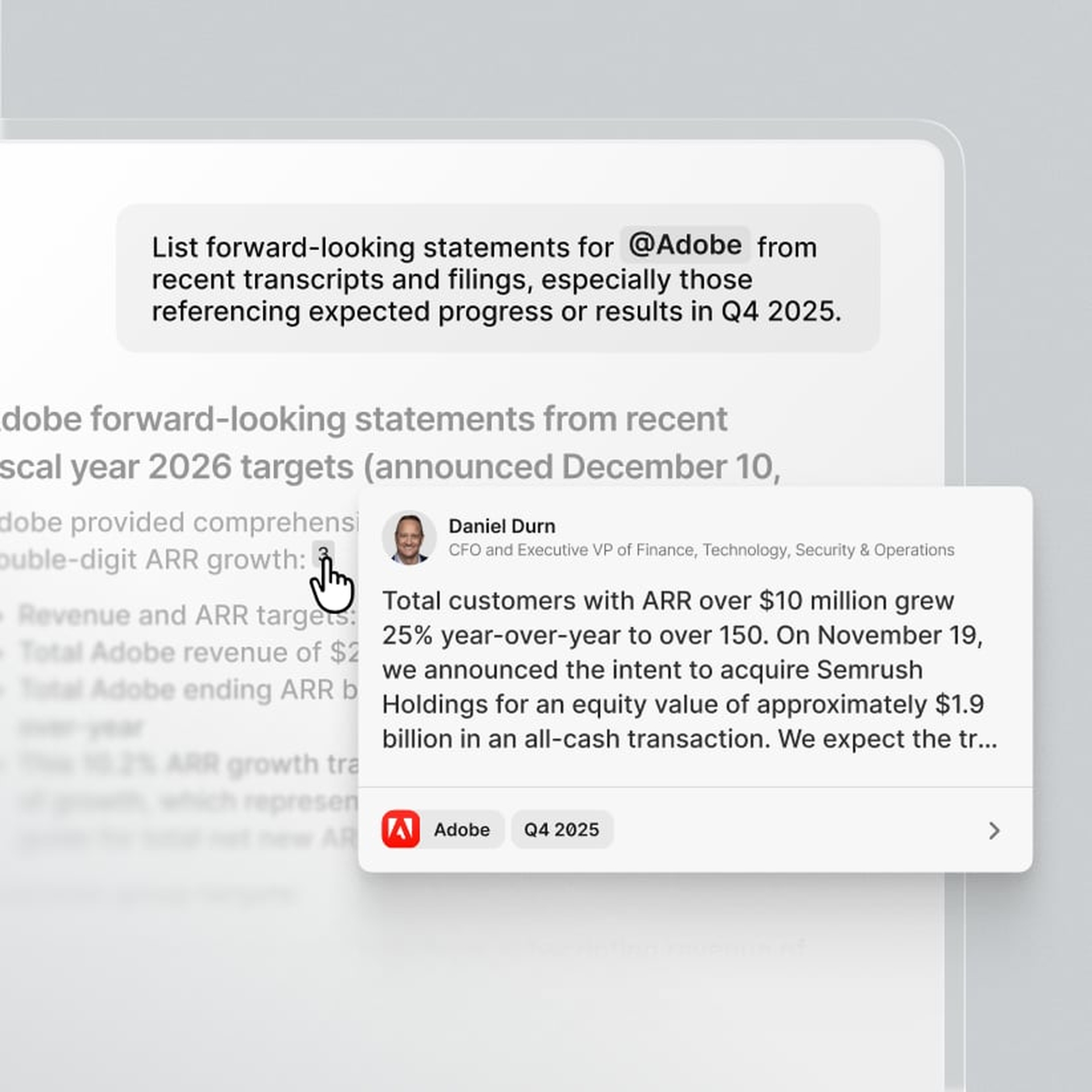
AI chat
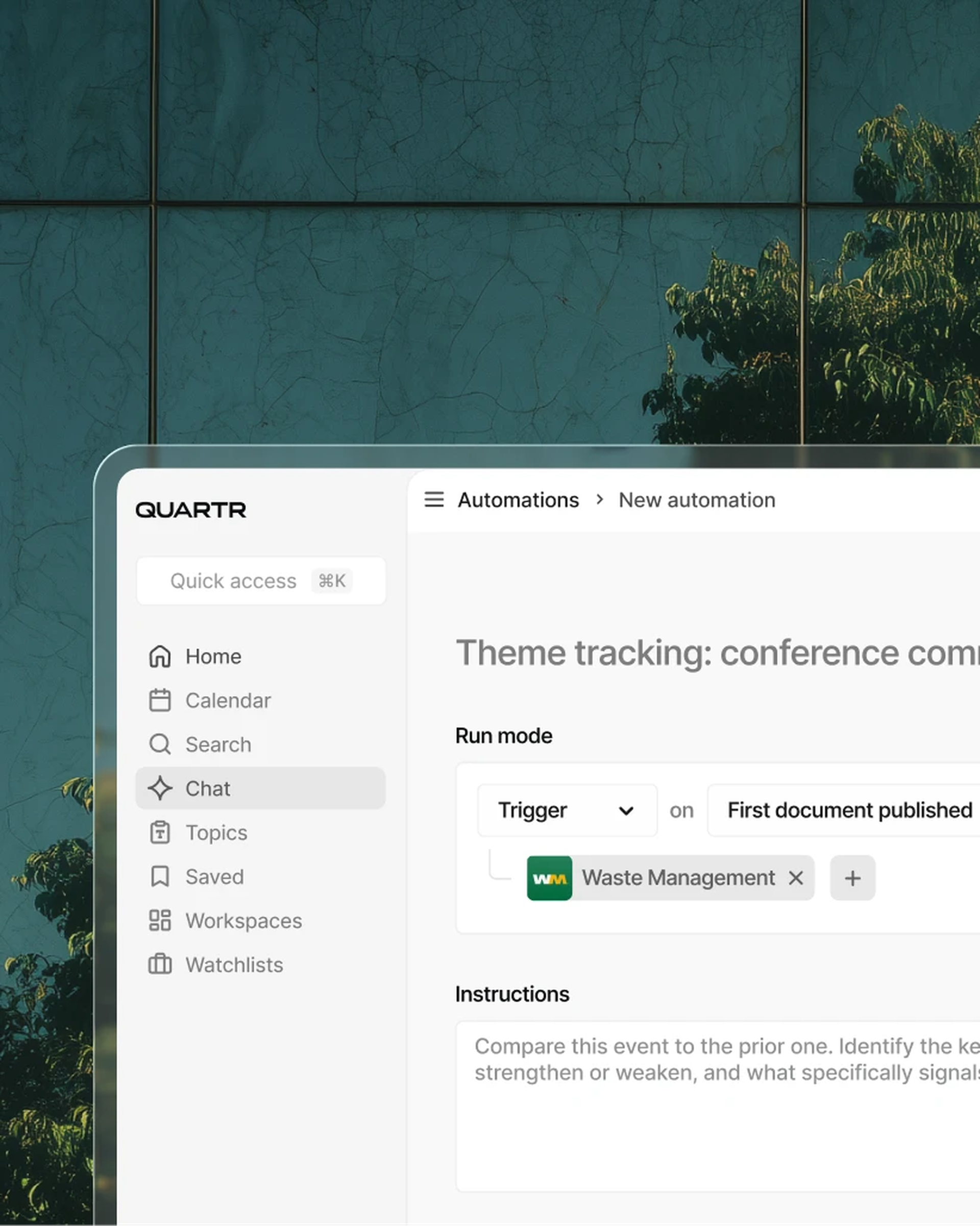
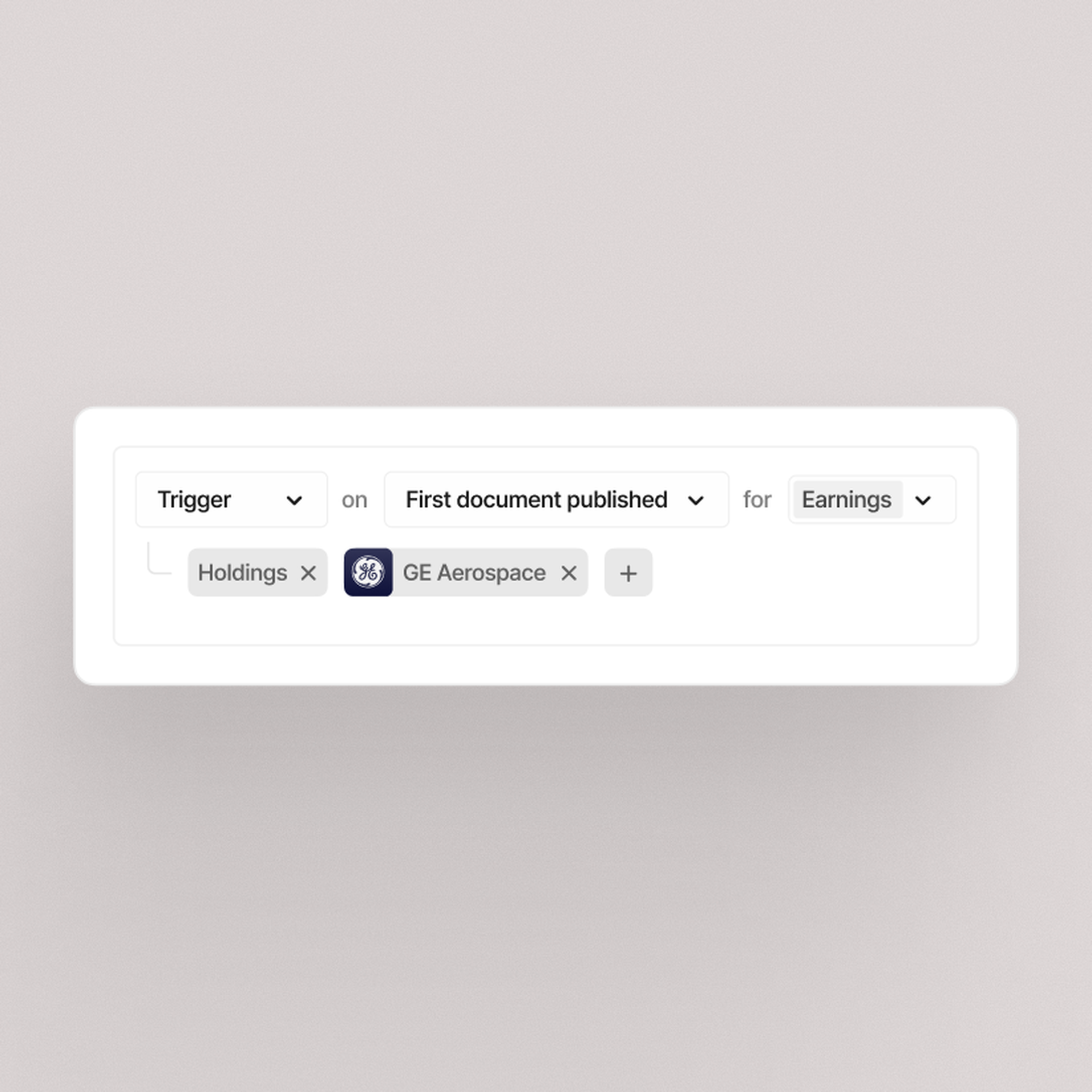
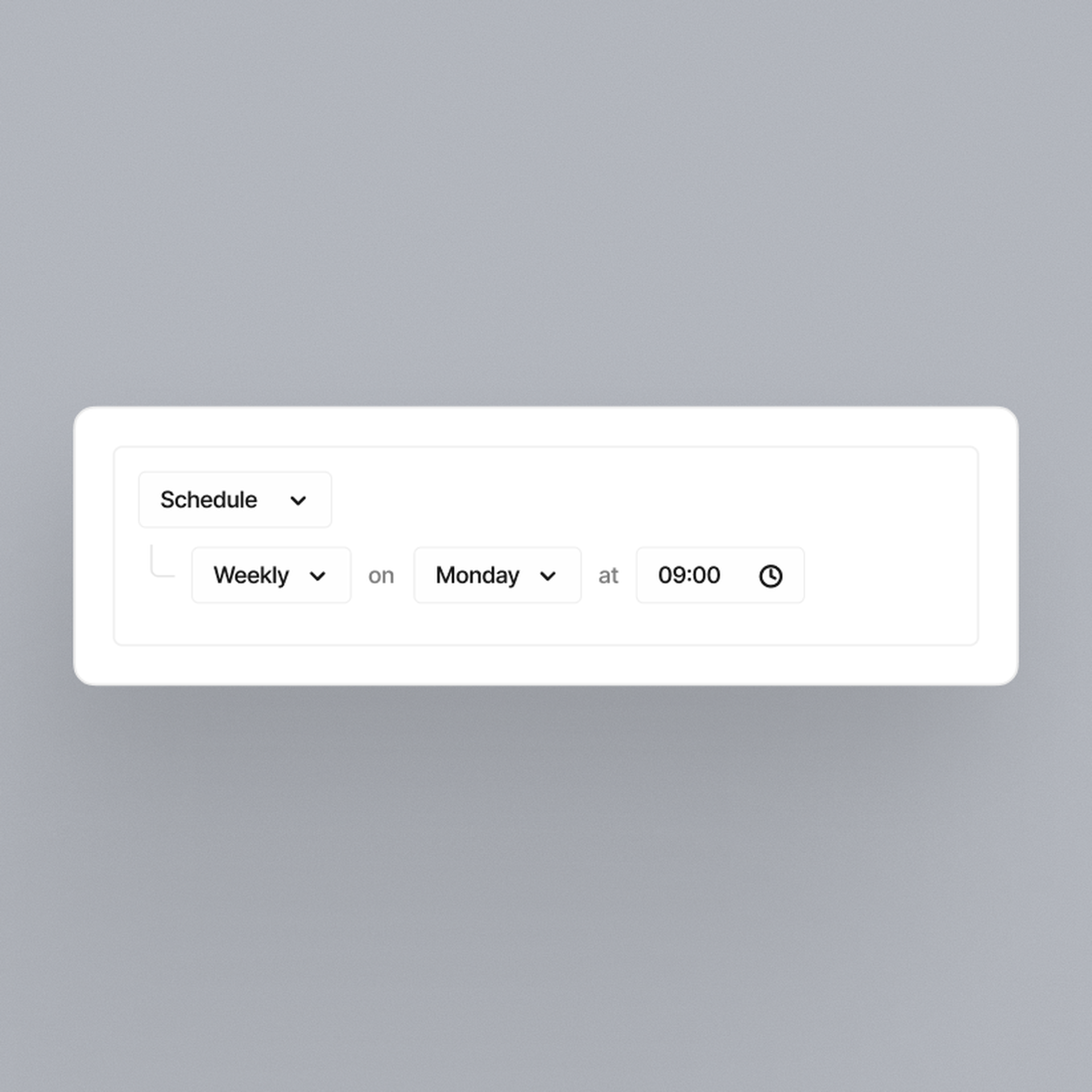
Automations
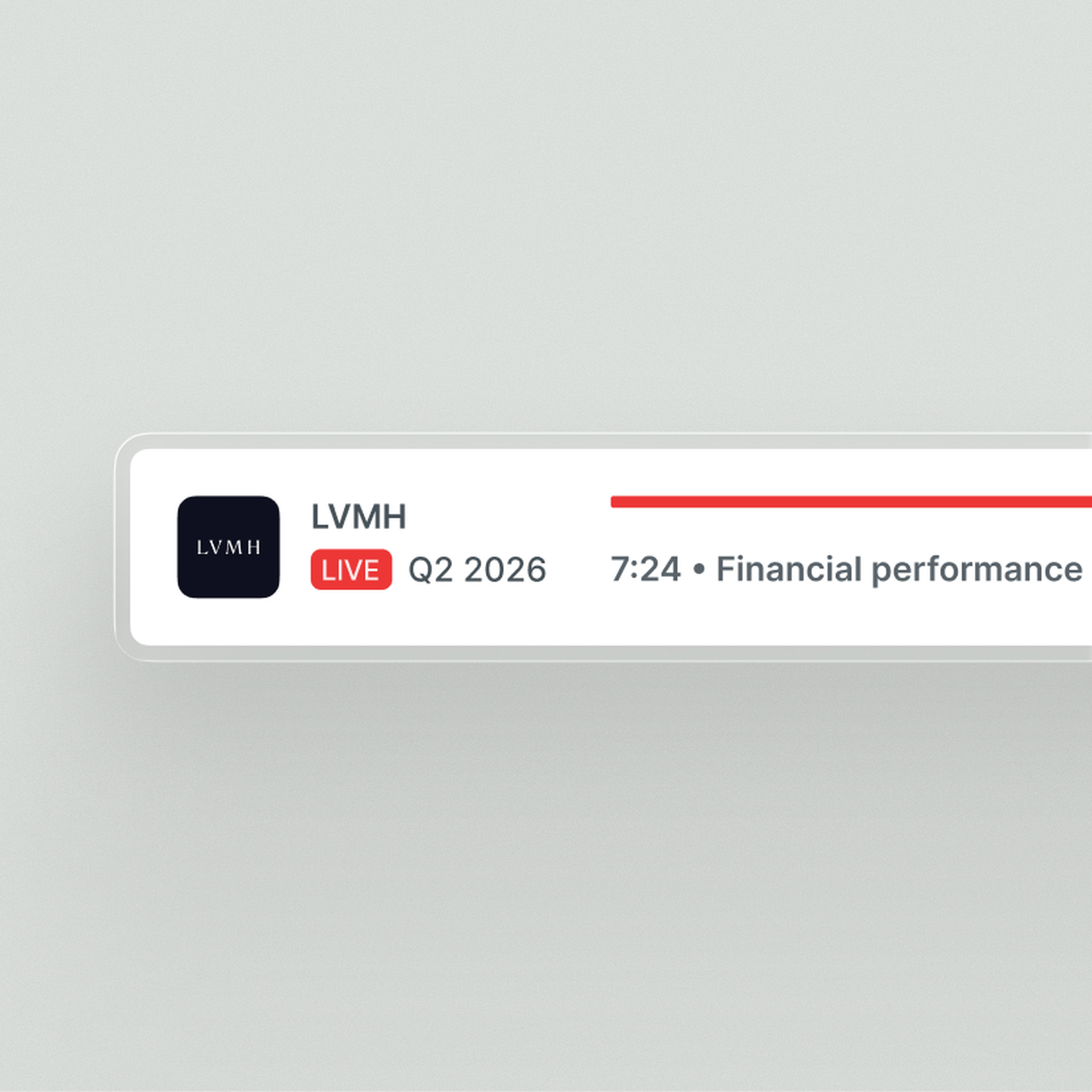
Live audio & transcripts
Quartr's AI stands out because it only pulls clean, first-party data from public companies. In investing, that's everything.
Jamie Ross
Investment Manager, GAM Investments
Research that used to take hours now takes seconds with Quartr Pro. Tracking shifts in tone or extracting tables, it's as simple as typing a query.
Tom O'Hara
Investment Director
Before Quartr we spent hours manually compiling insights through the peer earnings cycle. Now, these tasks are done faster, with greater precision.
Gregg Lampf
VP of Investor Relations
Being able to ask specific questions across years of transcripts and reports and instantly get verified answers is a game-changer.
Pontus Dackmo
CEO & Investment Manager