Edge16 Oct 2026
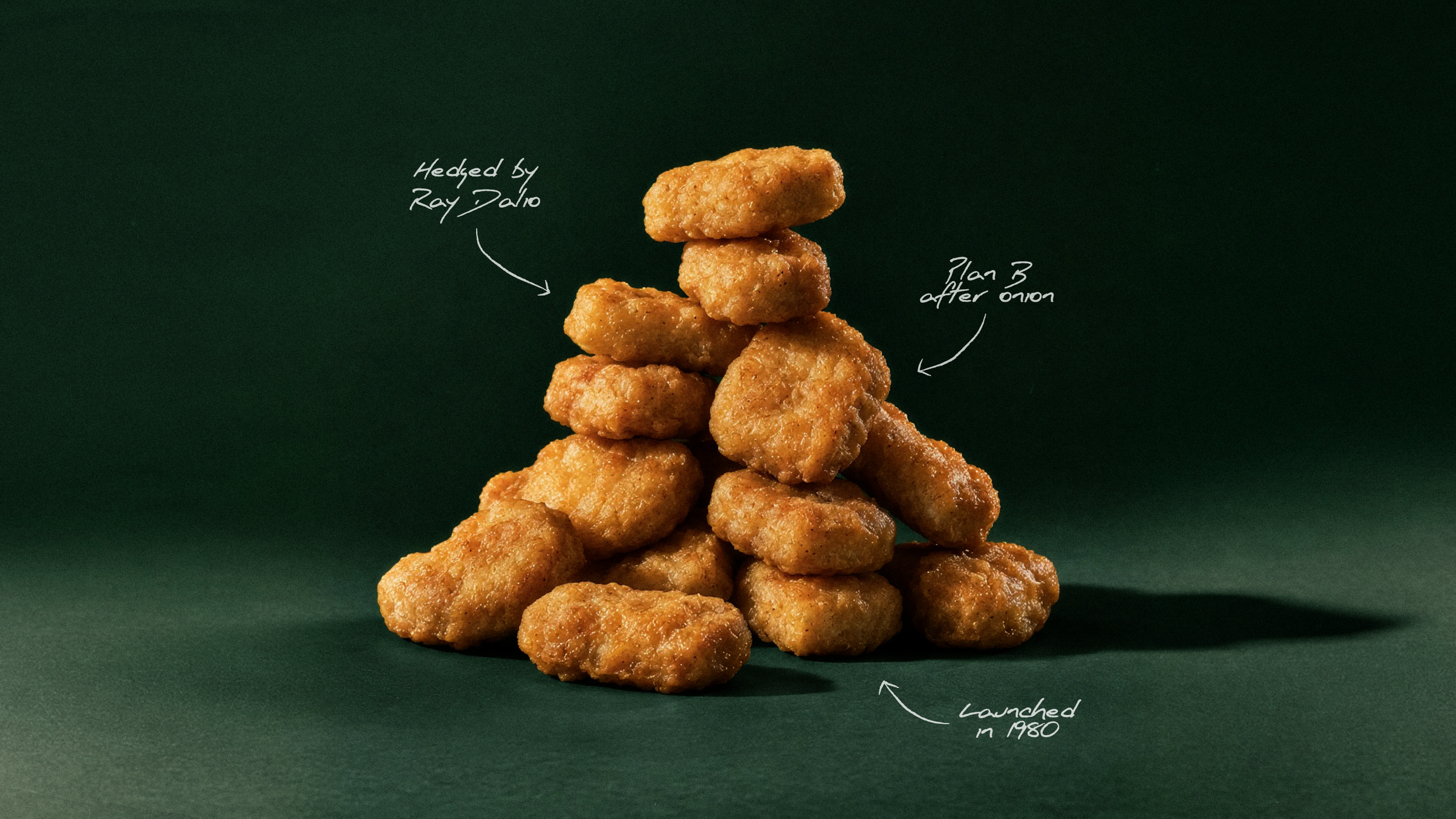
Winner, Winner: The Chicken McNugget Story
How a 1940s breeding contest, a Cornell food scientist, and a hedge by Ray Dalio helped McDonald's turn the Chicken McNugget into a fast-food icon.

Global fiber network spans 58 countries and 309 markets, connecting 1,992 data centers and ~1,865 North American multi-tenant office buildings.
Internet services generate 84% of revenue; other streams include wavelength services at 7%, IPv4 leasing at 6% and data center colocation at 3%.
Connectivity reaches ~8,000 access networks and serves ~6,000 content generators as an upstream provider.
Operates ~170 data centers, with ~1.5m sq. ft. and ~150 MW of power; workforce totals ~1,600 across 51 offices.
Wavelengths are dedicated, unprotected point-to-point connections with no throughput limit in either direction, typically sold for fixed monthly recurring revenue.
Repurposed Sprint’s dormant TDM network into optical transport, extending it across 110 North American markets and connecting 1,151 carrier-neutral data centers.
Network offers data-center-to-data-center service in 30 days at 10, 100 or 400 GB; the ~$2b addressable market is just under 4% penetrated.
Armored cable routes are stated to be ~7x less likely to be cut than conduit-based fiber along public highway rights of way; low asset costs support aggressive pricing.
Wavelength revenue grew 57% YoY and 7.8% sequentially in the prior quarter, despite customer delays tied to data-center power and equipment readiness.
AI training and large-language-model development are accelerating wavelength demand to move data between compute locations and support high GPU utilization.
AI compute uses ~2% of U.S. power; data centers overall consume 5%, while North American power availability is ~1,300 GW and historically grew ~1% annually.
GPU supply is constrained by fab capacity; lead times to resolve active-equipment bottlenecks are generally three to five years, and GPUs take ~45% of AI-training capital deployment.
Telecommunications spending fell from just under 5% to ~1.3% of GDP over 25 years amid application/network separation and competition across delivery technologies.

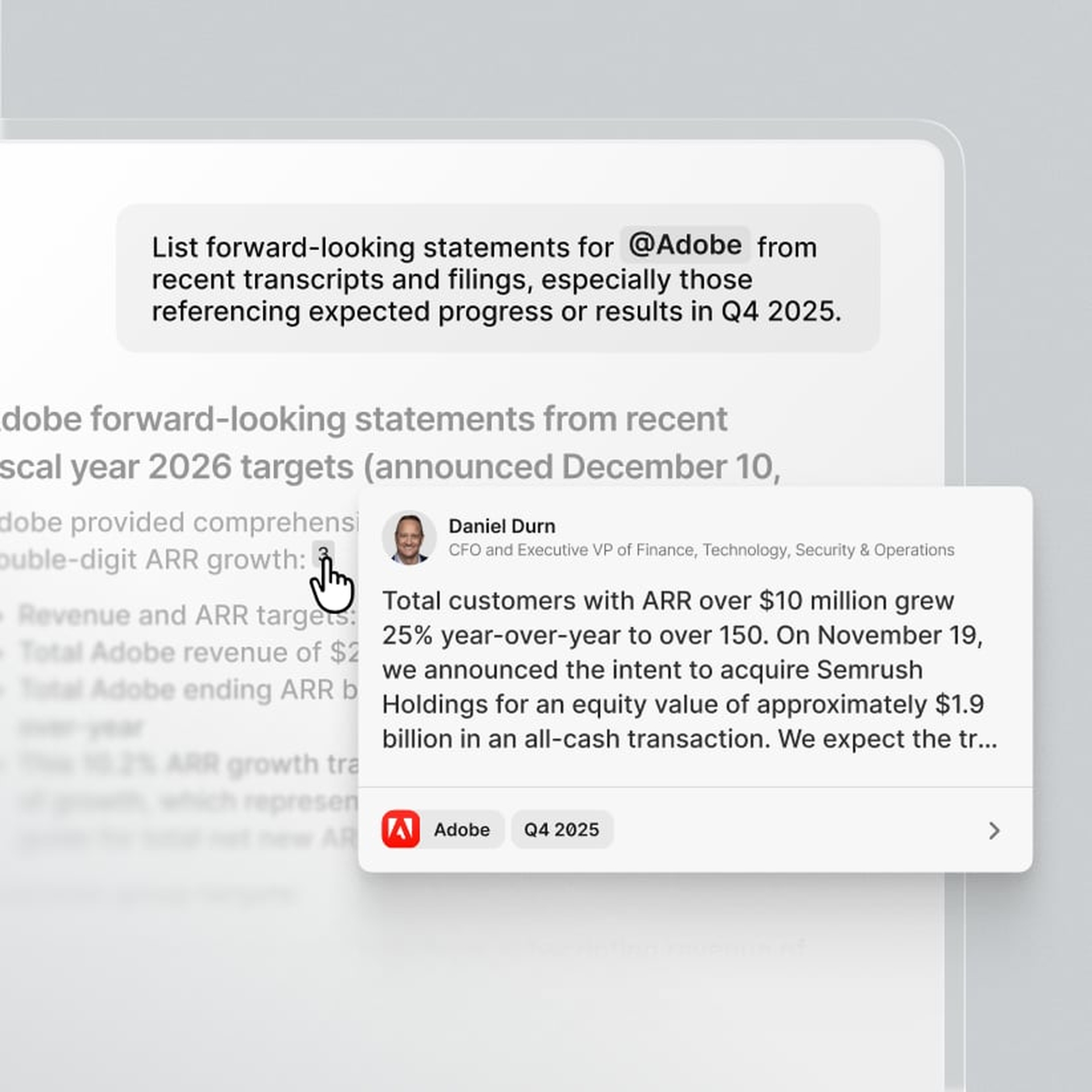
AI chat
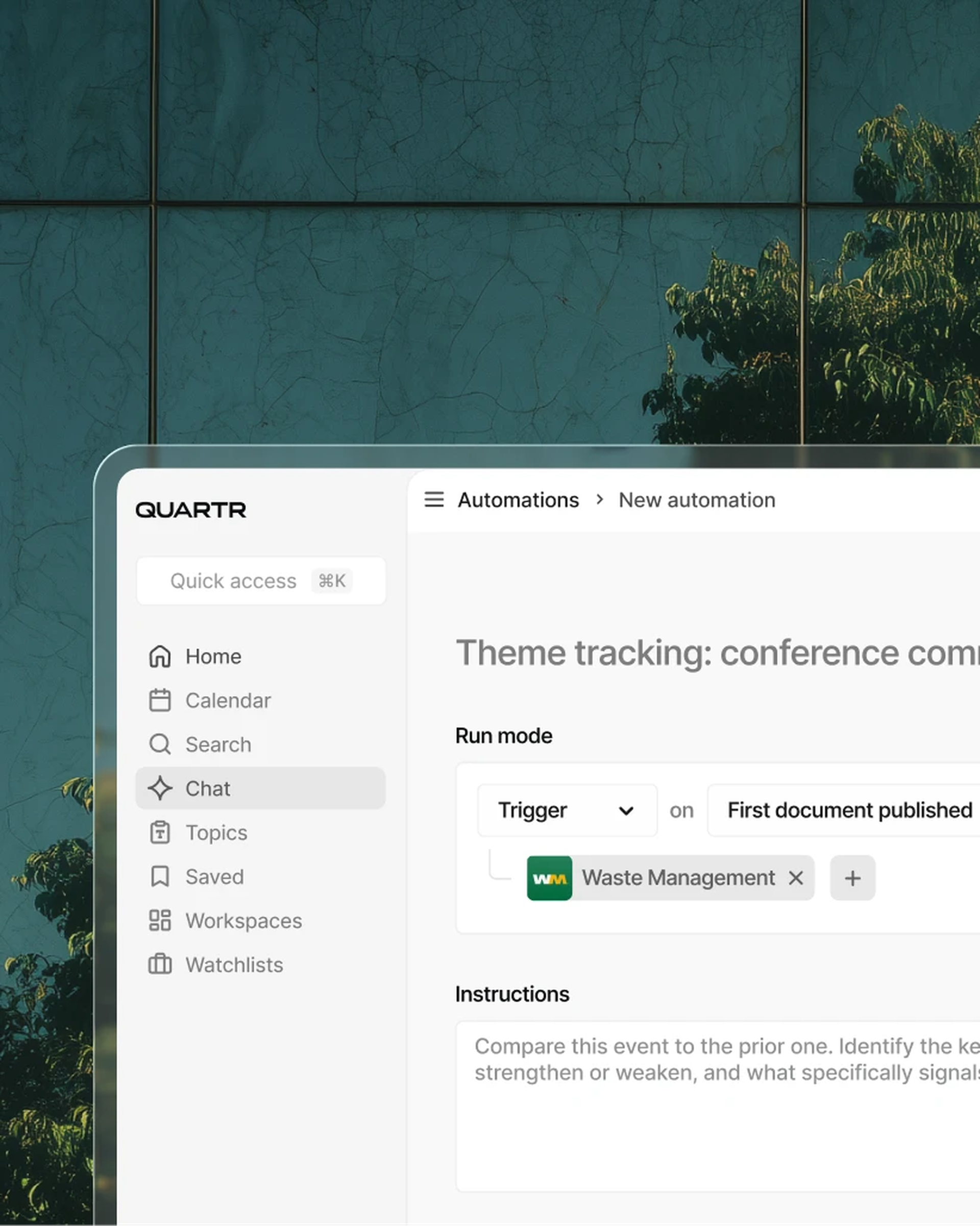
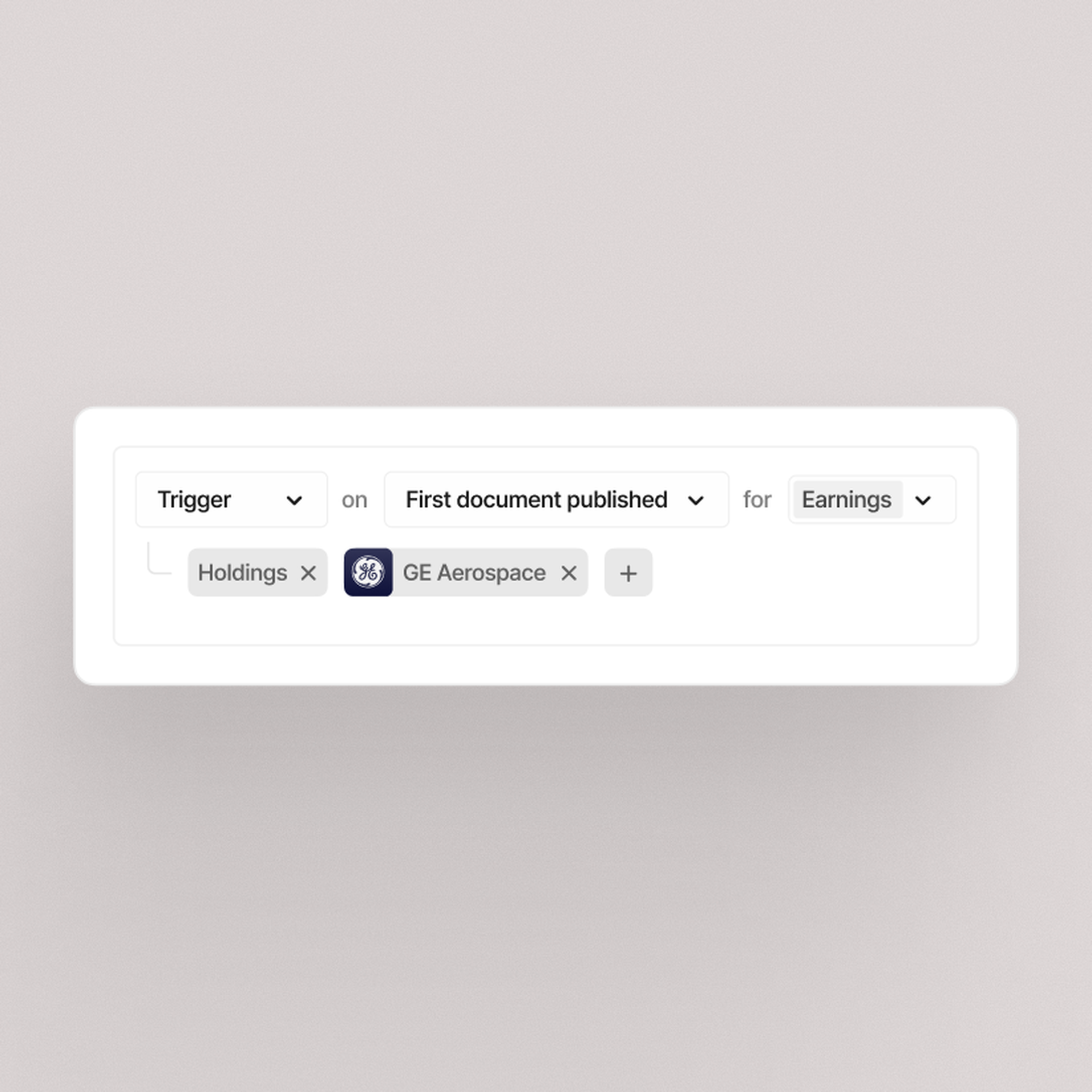
Automations

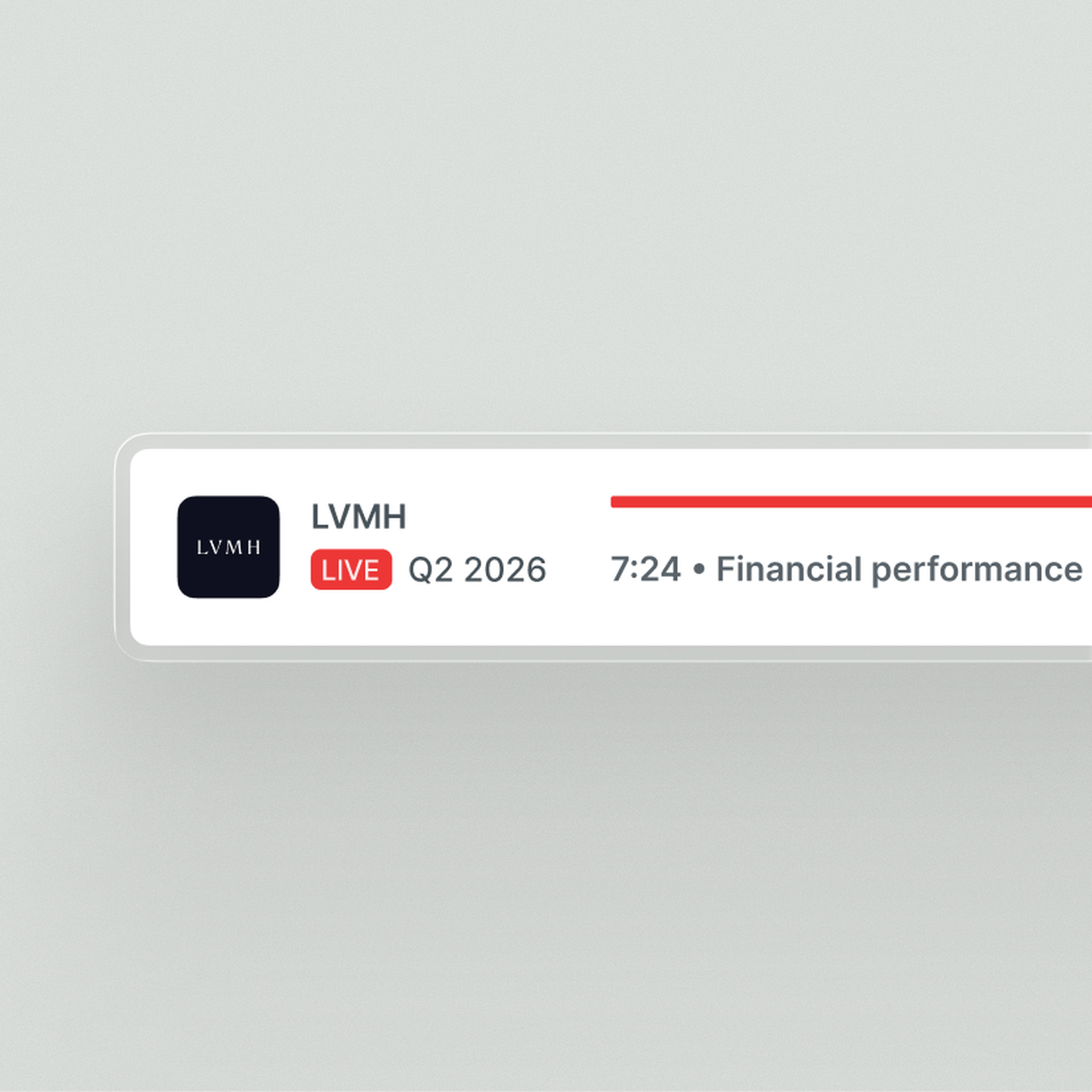
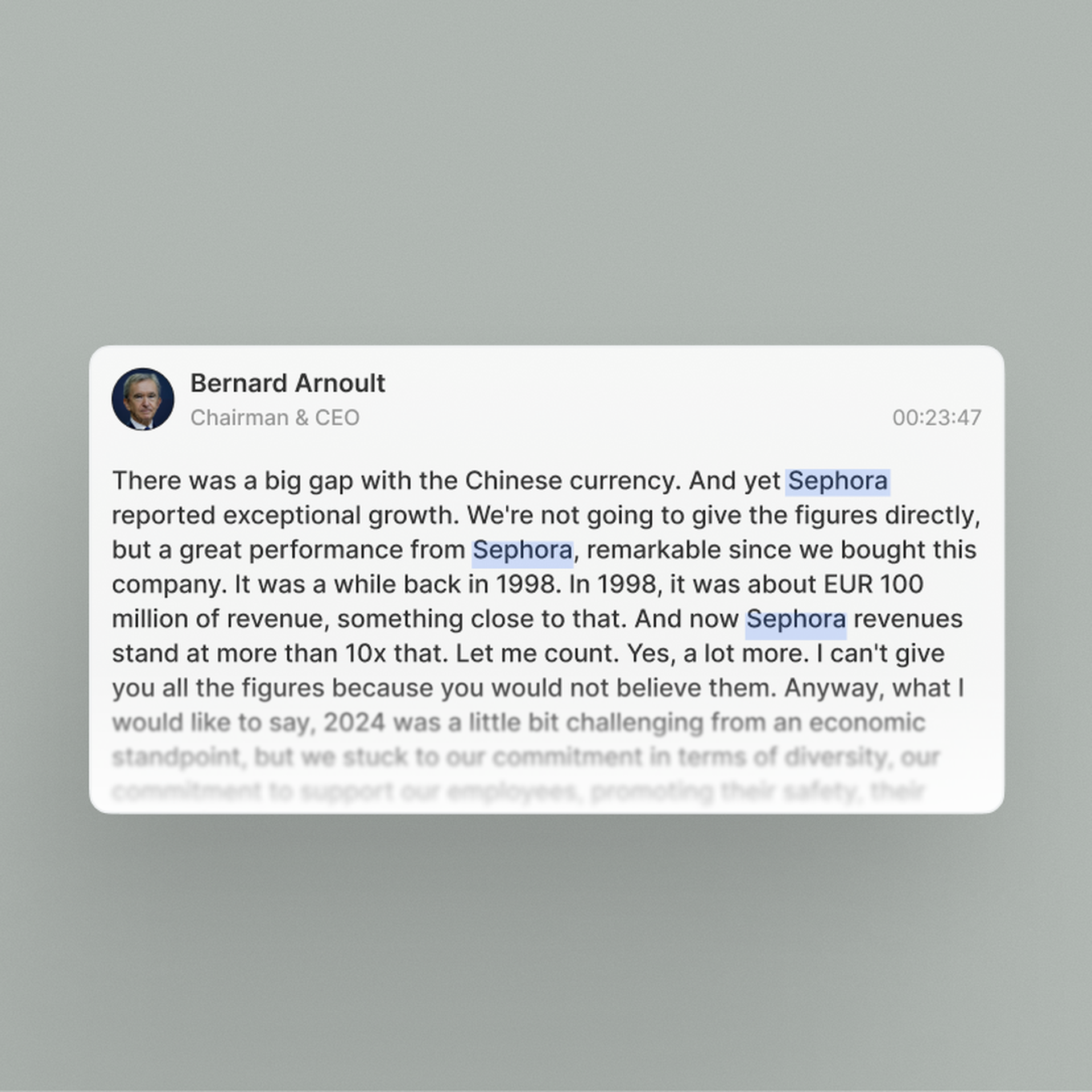
Live audio & transcripts
Quartr's AI stands out because it only pulls clean, first-party data from public companies. In investing, that's everything.
Jamie Ross
Investment Manager, GAM Investments
Research that used to take hours now takes seconds with Quartr Pro. Tracking shifts in tone or extracting tables, it's as simple as typing a query.
Tom O'Hara
Investment Director
Before Quartr we spent hours manually compiling insights through the peer earnings cycle. Now, these tasks are done faster, with greater precision.
Gregg Lampf
VP of Investor Relations
Being able to ask specific questions across years of transcripts and reports and instantly get verified answers is a game-changer.
Pontus Dackmo
CEO & Investment Manager