

Edge12 Jun 2026
Set in Stone: The Story of Richemont
From a South African tobacco company to Cartier, a deep dive into how Richemont built one of the world's leading hard luxury empires.

Nine-month revenue reached €12.260bn, up 5.5% at constant exchange rates and 2.9% at current rates; Q3 revenue was €4.096bn, up 4.3% and 5.5%, respectively.
Growth continued amid macroeconomic, geopolitical and monetary challenges, supported by the artisanal model, creativity and client loyalty.
Americas, Japan and Europe excluding France were particularly dynamic; the Middle East was the only region to decline.
Investment continued in production capacity and the distribution network.
Nine-month revenue was €12.260bn versus €11.916bn in 2025; constant-currency growth was 5.5% and reported growth was 2.9%.
Q3 revenue was €4.096bn versus €3.881bn in 2025; constant-currency growth was 4.3% and reported growth was 5.5%.
H1 revenue was €8.163bn, up 6.1% at constant exchange rates; net profit, Group share, was €2.238bn, or 27.4% of revenue.
Currency movements reduced nine-month revenue by €310m.
Medium-term revenue growth objective at constant exchange rates remains ambitious despite global economic, geopolitical and monetary uncertainties.
October trends were unchanged from late Q3 across regions, including China; the Q3 China slowdown may affect Q4, with its extent uncertain.
2027 price increases are expected to be slightly below 2026 and remain undecided; 4%–5% was described as potentially meaningful to offset input and wage costs.
No larger store-network scope effect is expected in 2027, with no openings comparable to this year's Bond Street and Geneva projects.
January 2027 plans include Grace Wales Bonner's first men's ready-to-wear collection and Couture by Nadège Vanhée; Q4 U.S. activity includes Manhasset's opening and events in Miami and New York.

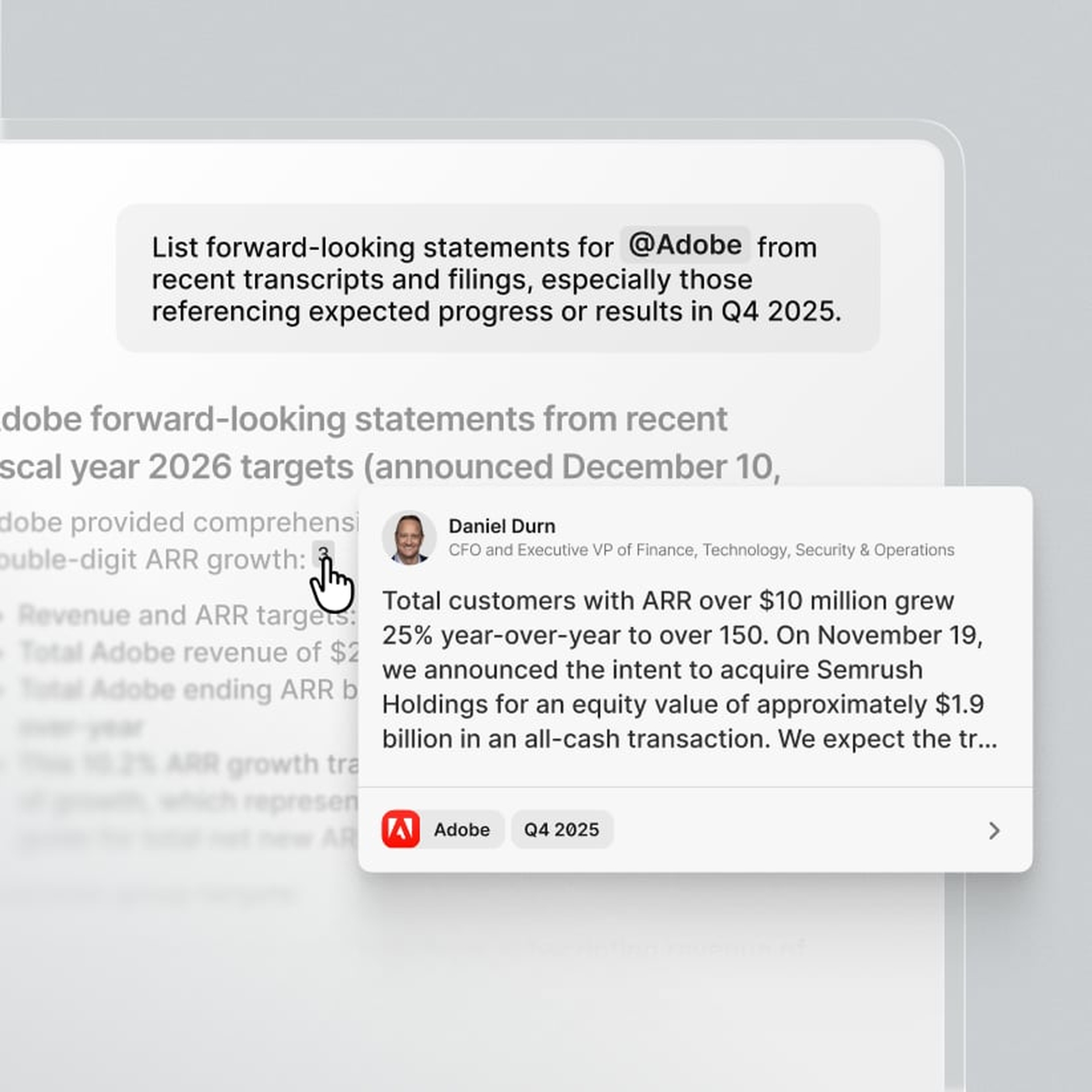
AI chat
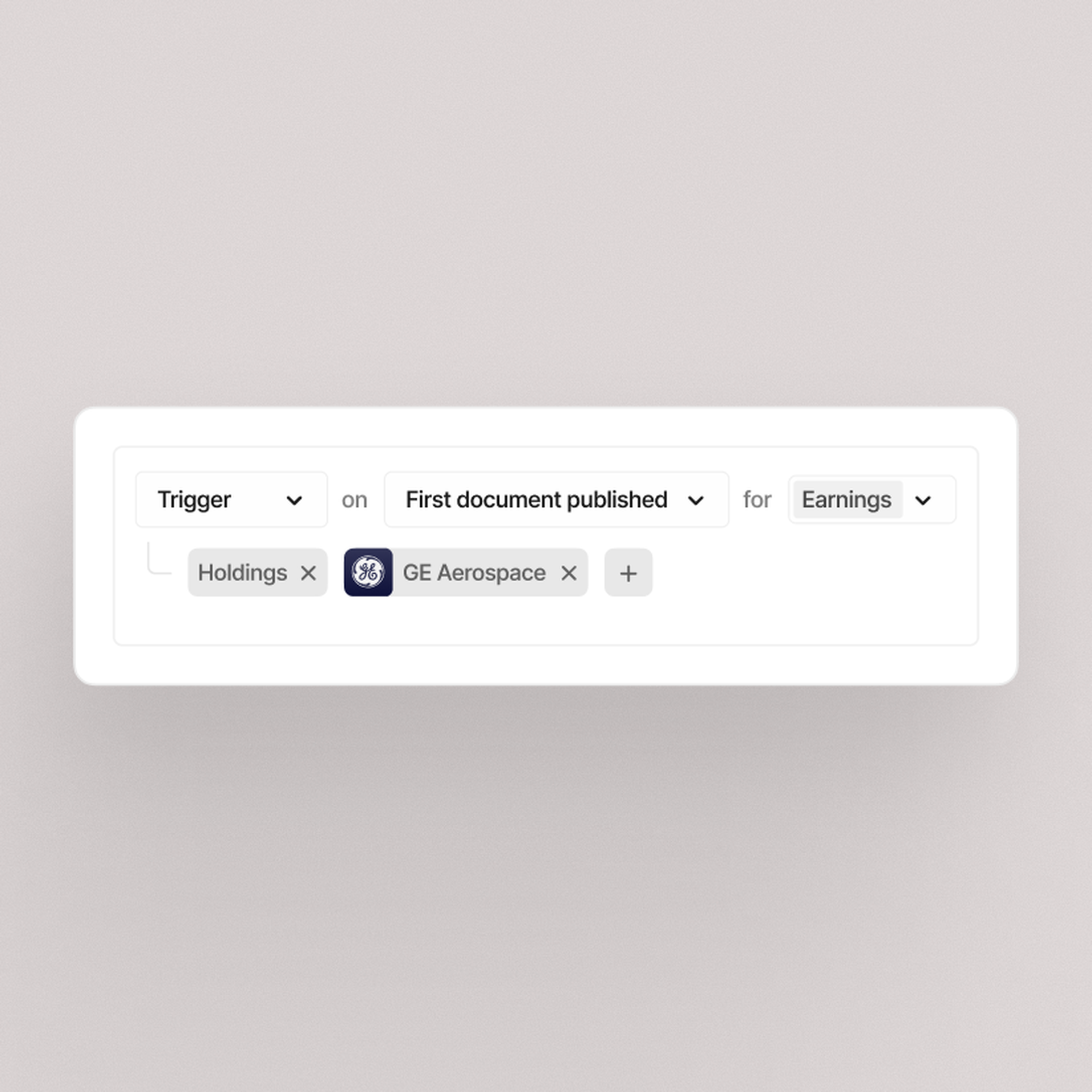
Automations

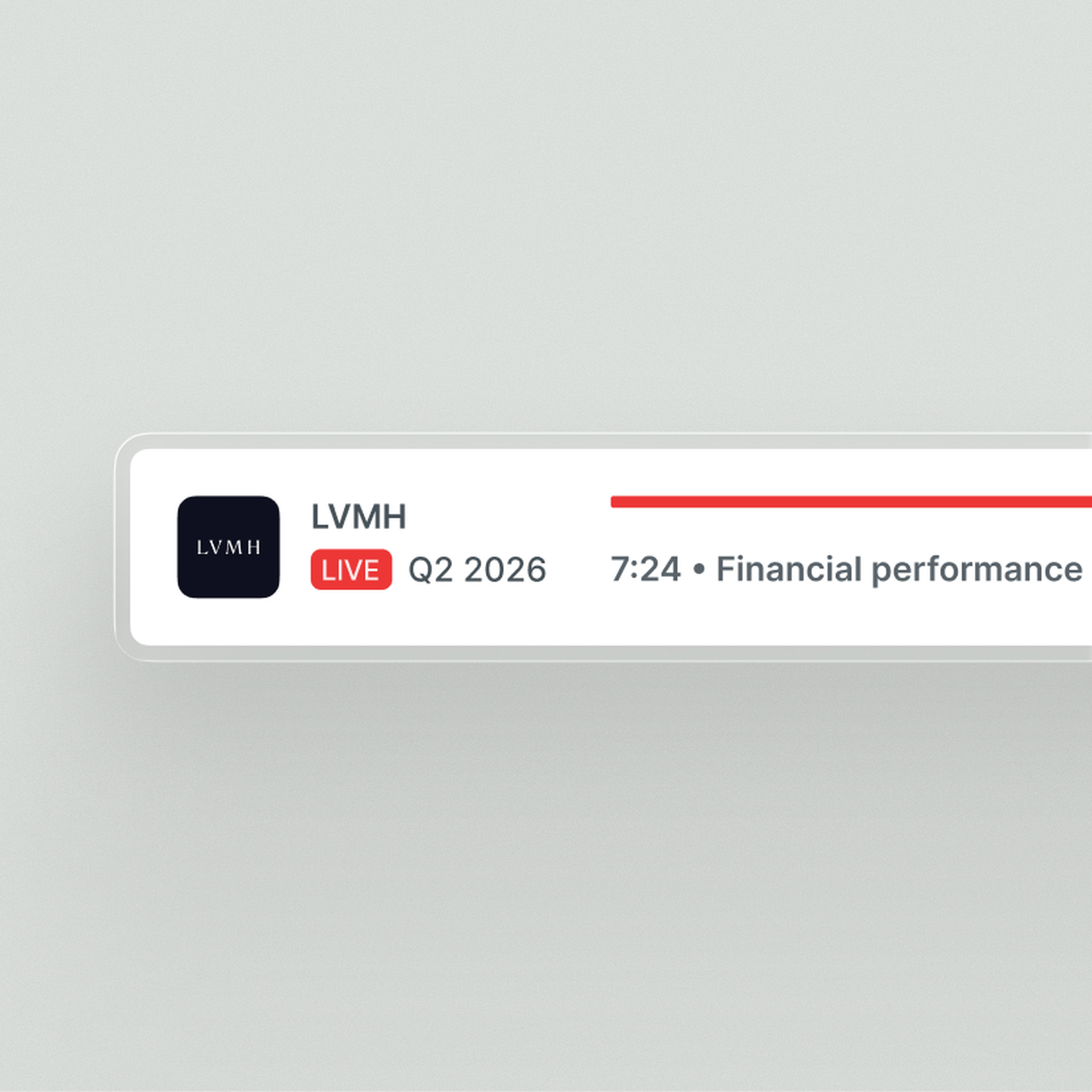
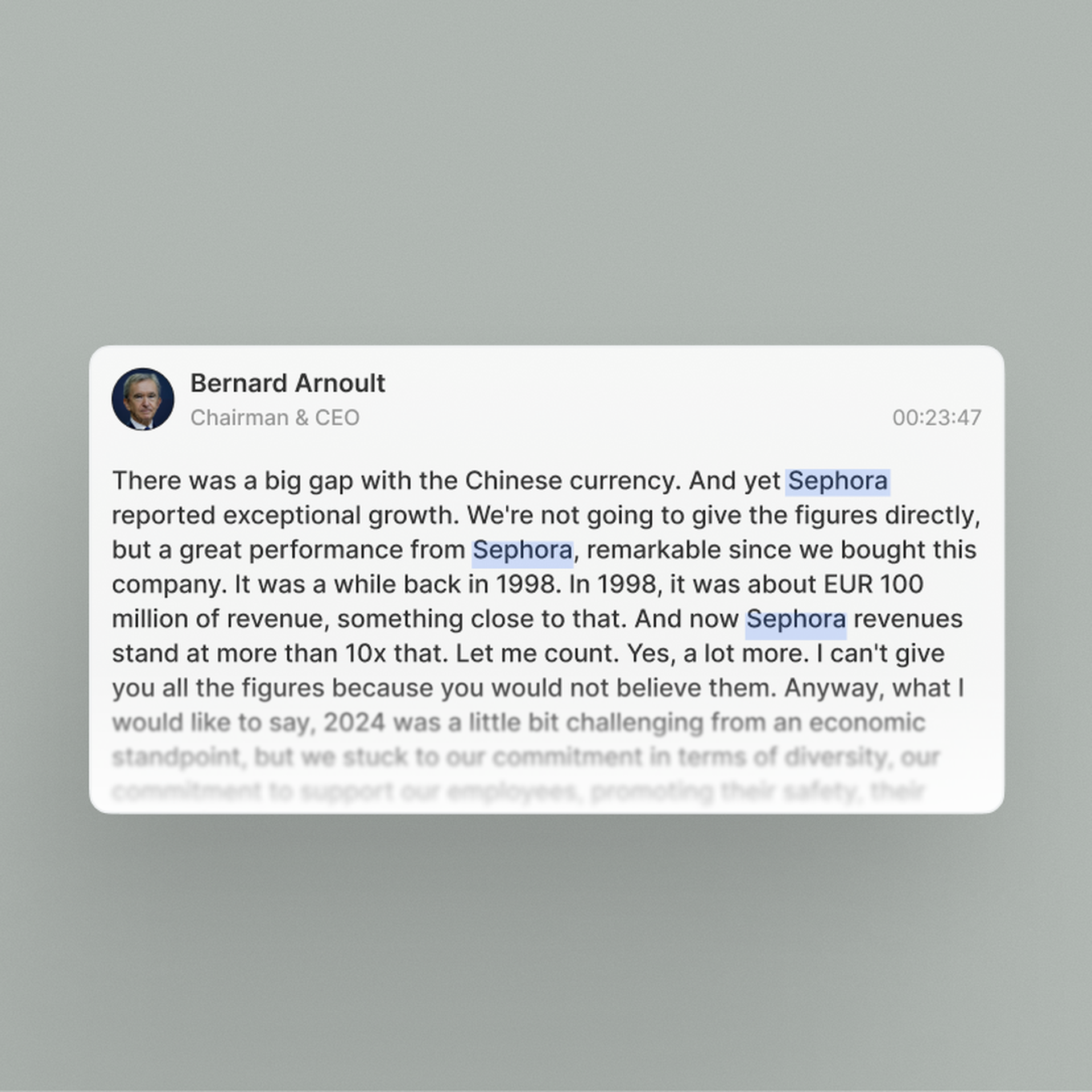
Live audio & transcripts
Quartr's AI stands out because it only pulls clean, first-party data from public companies. In investing, that's everything.
Jamie Ross
Investment Manager, GAM Investments
Research that used to take hours now takes seconds with Quartr Pro. Tracking shifts in tone or extracting tables, it's as simple as typing a query.
Tom O'Hara
Investment Director
Before Quartr we spent hours manually compiling insights through the peer earnings cycle. Now, these tasks are done faster, with greater precision.
Gregg Lampf
VP of Investor Relations
Being able to ask specific questions across years of transcripts and reports and instantly get verified answers is a game-changer.
Pontus Dackmo
CEO & Investment Manager


When discussing fashion, it's impossible not to mention Hermés. Year after year, this brand has been recognized by elites, nobles, and royalty as the ultimate status symbol. Hermès is a French luxury goods brand that produces and sells high-end fashion items, such as leather goods, scarves, and clothing, as well as home furnishings, fragrances, and other luxury items. The brand has been successful due to its unwavering commitment to quality, craftsmanship, and exclusivity.
Hermès has been successful in building a reputation for its iconic and timeless designs, which have remained popular for generations. The brand's focus on creating products that are not only fashionable but also functional has helped it stand out in the crowded luxury market. Additionally, Hermès has managed to maintain its exclusivity by limiting the number of products it produces and carefully controlling its distribution network.
It's hard to compete with Hermès because the brand has built an almost unassailable reputation for luxury and quality. The company has spent years cultivating a loyal customer base, and many of its products have become status symbols associated with wealth and prestige. Additionally, the brand's focus on craftsmanship and exclusivity means that it's difficult for other luxury brands to replicate Hermès' products at a lower price point without sacrificing quality. Therefore, competing with Hermès requires a deep understanding of the luxury market and a long-term commitment to quality and exclusivity.
In a high-inflation environment, consumers tend to be more cautious with their spending, prioritizing necessary purchases over occasional ones. This poses a challenge for companies, as higher costs can eat into their profits. While this may seem like a significant issue for luxury giants like Hermés, their target audience consists of affluent customers who are less vulnerable to economic downturns. As a result, Hermés can pass on rising costs to their resilient customers, ensuring continued success.
As the world's most valuable standalone luxury brand, this French luxury behemoth enjoys an iconic status in the fashion industry. Unlike its main competitors such as LVMH, Richemont, and Kering, Hermès operates without a conglomerate-like structure. Instead, the company maintains its unwavering focus on the Hermès brand. The company generates the majority of its revenue through three main segments, which account for roughly 80% of its total revenue; Leather Goods and Saddlery, Ready-to-wear and Accessories, and Silk and Textiles.
Since its establishment in 1837 by Thierry Hermés, the company has placed a strong emphasis on creation, craftsmanship, and exclusive distribution networks. This focus has resulted in the development of ultra-luxurious and elegant objects that withstand the test of time. The signature Birkin bag, for example, takes over 25 hours to create and is the most expensive bag in fashion history, often costing over six figures (EUR).
Throughout generations, the Hermés family has upheld the torch of luxury, responsibility, and tradition, with Axel Dumas currently leading the company as the sixth-generation leader. Hermés employs over 18,000 people, primarily in their roughly 50 production sites in France, and boasts over 300 stores in 45 countries. Over the past decade, Hermés has enjoyed an average ROIC of around 40 percent and has increased its revenue by approximately 3x and EBIT by 3.7x during the same period.
Further reading: Hermès: Two Centuries of Craftmanship and Excellence