)
)
)
)
)
Edge27 Dec 2024
House of Pinault: The History and Business of Kering and Gucci
Kering is a luxury group under the Pinault family's leadership, managing iconic brands like Gucci, Saint Laurent, and Bottega Veneta.
The story of what would eventually become Richemont began in a world far from luxury. Anton Rupert built a cigarette business in South Africa during the 1940s, which by the 1990s had become one of the largest cigarette producers globally. But a small investment in Cartier in the early 1970s would set the company on a new course. What followed was improbable. A South African tobacco empire ended up owning some of the most prestigious brands in jewelry and watchmaking, then spent the next decades acquiring and growing its maisons into the world's leading hard luxury group.
The first protagonist in the story is not Johann Rupert, who founded Richemont in 1988, but his father, Anton Edward Rupert. Born in 1916 in the small town of Graaf-Reinet in South Africa, Rupert enrolled at the University of Pretoria to study medicine. After switching degrees to chemistry, he graduated in 1939 and worked as a lecturer for a brief period before opening a dry cleaning business, a venture he soon abandoned.
Having grown up during the Great Depression, Anton Rupert carried with him an observation shaped by the tough years: even at the worst point of the crisis, people never stopped buying tobacco and alcohol. In 1941, with an initial £10 and the help of two co-investors, he started the tobacco company Voorbrand out of his garage.
The company struggled at first, but momentum began to build after Rupert relocated to an old flour mill in Paarl, near Cape Town, and renamed the business Rembrandt Tobacco Corporation. In 1948, he struck a licensing deal with Rothmans, a British cigarette manufacturer. The agreement allowed Rupert to manufacture and sell cigarettes under the Pall Mall and Consulate brands. The major breakthrough came in 1952, when he invented the king-size filter-tip cigarette, which became such a success that in 1953, he acquired a controlling interest in Rothmans for around £750,000.
In the following decades, Rembrandt diversified across South African industries, ventured into wine and spirits, banking and financial services, mining, printing and packaging, all while acquiring tobacco brands across Europe. In 1972, the company consolidated its overseas tobacco operations into Rothmans International and listed on the London Stock Exchange. By the mid-1990s, the group was one of the largest cigarette producers in the world, ranking among the top four globally, alongside Philip Morris, British American Tobacco (BAT), and RJR Nabisco.
Yet the story of how the tobacco conglomerate became a luxury group began far from South Africa. A century earlier, in Paris, a small jewelry house was beginning a journey that would eventually redefine the company's identity and become Rupert's most valuable asset.
Cartier was founded in 1847, when a 27-year-old Parisian watchmaker named Louis-François Cartier took over the workshop of his instructor, Adolphe Picard. The earliest years were relatively unassuming, but the firm reached an important moment in 1856, when Princess Mathilde Bonaparte became a customer.
Over the next half-century, the business passed down within the family. One of Louis-François Cartier's three grandsons, Louis Cartier, designed some of the pieces that still define the firm's identity today, including the Santos and Tank wristwatches, among the very first wristwatches designed for men, and the Panthère motif, introduced in the 1910s. The latter would become the house's defining animal symbol.
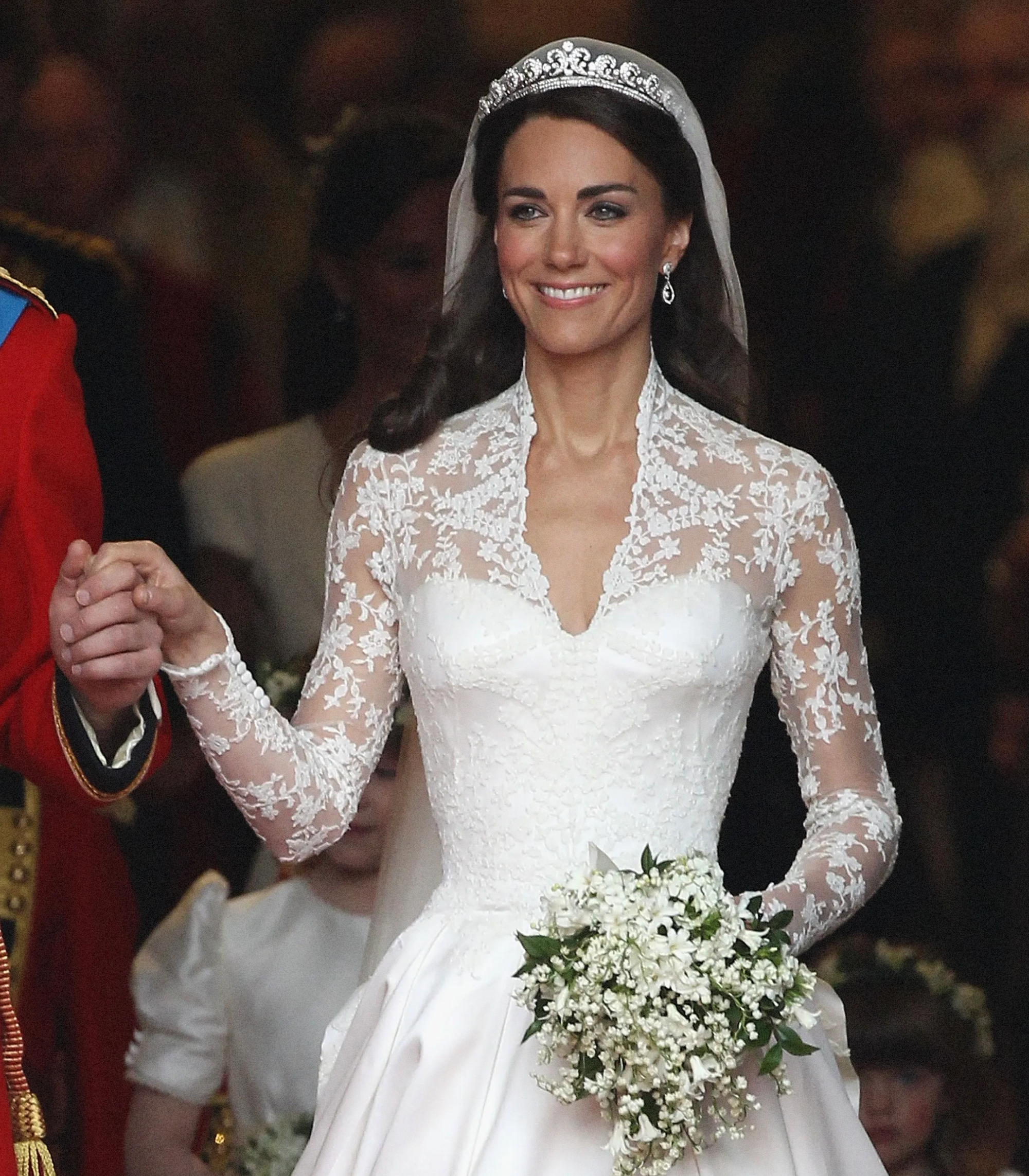
Around the turn of the 20th century, the three Cartier grandsons moved the store to Rue de la Paix, the prestigious jewelry street leading into Place Vendôme, before expanding to London and New York. The new London branch coincided with a commission to create 27 tiaras for the 1902 coronation of King Edward VII. The commission proved decisive: Cartier was soon appointed royal supplier to the British court, and its reputation soon spread through Europe's aristocratic and royal circles.
By 1964, the Cartier brothers had passed away. Their children continued to run the separate branches independently, but over the years, operations and ownership gradually drifted apart.
During the same time, a French entrepreneur named Robert Hocq had built the lighter manufacturer Silver Match into one of the world's leading producers and wanted to launch a luxury gas lighter under a recognizable jewelry name. Having had his proposal rejected by Van Cleef & Arpels, he turned to Cartier, which agreed to a partnership.
In 1968, the collaboration produced the first Cartier-branded lighter, sold as a luxury accessory, and by the early 1970s, Silver Match was shipping hundreds of thousands of Cartier lighters a year. The success, combined with the realization that the Cartier branches operated independently with no single owner, gave Hocq an idea.
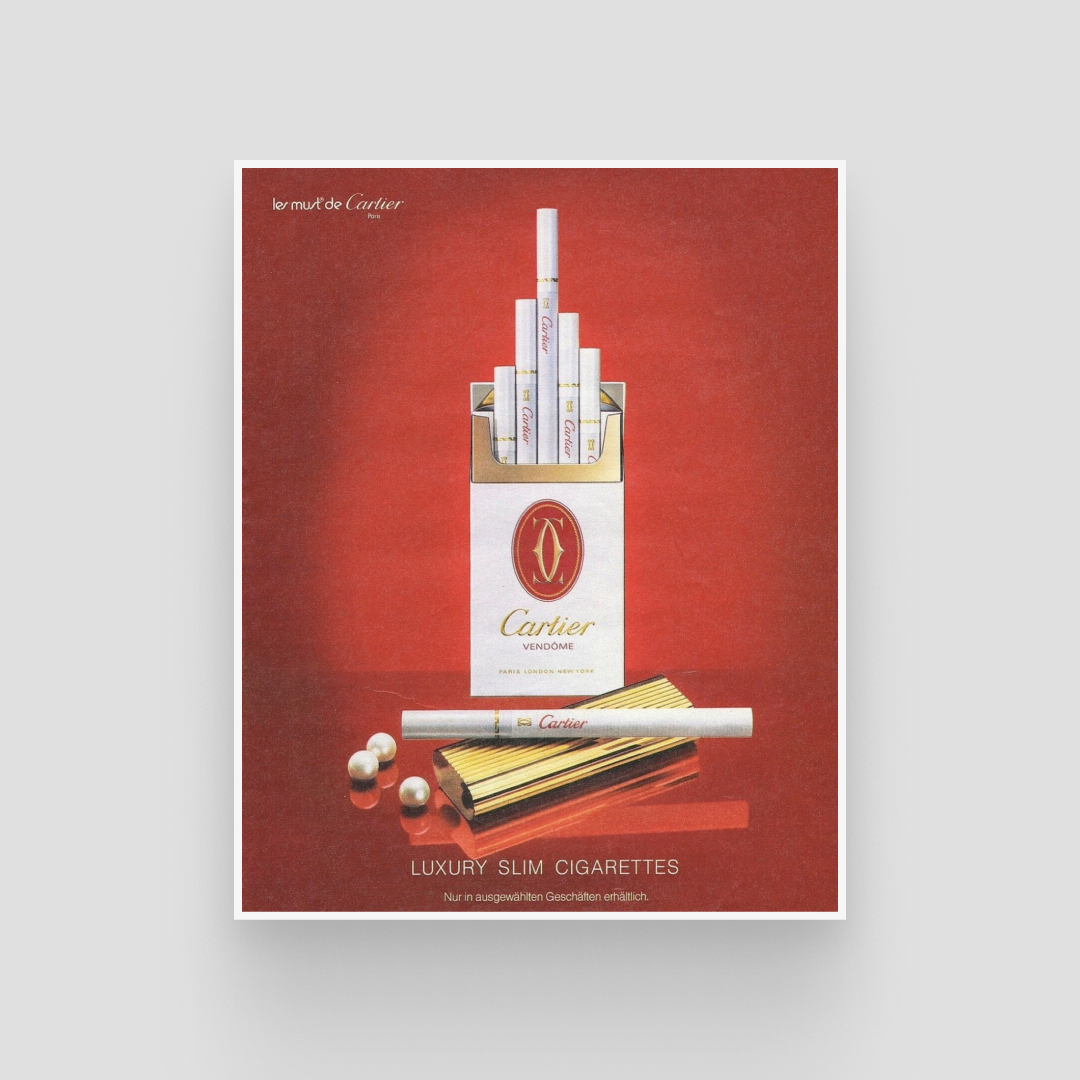
Through a consortium led by Joseph Kanoui, Hocq acquired the founding branch of Cartier Paris, in 1972. The following year, the company launched the famous "Les Must de Cartier" concept, later extending the brand into a range of accessories, including pens, watches, and leather goods that were sold at a premium thanks to the Cartier name. It became a huge success. A few years later, the brand added London and New York and, in 1979, merged the three operations into Cartier Monde, with Hocq as president.
This is where the two stories intertwine. Among the consortium's backers was Anton Rupert, and he stood out from the other investors because he had something none of them could offer: a global tobacco network. Rather than join as a passive financial backer, Rupert negotiated structured terms, taking a 20% stake in Cartier New York and, in return, received a license to use the Cartier name on Rembrandt's cigarettes, which would later be folded into the Les Must de Cartier collection. The deal introduced Rupert to the world of luxury.
But then, in December 1979, just months after the merger had been finalized, Hocq was struck by a car in Paris and died. After Hocq's death, Rupert acquired additional shares in Cartier Monde and became the majority owner. The Cartier brand had been sold to a consortium, the consortium's founder unexpectedly and tragically passed away, and all of a sudden, a South African tobacco group was in control of one of the world's most iconic jewelers.
By the mid-1980s, international sanctions against South Africa were tightening as a direct result of the government's refusal to give up the policy of apartheid. The Rembrandt Group's international assets, Rothmans International, the Cartier stake, and a growing portfolio of luxury and consumer investments were at risk of being caught up in the sanctions. Rupert needed to insulate the international business from the South African operations, which meant finding someone capable of managing the spin-off.
That someone was his eldest son, Johann Rupert. After studying economics and company law at Stellenbosch, he worked at Chase Manhattan (now part of JPMorgan Chase) and Lazard in New York during the mid-to-late 1970s. In 1979, he returned to South Africa to found Rand Merchant Bank, and in 1985, at the age of 35, he joined Rembrandt.
One company would retain Rembrandt's South African interests (tobacco, financial services, mining, wine, and spirits) and would be renamed Remgro. The other would hold all international assets, including Rothmans International, Cartier Monde (which, by then, also included Piaget and Baume & Mercier), and Alfred Dunhill (home to Montblanc and Chloé).
In 1988, the spin-off was completed. The new international group became Compagnie Financière Richemont SA, based in Switzerland and listed on the Swiss and Johannesburg stock exchanges, with Johann Rupert as Chief Executive Officer.
From day one, the company carried a dual-class structure. The Rupert family held unlisted B-shares carrying disproportionate voting rights, while the publicly listed A-shares had less voting power. That setup has continued, and today the family owns roughly 9-10% of the equity but controls around 51% of the votes. It has allowed Richemont to think in decades rather than quarters, and is something we'll return to later.
Get curated quality company deep dives every other week.
Still controlling one of the world's largest tobacco companies, the Richemont that emerged in 1988, was not yet the luxury group it would later become. Johann Rupert would spend the next decade reshaping that portfolio.
The first move was structural, gathering its tobacco interests under Rothmans International and its luxury holdings into a newly created company called the Vendôme Luxury Group. Richemont then bought out the minority shareholders of Rothmans International in 1995, taking full control of the business.
A few years later, in 1999, the group merged Rothmans International with BAT, creating what was then the world's second-largest tobacco company, with Richemont receiving a 23.3% equity stake in the combined entity. The divestment more than halved the group's revenue, but it marked a turning point in the company's strategy, finalizing its operational exit from the tobacco industry. In 1998, it also bought out Vendôme's minority shareholders and took its luxury subsidiary fully private.
During this period, the company made several acquisitions that now make up a core part of Richemont's offerings. In 1996, the company acquired Vacheron Constantin, one of the oldest continuously operating watchmakers in the world, founded in 1755. In 1997, it added Officine Panerai, the Italian watchmaker, and Lancel, the French leather goods house. However, the most notable acquisition during this period was the purchase of Van Cleef & Arpels.
The French jewelry house was founded in 1906 by Alfred Van Cleef and his brothers-in-law Charles, Julien, and Louis Arpels. The company opened its first boutique at 22 Place Vendôme in Paris and, over time, became known for its patented Mystery Set technique, in which gemstones appear to float with no visible metalwork.
Richemont acquired a 60% stake in 1999 in a transaction that valued Van Cleef & Arpels at around CHF 460 million, equivalent to roughly 6% of the group's total market capitalization at the time, though the percentage would have been significantly higher excluding the tobacco business. By 2001, it had increased its position to 80%, before reaching full ownership in 2003.
Inside Vendôme, Cartier still carried the legacy of the Hocq era. While “Les Must de Cartier” had been a commercial success and had attracted a new generation of customers over the past decades, there was growing internal concern that it also risked undermining Cartier's exclusive, high-end positioning. The reassertion of that positioning would unfold over the coming years.
It is worth noting that Rupert was not building a broad luxury conglomerate like Arnault's LVMH or Pinault's PPR (later renamed Kering). Richemont's strategy, then and now, has focused primarily on hard luxury: watches and fine jewelry.
The next acquisition would further expand the first part of that, following the largest hostile takeover in corporate history.
)
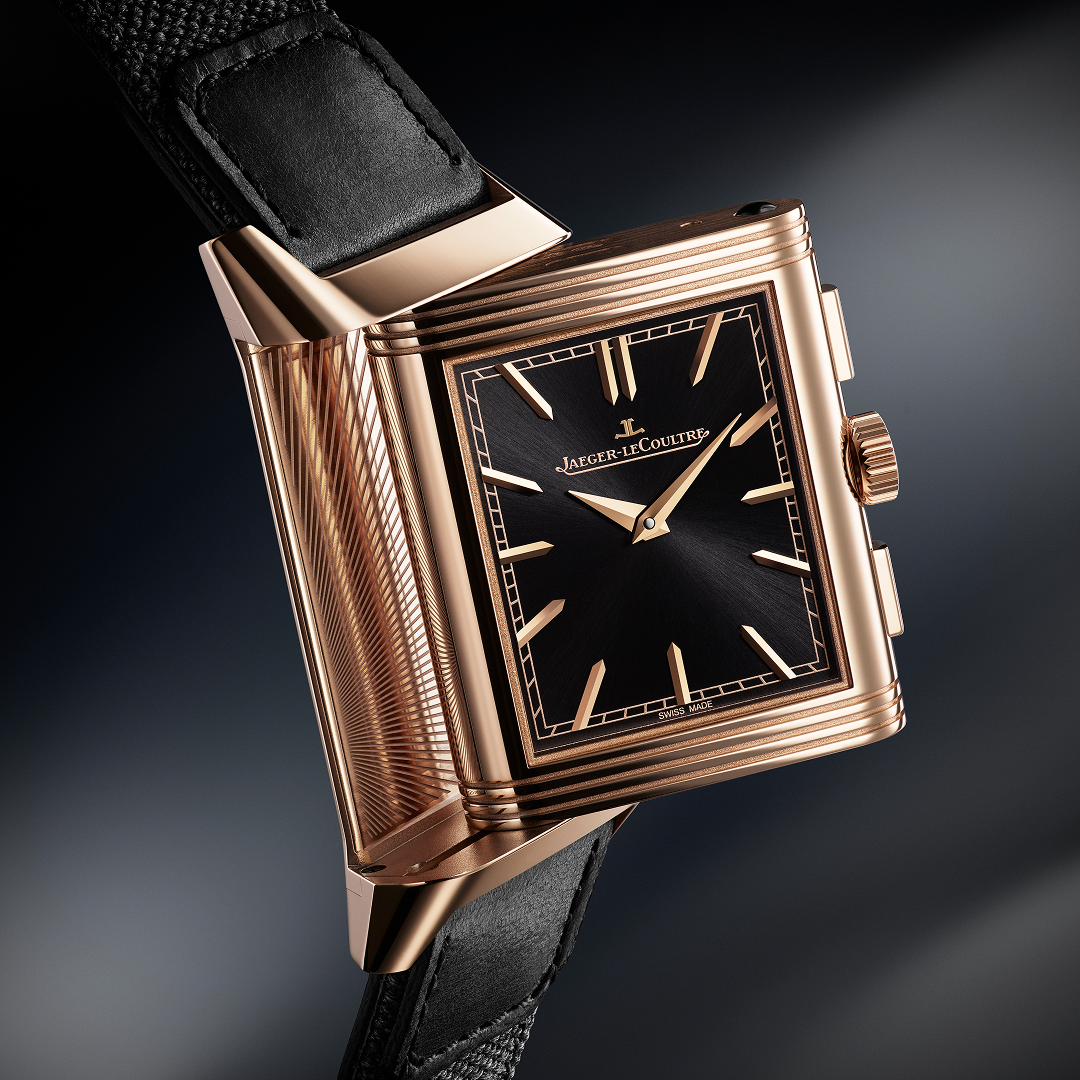
In February 2000, the British telecommunications group Vodafone AirTouch completed its acquisition of Germany's Mannesmann AG in a deal valued at more than $180 billion. Inside Mannesmann's portfolio, alongside cellular networks and industrial assets, sat a watchmaking holding company called Les Manufactures Horlogères, or LMH. Its portfolio included stakes in three historic watch manufacturers: 60% of Jaeger-LeCoultre, 90% of A. Lange & Söhne, and 100% of IWC Schaffhausen.
Vodafone's interest in Mannesmann was never driven by these assets, and it quickly signaled its willingness to sell them. Every major luxury player was interested: LVMH, the Gucci Group (then still separately listed but backed by PPR), the Swatch Group, and, of course, Richemont.
After a few intense months, Richemont came out the winner, but the route there took the form of a separate bilateral transaction outside the LMH sale process. Audemars Piguet owned the remaining 40% of Jaeger-LeCoultre, and in the weeks leading up to the LMH auction, Richemont negotiated separately to acquire that stake, and decisively reached an agreement.
Richemont could therefore offer a deal that would give it 100% ownership of Jaeger-LeCoultre, an outcome no rival bid could match, leading to exclusive talks with LMH. The deal closed in 2000 at CHF 2.8 billion for LMH itself, plus the CHF 280 million already committed to Audemars Piguet. Richemont paid fully in cash, drawing on the sale of BAT preference shares as well as proceeds from earlier divestments.
In the early 2000s, Richemont's Jewellery Maisons, led by Cartier, represented more than half of the revenue, followed by Specialist Watchmakers at roughly a third. The remaining 12% consisted of brands focused on textile, leather, and other consumer goods.
The company's 18.6% equity stake in BAT remained on the balance sheet until 2008, when Richemont distributed it to its shareholders, cutting all its tobacco ties at last. Though we have thus far outlined a string of well-executed and strategic acquisitions, these years would also see a costly misstep, one that was intended to make Richemont the leader in luxury e-commerce.
In 2002, Richemont participated in a small funding round for Net-a-Porter, a two-year-old London company founded by former fashion journalist Natalie Massenet. The Swiss group acquired a majority stake in the business in 2010 and, five years later, merged it with the Italian Yoox Group.
The transaction valued the combined entity, YNAP, at around €3 billion, with Richemont taking a 49% equity stake, though with only a 25% voting share. The merger created one of the world's largest online luxury retailers and was intended to deliver economies of scale across the combined business.
In 2018, Richemont doubled down, increasing its stake to just above 95%, valuing the growing and profitable YNAP at €5.3 billion. The acquisition strengthened Richemont's online presence, giving it control of an established e-commerce platform rather than requiring it to build one internally. The online luxury sector was expanding rapidly and was widely expected to continue on that trajectory, but this narrative would quickly change.
Following the full takeover, YNAP moved quickly into loss-making territory. A costly technology and logistics overhaul weighed heavily on the business, customer acquisition costs were high, and luxury demand was slowing. Brands were also increasingly pulling back from wholesale and shifting sales to their own direct-to-client platforms to control the customer journey, a trend accelerated by the pandemic. It was not only YNAP that was affected, but the sector as a whole.
In August 2022, Richemont announced it would sell a 47.5% stake in YNAP to Farfetch to offload its troubled e-commerce business, taking a €3.4 billion writedown on the investment. Regulatory clearance came in late 2023, but soon after, Farfetch announced it was being acquired by South Korean e-commerce group Coupang, and the YNAP deal was terminated.
It was not until October 2024 that Richemont found a new buyer and agreed to sell YNAP to Mytheresa. The transfer included €555 million in cash and no debt, in exchange for a 33% equity stake in Mytheresa (which, following the acquisition, was renamed LuxExperience). The deal closed in April 2025, with a write-down of roughly €1 billion, bringing cumulative writedowns to at least €5 billion.
The YNAP chapter certainly had its lessons. Investing in a luxury e-commerce platform and becoming a dominant player in the niche seemed like a reasonable thesis. However, the platform model required luxury brands to cede control over their customer experience and distribution, and when those brands began pulling back to prioritize their own direct channels, the model struggled.
Amid the operational noise of the YNAP saga, the rest of Richemont's brands continued to grow. Revenue increased from around €3.7B in FY2003 to €22.4B in FY2026, a roughly sixfold expansion over 22 years, yielding a CAGR of around 8%. Operating profit reached €4.5B, representing a margin of 20%.
While the majority of Richemont's growth was organic through the expansion of its existing brands, part of it came from acquisitions. However, with most of its major maisons already under the group's umbrella by the 2000s, Richemont has not relied on large deals to drive growth, making acquisition-driven contributions comparatively limited.
Richemont's portfolio consists of three segments, represented by 24 maisons (with the caveat that Baume & Mercier is currently being divested). Jewellery Maisons generated €16.5B in revenue in FY2026, or 74% of the total. Specialist Watchmakers contributed €3.1B, or 14%, and the Other segment added €2.7B, or 12%.
)
The increased revenue share of the Jewellery Maisons segment over these past few years is a result of its stable, resilient operating model, which we will expand on shortly. It was also driven by tougher years across its other segments, weighed down by the post-pandemic correction in the watch market and a challenging macro picture.
One of the biggest shifts over the last two decades has been the move to direct-to-client. Wholesale accounted for 59% of sales in FY2003, but by FY2026, it sat at only 23%. The direct-to-client channel had increased to 77% of total group sales, comprising 71% from retail boutiques and 6% from online channels. Inside the Jewellery Maisons, the direct-to-client share runs even higher.
That shift has been deliberate. Direct sales yields higher margins, gives the brand full control over presentation and the customer relationship, and generates client data that is more difficult to capture through wholesale channels. The YNAP misadventure had, if anything, sharpened that conviction.
Broadly speaking, the publicly traded luxury landscape is led by four major companies: LVMH, Richemont, Kering, and Hermès. All have branded jewelry and watch interests, but only Richemont is built entirely around hard luxury, with jewelry and watches representing the overwhelming majority of its revenue.
LVMH comes closest, with Bulgari (acquired in 2011 for $5.2B), Tiffany & Co. (acquired in 2021 for $15.8B, the largest luxury deal in history), and a handful of other jewelry and watch brands. However, relative to the rest of its business in fashion and leather goods, those assets represent a minority share of group revenue, at around €10.5 billion or 13% as of FY2025.
Other hard luxury players include private companies, such as foundation-owned Rolex and family-controlled houses like Patek Philippe and Audemars Piguet, though these are predominantly watchmakers with little to no presence in fine jewelry.
One of hard luxury's defining characteristics is that the materials carry intrinsic commodity value set by external markets. Silver, gold, and platinum hold their value regardless of what they're made into. Soft luxury categories such as handbags, leather goods, fragrances, and beauty has no equivalent floor. But at the very high end, craftsmanship, scarcity, and brand value usually account for the majority of the price.
The craftsmanship behind Richemont's products has been refined over decades, if not centuries, with techniques taking years to master. To preserve and pass on that knowledge, the group runs a watchmaking school in Geneva and a Creative Academy in Milan, while Van Cleef & Arpels supports L'École des Arts Joailliers, a jewelry and arts school with locations in Paris, Hong Kong, Shanghai, and Dubai. The craft of how to refine gold, set a stone, engrave a surface, and finish a watch movement, is partly what justifies the price customers pay, with marketing reinforcing that perception.
The pieces also compound in value through scarcity, driven by limited production and a deliberately narrow client base. That focus shows up in the store economics. Richemont operates over 1,400 retail stores globally across its Jewellery Maisons and Specialist Watchmakers segments, generating an average of about €10.5 million in revenue per store. The jewelry segment alone averages about €24.7 million per store, the result of a network built around exclusivity rather than scale.
Across its brands, Richemont focuses primarily on affluent, less price-sensitive customers. Combined with the intrinsic value of the materials used in some of its products, this helps explain the company's resilience during downturns. In contrast, companies with a more aspirational luxury positioning tend to correlate more closely with the broader economy.
This became evident in the 2024-2025 global luxury slowdown. LVMH's group revenue declined from €86.2 billion in FY2023 to €80.8 billion in FY2025, a cumulative drop of roughly 6%, with Fashion & Leather Goods leading that decline. Kering fell far more sharply, from €19.6 billion to €14.7 billion over the same period, indicating a decline of 25%. Richemont, by contrast, grew from €20.6 billion to €22.4 billion, gaining approximately 9%.
The resilience, though, cannot be explained by hard-luxury status alone, with Hermès serving as a prime example. The company grew at roughly twice Richemont's pace over the same period, as its combination of high-net-worth clients and deliberate scarcity consistently delivered stability without the support of a material floor.
Another factor that has complemented its high-net-worth client base in recent years is the trend of quiet luxury. Rupert addressed it directly at Richemont's H2 2024 earnings call (sourced through Quartr Pro):
"The clients who can afford to will not wish to be seen. That's why quiet luxury, you will recall, a few years ago, we said, "Less bling," and we went to less bling.... That is a trend that I think will continue, that people will become more sober."
According to Rupert, conspicuous consumption becomes uncomfortable in an era of widening wealth inequality. This is a tailwind for houses whose signature pieces are already designed with that in mind. A Hermès Birkin without a visible logo, a Van Cleef Alhambra, and a Cartier Love bracelet fit that template, in contrast to more logo-heavy brands.
Richemont's Jewellery Maisons consist of Cartier, Van Cleef & Arpels, Buccellati (acquired in 2019), and Vhernier (acquired in 2024). Across these, many of its iconic designs remain recognizable through generations, extended and refined season after season alongside newer introductions.
A 1924 Cartier Trinity ring looks more or less identical to a 2024 Trinity ring. The same holds for a 1968 and 2025 Van Cleef Alhambra necklace. A design that has been on the market for fifty or eighty years becomes deeply embedded in customers' minds, and is difficult for new entrants to replicate.
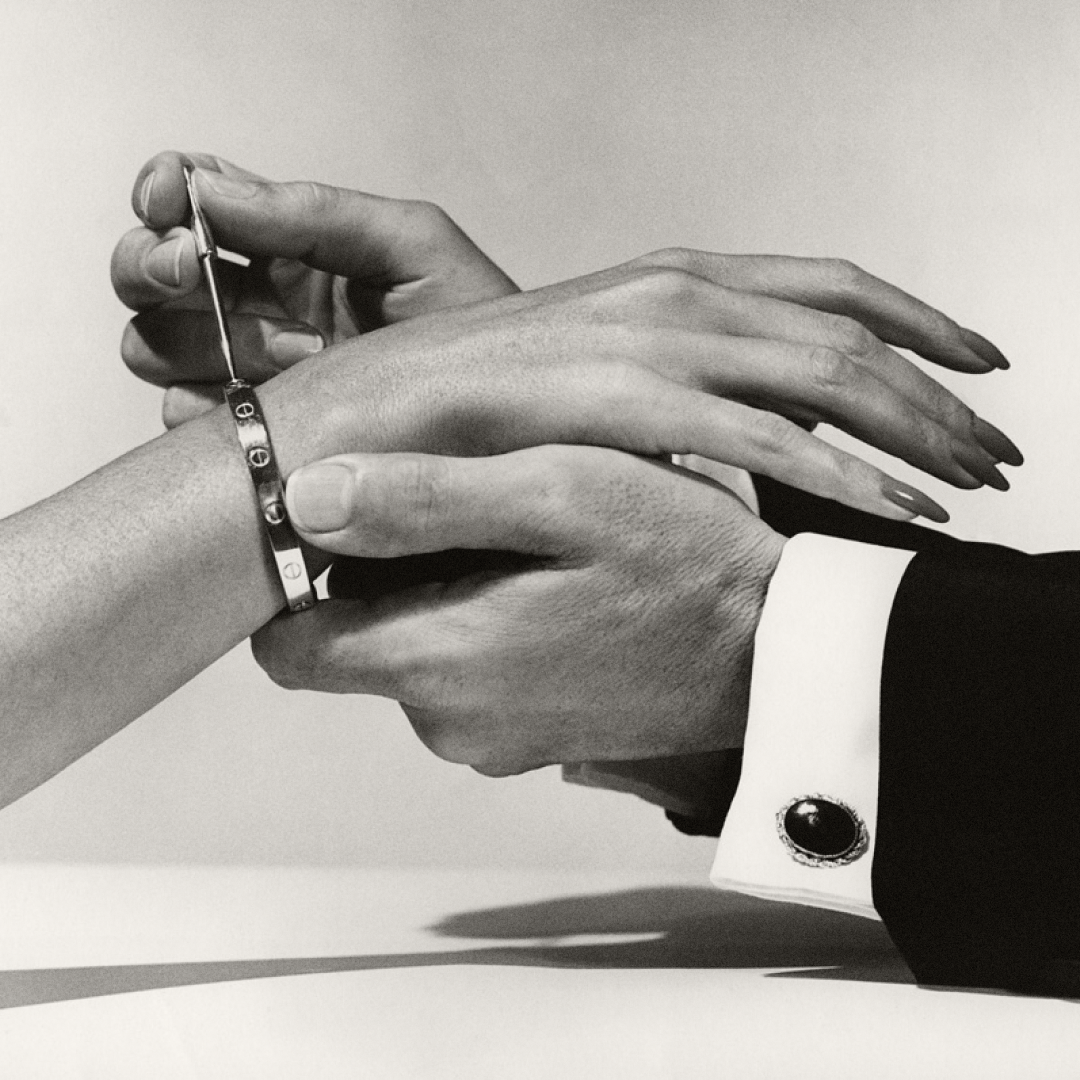
That position is partly the result of how the houses tell their own story. Just as Cartier built its positioning on royal associations, signature designs, and boutiques at some of the world's most luxurious addresses, a similar approach has become standard across the luxury industry as brands attempt to build emotional connections with customers. Rupert described it well at Richemont's H2 2012 earnings call:
“The basic drivers for the quality goods business and the world of luxury are so banal. But once somebody has worn a cashmere product, it's kind of hard to go back to lamb's wool. You may have to go back for a few years if your cash flow is insufficient, but you always treasure that dream. And this I never believed.
Joe Kanoui explained it to me. He said that once you've tasted it, there is that drive for fine products. And a friend of mine defined luxury as something that you never really knew that you needed. You never missed it. And then once you got used to it, you couldn't do without it. But you never realized that you needed it. But once you get used to it and it becomes a habit, you can't do without it.”
Cashmere may not be luxury in the strict sense, but the psychology Rupert describes is the same: once consumers experience something better, attachment forms. That attachment is ultimately what luxury brands are selling.
Richemont's pricing tiers mirror that progression, ranging from around $2,000 for entry-level pieces to tens of millions for high jewelry. Entry-levels give Cartier mass-market recognition and customers a taste of fine products. Enduring designs like the Love bracelet and Juste un Clou sit at around $8,000, broadening accessibility without diluting the offering.
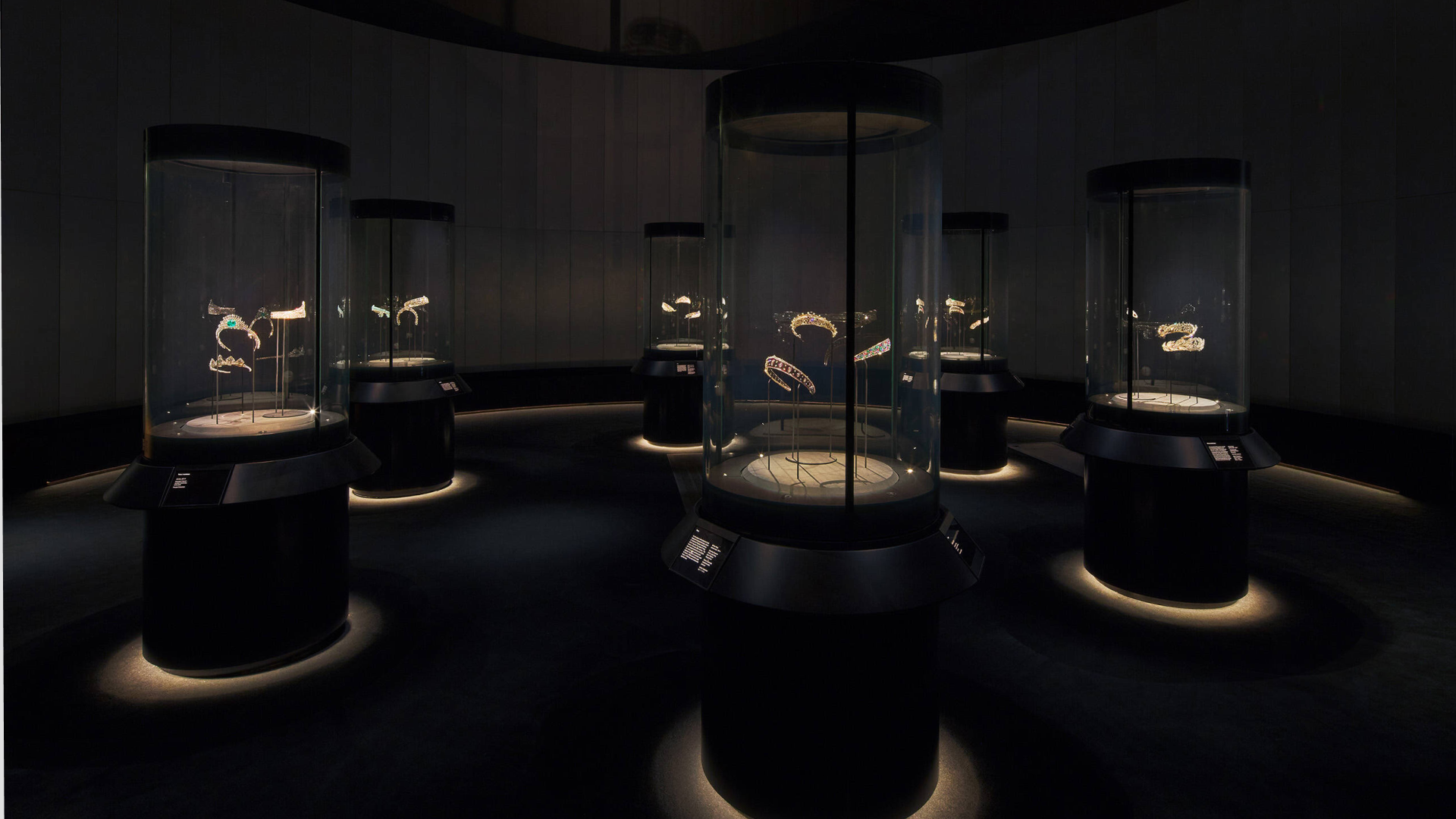
At the top sits Haute Joaillerie, consisting of rarer, sometimes limited or one-of-a-kind designs. These are often presented at public exhibitions but are purchased through deeply relationship-driven channels, which are essential to the brand's prestige positioning. The strategy contributes to its roughly 32% operating margin within the Jewellery Maisons and stands in sharp contrast to the broader customer base targeted during the Hocq era.
The expansion of Van Cleef & Arpels within Richemont illustrates the strength of the group's long-term business model. When the maison was acquired in 1999, it was significantly smaller than Cartier. Richemont does not report brand-level revenue, but differences in scale are evident across the brands' store networks. In 1999, Van Cleef & Arpels had only 42 boutiques compared to Cartier's 211. But from there, it has methodically expanded. It reached 65 boutiques by FY2008, around 100 by FY2013, 133 by FY2019, and 175 by FY2026. Cartier currently has 273 boutiques.
Throughout this period, it reintroduced the iconic 1906 Alhambra motif in 2001 and amplified it with the centennial Alhambra collection in 2006, launching two jewelry collections alongside it. As mentioned earlier, the maison also established L'École des Arts Joailliers in 2012 to foster cultural engagement with the craft. Richemont's newer, smaller brands, Buccellati and Vhernier, will likely apply a similar long-term playbook over the coming years.
Much of the Van Cleef & Arpels expansion was led by Nicolas Bos, who joined Richemont in 1992. In 2000, he became Van Cleef & Arpels' International Marketing Director. Bos rose through the ranks to become its President and CEO in January 2013 and, in 2024, was appointed group CEO of Richemont. In a 2016 ESSEC Alumni interview, he outlined the philosophy behind Van Cleef & Arpels' growth:
"In fine jewelry, cycles are longer, it takes two to three years to design and craft a collection, up to ten years to promote it. We are now seeing the fruits of what we sowed several years ago."
He continued on the acquisition price:
“We are very happy to prove our shareholders right, after some analysts claimed 15 years ago that the price paid for Van Cleef & Arpels was too high. One of the great strengths of our group is the ability to spot the brands that can become good investments in the medium to long term.”
Adding more houses to the group creates economies of scale that no single house could achieve on its own. While Richemont's Maisons operate with substantial autonomy under their own CEOs, there is a shared infrastructure across distribution, finance, legal, IT, and administration. Sourcing inputs such as gold and diamonds, identifying and securing real estate, and marketing all benefit from the group's negotiating power. The scale accumulates.
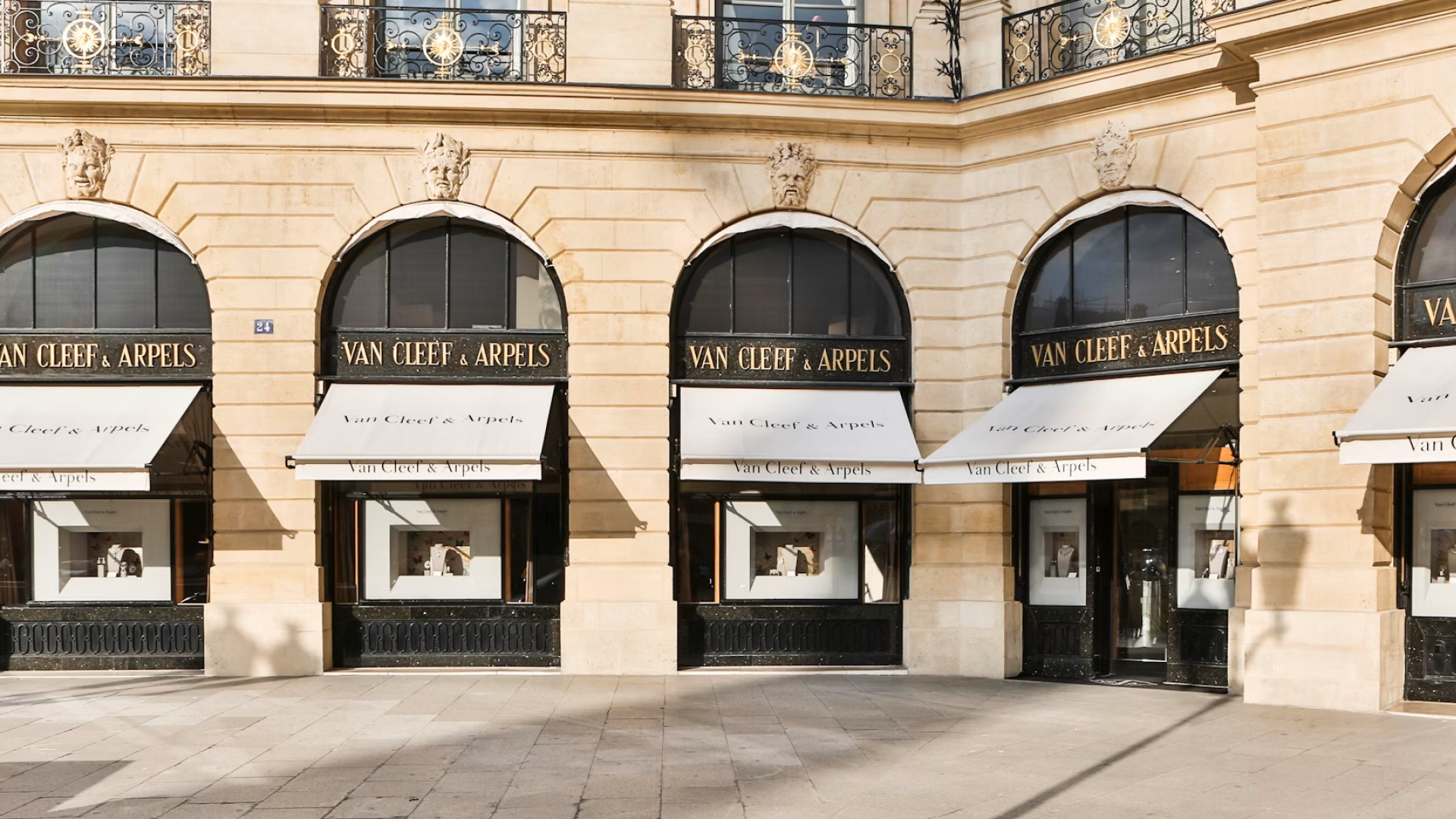
Richemont's Specialist Watchmakers segment includes Vacheron Constantin, IWC Schaffhausen, Jaeger-LeCoultre, A. Lange & Söhne, Piaget, Officine Panerai, Roger Dubuis, and Baume & Mercier, which is set to be divested in 2026.
From FY2003 to FY2016, the watchmaking segment revenue grew nearly fourfold from €0.8B to €3.2B, with operating margins peaking at 26.6% by FY2013. The expansion was largely driven by the Asia-Pacific region, particularly China and Hong Kong.
That rapid growth stopped in 2016. The Chinese government had launched an anti-corruption campaign that had been gradually weighing on luxury watch sales, and by the mid-2010s, a slowing Chinese economy and a stock market crash accelerated the pressure. The industry had simultaneously overproduced on the assumption that Chinese demand would keep climbing, and when demand softened, inventory built up.
Swiss watch exports fell 9.9% in 2016, their worst performance since the financial crisis. With the vast majority of Richemont's watch brands based in Switzerland, the company was inevitably caught in the downturn.
Across the region, retailers were left with unsold watches that risked being offloaded into the gray market at a discount. To prevent that, Richemont bought back inventory from authorized partners between FY2016 and FY2018. Johann Rupert discussed the strategy at the company's H2 2021 earnings call:
"Your wholesale partners get stuck with stale stock, which they then immediately put into the gray market. They don't like it. We don't like it. Your brand equity is affected. And so we – it's a deliberate decision to not pump watches into the market, but to maintain a sell-out to sell-in ratio."
The buybacks protected the brand's equity, but the fallout in China still impacted the results. In FY2017, the watchmaking segment's revenue fell 11%, while operating profit declined 57%, resulting in an operating margin of 8%.
Margins climbed back to 12.8% by FY2019 as the segment worked through the 2016 crisis before facing the Covid-19 pandemic. Boutiques, multi-brand retailers, and airport duty-free outlets all closed at once, together pushing operating margin down to 6% in FY2021.
When the world began to open up, the rebound was sharp, and by FY2022, the Specialist Watchmakers segment's sales were up 53% year-over-year, with operating margins recovering to 17.3%, and further to 19% in FY2023. Soon, the cycle was repeating. China's economic slowdown reduced sales in the watch segment by 13% in FY2025 and by a further 4% in FY2026, with operating margins ultimately approaching 3.4%. Beneath these cycles lies a consistent set of structural drivers.
)
As evident through these years, Richemont's Specialist Watchmakers segment is more volatile than jewelry, driven by where it sells, how it sells, and its cost structure. Geographically, the segment leans more toward Asia-Pacific, so when demand across Greater China softens, sales generally decline, while jewelry's broader geographic mix helps offset downturns in individual regions.
In distribution, the segment has a larger wholesale share compared to the Jewellery Maisons. One reason is that brands such as A. Lange & Söhne and Roger Dubuis are smaller, which makes standalone boutiques harder to justify and could thereby amplify the impact of destocking during downturns. On the cost side, most of the segment's manufacturing is situated in Switzerland, which historically has left it more exposed to a strengthening Swiss franc.
Richemont's third and final segment is a relatively diverse set of brands, housing Montblanc, Alaïa, Chloé, Peter Millar, G/FORE, Dunhill, Delvaux, Gianvito Rossi, Serapian, Purdey, TimeVallee, and Watchfinder.
These brands have experienced varying levels of performance over the years. Alaïa, under former creative director Pieter Mulier, has delivered high growth and increased its global recognition over the last several years. Peter Millar has grown into an established golf and lifestyle business in the United States. Montblanc remains the dominant brand in luxury writing instruments, with a growing presence in leather goods.
Other brands have not performed as well. Dunhill, a British luxury menswear and accessories brand, has undergone multiple repositionings. Chloé, a French luxury fashion house, has struggled to find the right creative direction, resulting in numerous leadership changes.
Finding the right set of brands has been difficult, but absorbing several years of operating losses while it scales is a manageable cost for the group, and the upside, if any of these brands succeed, could outweigh the accumulated costs multiple times over. Management describes the segment as transitional, and the losses are the price of an accumulation strategy that is waiting to compound.
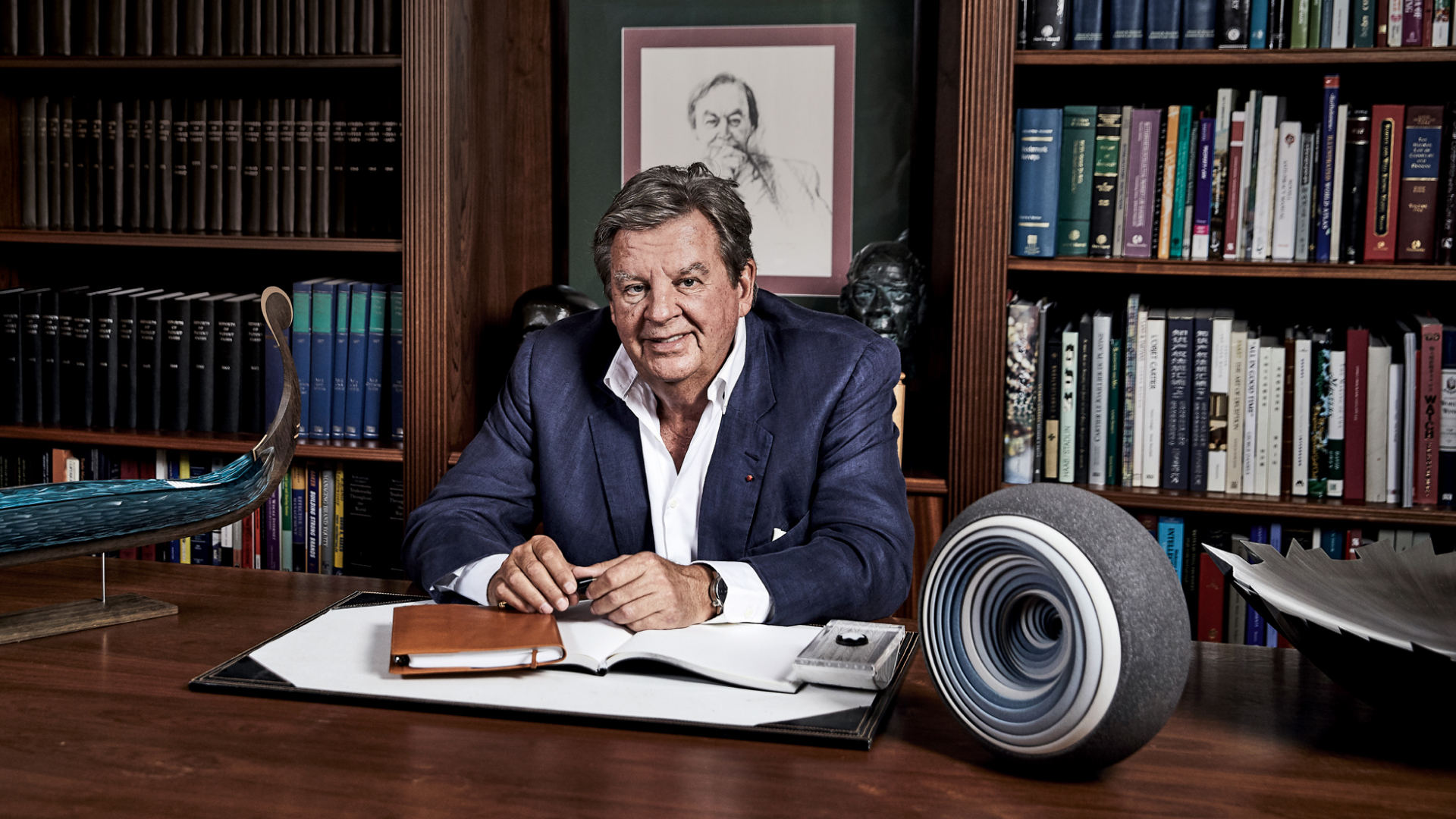
Johann Rupert has been the central figure at Richemont since the company's founding in 1988. He spent the first decade reshaping the portfolio from a tobacco-anchored holding company into a luxury group, and the decades that followed growing it into the €22.4 billion business it is today.
Rupert was Richemont's founding CEO and held the role until 2002, when he moved to the chairmanship he has occupied ever since (with a one-year sabbatical in 2013-2014). The CEO seat passed through several hands over the following decade and a half, including a brief return by Rupert in 2003-2004, followed by Norbert Platt's tenure from late 2004 to 2010, before Rupert returned for a third stint that lasted until 2013.
From there, the company operated with co-CEOs Bernard Fornas, the former CEO of Cartier, and Richard Lepeu, a Richemont veteran, until Fornas stepped down in 2016. Later that year, as Lepeu prepared to retire, Rupert announced he would eliminate the Group CEO role entirely rather than appoint a replacement. He framed the decision at Richemont's H1 2017 earnings call:
"It's nonsensical to have a CEO above the CEO of one of the world's biggest maisons. [...] The board's role is to allocate capital, and that also involves finance and human resources."
The move came alongside a generational reset of the board, with eight long-serving directors departing simultaneously. CEOs of each brand would now report directly to the board, and directors would be given dedicated portfolio responsibilities.
The arrangement was adjusted in September 2018, when Rupert appointed Jérôme Lambert as Group CEO, though the CEOs of Cartier and Van Cleef & Arpels continued to report directly to the board rather than to him. The flatter structure seemed logical given the independent maisons, but it also leaves ambiguity about who holds final authority over group-level decisions. A full reversal came in 2024, when Richemont announced Nicolas Bos as group CEO, with Lambert moving to COO, in a shift to tighten operational management.
Rupert turned 76 in June 2026 and remains Chairman with no reported plans to retire. As mentioned, the Rupert family still controls roughly 51% of the voting rights, and beneath that, succession appears to be developing according to plan. Johann Rupert has three children. The eldest, Anton Rupert Jr., born in 1987 and named after his grandfather, has been on the Richemont board as a non-executive director since 2017. He is assumed to be the next-generation custodian of the family's holding companies.
What Anton Rupert started in a Johannesburg garage was a cigarette company, not a jewelry empire. The luxury arrived through a lighter partnership that became a stake in Cartier, and after a car accident in Paris, the South African tobacco group became the owner of one of the world's most famous jewelers. Richemont built durability at every level: materials with a floor no brand sets, clients who don't flinch when the economy turns, designs that compound rather than expire, and ownership that's free to think in decades rather than quarters.
Explore our platforms
Leading companies and financial institutions worldwide rely on Quartr to make better decisions faster.
Desktop
API
)
)
)