
Edge16 Oct 2026
Winner, Winner: The Chicken McNugget Story
How a 1940s breeding contest, a Cornell food scientist, and a hedge by Ray Dalio helped McDonald's turn the Chicken McNugget into a fast-food icon.

Natural gas accounts for 67% of 2026 budgeted segment EBDA; refined products 26% and CO₂ 7%.
Network includes ~58,600 miles of natural gas transmission, ~6,800 miles of gathering and >700 bcf of working storage; transports ~40% of U.S. natural gas production.
96% of 2026 budgeted cash flows are take-or-pay, fee-based or hedged: 65% take-or-pay, 26% fee-based, 5% hedged and 4% unhedged.
Global natural gas demand is projected to grow ~130 bcfd by 2050; U.S. demand is forecast to rise 46 bcfd, or 40%, from 2025 to 2035.
Wood Mackenzie forecasts U.S. LNG feedgas demand up 22.9 bcfd (+145%) and power demand up 16.9 bcfd (+47%) from 2025 to 2035.
Long-term contracts cover 8 bcfd of LNG deliveries today and nearly 13 bcfd by end-2030; ~15% of the $14.4bn project backlog serves LNG demand.
More than 75% of the $14.4bn backlog is directed to power generation and utility demand; ~205 GW of data center capacity under development is in states with natural gas transmission assets.
Committed growth backlog totals $14.4bn as of 3Q 2026 earnings, including a record $13.2bn natural gas backlog at an estimated ~5.7x EBITDA build multiple.
~20% of backlog capital is expected to enter service between 4Q 2026 and end-2027; the capital-weighted average expected in-service date is 1H 2029.
273 projects representing nearly $5.4bn of capital entered service in 2021–2025; actual year-two investment multiple was 4.5x versus 4.4x originally estimated.
Total capex for 2021–2025 projects was within 0.5% of original estimates despite 26% cumulative inflation; most projects finished on time and on budget or better.

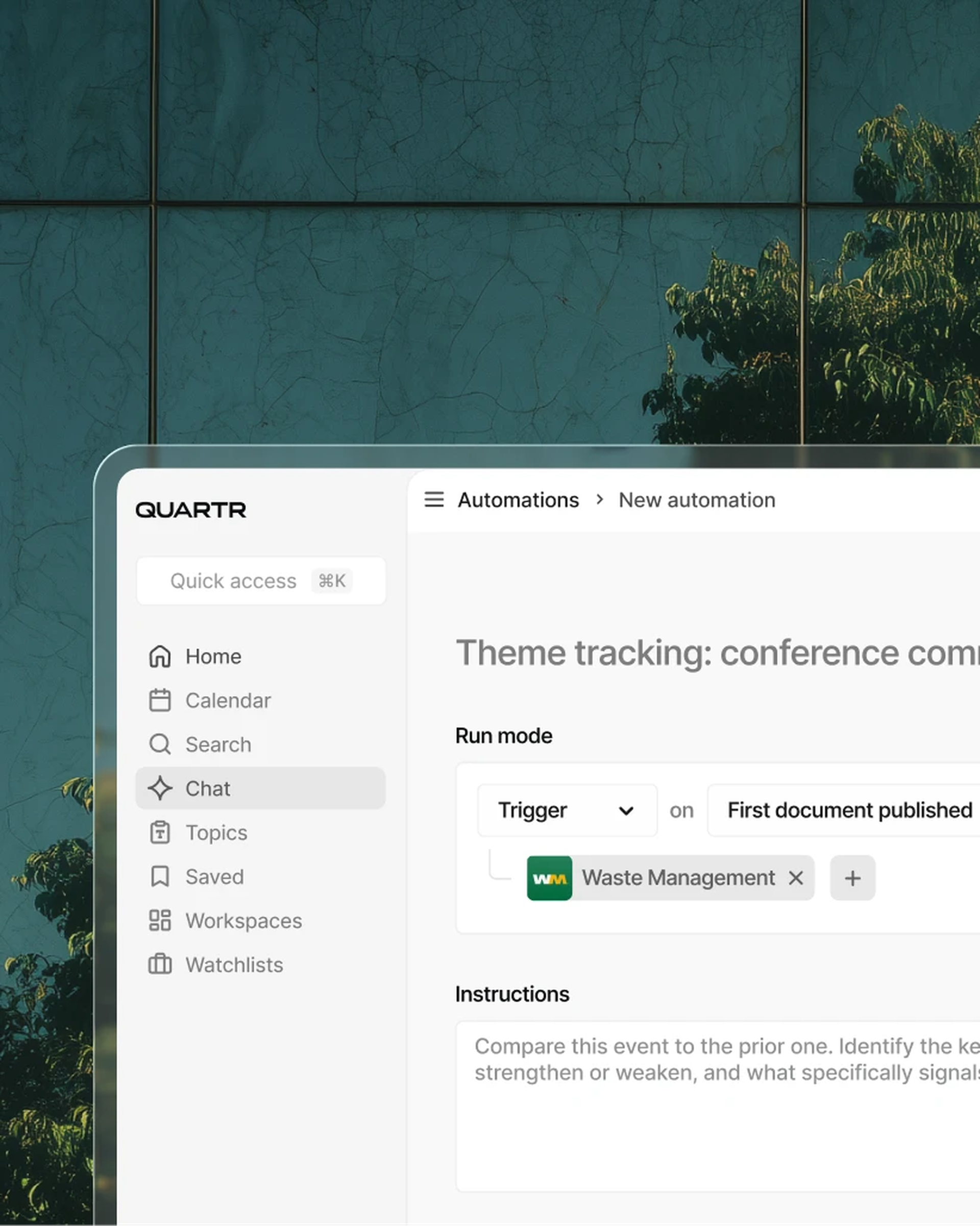
AI chat
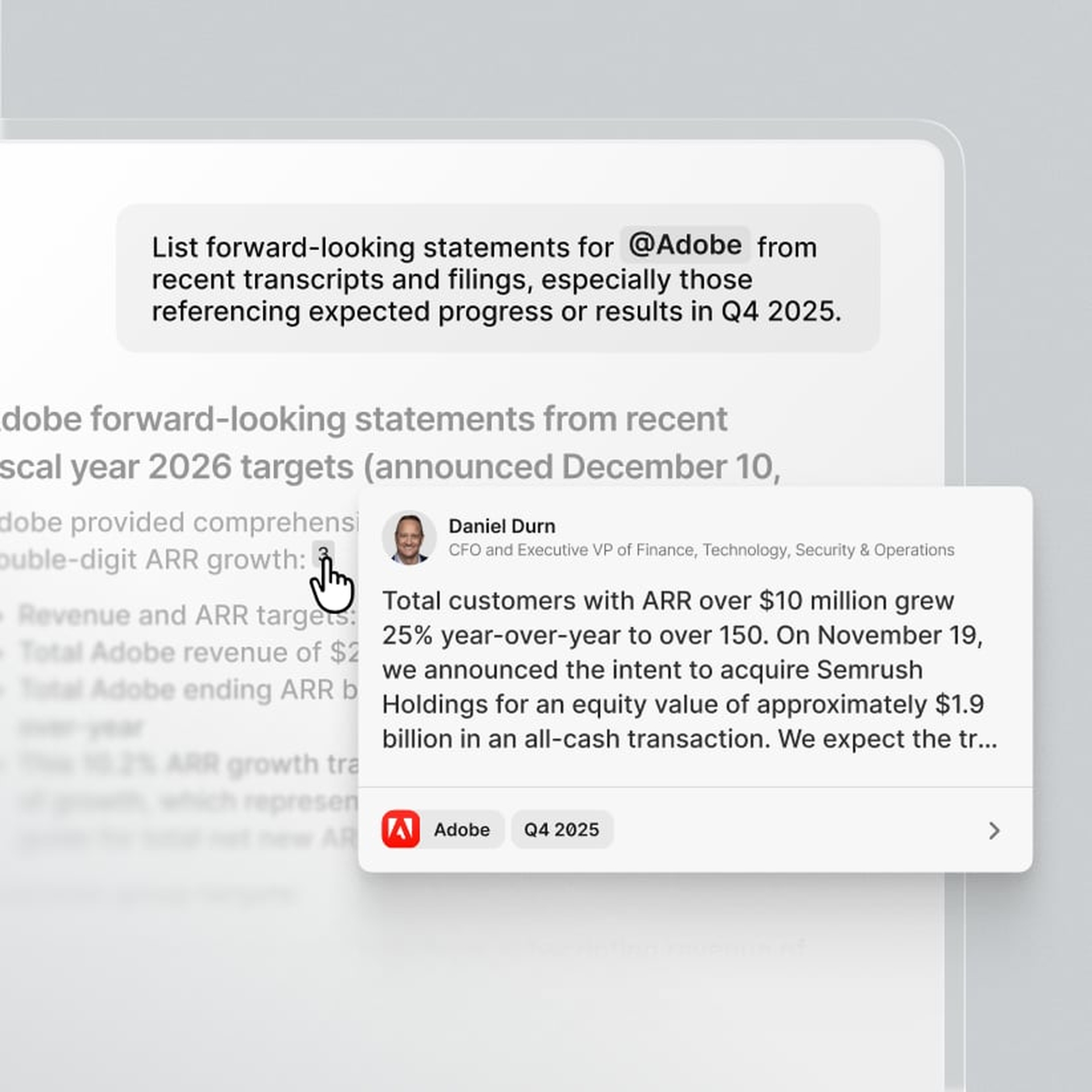
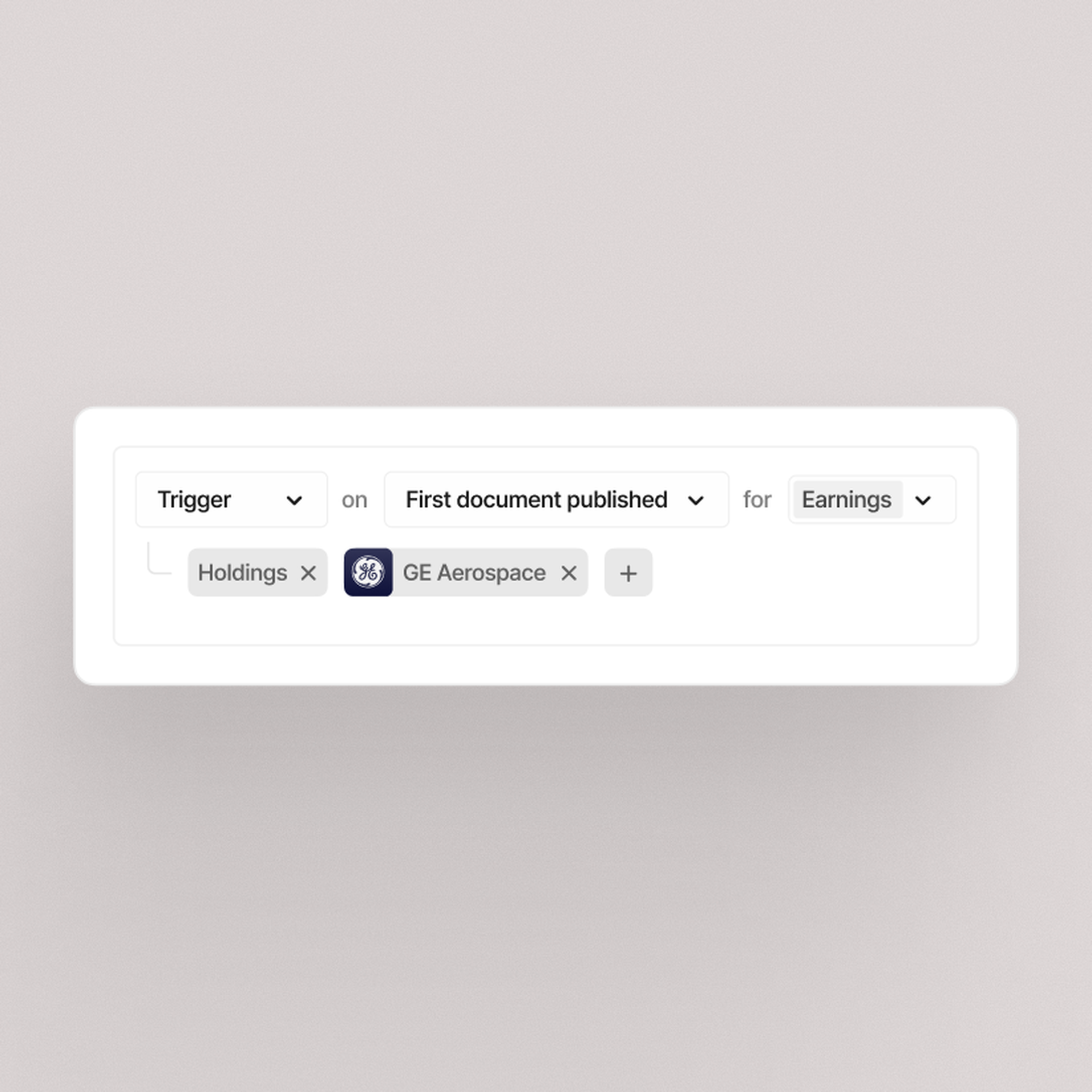
Automations

Live audio & transcripts

Quartr's AI stands out because it only pulls clean, first-party data from public companies. In investing, that's everything.
Jamie Ross
Investment Manager, GAM Investments
Research that used to take hours now takes seconds with Quartr Pro. Tracking shifts in tone or extracting tables, it's as simple as typing a query.
Tom O'Hara
Investment Director
Before Quartr we spent hours manually compiling insights through the peer earnings cycle. Now, these tasks are done faster, with greater precision.
Gregg Lampf
VP of Investor Relations
Being able to ask specific questions across years of transcripts and reports and instantly get verified answers is a game-changer.
Pontus Dackmo
CEO & Investment Manager
Kinder Morgan is an American energy infrastructure company that specializes in the transportation and storage of natural gas, gasoline, crude oil, CO2, and other products. The company's pipelines transport natural gas, refined petroleum products, and crude oil, making it a key player in the US’s energy supply chain. Besides transportation, the company also owns and operates several storage facilities across the country. The company is headquartered in Houston, Texas, and its shares are listed on the NYSE.
Kinder Morgan was established in February 1997 by a group of investors. It was formed by the acquisition and merger of a group of pipelines and terminals originally owned by Enron Liquids Pipeline, L.P. The company's founders, Richard Kinder and William Morgan, were former executives at Enron. They aimed to create a different kind of energy company focused on pipeline transportation and storage. Over the years, Kinder Morgan expanded significantly through numerous acquisitions, consolidating various smaller energy infrastructure entities. The company was acquired and taken private in a leveraged buyout by various outside investors, including Goldman Sachs. The company went public again in 2011.
Kinder Morgan's transportation business is a critical aspect of its operations, primarily focusing on the movement of natural gas, crude oil, gasoline, and carbon dioxide. The company owns an extensive network of pipelines, making it one of the largest pipeline operators in North America. This network facilitates the efficient and safe transportation of energy products across vast distances. Kinder Morgan's pipelines are integral to connecting energy-producing areas with consumption markets, and the infrastructure is vital for the energy sector. Two examples of public companies offering similar services are Energy Transfer and Plains All American.
Kinder Morgan's storage operations are a significant component of its business model, providing essential services in the energy sector. The company operates a diverse network of storage facilities, which include large-scale tanks and underground storage systems. These facilities are strategically located to support the energy supply chain, offering storage solutions for the same type of products that it offers transportation services for.