Edge16 Oct 2026
Winner, Winner: The Chicken McNugget Story
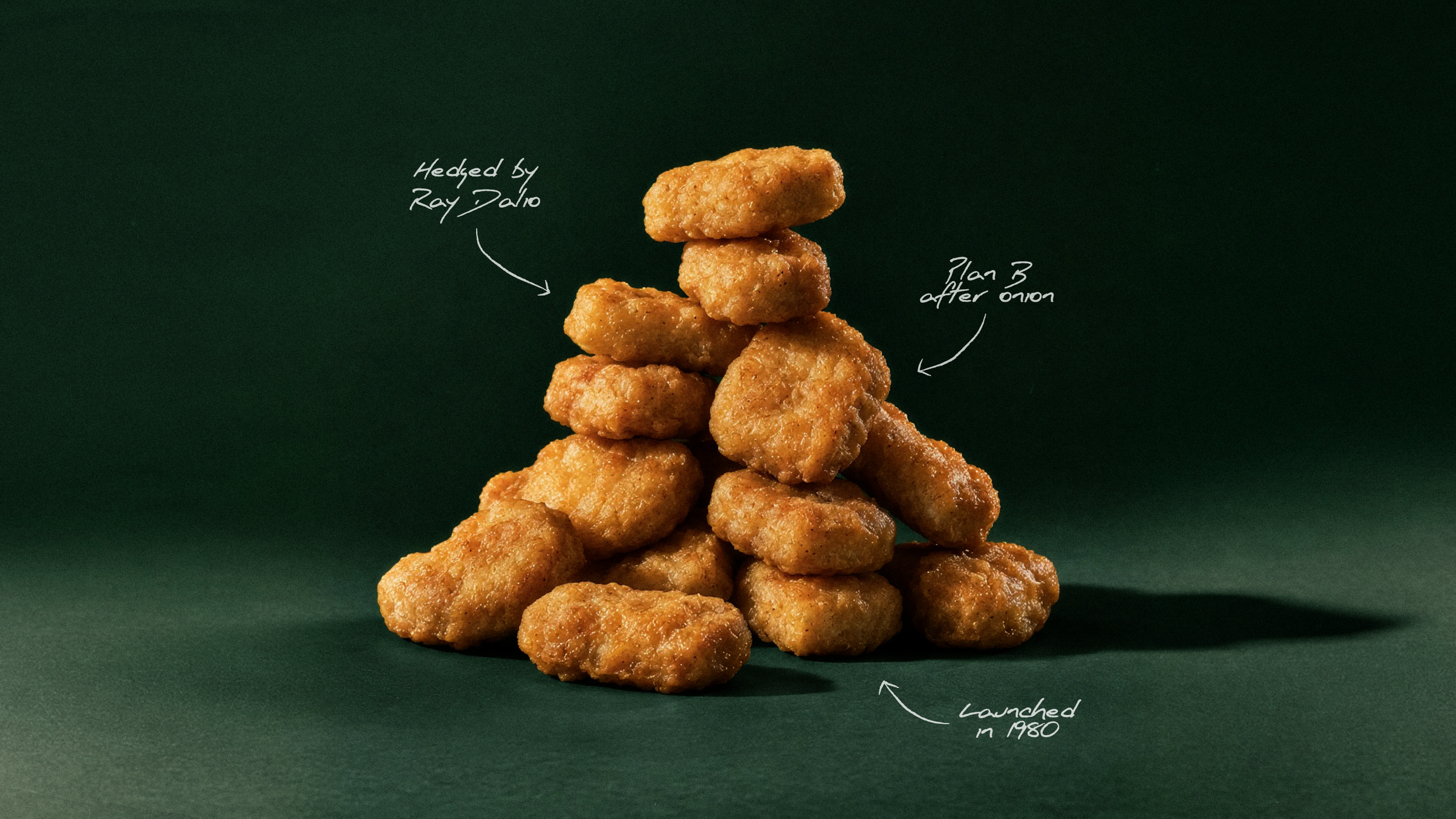
How a 1940s breeding contest, a Cornell food scientist, and a hedge by Ray Dalio helped McDonald's turn the Chicken McNugget into a fast-food icon.

FY26 generation totaled 14,506 GWh from 3,150 MW of installed capacity: 12,571 GWh hydro, 1,905 GWh wind and 30 GWh from batteries.
Holds 43% of NZ installed hydro capacity and produced 49% of national hydro generation in FY26; renewable generation supplies over 30% of NZ electricity needs.
Operates seven large hydro stations and eight wind farms; solar farm construction is underway. Electricity retail is the largest in NZ by volume.
Strategy prioritizes renewable generation and firming, cleaner and cheaper energy, operational excellence, and workforce capability and culture.
Sustainability credentials include an S&P Global CSA top-10% ranking and MSCI ESG rating of AAA.
NZ may require $30B of investment in new renewable generation by 2050, with significant existing generation also due for replacement or repowering.
5 TWh of annual renewable generation was commissioned in 2020–2025, equal to 11% of 2025 generation; another 3.4 TWh is under construction or in final commissioning for delivery by 2028.
Renewable pipeline totals 6,384 GWh not yet constructed: 702 GWh in construction, 1,727 GWh consented, 350 GWh in consent and 3,605 GWh of consents planned for FY27 lodging.
Waitaki hydro upgrade is a $440M–$510M nominal investment over 10 years, covering all seven generating units and related assets; it is expected to add 15 MW and extend station life.
Additional Lake Pūkaki storage provides up to five metres of storage; new Planning and Environment Acts passed in 2026 to improve generation consenting.
Customer numbers grew 12% in FY26, including ex-Flick customers; customer sales increased 14%.
More than 245,000 customers had migrated to the Kraken platform; over 30,900 used Smart Hot Water, and 70 chargers adding 140 DC fast-charge points joined the network in FY26.
Energy Wellbeing Programme supported 1,048 households in FY26; the public EV network reached 519 charge points.
Climate plan targets seven large-scale renewable projects underway by 2030, 20 new grid-scale renewable projects underway by 2050, and net-zero business emissions by 2050.
Climate initiatives include customer decarbonisation, demand flexibility, transport and heat electrification, hydro flexibility, emissions reduction and climate resilience.

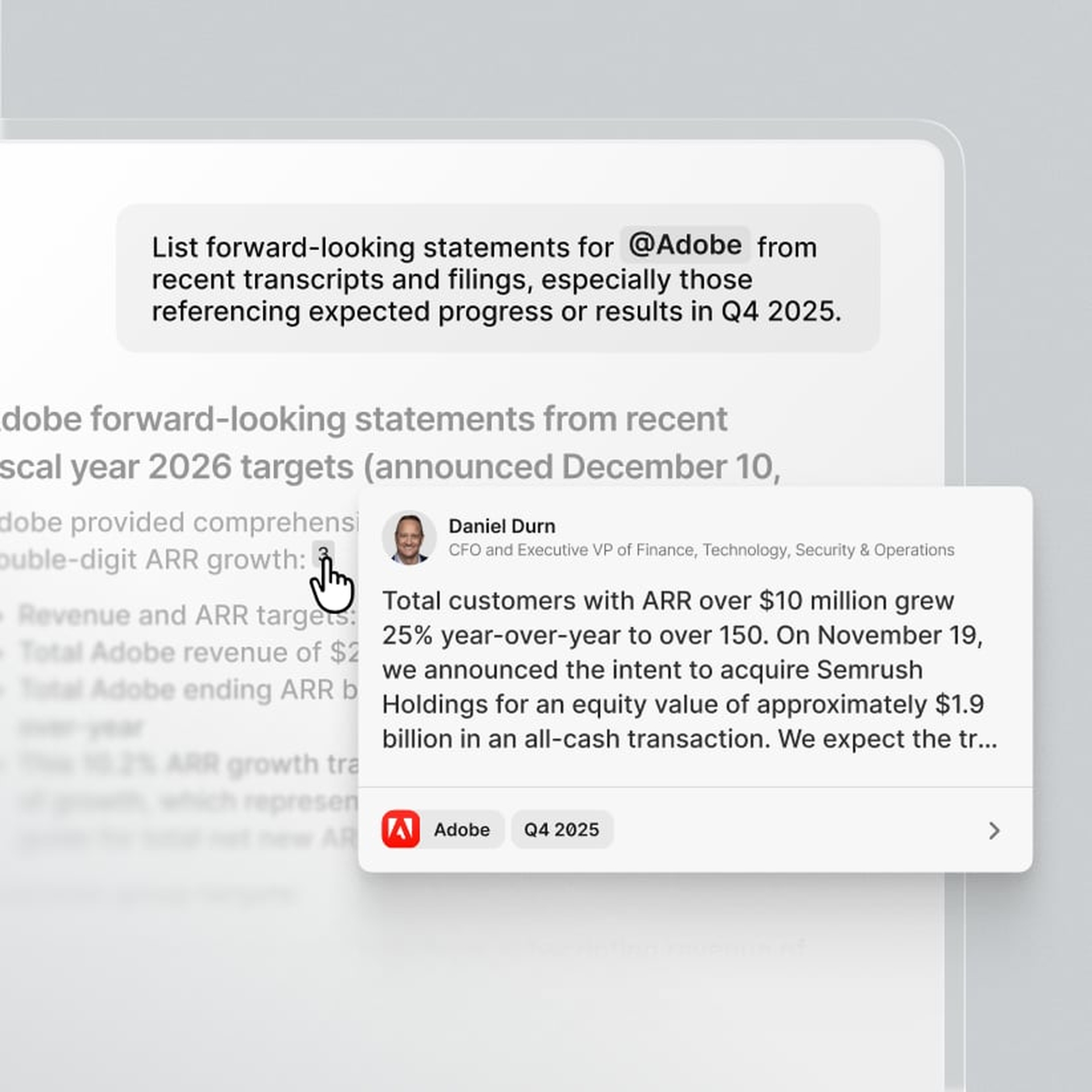
AI chat
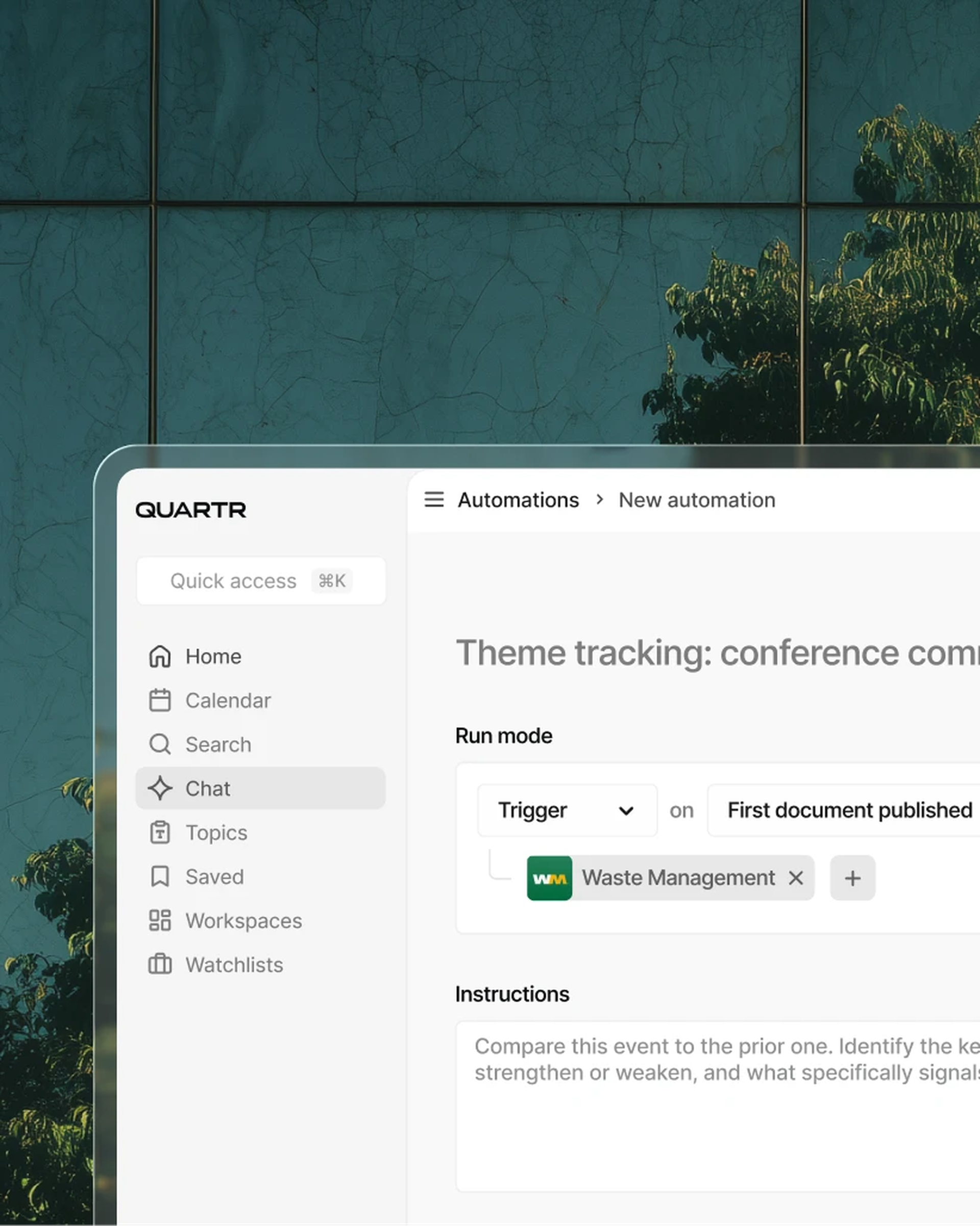
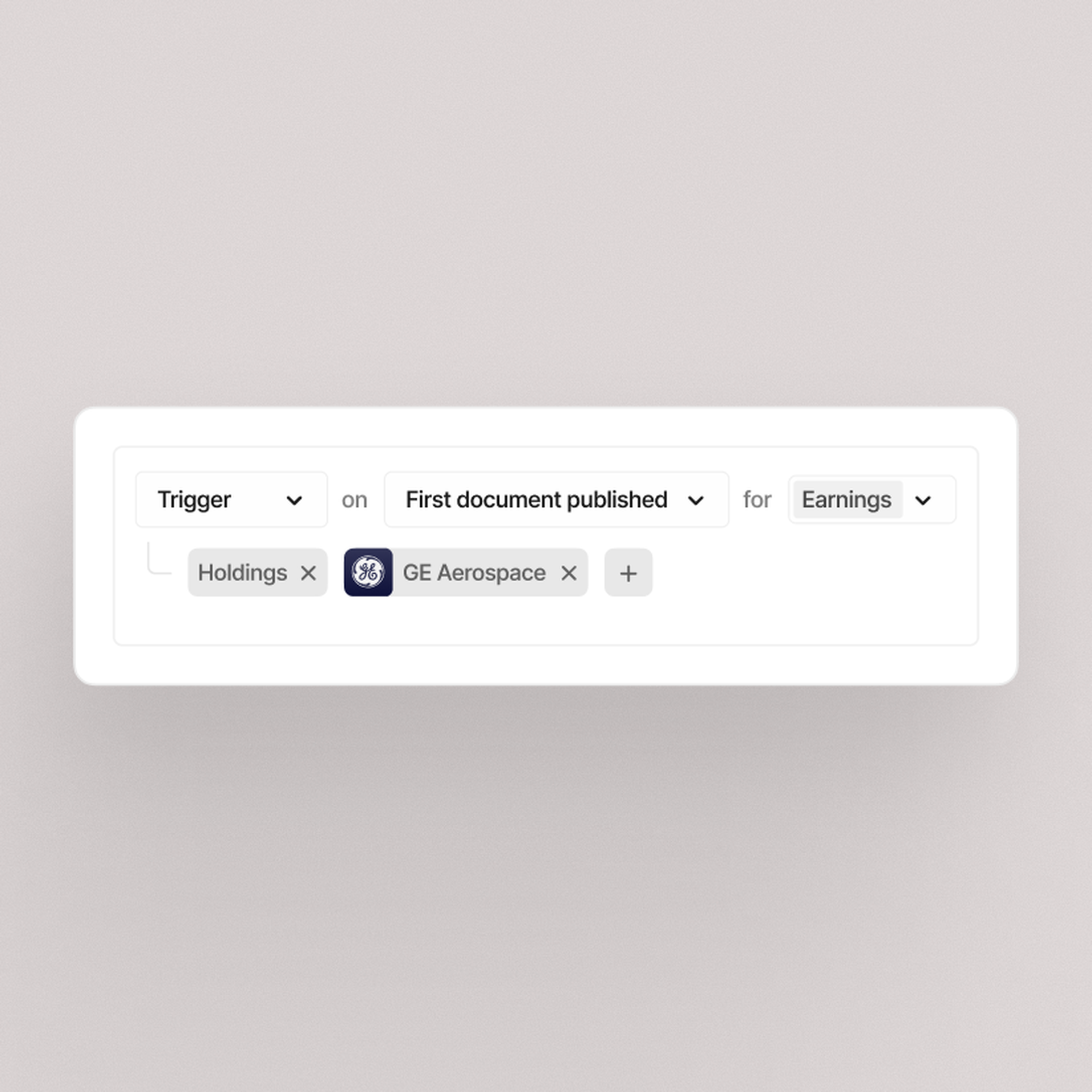
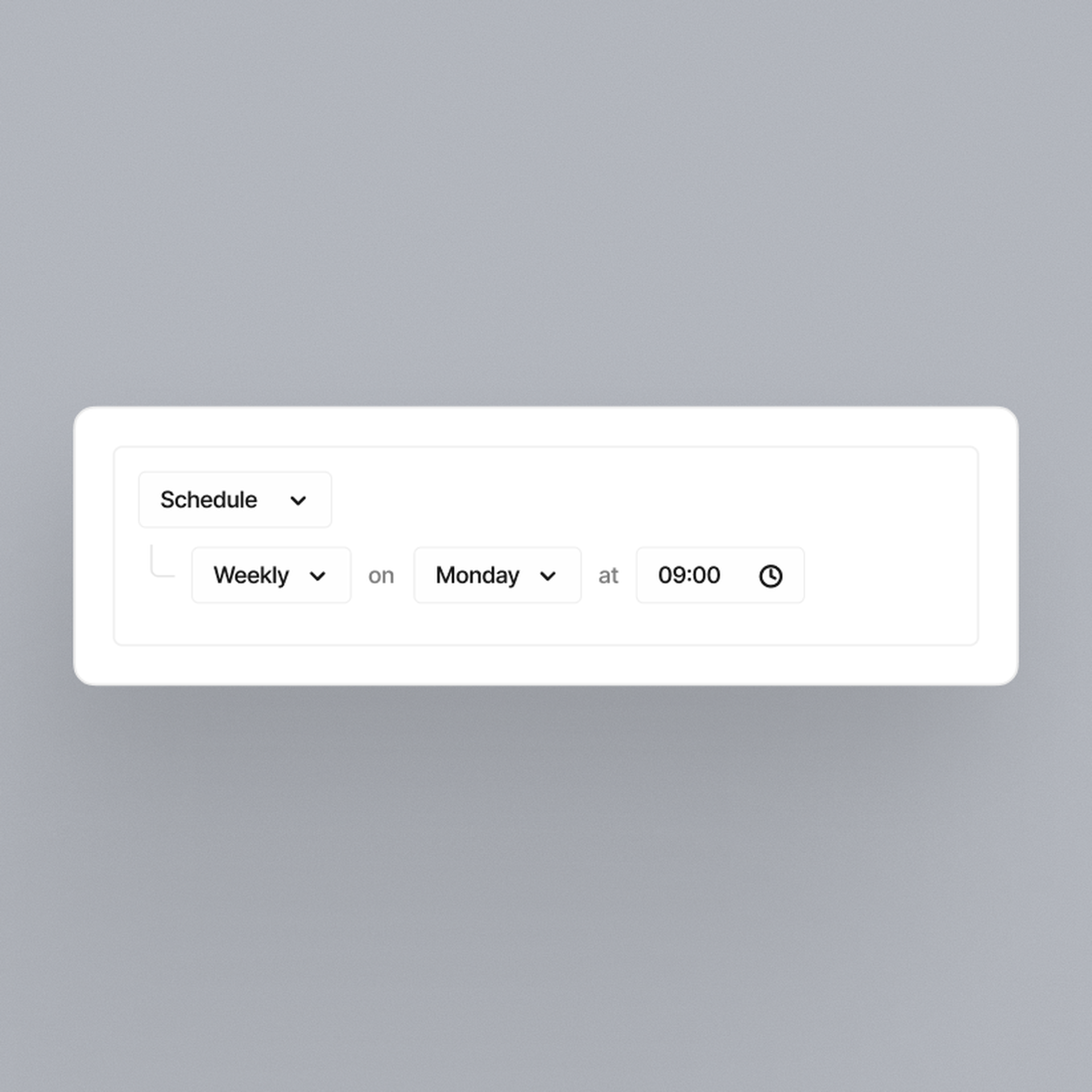
Automations
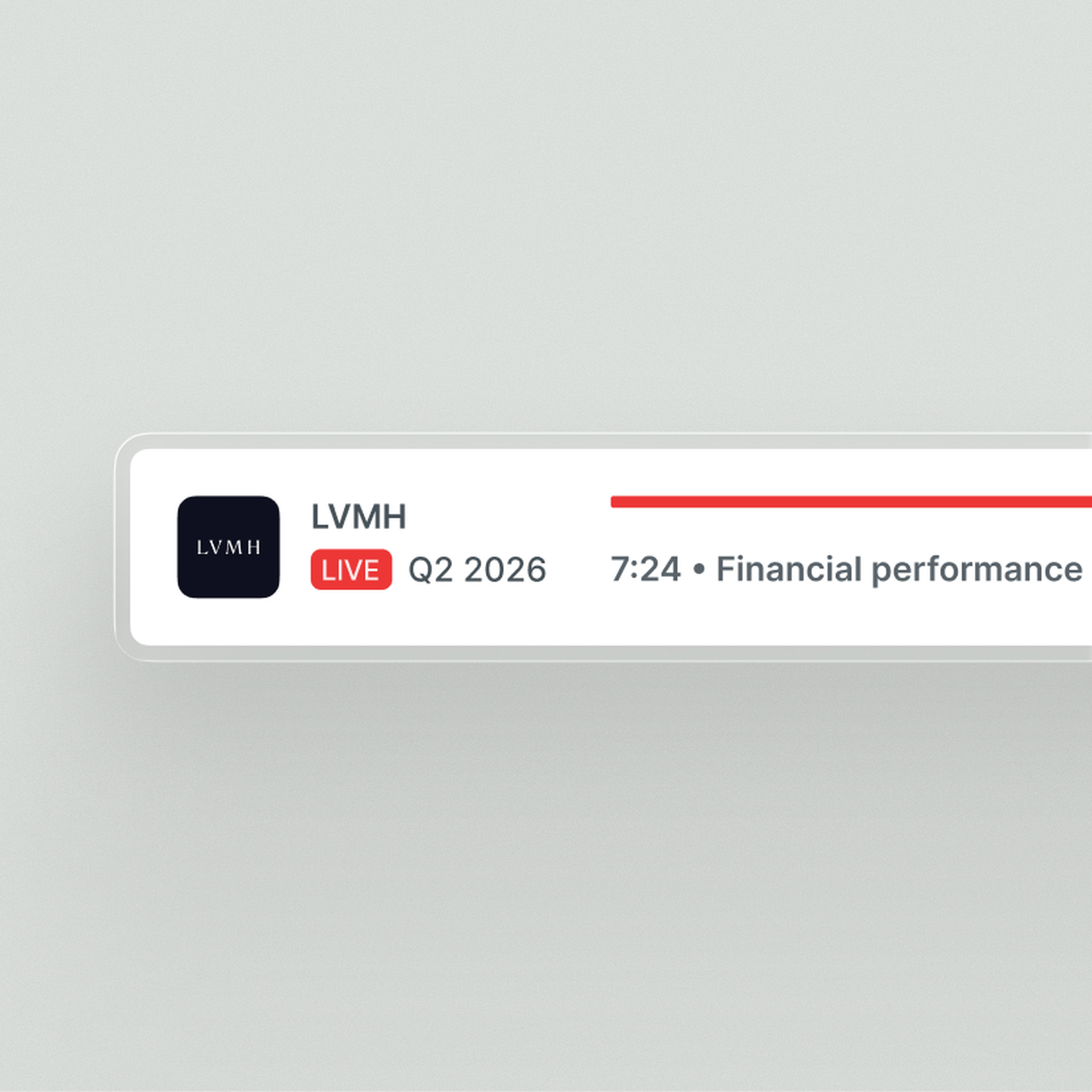
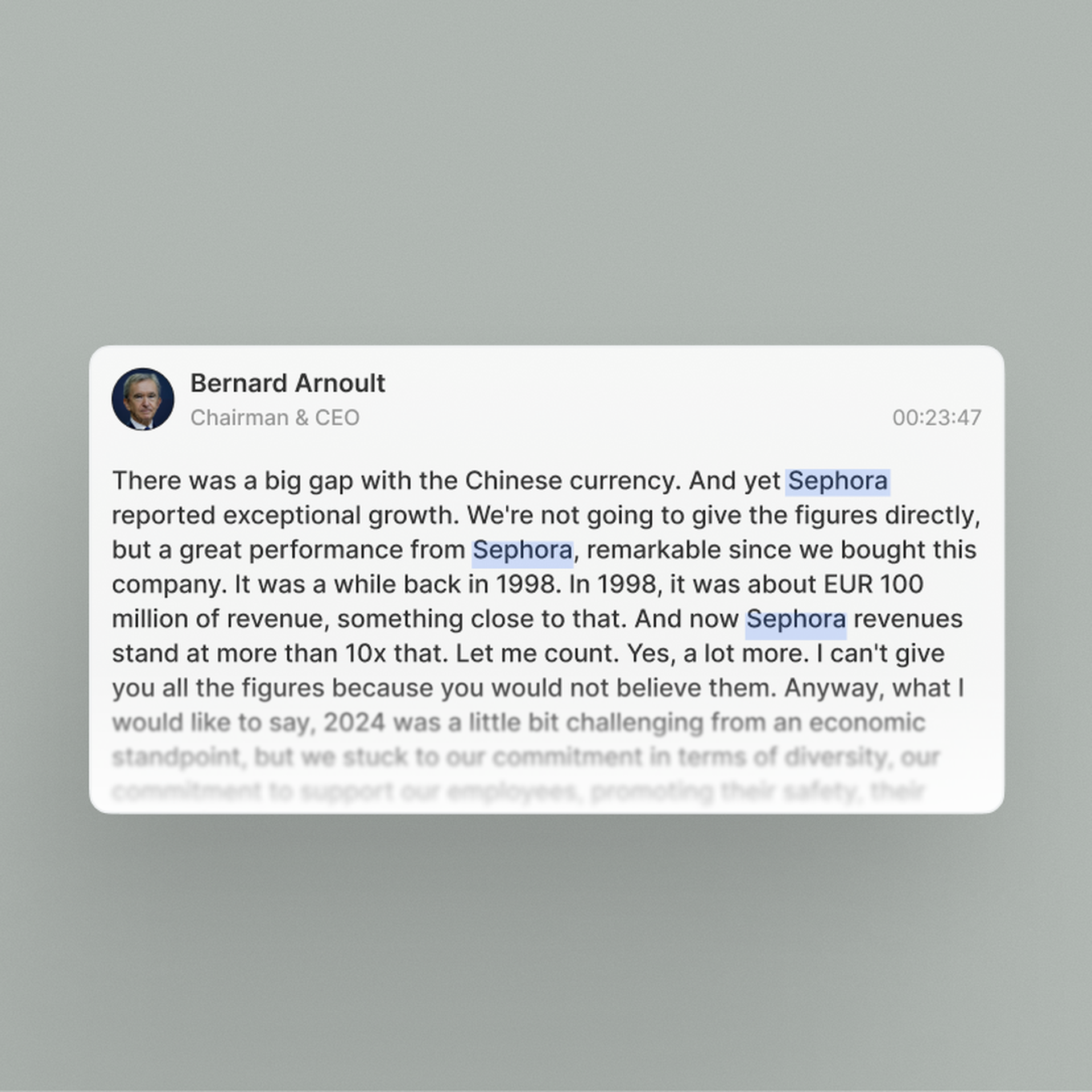
Live audio & transcripts
Quartr's AI stands out because it only pulls clean, first-party data from public companies. In investing, that's everything.
Jamie Ross
Investment Manager, GAM Investments
Research that used to take hours now takes seconds with Quartr Pro. Tracking shifts in tone or extracting tables, it's as simple as typing a query.
Tom O'Hara
Investment Director
Before Quartr we spent hours manually compiling insights through the peer earnings cycle. Now, these tasks are done faster, with greater precision.
Gregg Lampf
VP of Investor Relations
Being able to ask specific questions across years of transcripts and reports and instantly get verified answers is a game-changer.
Pontus Dackmo
CEO & Investment Manager