
Business philosophy7 Mar 2024
Michael O'Leary: Ryanair's Maverick CEO
Explore Michael O'Leary's remarkable transformation with Ryanair, revolutionizing budget air travel in Europe with unique and ingenious strategies.

H1 FY27 traffic rose 6% to 125.8m and revenue increased 3% to €10.08bn, while PAT fell 15% to €2.15bn as fares declined and unhedged fuel costs doubled.
Q2 traffic grew 5% to 64.5m and revenue rose 4% to €5.70bn; PAT declined 6% to €1.61bn.
FY27 traffic guidance was cut from 216m to 214m; Q3 fares were trending modestly above last year, while FY28 earnings remain exposed to fuel and fare uncertainty.
H1 total costs rose 10% to €7.69bn, exceeding 3% revenue growth; operating profit fell 16% to €2.40bn and profit before tax declined 16% to €2.43bn.
H1 scheduled revenue rose 1% to €7.00bn and ancillary revenue increased 6% to €3.08bn.
H1 operating cash inflow was €1.21bn, versus €1.78bn in H1 FY26.
Ex-fuel unit costs are expected to rise 2%–3% for FY27; unit cost excluding fuel was presented at €36 per passenger.
Management cited FY27 profit market expectations of €1.7bn–€1.8bn and said FY28 profit could reasonably remain at that level, conditional on fares and oil prices.
FY27 traffic guidance is +3% to 214m passengers, down from 216m; winter traffic from November to March is expected to be broadly flat YoY.
FY28 traffic is expected to exceed 220m, with 16 MAX 10s supporting growth; long-term ambition is over 300m passengers annually by FY34.
Q3 demand and close-in bookings were strong, with fares trending modestly ahead YoY; outcomes depend on school holidays and Christmas bookings. Q4 booking visibility was described as zero.
FY28 fuel costs could rise by ~€2bn; management said a ~20% fare increase, or ~€10 per passenger, would cover the increase, but full recovery is uncertain.
FY27 CapEx is expected near €2bn; FY28 CapEx is estimated at €2.7bn–€3bn.

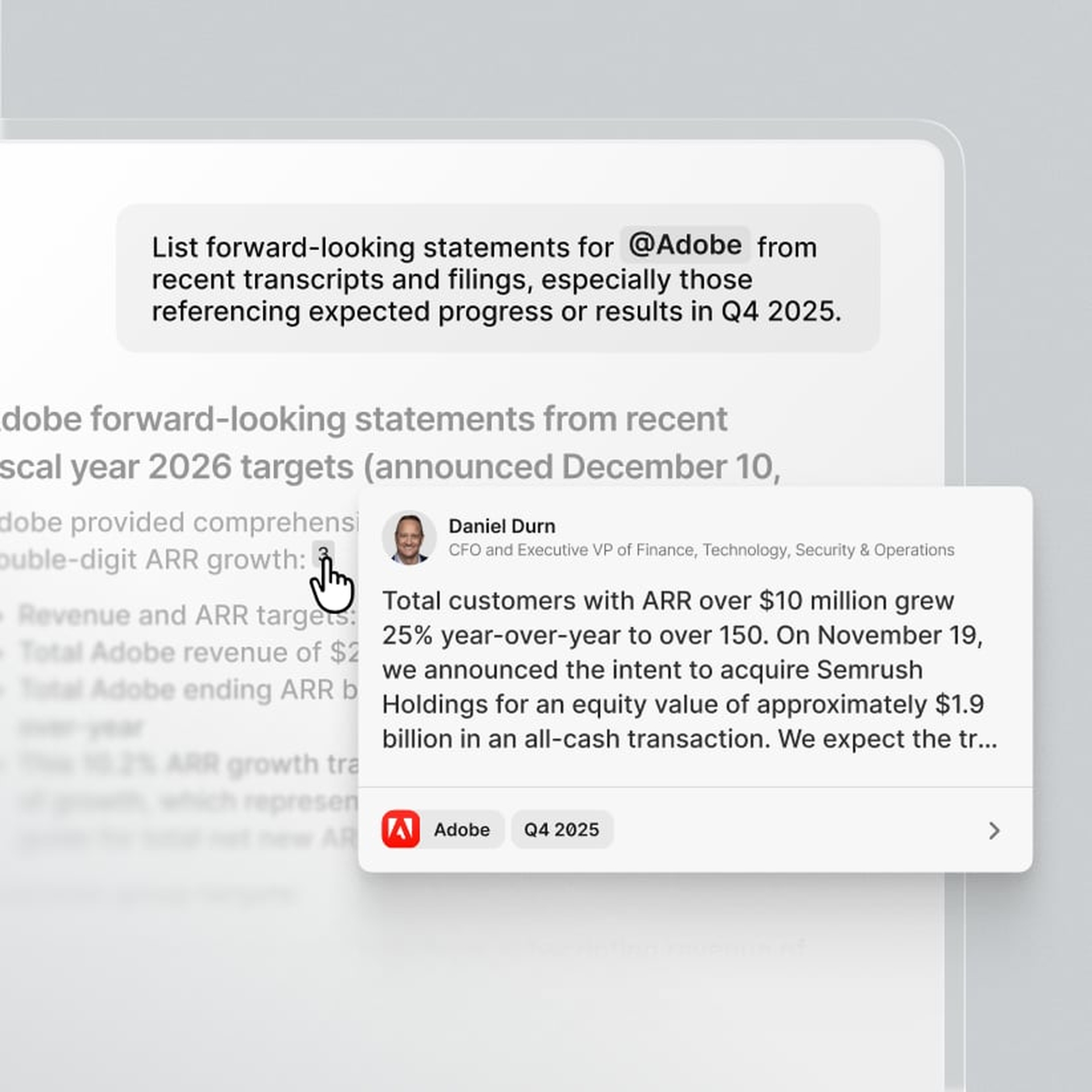
AI chat
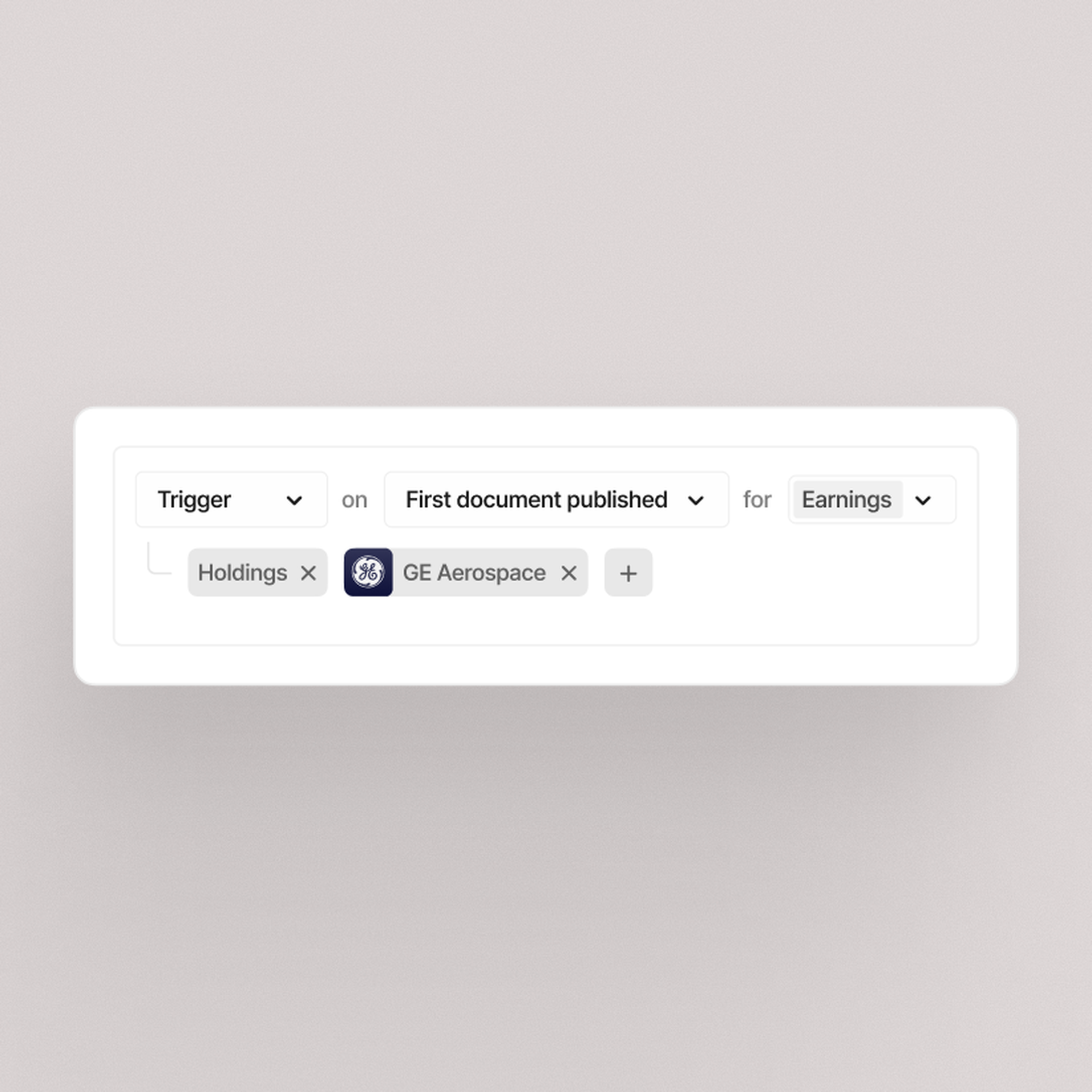
Automations

Live audio & transcripts
Quartr's AI stands out because it only pulls clean, first-party data from public companies. In investing, that's everything.
Jamie Ross
Investment Manager, GAM Investments
Research that used to take hours now takes seconds with Quartr Pro. Tracking shifts in tone or extracting tables, it's as simple as typing a query.
Tom O'Hara
Investment Director
Before Quartr we spent hours manually compiling insights through the peer earnings cycle. Now, these tasks are done faster, with greater precision.
Gregg Lampf
VP of Investor Relations
Being able to ask specific questions across years of transcripts and reports and instantly get verified answers is a game-changer.
Pontus Dackmo
CEO & Investment Manager

Ryanair is an Irish low-cost airline and one of the largest companies in European commercial aviation. The company operates flights both under the Ryanair brand, as well as through several subsidiaries. It flies to and from a majority of European countries, all while employing a number of strategies to keep flights as cheap as possible. This is done through things such as add-on charges, tight seating, serving major cities' secondary airports, and general cost-cutting. The company is headquartered in Dublin, Ireland, and its shares are listed on the Euronext Dublin as well as the Nasdaq.
Ryanair was founded in 1984 by the Ryan family, with Tony Ryan at the helm. Initially, it started with a modest operation, running a daily flight from Waterford in the southeast of Ireland to London Gatwick. The airline's early years were challenging, marked by stiff competition, especially from the state-owned airlines, and regulatory hurdles that limited its ability to expand and compete.
Michael O'Leary joined Ryanair in 1988, initially as a financial advisor before becoming the CEO in 1994. O'Leary, influenced by the low-cost model of Southwest Airlines in the United States, set out to overhaul Ryanair into Europe's most successful low-cost carrier. O’Leary’s influence on the company, and the airline industry as a whole, is impossible to overstate and his leadership has been instrumental in propelling Ryanair to the top of European air travel.
Further reading: Michael O'Leary: Ryanair's Maverick CEO
Ryanair has historically been exceptionally successful in generating ancillary revenue, which refers to the income gained from non-ticket sources. The primary fees the company generates are by selling various add-ons such as charging extra for checked luggage, priority boarding, seat selection, and similar. The company also capitalizes on onboard sales of food and drinks, offers advertising space to other companies onboard, and incurs administrative fees.
The company’s business model has influenced many other low-cost carriers and has forced traditional airlines to rethink their strategies to compete effectively.
Ryanair's route network is focused on Europe, connecting a vast array of destinations across both Western and Eastern Europe. The airline serves major cities, regional hubs, and holiday destinations, ensuring coverage that appeals to a broad spectrum of travelers. The airline network includes capitals, major economic centers, smaller cities, and popular vacation spots.