Edge16 Oct 2026
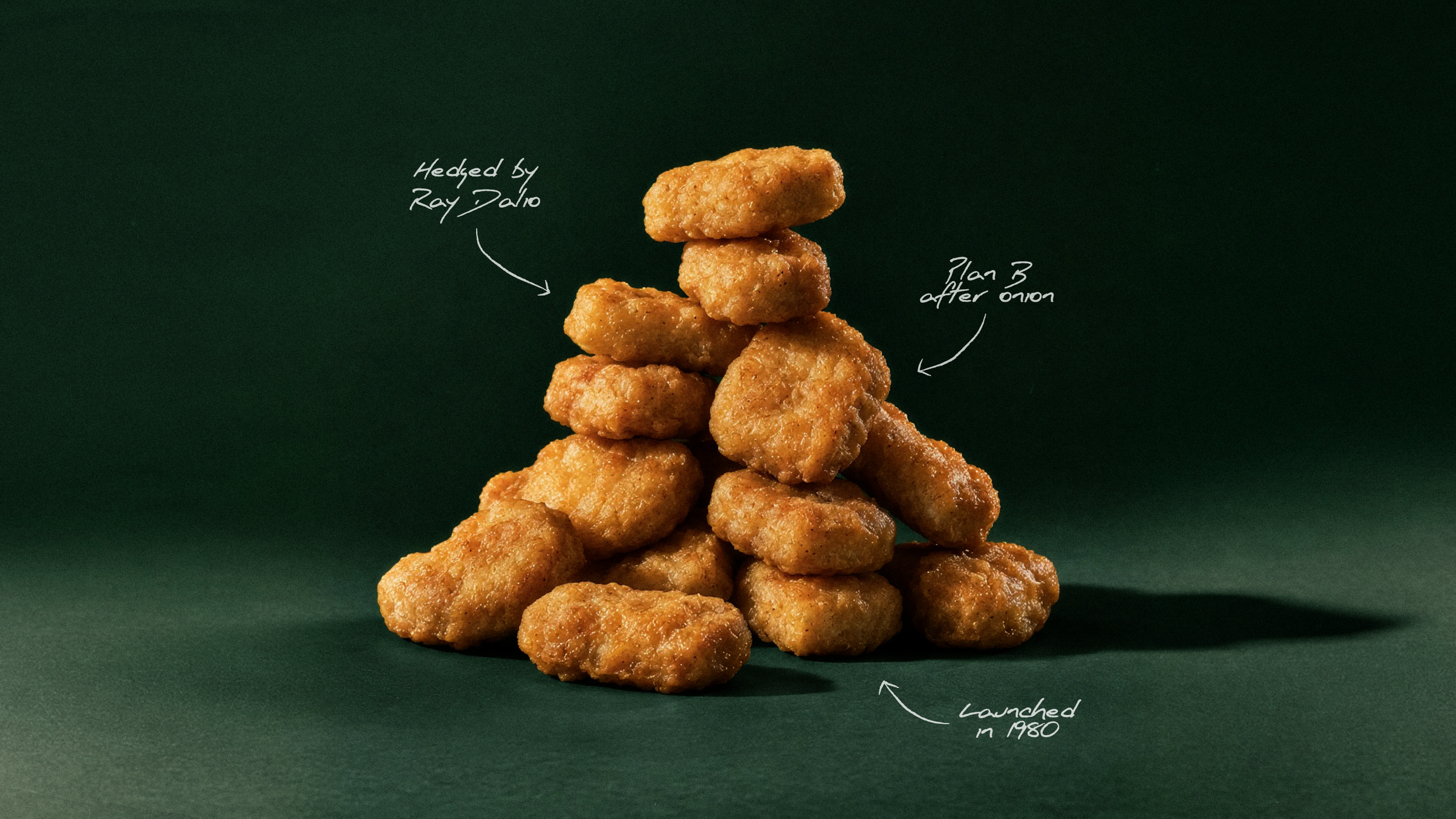
Winner, Winner: The Chicken McNugget Story
How a 1940s breeding contest, a Cornell food scientist, and a hedge by Ray Dalio helped McDonald's turn the Chicken McNugget into a fast-food icon.

Q3 net loss and Adjusted EBITDA loss narrowed YoY; free cash flow remained negative as commercial-service readiness and fleet growth remained priorities.
Apeiron arrived at Spaceport America in October; first commercial service is targeted for early Q2 2027.
Management identified substantial doubt about funding planned operations for the next 12 months; proposed mitigations are not fully within its control.
A $250 million ATM program was announced to fund operations, targeted growth investments and debt reduction.
Q3 revenue was $427K vs. $365K in Q3 2025, primarily from astronaut-community access fees and a future astronaut event; spaceflight service had not begun.
Q3 net loss was $(58.8) million vs. $(64.4) million; Adjusted EBITDA was $(46.8) million vs. $(52.8) million YoY.
Q3 free cash flow was $(99.1) million vs. $(107.8) million; operating cash use was $(58.0) million and capex was $(41.1) million.
Nine-month revenue was $788K vs. $1.2 million; operating loss was $189.5 million vs. $224.6 million and net loss was $179.4 million vs. $216.2 million.
Q3 basic and diluted loss per share was $(0.39) vs. $(1.09) YoY.
First commercial flights are targeted for early Q2 2027; the second spaceship is expected to enter service in late Q2 or early Q3 2027.
Q4 2026 revenue is forecast at $100,000 and free cash flow at $(80) million to $(90) million; Q1 2027 free cash flow is expected in a similar range.
Positive free cash flow is expected no later than Q1 2028; Q2 2027 customer inflows are expected to become more meaningful.
High-cadence hangar and fueling infrastructure is planned for H2 2028 and is expected to raise capacity 20%, from 125 to 150 annual flights; payback is expected in under one year.
Flight prices are expected to rise as lower-priced reservations are flown; 2028 prices are expected in the $600,000–$800,000 range.

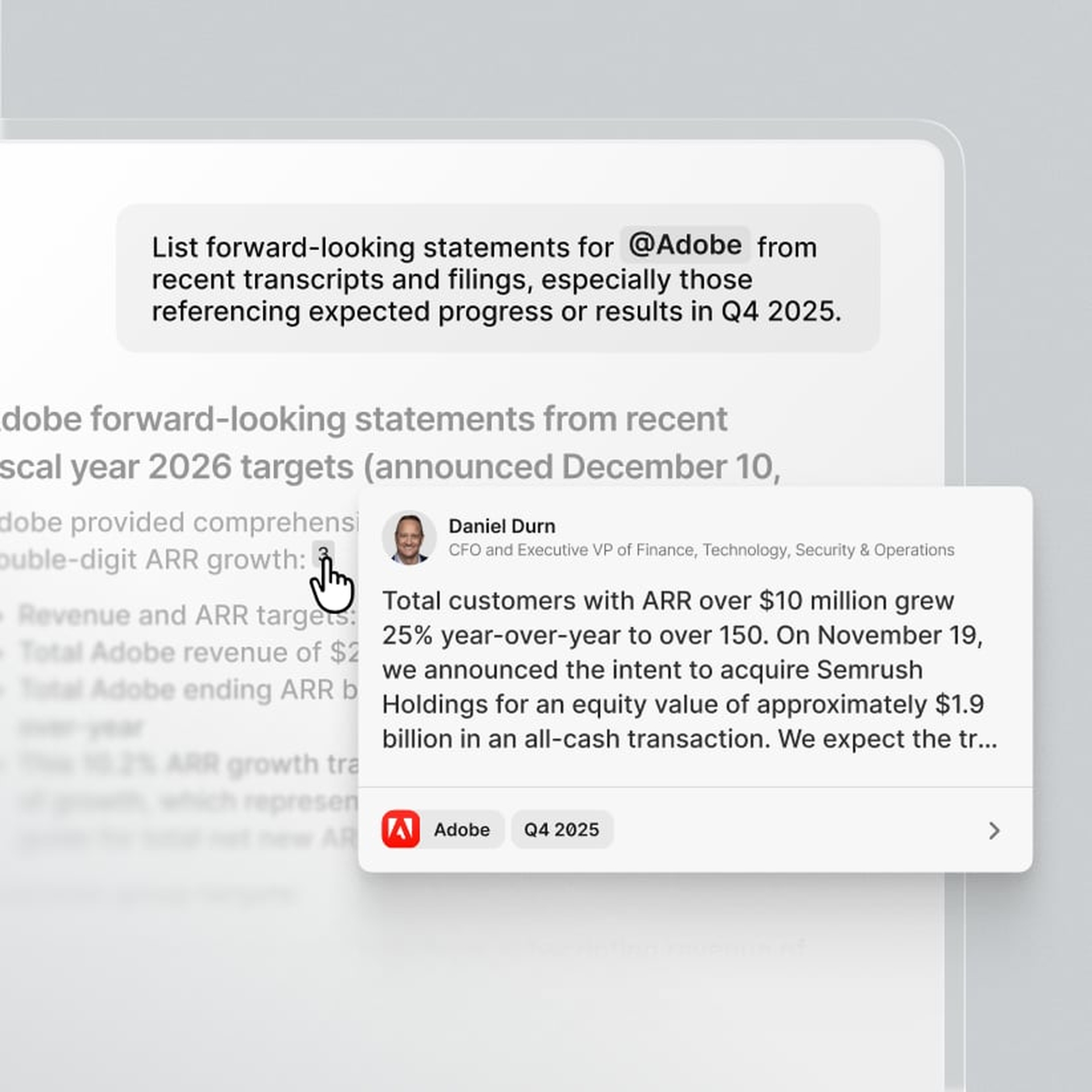
AI chat
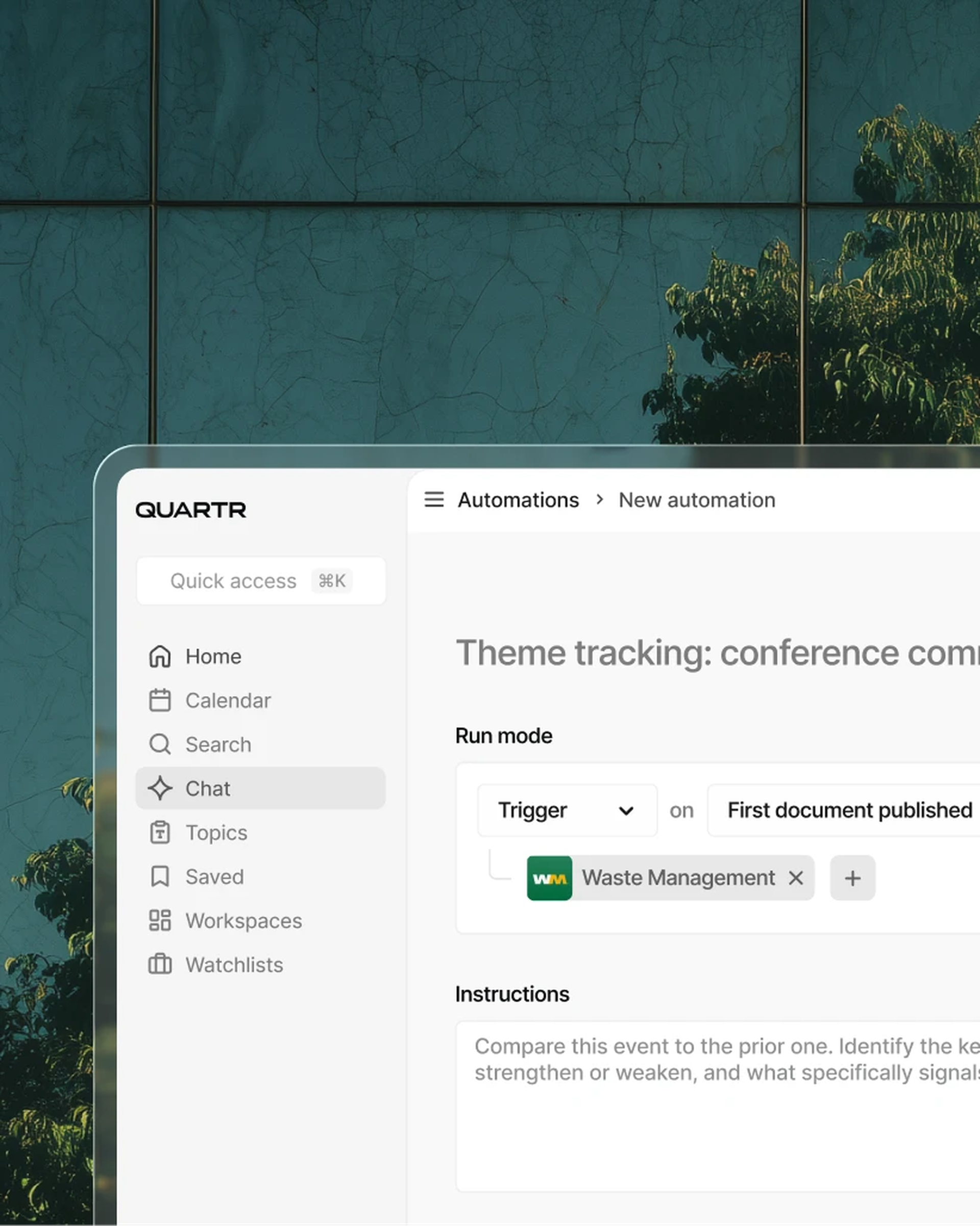
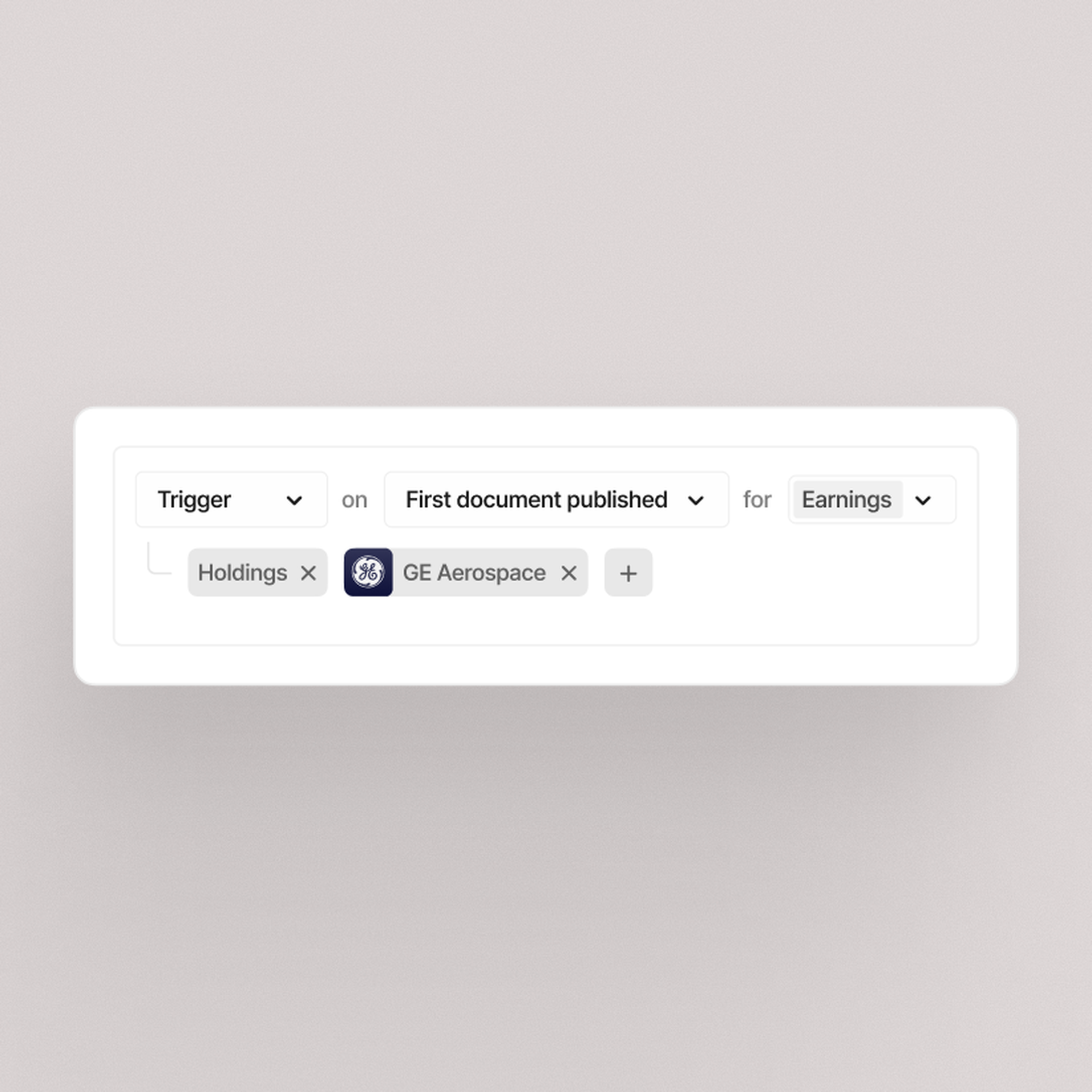
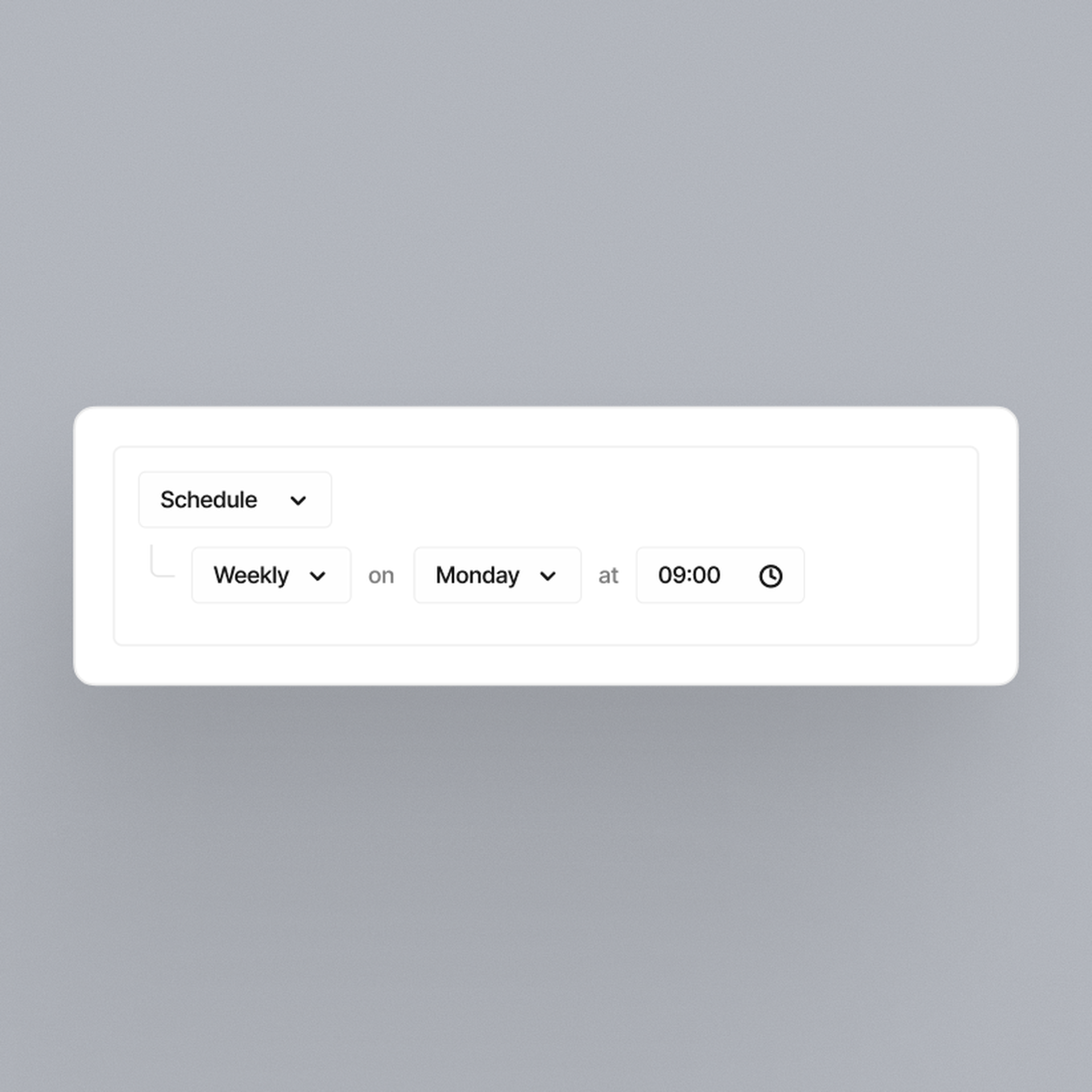
Automations
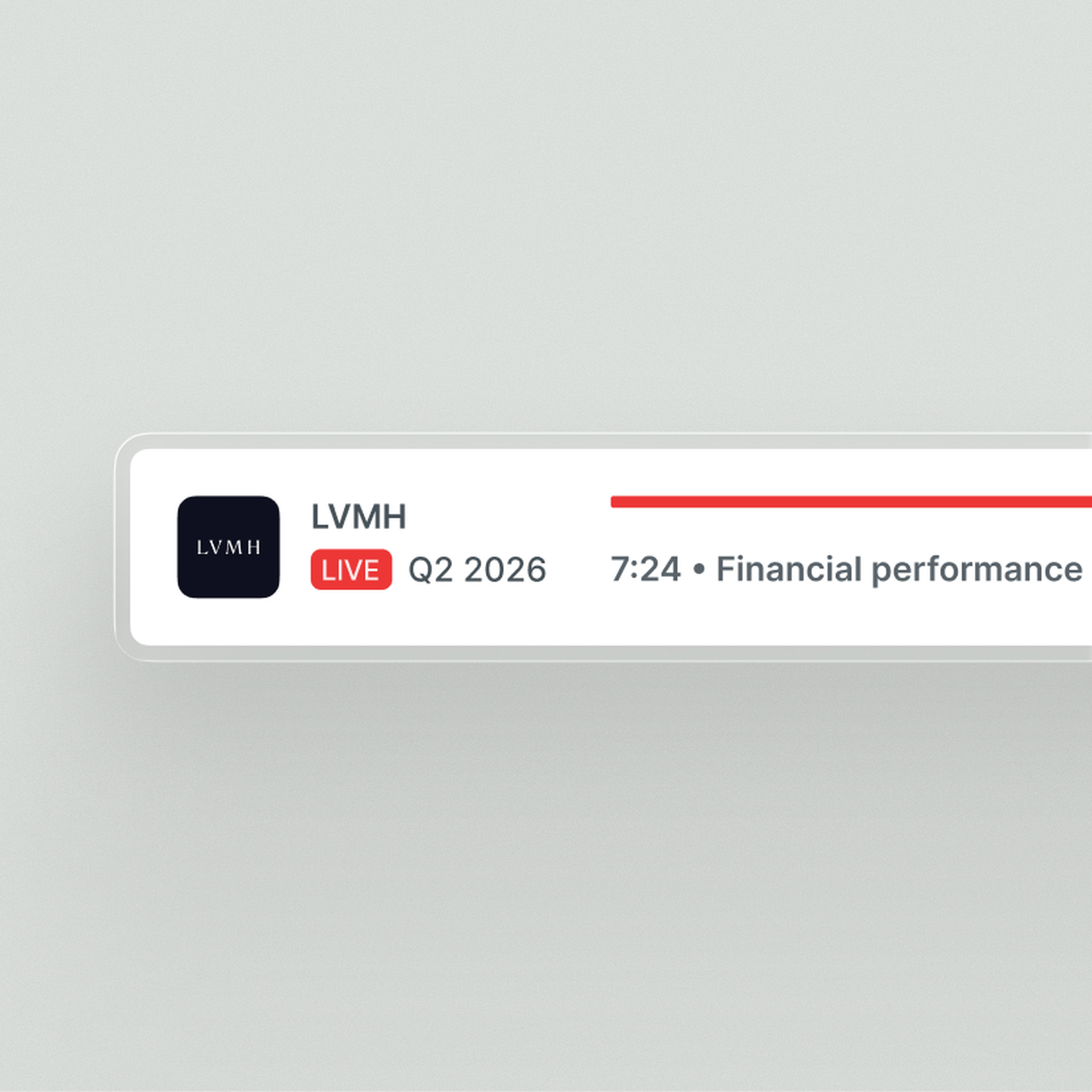
Live audio & transcripts
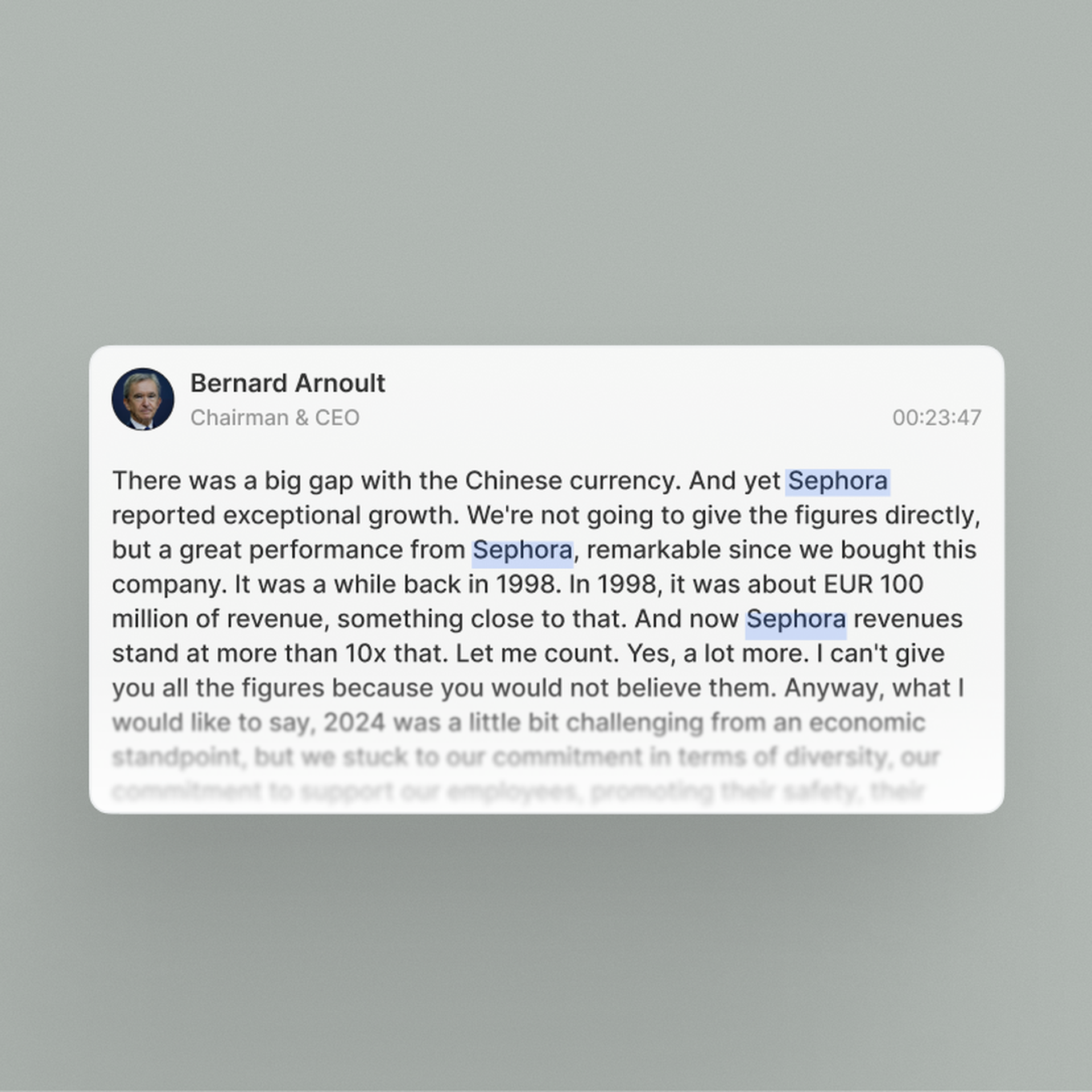
Quartr's AI stands out because it only pulls clean, first-party data from public companies. In investing, that's everything.
Jamie Ross
Investment Manager, GAM Investments
Research that used to take hours now takes seconds with Quartr Pro. Tracking shifts in tone or extracting tables, it's as simple as typing a query.
Tom O'Hara
Investment Director
Before Quartr we spent hours manually compiling insights through the peer earnings cycle. Now, these tasks are done faster, with greater precision.
Gregg Lampf
VP of Investor Relations
Being able to ask specific questions across years of transcripts and reports and instantly get verified answers is a game-changer.
Pontus Dackmo
CEO & Investment Manager