
Edge3 Oct 2025
Epiroc: A Culture of Moving Mountains
From automation to electrification, Swedish industrial giant Epiroc is leading a transformation in how the world mines.

Strategy 2030 targets NAV growth, a steadily rising dividend, and efficient, sustainable operations, with priorities spanning performance, portfolio, and people.
Capital allocation prioritizes existing holdings—supporting growth, add-ons, and balance sheets—then dividends and selective new investments; capacity to invest may exceed that of the prior 5–10 years.
Future-proofing priorities include innovation, AI, sustainability, talent, portfolio management, and geopolitics; focus is on company-level risks and opportunities rather than broadly reshaping the portfolio.
Ownership priorities include profitable growth, addressing underperformance, strong leadership, integrity, and technology adoption; companies are encouraged to invest in R&D through cycles and track energy efficiency alongside emissions.
Adjusted NAV was SEK 1,258bn at September 30, 2026, after average annual growth of 16% over five years; adjusted assets comprised Listed Companies at SEK 949bn, Patricia Industries at SEK 242bn, and EQT investments at SEK 95bn.
TSR exceeded the 8%–9% internal return requirement; dividends per share grew at an average annual rate of 8% over 10 years, except for the pandemic reduction.
Management costs were 0.06% of adjusted NAV for 2026 Q3 LTM; since 2016, costs rose 5%–6% annually on average, reflecting inflation and investment in Patricia Industries and digital and AI transformation.
Leverage was 1.8% against a 0%–10% policy range; ratings were S&P AA- and Moody’s Aa2. Debt averaged 8.4 years to maturity, with no major maturities until 2030.
From 2015 to 2025, business areas generated SEK 216bn of cash flow; SEK 90bn was invested in listed companies and Patricia Industries combined, and SEK 116bn was paid as dividends.
The portfolio comprises minority stakes in 13 global companies, totaling SEK 949bn or 74% of adjusted assets; ABB, Atlas Copco, SEB, Saab, and AstraZeneca represent ~75% of the portfolio.
Over 10 years, the portfolio returned ~17% annually, ~6 percentage points above the SIX Return Index; investments made from year-end 2015 to September 2026 delivered 23% total IRR.
Capital allocation focuses on supporting growth and balance sheets and increasing stakes at attractive valuations; new opportunities are sought among sizable Nordic businesses in familiar sectors with strong positions and track records.
Electrolux and Husqvarna underperformance is being addressed through turnaround plans; Electrolux is strengthening its balance sheet, partnering with Midea in North America, simplifying operations, and optimizing manufacturing.

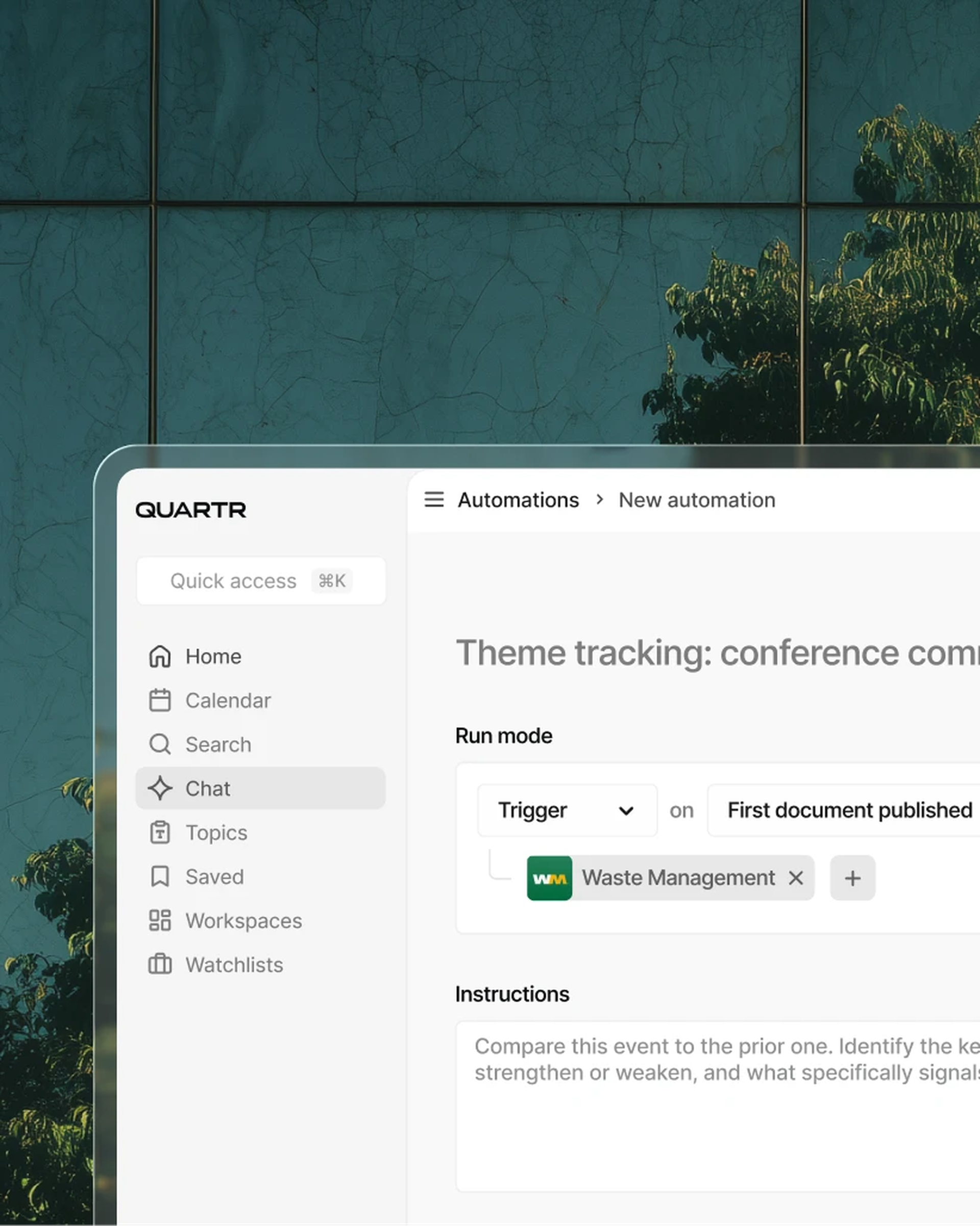
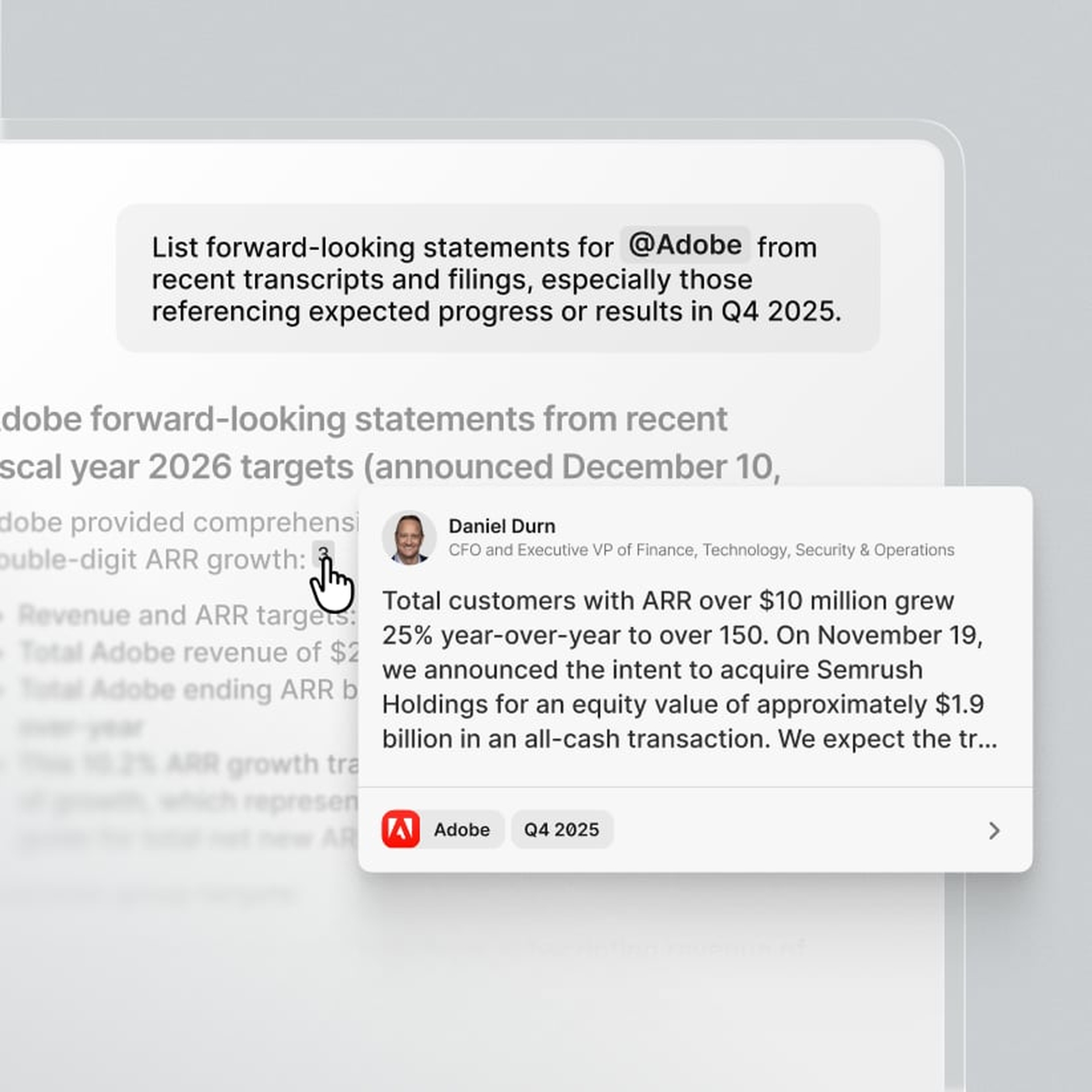
AI chat
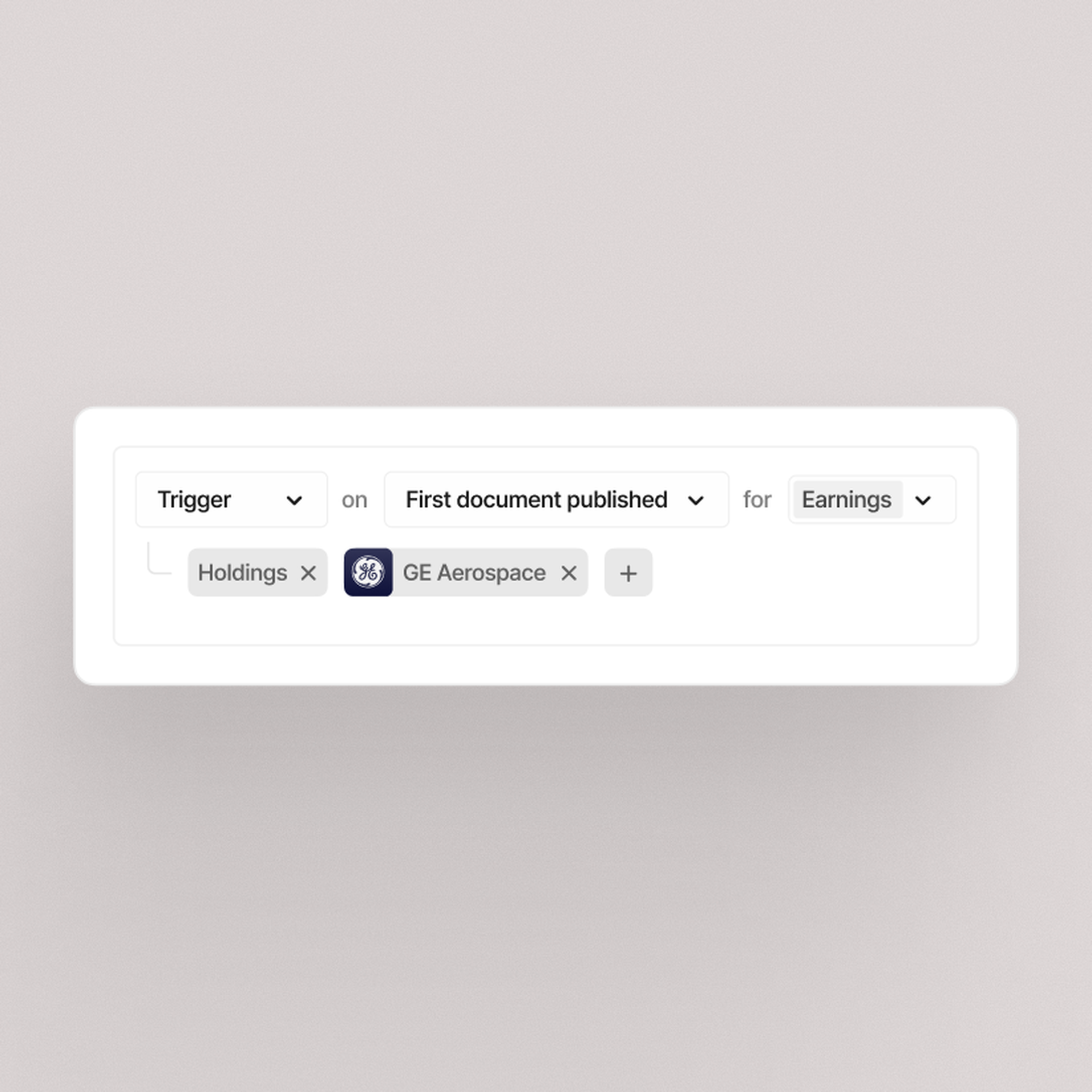
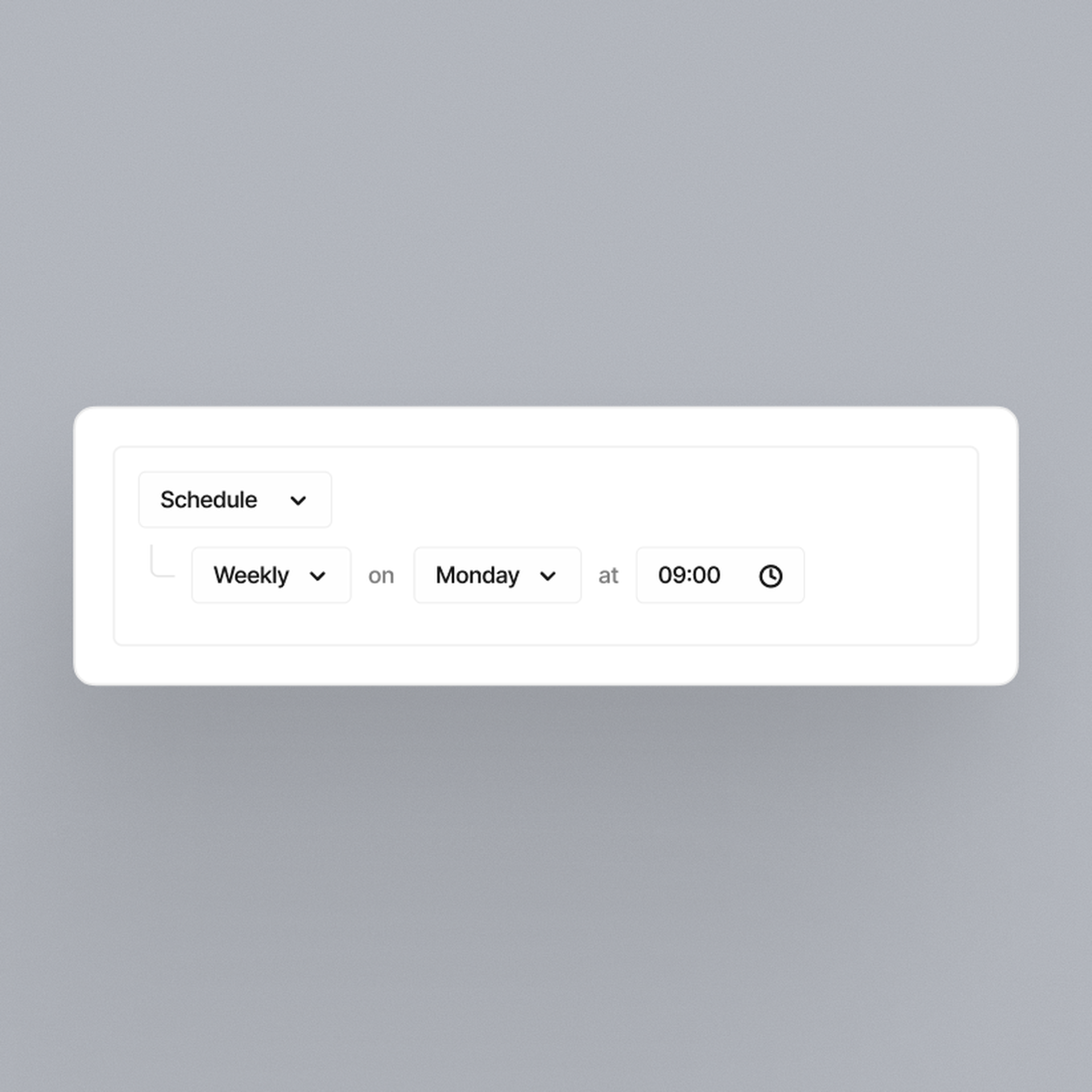
Automations
Live audio & transcripts
Quartr's AI stands out because it only pulls clean, first-party data from public companies. In investing, that's everything.
Jamie Ross
Investment Manager, GAM Investments
Research that used to take hours now takes seconds with Quartr Pro. Tracking shifts in tone or extracting tables, it's as simple as typing a query.
Tom O'Hara
Investment Director
Before Quartr we spent hours manually compiling insights through the peer earnings cycle. Now, these tasks are done faster, with greater precision.
Gregg Lampf
VP of Investor Relations
Being able to ask specific questions across years of transcripts and reports and instantly get verified answers is a game-changer.
Pontus Dackmo
CEO & Investment Manager


Investor is currently one of the largest investment companies in the Nordics by market cap. The company was founded in 1916 by the Wallenberg family, a family that could be seen as the Swedish answer to the Rockefellers. They own high-quality global businesses and live after the Latin proverb “Esse non videri” or in English, “To be, rather than to seem.”
Through board representation, industrial experience, a first-class network, and financial strength, they work towards superior performance for their companies and strive towards reaching their full potential. The company is a majority shareholder in several Swedish large-cap companies, mainly in the telecommunications-, electronics-, and automotive industries.
Thanks to the strong influence of the Wallenberg family in significant companies such as, for example, SEB, Investor possesses a strong position in the Swedish business sector. They have positions in over 20 companies, the core of which are Atlas Copco, ABB, SEB, AstraZeneca, Wärtsilä, Sobi, Saab, Ericsson, and Epiroc.
Since the founding of Investor in 1916, the company has been controlled by the Wallenberg family through the Wallenberg foundation. The family is an eminent finance family, known since André Oscar Wallenberg, in 1856, founded Stockholms Enskilda Bank, sometimes called Enskilda banken - Stockholm’s first private bank, which has evolved into the today called Skandinaviska Enskilda Banken or SEB. The Kreuger crash, in the early 1930s led to Investor taking over Ivar Kreuger’s interests in several companies, including Ericsson, SKF, and Svenska Tändsticks AB (STAB).
Further reading: Jacob Wallenberg: The Chariman of Investor AB
The administration of the remains of the Kreuger empire became the main task for Marcus Wallenberg, who dominated the Swedish business sector for more than half a century. Together with Curt Nicolin, Marcus firmly rooted the family's position of power. Indirectly, the family historically controlled a third of the Swedish GNP through their bank- and industry imperium. They maintained control through an old-boy network of handpicked executives and by possessing the largest voting block of stock in each affiliated company. The finance family has had a central role in the modern era of Sweden.
Fun fact: The name Wallenberg, outside Europe, most likely draws one's thoughts to Raoul Wallenberg, the businessman, and diplomat who mysteriously disappeared in Russia during the end years of World War 2 after rescuing thousands of Jews in German-occupied Hungary. Raoul was a distant cousin of the powerful patriarch, Peter Wallenberg, but was never involved in the family business.
In 1993, the idea to start a private equity firm was born during a dinner in Gamla Stan (Old Town) in Stockholm. At the table sat Conni Jonsson, a previous employee at Investor, and Claes Dahlbäck, CEO of Investor from 1978 to 1999. With inspiration from the Wallenberg family and their philosophy of responsible ownership, Conni Jonsson 1994 was given the opportunity to start EQT, with support from Investor and SEB. The following years, EQT launched their first fund, focused on industry companies in Sweden and its neighboring countries. Today EQT has a track record of stable and attractive growth within several geographical areas, sectors, and strategies stretching over close to three decades.
In 2019, the company entered a new chapter by going public on Nasdaq Stockholm. Going public has strengthened their financial muscles and created new possibilities for further investments and global scalability. The public environment also contributes to a more transparent and open corporate governance structure, which is in line with the values of EQT.