
Edge5 Sep 2025
Where to? The Story of Uber
Uber's journey from rule-breaking disruptor to disciplined dual-app giant, now shaping the future of mobility, delivery, and autonomy.

Achieved significant growth from 700 million to over 1 billion annual rides in three years, with a shift from cash burn to generating $1 billion in cash annually.
EBITDA profitability now at $700 million, with GAAP profitability reached, marking a major turnaround.
Leadership transition announced, with Erin Brewer retiring and Michael Brous stepping in to drive future strategy.
Pursuing growth in luxury (up), international expansion (out), and autonomous vehicles (forward).
Luxury segment strengthened by TBR acquisition and increased share of professional drivers, with premium offerings as fastest-growing modes.
International expansion accelerated by Freenow acquisition, doubling total addressable market and enabling app unification across Europe.
AVs seen as a transformative opportunity, with infrastructure and partnerships positioning for 10% AV rides by 2030.
Rideshare now considered essential, with all-time highs in rides and driver hours, and increased usage for commutes and daily needs.
Growth driven by faster pickups, competitive pricing, low cancellations, and demographic-focused innovations like Lyft Teen and Lyft Silver.
Partnerships with DoorDash, United, Bilt, and others now account for 30% of ride volume, up from 20%, driving both acquisition and retention.

AI chat
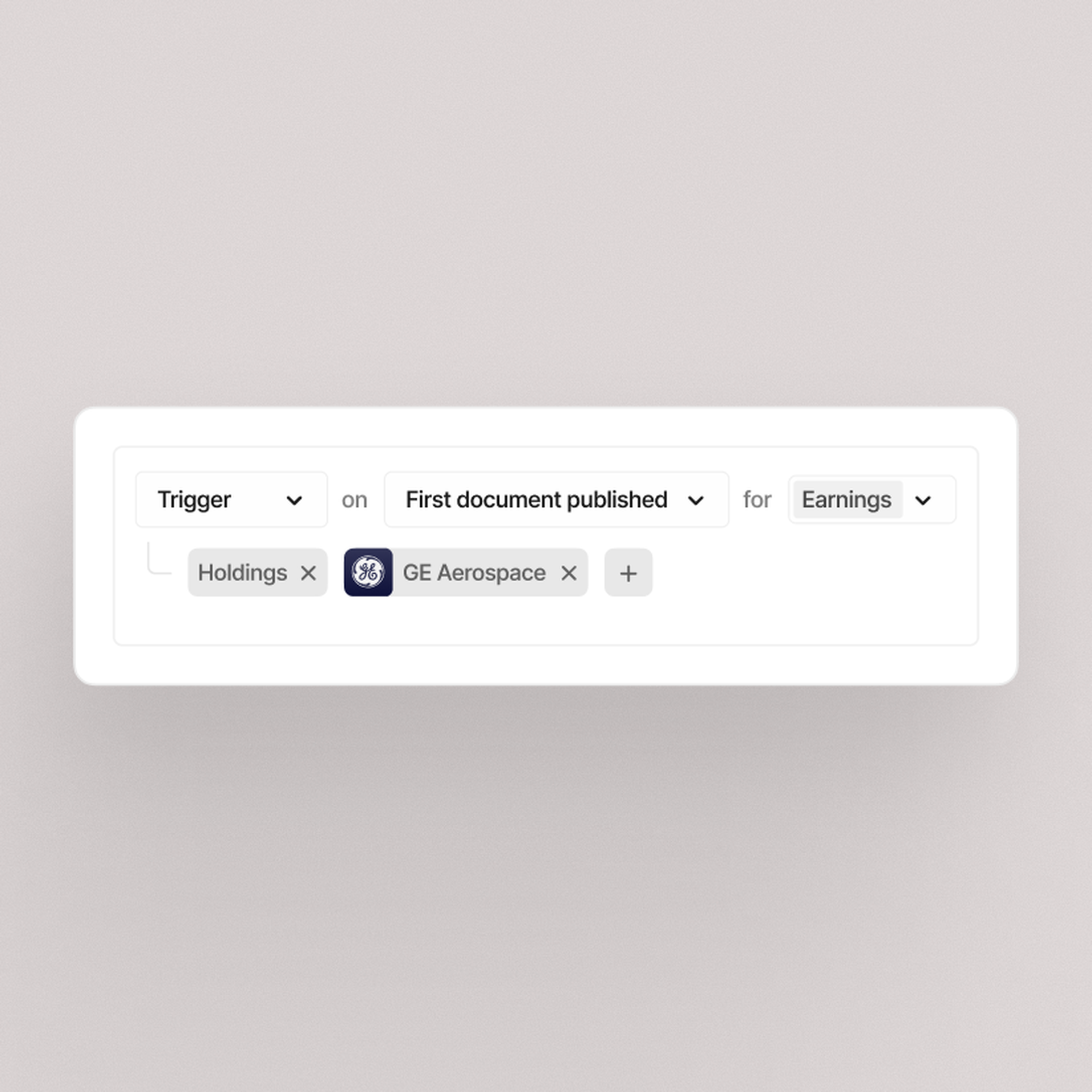
Automations

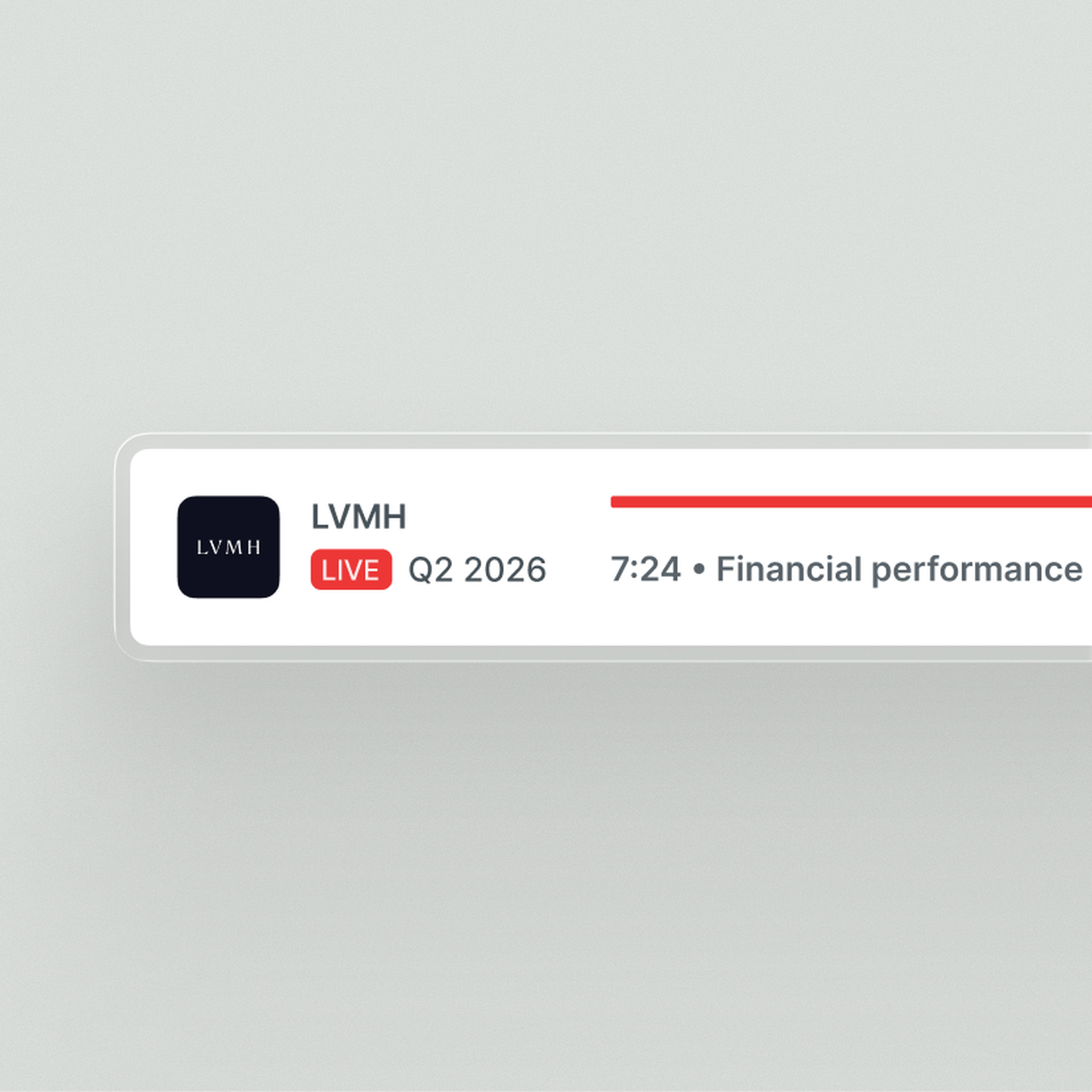
Live audio & transcripts
Quartr's AI stands out because it only pulls clean, first-party data from public companies. In investing, that's everything.
Jamie Ross
Investment Manager, GAM Investments
Research that used to take hours now takes seconds with Quartr Pro. Tracking shifts in tone or extracting tables, it's as simple as typing a query.
Tom O'Hara
Investment Director
Before Quartr we spent hours manually compiling insights through the peer earnings cycle. Now, these tasks are done faster, with greater precision.
Gregg Lampf
VP of Investor Relations
Being able to ask specific questions across years of transcripts and reports and instantly get verified answers is a game-changer.
Pontus Dackmo
CEO & Investment Manager


Lyft is a transportation network company that provides ride-hailing services through its mobile app. The company allows customers to request rides from nearby drivers who use their personal vehicles to provide transportation services. Lyft was founded in 2012 and is headquartered in San Francisco, California.
Lyft was founded by Logan Green and John Zimmer. Green had previously founded a ride-sharing company called Zimride, which focused on long-distance ridesharing. In 2007, Green met Zimmer, who was interested in the idea of carpooling and had been working on a similar project. The two decided to merge their ideas and launch Lyft in 2012.
Lyft's business model is based on taking a commission from each ride that is booked through its app. The company charges a percentage of the fare that the passenger pays, and the driver keeps the remaining amount. Lyft also generates revenue through its subscription services, including Lyft Pink, which offers discounted rides and other benefits to subscribers.
One of the key challenges facing Lyft is competition from other ride-sharing companies, such as Uber and Grab. These companies have a larger market share and greater resources, which could make it difficult for Lyft to grow and compete effectively. Additionally, regulatory challenges, such as local laws and regulations regarding ride-sharing services, could limit Lyft's ability to expand into new markets.
Despite these challenges, Lyft has several potential opportunities for growth. For example, the company could expand into new markets, such as autonomous vehicles and last-mile delivery services. Additionally, Lyft has a strong focus on sustainability and could leverage this to attract environmentally conscious customers and drivers. Finally, the company could continue to innovate and improve its technology, such as by incorporating artificial intelligence and machine learning to enhance the customer experience.