Edge16 Oct 2026
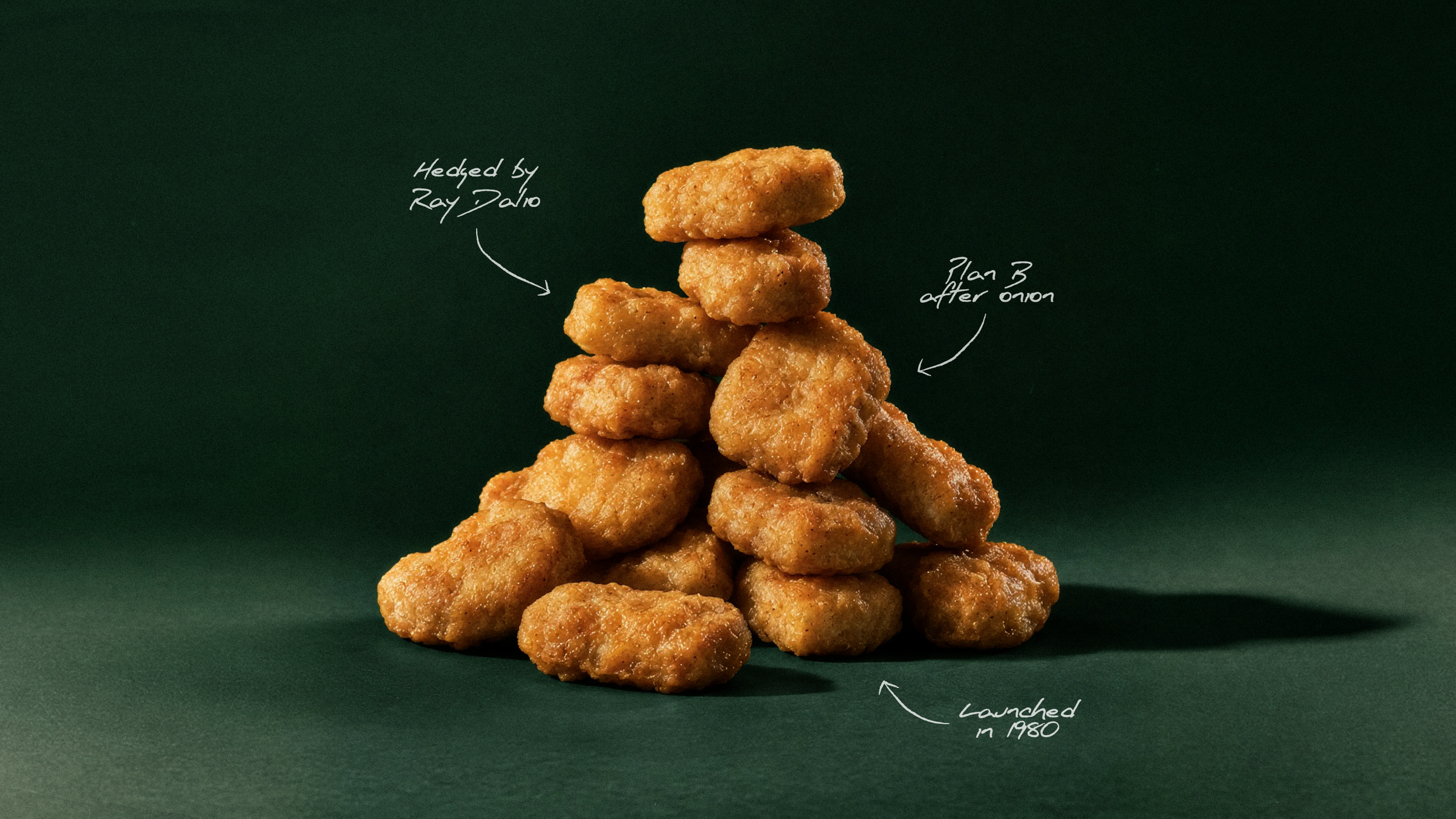
Winner, Winner: The Chicken McNugget Story
How a 1940s breeding contest, a Cornell food scientist, and a hedge by Ray Dalio helped McDonald's turn the Chicken McNugget into a fast-food icon.

FY26 FFOA midpoint raised $0.02 to $2.55; same-store NOI growth midpoint raised 37.5 bps.
3Q FFOA $0.65 per diluted share; same-store revenue growth 1.8%, expense growth 2.2%, NOI growth 1.6%, and occupancy 96.5%.
Record 3Q resident retention of 52%, up 370 bps YoY; delinquency down 50 bps YoY to ~60 bps.
2027 same-store revenue earn-in expected at 80–100 bps vs. 0 bps entering 2026; 2027 guidance planned for February.
4Q26 market rents rose 50 bps over the last 60 days; blended lease-rate growth expected at 1.5%–2% in both halves of 2027.
Closed October 30, 2026: $2.0B partnership, with $1.34B invested for a two-thirds interest; contributed portfolio comprises 19 communities and 7,059 homes.
Retained one-third ownership, operational control and management; receives a 1.3% asset management fee and holds call and asset-substitution rights.
Pro forma net debt-to-EBITDAre expected in the low-5x range, down ~0.5x from 3Q26; $300M of September 2026 notes repaid; BBB+/Baa1 ratings with stable outlooks.
Contributed communities average 39 years old, $2,058 revenue per home and recurring CapEx of 15% of NOI, versus 26 years, $2,772 and 9% for the wholly owned portfolio.
Apollo's return is capped at a 7.0% IRR; returns above the cap accrue to the retained interest, with 2027 FFOA accretion dependent on proceeds timing and use.
Sold $655M of wholly owned assets at a mid-5% buyer cap rate; repurchased 18.8M shares for $678M since September 2025 at a mid-6% implied cap rate.
Repurchases reduced diluted shares outstanding by more than 5%; funded with disposition and Apollo proceeds on a leverage-neutral basis.
Proceeds redeployment priorities include debt reduction, share repurchases and higher-growth acquisitions selected using Orion rent-growth, operating-upside and CapEx signals.
DPE balance fell from $383M in 2Q26 to ~ $250M in 3Q26, already meeting the year-end target; low-$200M range expected in 1H27.
Each $100M not redeployed into DPE and invested elsewhere results in ~$0.01 per share of FFOA dilution.

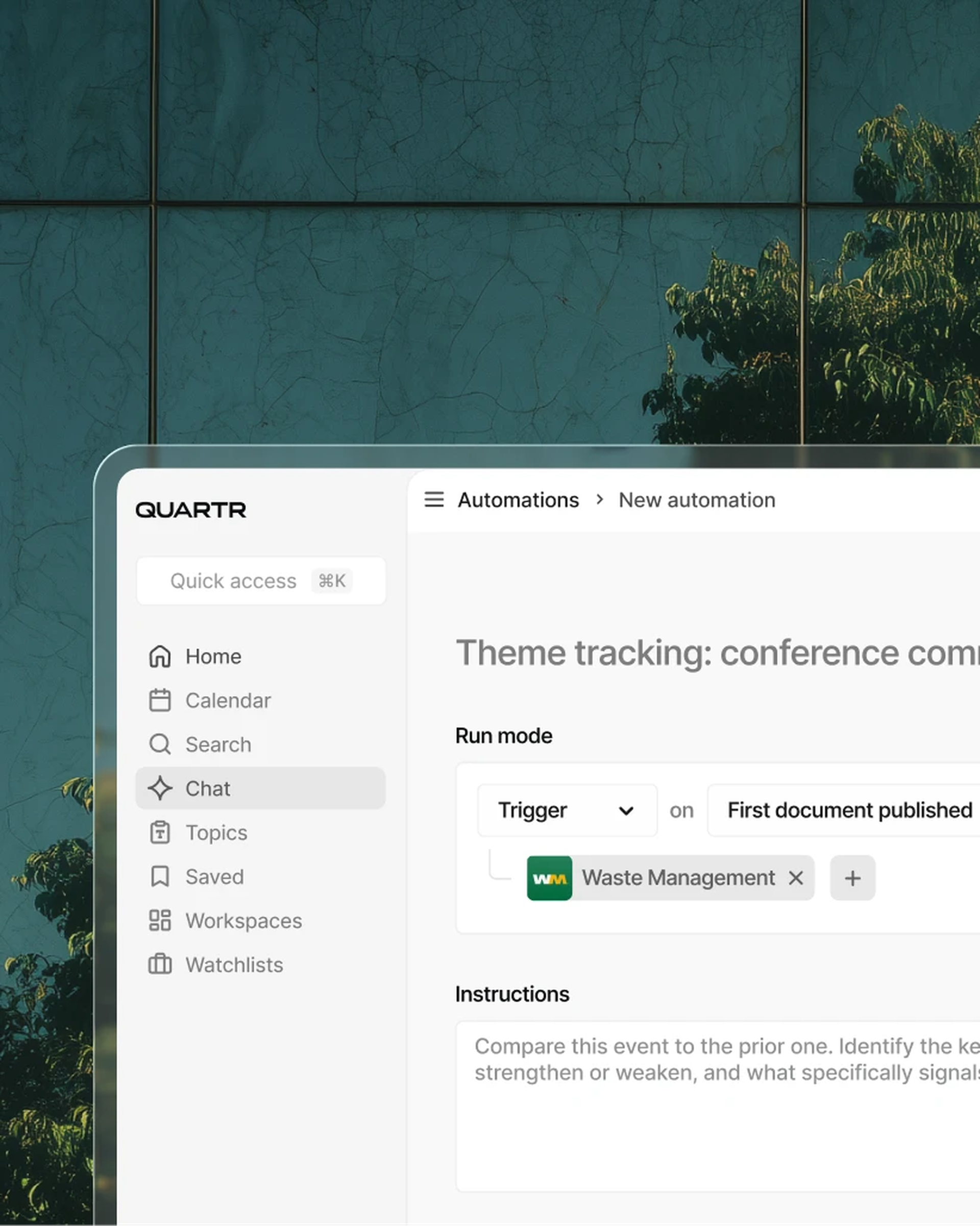
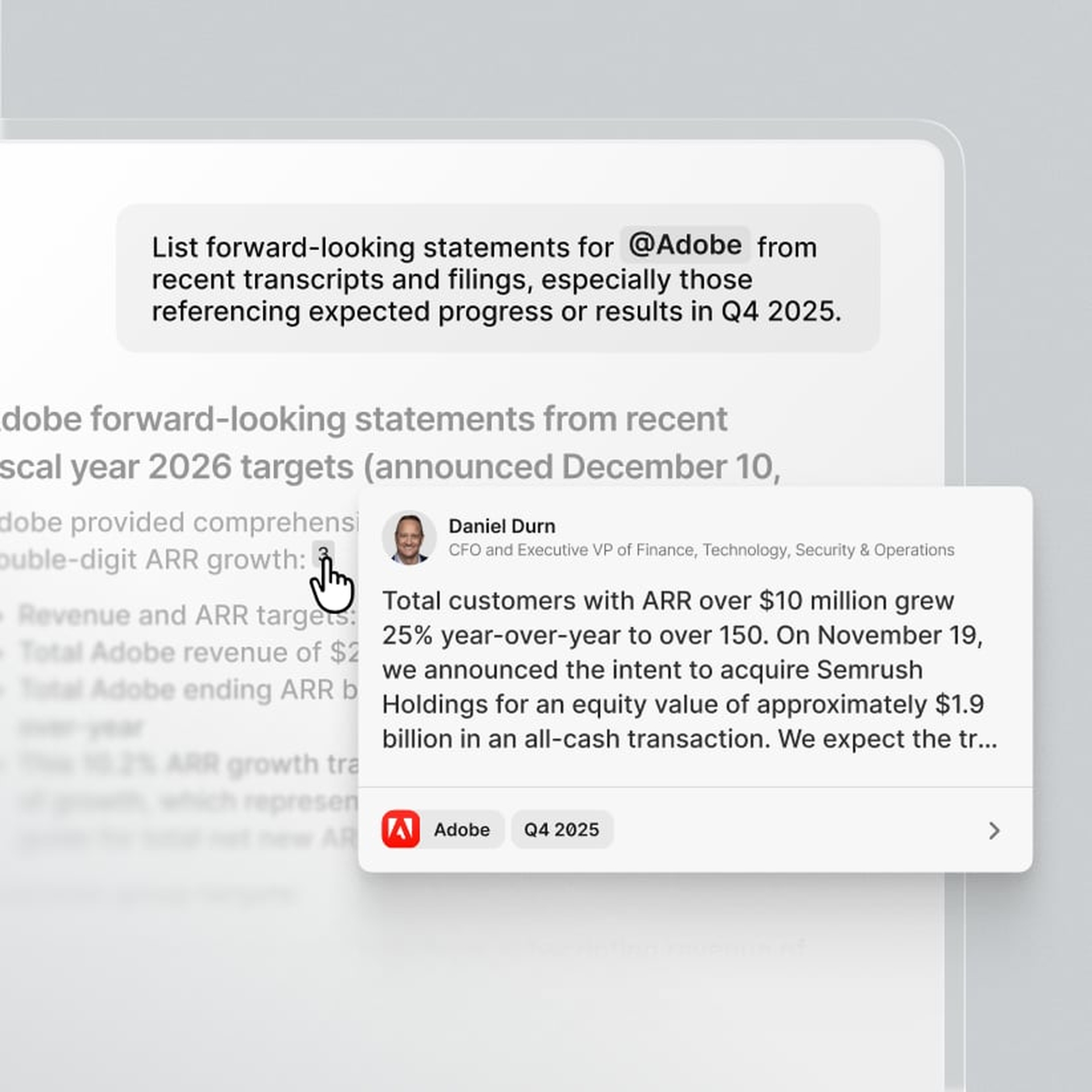
AI chat
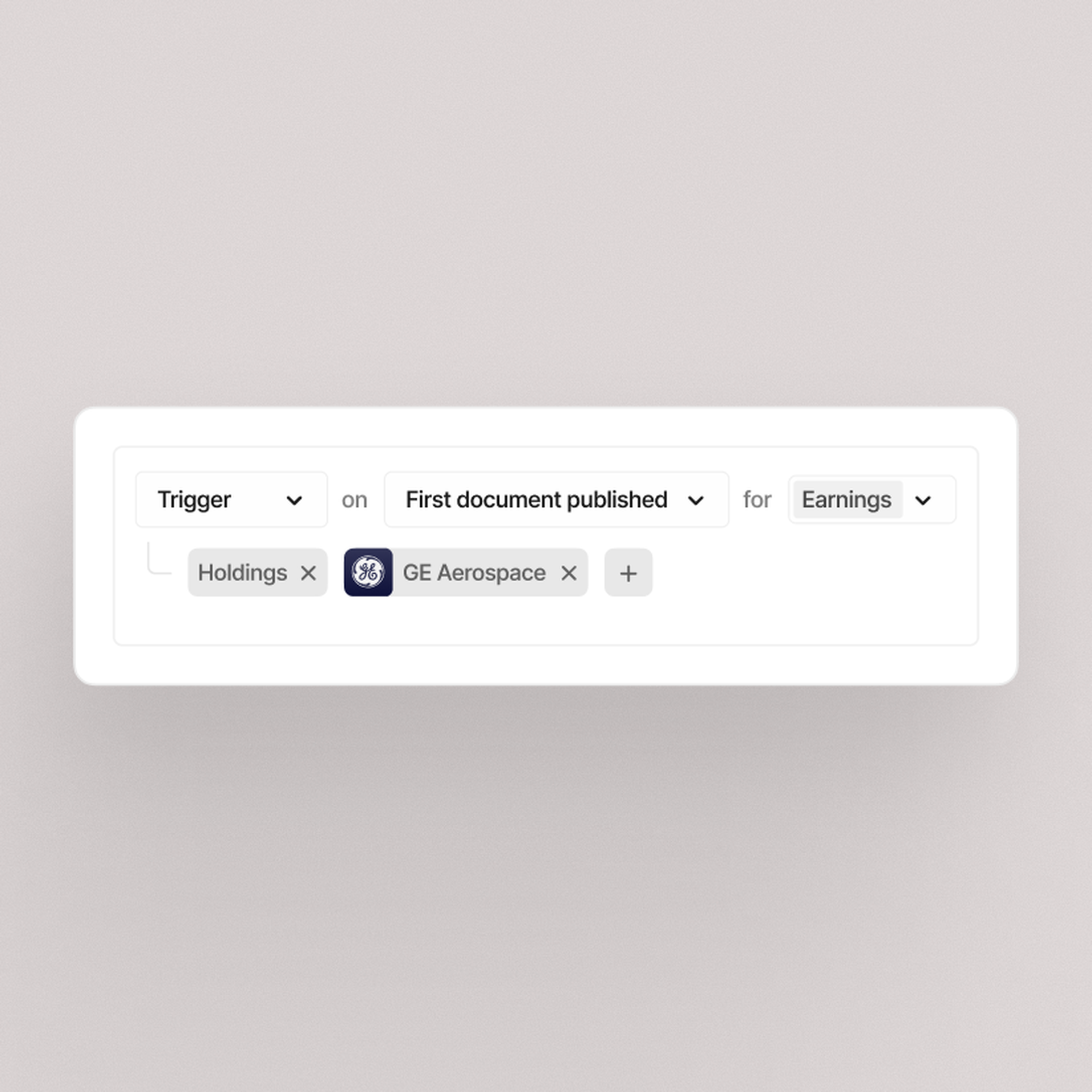
Automations

Live audio & transcripts
Quartr's AI stands out because it only pulls clean, first-party data from public companies. In investing, that's everything.
Jamie Ross
Investment Manager, GAM Investments
Research that used to take hours now takes seconds with Quartr Pro. Tracking shifts in tone or extracting tables, it's as simple as typing a query.
Tom O'Hara
Investment Director
Before Quartr we spent hours manually compiling insights through the peer earnings cycle. Now, these tasks are done faster, with greater precision.
Gregg Lampf
VP of Investor Relations
Being able to ask specific questions across years of transcripts and reports and instantly get verified answers is a game-changer.
Pontus Dackmo
CEO & Investment Manager
UDR, Inc. is a real estate investment trust (REIT) specializing in managing, developing, and redeveloping multifamily properties. UDR has established a robust portfolio of upscale and luxury properties, including residential units across major metropolitan areas across the United States. The company focuses on delivering enjoyable living environments for residents while aiming for long-term value creation for shareholders at the same time. It is headquartered in Highlands Ranch, Colorado, and its shares are listed on the NYSE.
UDR was founded in 1972, the company started as a small real estate development firm in Colorado. Today, UDR owns and manages a substantial portfolio of over 60,000 apartment homes, many of which are located in some of the most sought-after markets in the United States, such as New York City, San Francisco, and Washington, D.C.
The company is primarily engaged in the ownership, operation, development, and acquisition of multifamily apartment communities. Its property portfolio spans various regions across the United States, with a focus on urban and suburban areas. UDR's properties typically include mid-rise and high-rise buildings, often featuring a range of amenities designed to appeal to a diverse tenant base. These amenities can include fitness centers, swimming pools, and community spaces. Some similar companies to UDR are Boston Properties, Equity Residential, and AvalonBay Communities.
As a REIT, UDR. operates under a specific framework that involves owning and typically managing income-generating real estate properties. The REIT structure mandates that the company distributes a significant portion of its taxable income to shareholders, usually in the form of dividends. This is one of the rules and regulations that a company has to adhere to in order to qualify as a REIT, and in return, it receives a number of benefits.