)
)
)
)
)
Edge15 May 2026
TOMRA: Closing the Loop
The story of TOMRA: from reverse vending machine pioneer to global technology for deposit systems, recycling, and resource optimization.
While numerous companies are embedded in people's daily lives without ever receiving much recognition, few are better examples than Tetra Pak. Whether it was a small package of milk for your coffee or a juice box you packed for your kids' lunch, chances are high that you've interacted with one of their packages today. It doesn't sell directly to consumers, it doesn't advertise to you, and it's owned by one of the most private families in European business. Yet, hundreds of millions of people use its products on a daily basis. This is the story of how a paper tetrahedron became the foundation of a company that would reshape the global dairy industry, and of the family whose conviction made it happen.
The story of Tetra Pak, and eventually Tetra Laval, is in many ways the story of Anders Ruben Andersson. He was born in 1895 in the small fishing community of Råå, just south of Helsingborg, about an hour's drive north along the coast from the southwestern tip of Sweden. Ruben's father was a master painter, and during a time when Sweden was deeply poor, he grew up in comfortable, middle-class surroundings.
The young Ruben was a bright boy who did well in school and developed an interest in seed science. Skåne, the region in which he grew up, has some of the most fertile land for agriculture in the country, and Ruben set his sights on joining a local seed company after finishing his education. But before he could start his career, he, like all Swedish men at the time, would have to complete mandatory military service.
After his time in the military, Ruben adopted a new surname: Rausing, derived from the parish of Raus where he had grown up. He'd been given it as a nickname while serving, and he'd grown fond of it. The practice of choosing a more distinctive family name wasn't unusual in Sweden, where Andersson was, and still is, one of the most common surnames. At the time, it wouldn't have stood out much, and it is in large part the kind of thing that is only notable in retrospect. It may be a bit too ambitious to draw any conclusions from this or analyze Ruben's character from it. But one could also find something quite fitting about the fact that the man who would spend his life obsessing over inventions started by re-inventing his own name.
While Ruben thought he had his future all planned out, the labor market had other plans. He might have seen himself joining a seed company close to Helsingborg, finding a girl to marry, and settling down, but he was rejected from his dream job. Like you may have already deduced for yourself, the rejection would redirect his ambitions somewhere completely different. With the help of a loan from his aunt and thanks to his strong grades, he enrolled at the Stockholm School of Economics (SSE), by far the most prestigious business school in Sweden.
After graduation, he, like so many other SSE students before and after him, went to work at one of Sweden's dominant banks. Following a brief stint at Stockholms Enskilda Bank (now SEB), Rausing took a position at Sveriges Litografiska Tryckerier (SLT), a prominent Swedish printing and packaging company.
The work, as it would turn out, suited him. He was good with materials, liked to work with processes, and grew increasingly fascinated by the business of packaging itself. His work would be interrupted in 1919, as a scholarship from SSE took him across the Atlantic to Columbia University in New York, where he'd earn a Master of Science in Economics. His employers at SLT let him leave for America, and promised him continued employment once he returned home, on the condition that he brought back descriptions of the latest developments in modern packaging.
While the studies at Columbia were what he came for, it was something completely different that would leave the most lasting impression on Rausing. As he walked through grocery stores in New York, his observations planted the idea that would eventually become Tetra Pak. Back home in Sweden, shopping was done with the help of a clerk behind a counter. A shopper would present a list, and the clerk would gather the items, almost all of which were sold by weight. In America, the first self-service grocery store opened in 1916, and the concept quickly took hold.
The experience was ordinary to many Americans at this point, but to a Swede working in the packaging industry, it was a revelation. This was the future, and it would sooner or later spread back home as well. Although he didn't know it then, Rausing would help usher in the change.
For Rausing, the next step was quite logical: pre-packaged goods would become the standard. Consumers would need products that were sealed, labeled, portable, and hygienic. If pre-packaged goods were to become essential, someone would need to figure out how to package them cheaply and at scale.
Rausing returned to Sweden, with this conviction now lodged firmly in his mind. He continued working at SLT through the 1920s, climbing to a managerial role, and for a time, he seemed to be the frontrunner to take over the role of CEO in the years to come. During this period, he got to know Erik Åkerlund, an industrialist connected to the Åhlén and Åkerlund retail group. In 1929, after differences of opinion with the board at SLT on how their new office should be built, combined with disagreements regarding organizational changes, Rausing resigned in protest. He had no interest in carrying out decisions he didn't believe in.
A few months later, he and Erik Åkerlund founded Åkerlund & Rausing, the first specialized food packaging company in Scandinavia. They set up shop in Malmö, Sweden's third city, about 45 minutes south of where Rausing had grown up. While liquidity was strained at times, the company quickly found its footing, packaging flour, sugar, rice, and other staples.
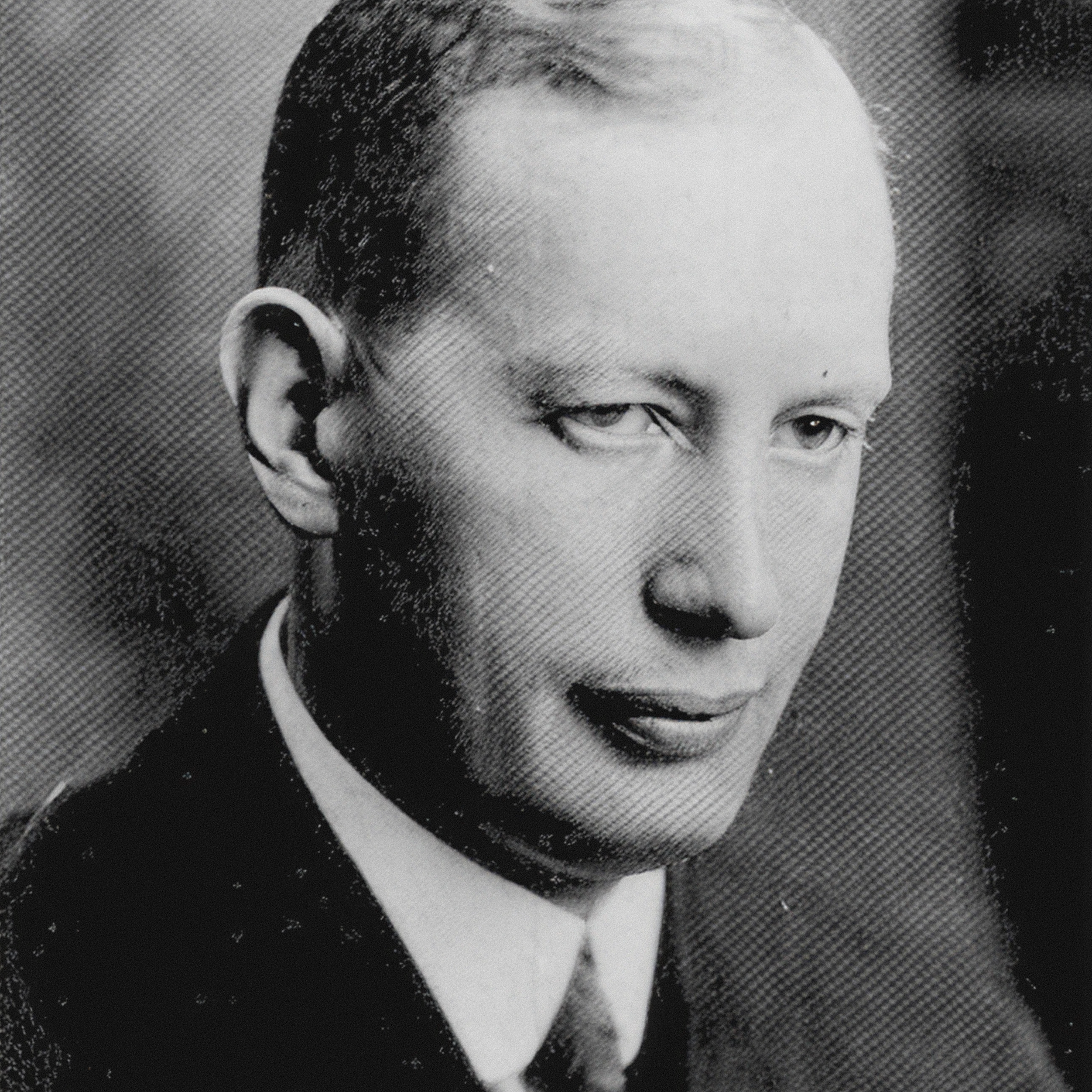
In the latter half of the 1930s, Å&R was doing so well that Rausing was looking to expand the physical footprint of the packaging plant. However, local officials were far from keen on the idea and refused to grant planning permission for the expansion. Å&R would have no future in Malmö, so Rausing decided that the entire company would relocate to Lund, a university town just outside Malmö. The new, larger factory was opened in 1939, just as Europe was about to be thrown into the deadliest conflict the continent had ever seen.
Sweden was neutral during the war, and while it wasn't invaded and forced to live under occupation like its Scandinavian neighbors, the war had a massive impact on day-to-day life. Under these conditions, the pre-packaging of items like sugar and flour became a convenient and straightforward way of distributing goods evenly and fairly across the population.
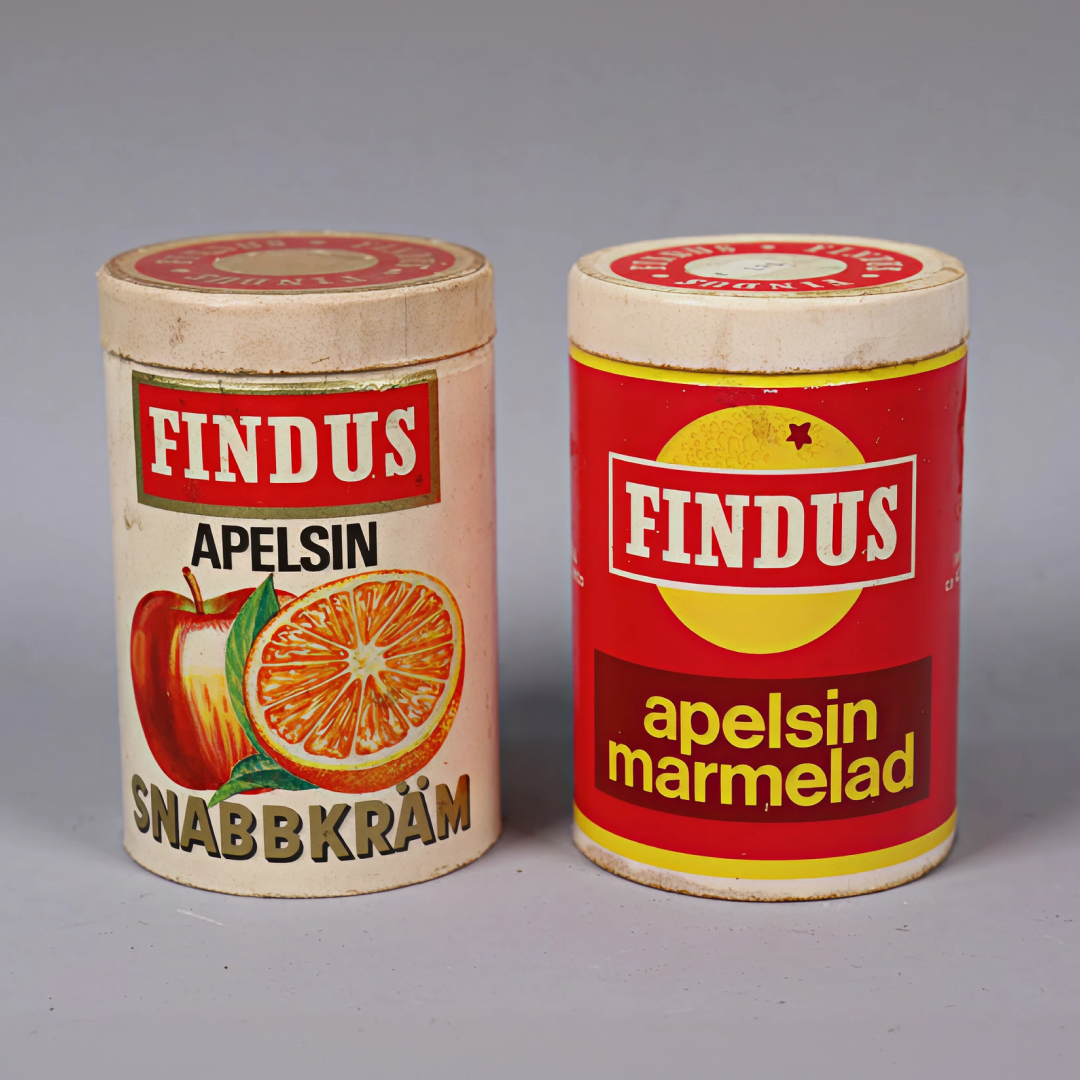
As the war raged on, Å&R had become a supplier to the Swedish war department's materiel section. But the desperate shortages in materials like glass and aluminium meant that Å&R, like the rest of the civilian manufacturers in Europe, had to get creative. An example born out of the shortages was its Satello can, pictured below, made entirely out of paper with a thin lining of paraffin protecting the contents inside.
Rausing himself considered it his patriotic duty to be involved in various commissions and inquiries led by the state, especially during wartime. But between his work on developing new paper cans and writing reports for the commission on price control, he had developed what can only be described as an obsession with the problem of milk packaging.
At the time, milk was sold unpackaged, and required the customer to either buy a glass bottle with a deposit or bring one from home to be filled. They were expensive, required a collection and washing system for reuse, and the added weight of the glass made moving them around laborious. The whole arrangement was clumsy, prone to contamination, and fundamentally incompatible with the self-service future Rausing foresaw. If he could solve the milk packaging problem, he believed, the market would be enormous.
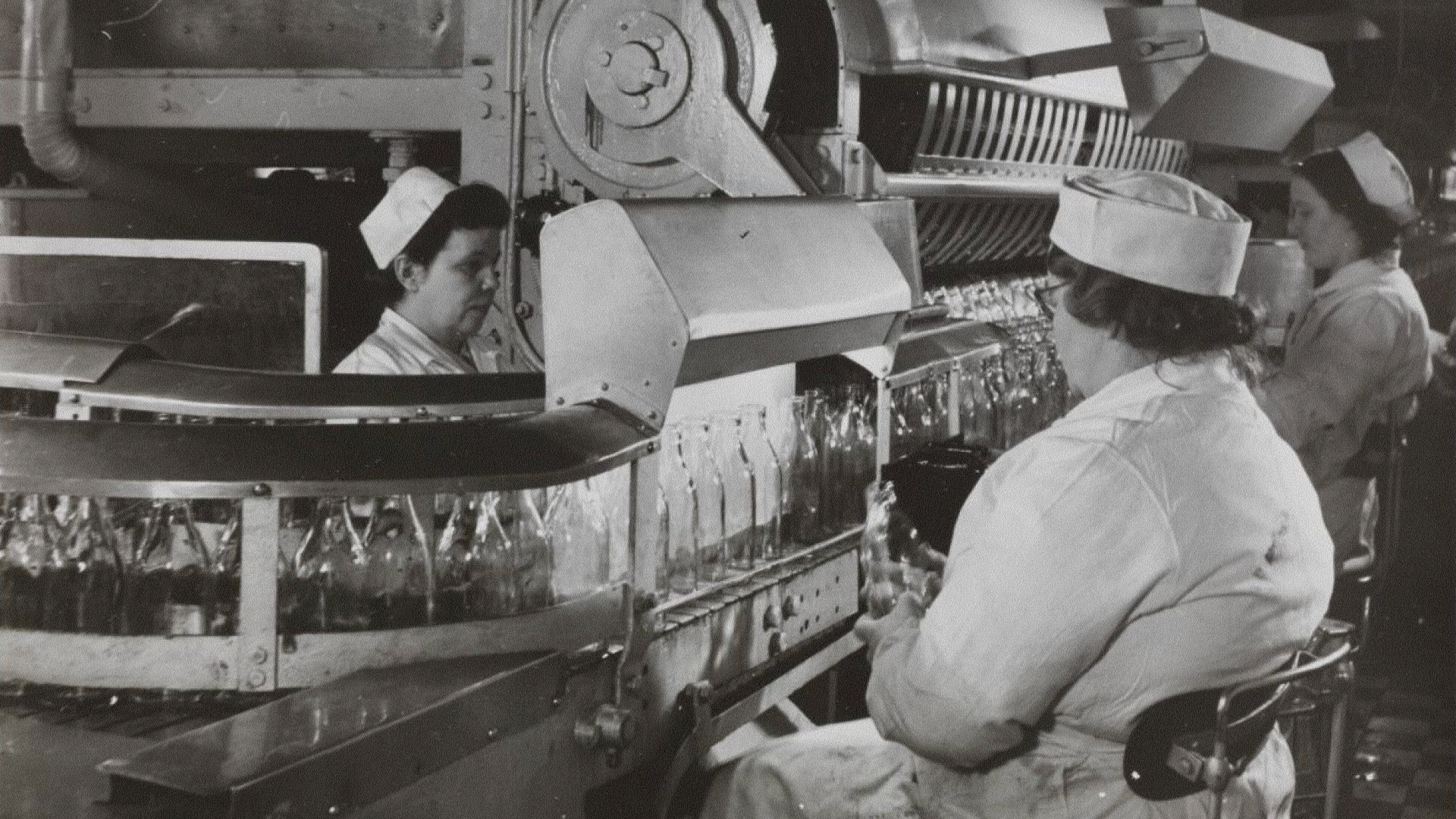
The issue lay first and foremost in finding a package that was light, cheap, and sturdy enough to hold and transport milk. While that is a difficult enough task on its own, milk is also sensitive and must be handled properly to keep it hygienic. Now add the fact that milk has notoriously low margins, and you've got a bit of a conundrum on your hands.
On the other side of the Atlantic, milk was already being sold in a type of paper container, but on closer inspection, they proved to be far too expensive for Swedish conditions. Ever since the move to Lund, several of the employees at Å&R had been working more or less full-time on finding a valid solution. But as with all societal progress during the early 1940s, the reality presented by the war threw a spanner in the works, as many laboratory workers were called up for military service.
You might've experienced something like this at your own workplace. Not necessarily that your colleagues are being called to guard the border, but that an interesting idea continues to go nowhere. This is exactly what was happening at Å&R, and one day in February 1944, Ruben Rausing had reached the end of his tether. He walked into the laboratory and let the workers know that it was time to present a concrete prototype from all of the suggestions that had been up for debate. Jokingly but sternly he added: “especially as I've just made a purchase of a large amount of cows, and they're standing around waiting to be milked.”
One of the men who received the order was the recently hired laboratory assistant Erik Wallenberg (not related to the famous Wallenberg family). When his manager was drafted for military service, Wallenberg suddenly found himself, at 28, in charge of the research lab. He went home, more than likely somewhat troubled by the weight of the task at hand, and thought about the problem.
Rather than trying to build a rectangular box with flat panels, folded edges, and glued seams, in the manner of American-style cartons, he conceived of a package that could be formed from a single tube of paper. By folding a paper cylinder at both ends, with the folds perpendicular to each other, he produced a geometric shape known as a tetrahedron, a solid with four corners and four triangular faces. It's the simplest three-dimensional shape that can be formed by folding a flat surface; it's inherently stable, and uses a minimum of material relative to the volume it encloses.
After some more work in the laboratory together with the director, now back from military service, Wallenberg gathered himself, made sure his hair and tie were in order, and walked up to Ruben Rausing's office. Wallenberg had only been at Å&R for a few months, and after what we can only assume was a somewhat nervous knock, he was invited inside. What he presented would, in due time, revolutionize food packaging and make Rausing one of the richest men in the world.
But we'd be lying if we said that the invention was met with immediate enthusiasm from Rausing. After some consideration, just weeks after his speech in the lab, the tetrahedron shape for use in packaging was filed for a patent in March of 1944.
The story of how the invention came to be and who did what in the process was murky for years. In the (brilliant) book Tetra Pak: A Vision Becomes Reality, author and former Senior Vice President at Tetra Laval, Lars Leander, summarizes it beautifully:
"With hindsight, one might speculate about who did what at this initial stage, what amounted to rational, purposeful action, and what intuitive, even fortuitous components formed part of the creation process. A number of partial answers may be given; but the fact remains: it was Erik Wallenberg who hit on the brilliant idea of applying the tetrahedron shape to a package, and Ruben Rausing had the insight, courage, and determination required to pursue this original – to put it mildly – proposal. The credit for the basic invention belongs to Erik Wallenberg alone."
For a long time, Wallenberg's contribution went more or less unnoticed as the tetrahedron gave rise to a company that would go on to dominate the global dairy packaging industry. But his time in the spotlight would come. In 1991, His Majesty King Carl XVI Gustaf presented him with the Gold Medal of the Royal Swedish Academy of Engineering in recognition of his invention.
Get curated quality company deep dives every other week.
With the shape of the container decided, the next challenge presented itself. The packaging needed to be shaped, filled, and sealed automatically through the use of a machine to be viable. Even if there was a machine capable of doing it (there wasn't), they'd need to find suitable material (they hadn't), and line it with a material that kept milk stable and uncontaminated (which didn't exist).
The first problem would be to build a machine that was able to continuously fill and seal the packages. The principle of how it should work had been laid out, but several designs been had tried and failed. Harry Järnud, an engineer at Å&R who had come up with a concept for how the tetrahedrons should be stored and transported, told Rausing he could have a working prototype ready in four months' time.
Cancelling his summer holiday plans, he got to work. Four months later, as promised, he presented his prototype. It was crude and imperfect, but it worked. The tube of paper went in, the milk was filled, and sealed tetrahedra came out the other end. Jubilation.
Trust your coworkers and colleagues – without trust, we cannot function.— Ruben Rausing
However, the next task of finding the right paper and the proper lining would take years. During that process, Järnud and his team were working out of a shack that was more often than not soaked on account of all the leaking milk cartons. Though the team had succeeded with the machine, the coming years would be filled with fruitless searches and bitter disappointments. Rausing's belief that they'd find the right materials never faltered, and he was convinced that the materials would be found.
As all of this was taking place, the next generation of the Rausing family was becoming increasingly involved in the business. Ruben's sons, Gad and Hans Rausing, had been taking on more and more responsibility during the late 1940s and into the 50s, and as the search for a solution to the material problem intensified, they were both central in day-to-day operations. We'll return to them both later.
While Ruben Rausing never wavered in his conviction, time was of the essence. The self-service revolution had begun in Sweden and the rest of Europe, and there were massive investments planned in the Swedish dairy industry to support the growing population's demand for milk. Ruben Rausing was very keen to ensure that these investments would be made with the tetrahedron in mind. Å&R's packaged goods had maintained the entire business despite the enormous R&D spend, but the clock was ticking, and the company's future was riding on being able to make the tetrahedron design work.
Finally, the right lining was found in the U.S. by Gad Rausing and Erik Torudd. The latter was head of sales at Å&R and had made it his personal mission to solve the problem with the materials. As it turned out, finding the right lining also solved the paper problem, as it could be applied to Swedish kraft paper, giving it just the right properties to work.
The solution was in a proprietary material called S-50, and a technique developed by the Chicago-based company H.P. Smith. The company had worked on the problem for several years, but was eventually able to apply the heated, semi-viscous polythene to paper. After some testing back home in Lund, Järnud and the rest of the team concluded that it worked, and that it worked splendidly at that.
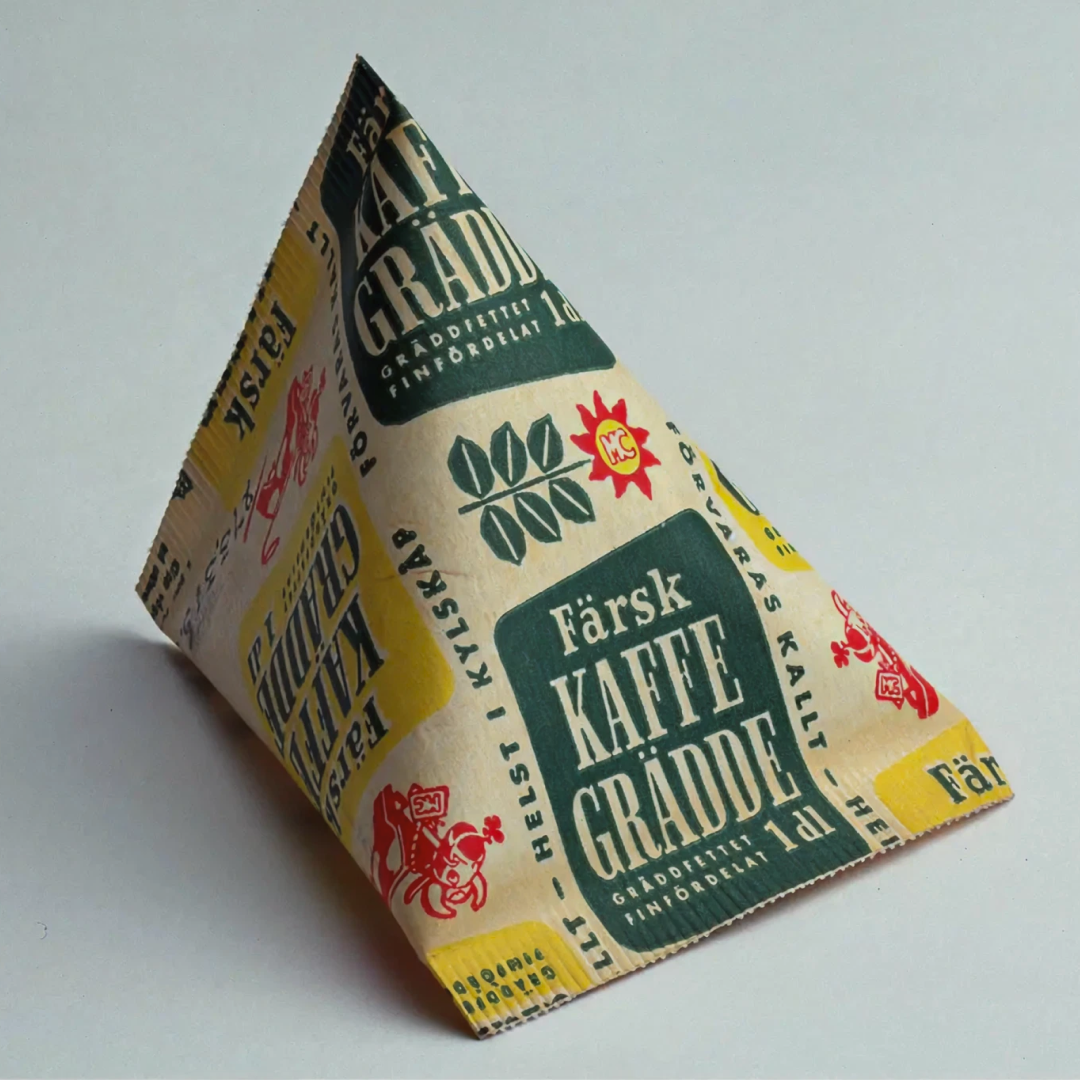
AB Tetra Pak was formally established in 1951 as a subsidiary of Åkerlund & Rausing, and in May of the same year, the new packaging system was presented to the Swedish press. The first machine was christened the Tetra Classic, and following extensive testing, everything was ready for commercialization. In 1952, the first machine was delivered to Lundaortens Mejeriförening, a local dairy in Lund. At first, production was modest, but soon rose to 10,000 one-deciliter packages of cream a day.
It had taken 8 years from the invention of the tetrahedron container to the first delivery of a working packaging machine to a customer. After the first installation, the focus turned to Mjölkcentralen (literally translated as "The milk central") in Stockholm, Sweden's largest dairy company. Mjölkcentralen had been following the project since 1947, and while it wasn't pleased to have waited six years, the company soon installed a machine of its own. Getting a foot in the door at Mjölkcentralen, albeit somewhat late, would prove to be a massive credibility boost for the new packaging technology.
From the start, Rausing had ambitions that stretched far beyond Sweden, and despite the old proverb that nobody is a prophet in their own land, that's exactly what they would have to be. Even if the company had registered Tetra Pak as a trademark in 57 countries in 1951, it would need to prove viability on the home front before looking to conquer the rest of Europe. But just as the team had finally made its packaging machine work, trouble was brewing.
The whole operation hinged on being able to source enough S-50 coated kraft paper, and as fate would have it, another armed conflict was indirectly disrupting the flow of that material to Tetra Pak. Due to the war in Korea, H.P. Smith's factories had been ordered to shift into wartime production for the U.S. Department of Defense, leading to a halt in S-50 production for civilian applications.
Erik Torudd, ever the optimist and problem solver, somehow managed to get a meeting with the Quartermaster General in Washington. Shockingly, the General informed him that winning the war in Korea mattered more to the United States government than assisting a small packaging company in Lund with sourcing the material it needed.
Torudd and the rest of the team scrambled and quickly started buying up whatever quantities of S-50 they could find on the market. Even so, the stockpiles would only last until the summer of 1953, a nerve-wracking reality for the entire production team in Lund. But just as it seemed like all was lost, a new technology emerged that enabled paper to be coated with a thin sheet of polythene. It became the saving grace for Tetra Pak, and soon enough, the company moved the production of coating in-house. The crisis had, through determination, R&D spend, and a healthy sprinkle of luck, been avoided.
The 1950s continued with rapid adoption across Sweden after Mjölkcentralen had led the way and Swedish retailers had seen the benefits offered by the Tetra Pak. Both half-liter and full-liter packages were introduced, and soon enough, European clients came knocking. In 1954, the same year that a filling machine was exported to Hamburg, Hans Rausing succeeded his father as the CEO of Tetra Pak. Gad Rausing would serve as Vice President.
Following the first export, things moved quickly. In just a couple of years, Tetra Classic expanded to dairies in France, Italy, and Switzerland. Even though Tetra Pak now had the wind at its back, it proved far too expensive to produce all the materials needed for exports while also supplying the Swedish market. This marked the beginning of a new approach: the company began licensing its technology to dairies, a model that would accelerate expansion and remain a core part of the business to this day.
Leading the way for expansion was a small army of local sales reps, going around from dairy shows everywhere from northern Norway to the south of France, spreading the gospel of the tetrahedron. Despite these victories, Tetra Pak was bleeding money, reporting a loss of three million Swedish kronor ($580,000) in 1958, a staggering sum at the time. Hans Rausing, being his father's son, took it in stride. “This is not that bad. Next year, when our volumes increase it'll turn around. You'll see,” he told his distraught financial manager. He would, of course, be proved right.
But as always, time was not on their side. Tetra Classic machines were selling, but the adoption wasn't fast or wide enough to carry the enormous R&D spend. Tetra Pak had to get back to the drawing board.
The story of Tetra Pak is in many ways a story of solving problems, and whenever a solution was found, a new problem often arose as a result of the solution itself. Throughout the late 1950s and into the 1960s, the company, now operating out of a new factory complex in Lund, had two existential problems.
The tetrahedron was clever and efficient in use of its material, and by 1960, there had been over one billion packages produced using the shape. In fact, its shape was so brilliant that the famous Danish physicist Niels Bohr called it "a perfect practical application of a mathematical problem" during a visit to Lund. But (depending on how philosophical you want to get), real life is not a theoretical mathematical problem, and the original Tetra Pak came with some inherent flaws.
First and foremost, they were difficult to store and transport, even when using Tetra Pak's custom-built transport racks. Tetrahedrons do not stack neatly, and as a result, they waste space in every part of the supply chain and in the consumer's kitchen. The Rausings, who by this point had spent three decades thinking about self-service retailing and the importance of efficient packaging, understood better than anyone that the potential of the pyramid shape had a ceiling. If Tetra Pak was going to outcompete the glass bottle and eventually dominate the global market for dairy products as a whole, it would need a rectangular carton.
The second problem was more fundamental. Even in its improved form, the Tetra Classic was a package for fresh, pasteurized milk. It extended the product's life by a few days compared to an open bottle, but it still required refrigeration. The milk inside would spoil if left at room temperature. For a company selling into Scandinavia and Western Europe, where cold chains were well-established, this was manageable.
But Rausing had always seen Tetra Pak as a global enterprise, and large parts of the world had no cold chain at all. If milk could somehow be made to last for months without refrigeration, the addressable market would not be millions of consumers but billions.
While both problems were addressed simultaneously, the solution to its shape came first. Forming a rectangular cuboid from a tube of paper sounds easy enough, but as the development of the tetrahedron had shown, it would be a monumental challenge.
The engineering was difficult and fraught with setback after setback, but just as in the 1940s, Rausing (and now also his sons) never lost faith. The rectangular cartons, which had been given the working name of Tetra Brik, required a fundamentally different sealing process and a more complex machine than the Tetra Classic. After countless prototypes and yet another staggering R&D bill, the first Tetra Brik packaging machine was finally installed at a dairy in Motala, a small town in central Sweden, in 1963.
The Brik was not the only new format to be introduced during this period. In 1966, Tetra Pak unveiled the Tetra Rex, a gable-top carton designed specifically for chilled products. The concept itself was not new, but Tetra Pak brought its materials expertise and system model to the format, offering the package and filling machine as an integrated solution.
Together with the original Classic, these three formats formed the foundation of Tetra Pak's product portfolio. Remarkably, they remain its backbone to this day.
)
The difference between the new rectangular cartons and the Classic was night and day. The Brik brought with it efficient use of space at every stage: in production, in transport, in warehousing, on retail shelves, and in consumers' refrigerators. It could be stacked, palletised, and displayed without wasting room.
Combined with improvements in printing technology, it offered a generous surface for branding and product information, a feature that mattered more and more as self-service retailing spread across Europe and the rest of the world. But the Brik, for all its practical advantages, was still a package for chilled products. The real transformation required solving the second problem: shelf life.
Tetra Pak had been working on aseptic technology for some time, but just as with the S-50, they'd need outside help. Back in the mid 1950s, the company started a collaboration with the Swiss industrial group Ursina and a Swiss dairy enterprise called Alpura. The Swiss had been early pioneers of ultra-high temperature-treated milk (UHT), and the Rausings were more than eager to learn. Alpura had developed a system for UHT milk in cans, which went on sale in Switzerland as early as 1953. However, as cans were expensive and heavy, and therefore didn't scale economically, perhaps its aseptic system could work better for paper cartons.
Aseptic packaging required three things to happen simultaneously: the milk had to be sterilised at ultra-high temperatures, the packaging material had to be sterilised separately, and the two had to be combined and sealed in a sterile environment so that no bacteria could be introduced at any point. At the risk of sounding like a broken record at this point: it was a massive challenge.
Tetra Pak's approach involved adding a thin layer of aluminium foil to the laminated packaging material, creating a barrier against light, oxygen, and micro-organisms. The packaging material itself was disinfected with hydrogen peroxide, then heated to vaporize any chemical residue, creating a flow of hot, sterile air during the filling process that kept airborne bacteria out. The milk was heated to ultra-high temperatures, high enough to kill essentially all micro-organisms, then cooled and filled into the sterilised cartons.
In October 1961, at a press conference in Thun, Switzerland, the first aseptic filling machine was unveiled, and shortly after, commercial trials of the Tetra Classic Aseptic began in Bern. Following resounding success, the delivery of aseptic machines to the rest of Europe began the next year. Looking back, the impact of the new technology is impossible to overstate. The American Institute of Food Technologies would later call aseptic processing and packaging the most significant innovation in food technology of the past half-century.
While that is a claim with some weight behind it, it is not hard to see why. Before aseptic packaging, distributing milk over long distances required an unbroken cold chain: a network of refrigerated trucks, warehouses, and retail displays that was expensive to build and, across large parts of the world, simply did not exist. A dairy farmer in southern Sweden could get milk to a shop in Stockholm through a well-maintained cold chain without any trouble.
But getting milk from a processing plant to a village in sub-Saharan Africa, or to a household in rural India, or to a military base in the desert, was a different problem entirely. A carton of UHT milk sealed in a Tetra Pak could travel via boat, rail, and trucks, sit on a shelf at room temperature, and still be safe, nutritious, and ready to drink for six months or more after production.
The next (very obvious) step was to combine the breakthroughs, and in 1969, the two threads of development converged. The Tetra Brik Aseptic incorporated the practical advantages of the rectangular Brik shape (stackable, efficient, easy to brand) with the shelf-life properties of aseptic technology. It was the product that Ruben Rausing's entire career had been building toward, even if he could not have foreseen its exact form.
The Tetra Brik Aseptic would eventually account for more than 80% of all Tetra Pak packages sold, and its introduction would mark the true starting point of the company's explosive global growth.
)
To free up resources for this expansion, the rest of Å&R, which in large part had bankrolled the R&D years, was sold in 1965. It was a decisive break with the past, but from now on, the Rausings were all in on liquids.
Even though Gad and Hans Rausing had officially been in executive positions since the 1950s, the transition of leadership had been gradual. Ruben had been deeply involved in the business even as the sons took on more and more responsibility. Although they had different titles, the two brothers effectively ran the company together.
They proved to be effective, if contrasting, leaders. Gad was the quieter of the two, more operationally focused and more at home behind the scenes. He was far from one-dimensional and also had a parallel career as a scholar of prehistoric Scandinavian archaeology. He earned a PhD from Lund University in 1967 with a dissertation on Scandinavian prehistoric bows and arrowheads, and was a frequent lecturer at the Institute of Archaeology.
When asked how he managed to run a global corporation and do archaeological research at the same time, he cited "a fair number of left-over hours in airports and planes."
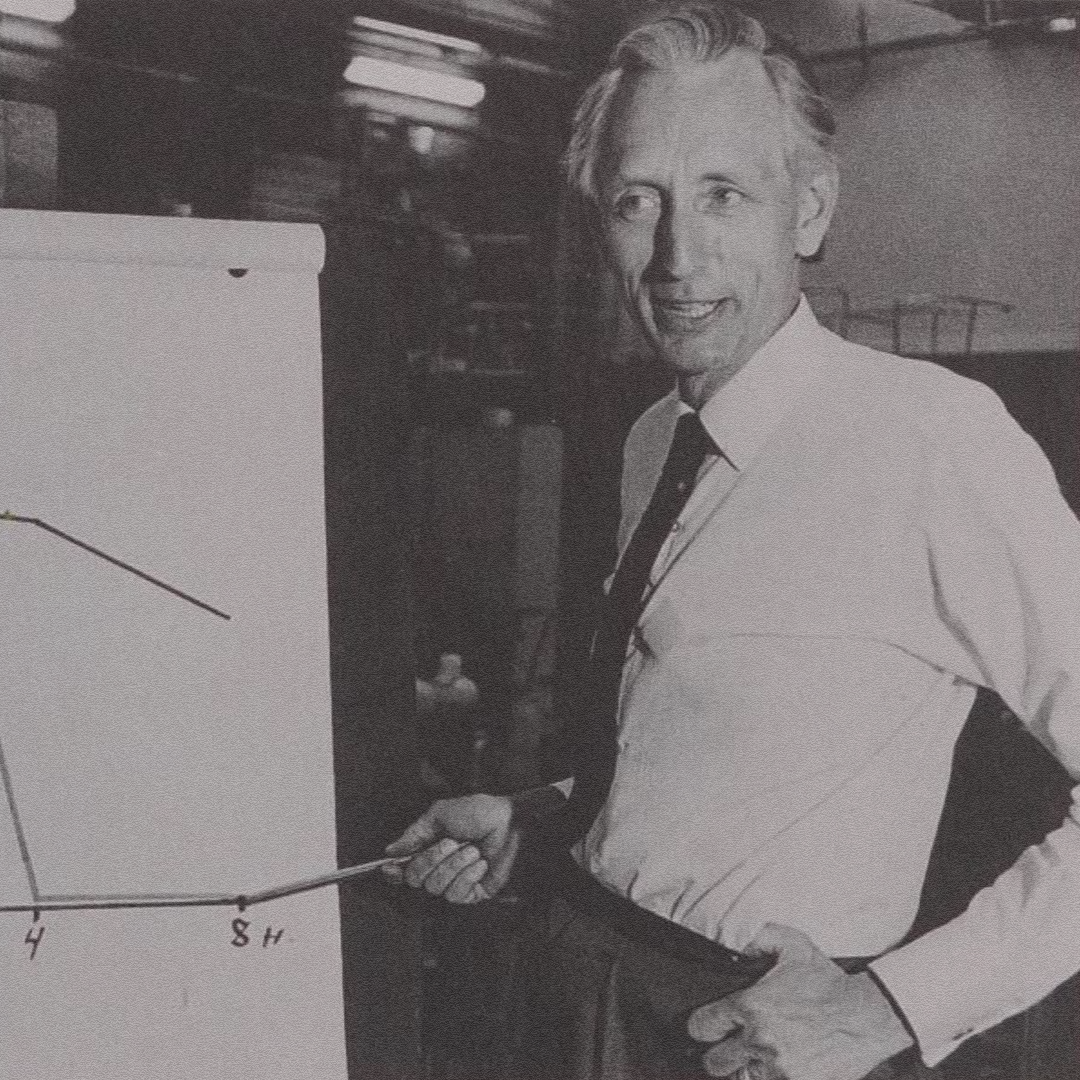
Hans, on the other hand, was the more outward-facing of the two. Whereas his brother preferred to be in an office handling practicalities or digging for arrowheads in a field somewhere, he felt at home at cocktail parties, speaking with the press, and spreading the name of Tetra Pak to the world. Most pertinent to our story here and now, he would prove to be an expert in navigating markets behind the Iron Curtain.
It was Hans who had negotiated the first Tetra Pak machine export to the Soviet Union back in 1959, when the company was still a fraction of its eventual size. The first machines were installed at a dairy plant in Moscow, producing half-liter and quarter-liter milk packages at a rate of around 5,800 units per hour. By 1963, twelve Soviet factories were using Tetra Pak equipment.
The early foothold in the Soviet market proved valuable as the company continued to ramp up its capabilities. But the adoption that Tetra Pak would have in the Eastern Bloc is even more notable when put into a political context. Sweden and the Soviet Union viewed each other with deep suspicion during the Cold War, and it was not uncommon for Soviet MiGs to make unauthorized incursions into Swedish airspace. Even as the threat of the Cold War turning hot loomed and relations between the two countries remained incredibly tense, Tetra Pak continued to expand in the East.
The USSR, not known for its willingness to work with foreign, capitalist countries, were in large part left with no other choice than to work with Tetra Pak. The product was too good, and the positives of Tetra Pak's aseptic packaging far outweighed the perceived negative optics. Most Soviets lacked reliable refrigeration, and packaging that could keep milk fresh for months at room temperature was correctly identified as a practical necessity.
Hans Rausing would continue to develop the Soviet, and eventually, the Russian and other post-Soviet markets for decades, making Tetra Pak the largest foreign employer in Russia. But the Soviet Union was just one front in what became, during the 1970s, a truly global expansion triggered by the Tetra Brik Aseptic.
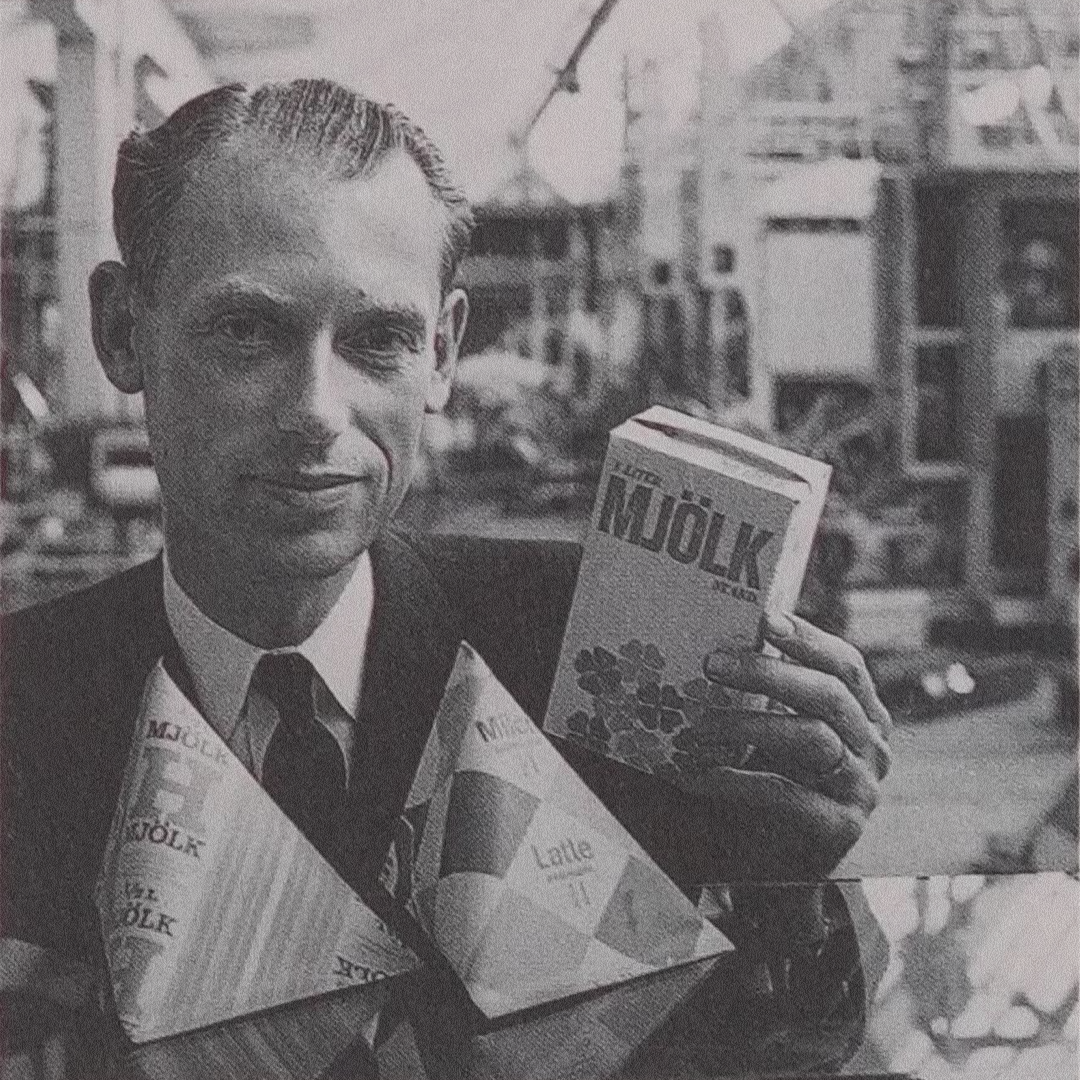
The pace of plant openings during this decade tells the story. A training center in Kenya in 1972. A packaging material factory in Italy, the following year. Then Australia, Iran, the Netherlands, and Switzerland. Japan, where Tetra Pak had established a subsidiary in 1962, had taken six years to turn a profit but was by the late 1970s one of the company's most successful regions. By 1973, annual output had crossed 11 billion cartons. The days of toiling over leaking tetrahedrons that just refused to seal themselves properly were well and truly over.
Ruben Rausing had emigrated to Lausanne in 1969, and in 1981, Tetra Pak followed, both relocations prompted by tax reasons. The R&D operations stayed behind, with Lund and Sweden remaining the intellectual heartland of the business.
At the time of the move, Tetra Pak was operating in 83 countries, employed 6,800 people, operated 22 plants (three of them making machinery), and generated annual revenues equivalent to about $1.1 billion. Its licensees were producing more than 30 billion containers a year, the company commanded roughly 90% of the global aseptic packaging market, and was involved in around 40% of all dairy packaged in Europe. To add to the momentum, the FDA would finally approve Tetra Pak's aseptic packaging for use in the U.S. in 1981.
Ruben Rausing died in August of 1983, at the time reported to be the richest Swede on the planet. The company he had spent a lifetime building carried on, and with it, much of his spirit and attitude towards problem solving.
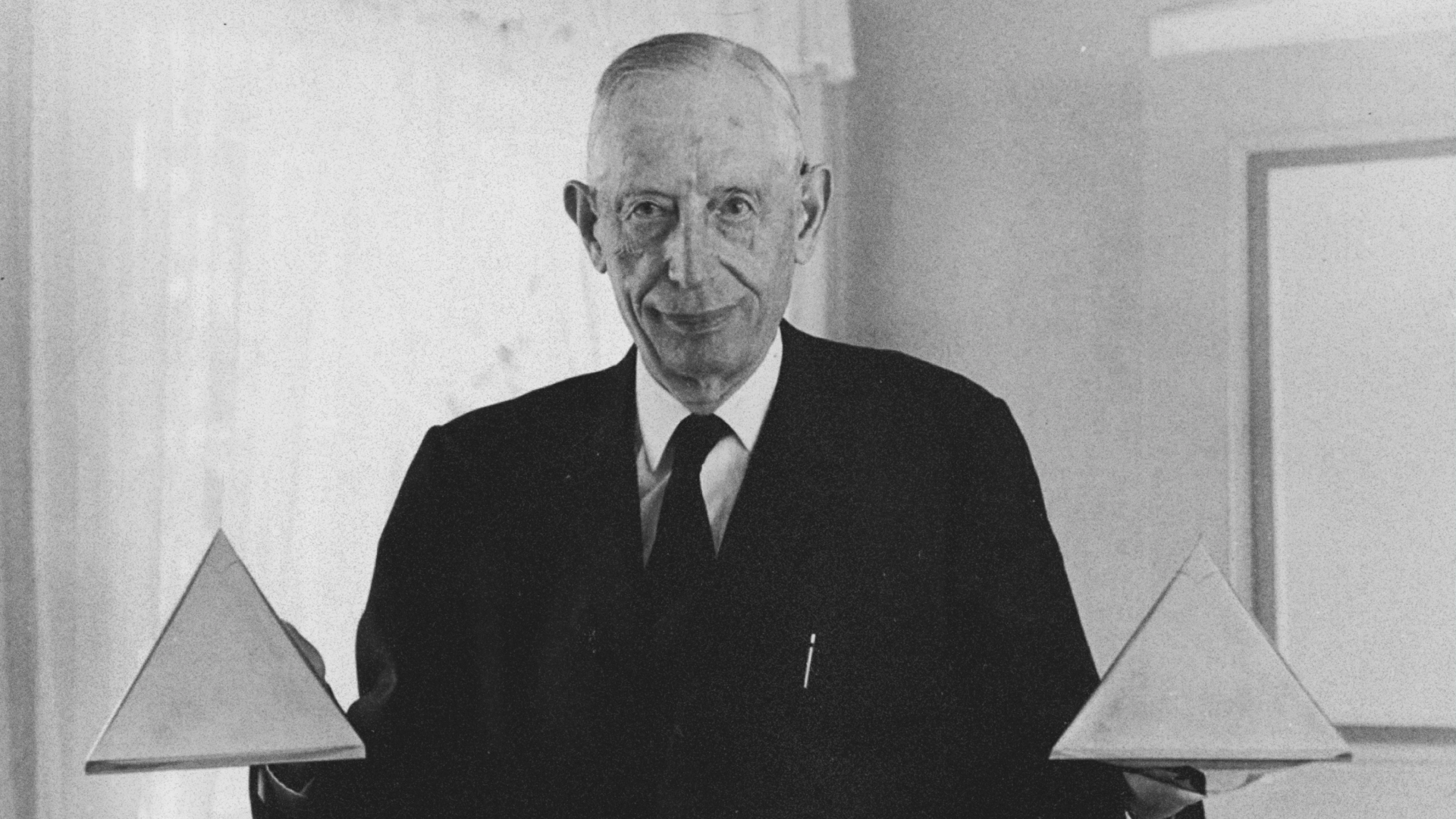
Tetra Pak's breakthrough in aseptic packaging opened the door to something more consequential than selling milk in Kyiv or Minsk: helping address food insecurity in the developing world.
One of the more remarkable chapters in the company's story involves India's so-called White Revolution. In the 1970s, Ruben Rausing himself was involved in discussions around Operation Flood, a massive dairy development program launched by India's National Dairy Development Board.
The connection to Tetra Pak was direct and practical. India, an unfathomably large country with lackluster road infrastructure and a tropical climate, was a place where the cold chain was lacking at best, and non-existent at worst. In 1970, per capita milk consumption was at a meager 107 grams per day, despite India being home to the world's largest population of cattle. While the crisis was in part economic, with clear potential for increased productivity and growth, it was first and foremost a question of securing nutrition for some of the poorest parts of the population.
Operation Flood addressed it by organizing village-level dairy cooperatives into a national network, connecting rural producers directly with consumers in major cities. The program sold donated European milk powder in India, and reinvested the profit to strengthen the rural dairy infrastructure – with Tetra Pak's aseptic products as the chosen packaging solution. The result was dramatic. By 1996, the program had secured income for nearly 10 million farming families. India would eventually go on to surpass the United States as the world's largest milk producer.
But India was just one of the places where Tetra Pak became involved in this type of program. The Iran contract of 1975, a school milk program in Mexico, the training center in Kenya, expansions into Lebanon and across the Middle East: all organized around the same premises rather than isolated events. Aseptic packaging had a natural constituency in the developing world, where heat, distance, and the absence of refrigeration infrastructure made conventional milk distribution either impossible or ruinously expensive. Tetra Pak's technology offered a way around those constraints, and the company pursued the opportunity aggressively.
Tetra Pak's involvement in programs like Operation Flood, in a roundabout way, established a future market for its products in a country approaching a billion people. Commercial interests and social impact were both part of the calculation when engaging in a food program in countries like Iran or India.
That does not mean that the massive amount of good their involvement meant for millions and millions of people is null and void. Commercial and philanthropic interests coexisted, and one does not cancel out the other. Tetra Pak has since formalized this kind of work by establishing its Food for Development office, and today, school feeding programs supported by the company reach close to 70 million children worldwide.
We're going to take up our story in 1991, one of the most impactful years in Tetra Pak's history. On the triumphant side, Tetra Pak announced it intended to acquire Alfa Laval AB for 16.25 billion SEK, roughly $2.5 billion, in what was at the time the largest corporate takeover in Swedish history.
Alfa Laval was a storied Swedish multinational in its own right, a world leader in industrial and agricultural equipment, and particularly in the dairy processing machinery that underpinned the milk supply chains Tetra Pak depended on. The two companies had been intertwined at the industry level for decades, and for the management of both companies, merging the two was a no-brainer.
By combining Alfa Laval's processing technology with Tetra Pak's packaging expertise, the company could offer customers end-to-end systems for processing, packaging, and distributing liquid foods. A dairy that installed a Tetra Pak line would not just buy cartons, but the entire infrastructure. Everything from heat treatment, filling, distribution logistics, ongoing service, and technical support would be supplied by a single company. It was an offer that no single competitor in the world would be able to match.
The Alfa Laval acquisition finally closed on January 1st, 1993, and gave rise to the Tetra Laval Group, a holding structure housing the different businesses. Alfa Laval's liquid food processing operations were absorbed into Tetra Pak, while its dairy and farming machinery division was spun off as a separate entity, initially called Alfa Laval Agri and later renamed DeLaval after Alfa Laval's founder, Gustaf de Laval.
The remaining industrial parts of Alfa Laval, focused on separation technology and heat transfer for heavy industry, continued as a standalone business within the group until 2000, when it was sold. That business is today publicly listed on the Stockholm Stock Exchange as Alfa Laval, and the Rausing family owns roughly 30% of its shares.
While the acquisition had been approved, the offer had drawn intense anti-competitive scrutiny from regulators in Stockholm, and more importantly, the European Commission. This was hardly surprising, given that Tetra Pak, ahead of the acquisition, already controlled around 90% of the European aseptic packaging market. However, these proceedings were far from the only trouble brewing in Brussels.
The European Union did not yet exist in 1991, but its predecessor, the European Economic Community (EEC), enforced antitrust rules from its headquarters in Brussels. Its competition directorate had been investigating Tetra Pak for years, focusing on the company's conduct within EEC member states. In the summer of 1991, the Commission issued a decision claiming that Tetra Pak had abused its dominant market position.
The specific allegations were as follows: Tetra Pak was accused of selling its Rex cartons at predatory prices, pricing below cost to force a weaker competitor out of the market; of tying the sale of filling machines to the exclusive purchase of Tetra Pak cartons; and of imposing unfair contract conditions on customers who tried to use competing products.
What the Commission presented was a pattern of behavior that it concluded had been transpiring since at least 1976 and had affected competition across all member states. The fine was equivalent to roughly $93 million, a significant sum at the time.
Tetra Pak challenged the decision, but the European Court of Justice dismissed the appeal in 1996. The case became one of the most cited in European competition law, establishing important precedents about how a dominant company can be held accountable for its actions in markets adjacent to the ones it dominates.
It was not the first time Tetra Pak had run into trouble with the Commission. An earlier case, decided in 1988, had found that the company infringed competition rules when it acquired an exclusive patent licence for a new aseptic packaging process through its purchase of the Liquipak group.
For a company that had positioned itself as the market leader thanks to its superior products, these episodes highlighted a more complex side of the story. Tetra Pak's technological superiority built a market position so dominant that the lines between competing aggressively and unfairly at times became blurred.
Hans and Gad Rausing had run Tetra Pak together for three decades, but they were never interchangeable. Hans had been the company's public face and driving commercial force, serving as President and CEO from 1954 to 1985. His management style was hands-on and obsessive about detail. His children would later write in a tribute that Hans never saw any rational explanation for why all dairy companies were not using Tetra Pak equipment. For Hans, according to Finn, Jörn, and Kirsten, “No customer was too small, no country too unimportant, no product impossible to fill.” In 1985, he stepped down as CEO.
For the first time, Tetra Pak would be run on a day-to-day basis by “outsiders” rather than by the Rausing family itself. Succession from decades of family-controlled to outside stewardship is a difficult transition for many companies. Tetra Pak, helped by the fact that both Hans and Gad remained on the board and Gad's sons Finn and Jörn both took on operational roles within the company, made it look relatively smooth.
Hans remained as chairman until 1993, when he left the company entirely. By that point, the Tetra Laval Group had been formally created, and the organization had grown far beyond what any two individuals could oversee. Hans Rausings formal involvement with the company came to an end in August 1995, when Gad bought out his brother's 50% share. The terms were not officially disclosed, but it was widely reported to be the largest private buyout in European history at the time.
Gad Rausing passed away in 2000 at the age of 77, and full ownership of Tetra Laval passed to his three children: Finn, Jörn, and Kirsten, each holding an equal one-third stake. Finn and Jörn took seats on the Tetra Laval Group Board, where they remain today. Kirsten also served on the board for many years before retiring in 2023.
While the ownership changes and regulatory battles drew headlines in the 1990s and into the 2000s, Tetra Pak was doing what it had always done best: developing new products and relentlessly expanding into new markets. Geographically, the growth story of the early 21st century was dominated by Asia, Eastern Europe, and Latin America.
So, that is, in a somewhat abridged version, the story of Tetra Pak. Today, the company sits in a peculiar position. It is deeply familiar and largely unknown at the same time. Hundreds of millions of people interact with its products every day without knowing much about the company behind them. It is one of the most important food technology companies in the world, yet it receives a fraction of the attention given to consumer brands with far smaller impact on how people actually eat and drink. Tetra Pak, for the most part, doesn't seem to mind.
Another reason for the relative anonymity is the simple fact that the Tetra Laval group remains privately held by Finn, Jörn, and Kirsten, and the preference for discretion has only deepened with successive generations.
The private structure in itself has over the years been a competitive advantage for the group. A €60 million pilot plant for a paper-based barrier technology that might not reach full commercial scale until the late 2020s is the kind of bet that requires patient capital. A publicly listed company would face quarterly questions about when the investment would pay off. A private one can simply get on with it.
As of early 2026, the company is led by Adolfo Orive, a Mexican-born industrial engineer who joined Tetra Pak in 1993 and rose through managing director roles in Colombia, Spain, and the Americas before taking the top job in 2019. The group operates in more than 160 countries, employs over 24,000 people, and generated sales of €12.8 billion in 2024. That year, it delivered 178 billion packages worldwide. The following visual illustrates just how remarkable the growth has been over the last 70 years:
)
The scale of the company today is difficult to appreciate without looking at the physical infrastructure. Tetra Laval runs 29 packaging material converting factories and several additional plants for closures, film, and straws. It has more than 8,000 packaging machines and over 100,000 processing units installed at customer sites around the world.
Keeping all of that equipment running is itself a substantial business: service, maintenance, spare parts, and technical support represent a significant and recurring share of revenues. The processing side, inherited from the Alfa Laval acquisition, now provides complete production systems for dairy, cheese, ice cream, beverages, and plant-based products. About half of the ice cream produced worldwide is manufactured using Tetra Laval processing equipment, just one indicator of how deep its market penetration really is.
Threats exist, and competitors chip away at market share, PET bottles keep advancing into dairy aisles, while paper-based packaging remains relatively difficult to recycle. But none of these pressures is new, and none has meaningfully dented the company's position. Tetra Pak's hold on the industry, built over seven decades through a system model that locks in customers at every stage of the production chain, is not the kind of advantage that erodes easily.
If there is one thread that runs through this entire story, it's the spirit of Ruben Rausing. Time and again, when the materials didn't work, when the machines leaked, when the money was running out, his response was the same: keep going, the solution will come. That conviction carried the company through fifteen years of R&D spend, and turned a paper tetrahedron leaking milk in a shack in Lund into a global system supplying billions. The deeply held belief that problems are meant to be solved, and that there is always a better material, a better process, a better way, is unmistakably his. We'll leave you with these words of his:
Doing something that nobody else has done before is actually quite hard.
Explore our platforms
Leading companies and financial institutions worldwide rely on Quartr to make better decisions faster.
Desktop
API
)