Edge16 Oct 2026
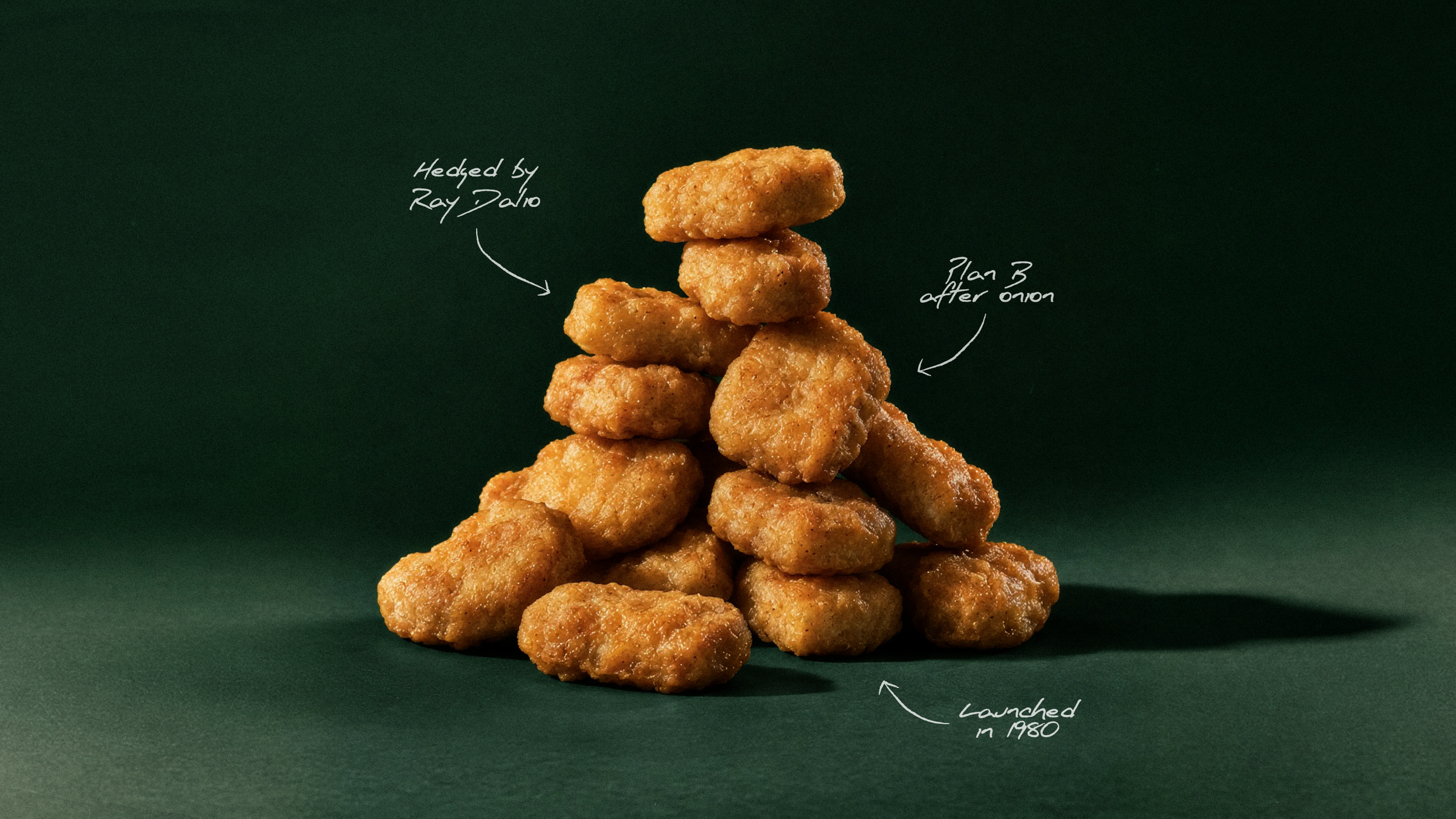
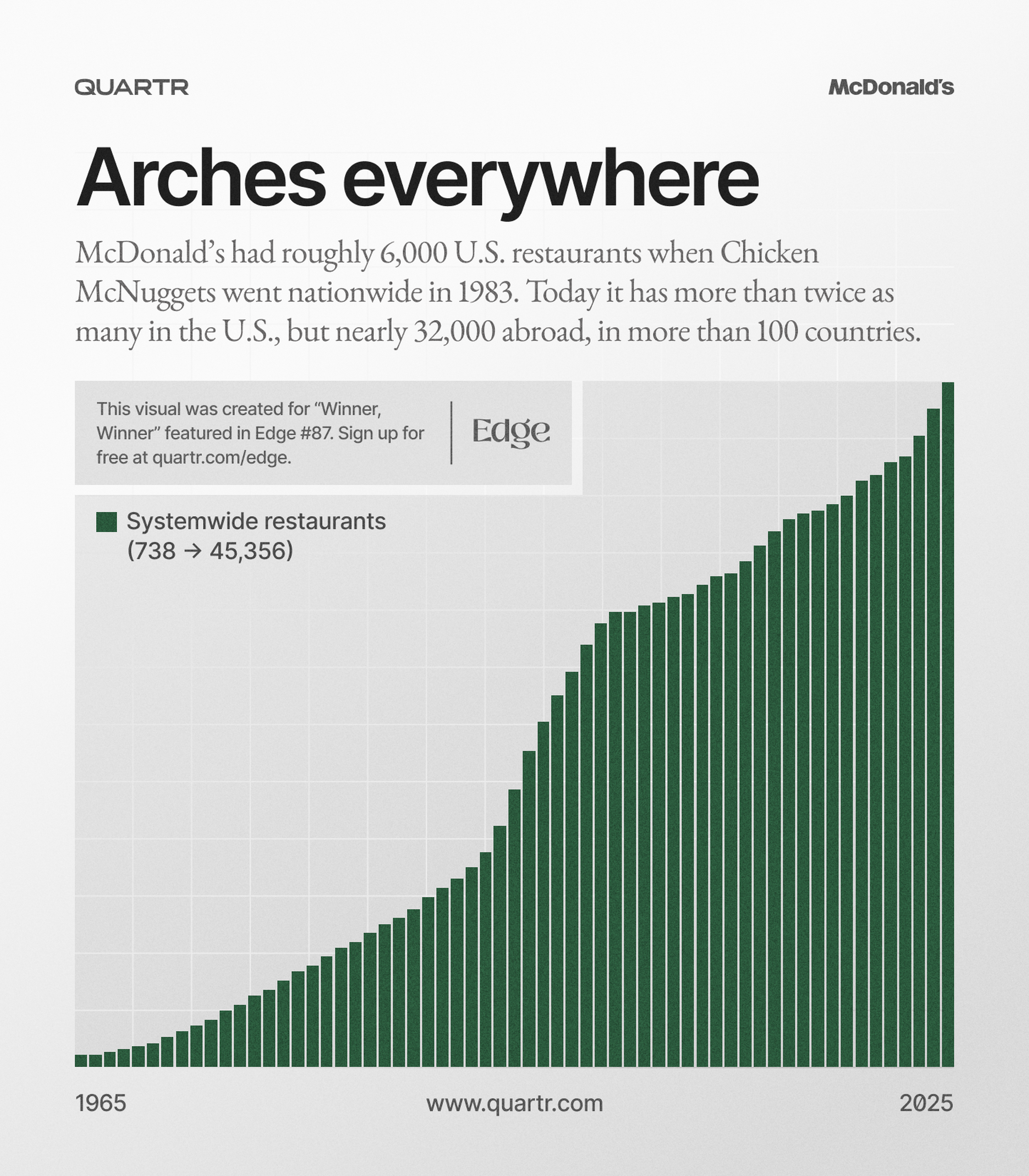
Winner, Winner: The Chicken McNugget Story
How a 1940s breeding contest, a Cornell food scientist, and a hedge by Ray Dalio helped McDonald's turn the Chicken McNugget into a fast-food icon.

3Q2026 total income rose 5.6% YoY to €6.227bn; net result was €1.85bn, up 3.5%, and profit before tax was €2.705bn, up 5.7%.
Added 259,000 mobile primary customers; net core lending grew €11.0bn and net core deposits €12.1bn.
Quarterly ROTE was 16.3%, with four-quarter rolling ROTE at 14.8%; strategy execution, commercial growth and capital efficiency supported profitability.
Commercial NII rose 13.4% YoY to €4.335bn; net fee and commission income increased 9.3% to €1.273bn.
Reported operating expenses were €3.119bn, up 3.6% YoY; excluding regulatory costs and incidental items, expenses were €2.975bn, also up 3.6%.
Other income fell 37.4% to €602m, mainly reflecting lower Treasury and Financial Markets contributions amid interest-rate volatility.
Net result per share was €0.65, up 8.3% YoY; 9M2026 net result rose 8.9% to €5.353bn.
Risk costs were €403m, including a €111m IFRS model-update charge; costs excluding model-update and SRT-related items remained below the through-cycle average.
FY2026 outlook reaffirmed: total income >€24.5bn, fee income ~€5bn, expenses €12.6–€12.8bn excluding incidental items, ROTE >15% and CET1 ~13%.
FY2027 outlook: total income >€26bn, fee income €5.3–€5.5bn, expenses ~€13bn excluding incidental items, ROTE >16% and CET1 ~13%.
FY2026 commercial NII guidance remains €16.8–€17.0bn, with performance tracking toward the upper end; liability margin is expected at ~110 bps.
Outlook excludes the potential impact of the intended Russia exit and other potential incidental items or one-offs.
Strategy update planned for the Capital Markets Day on 14 June 2027.

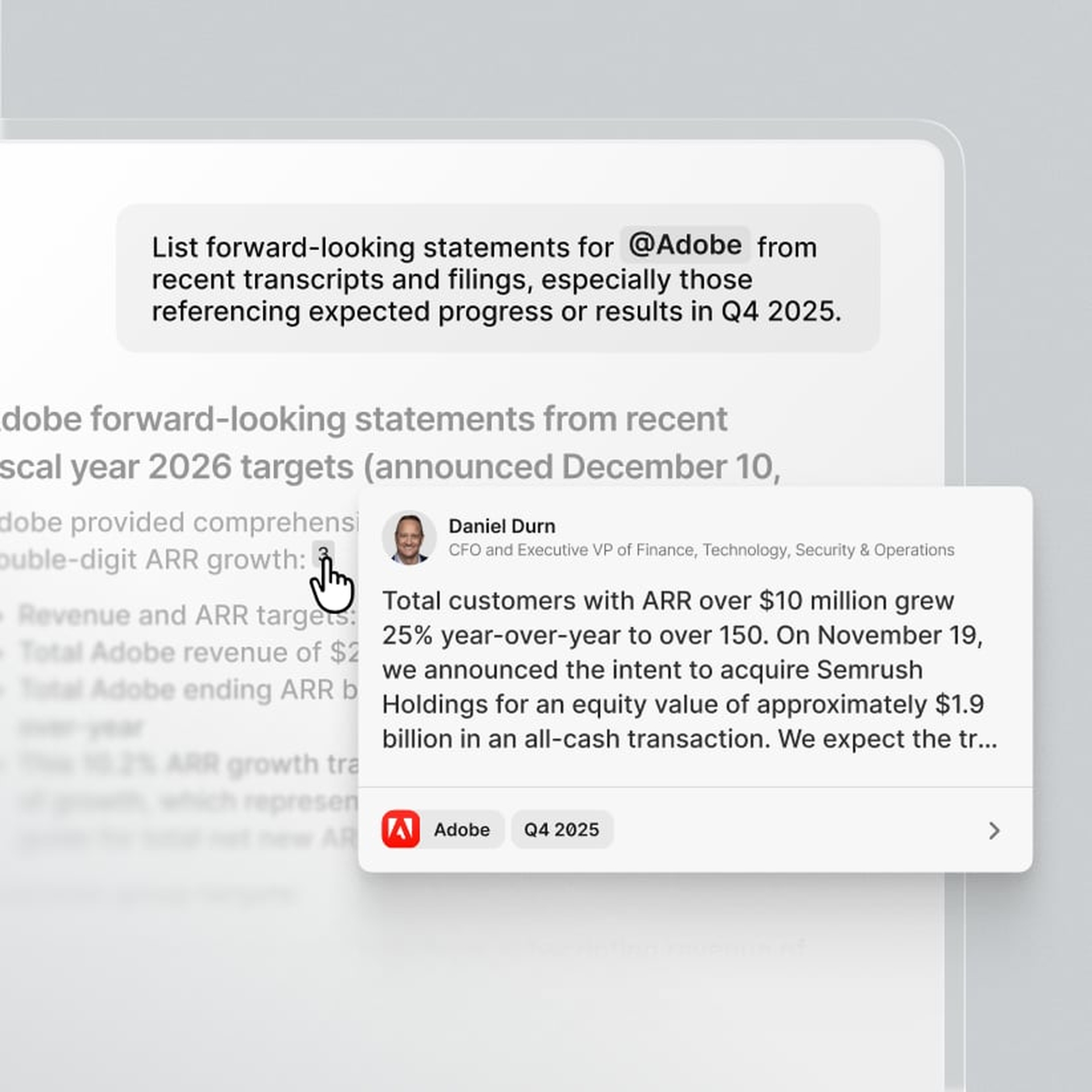
AI chat
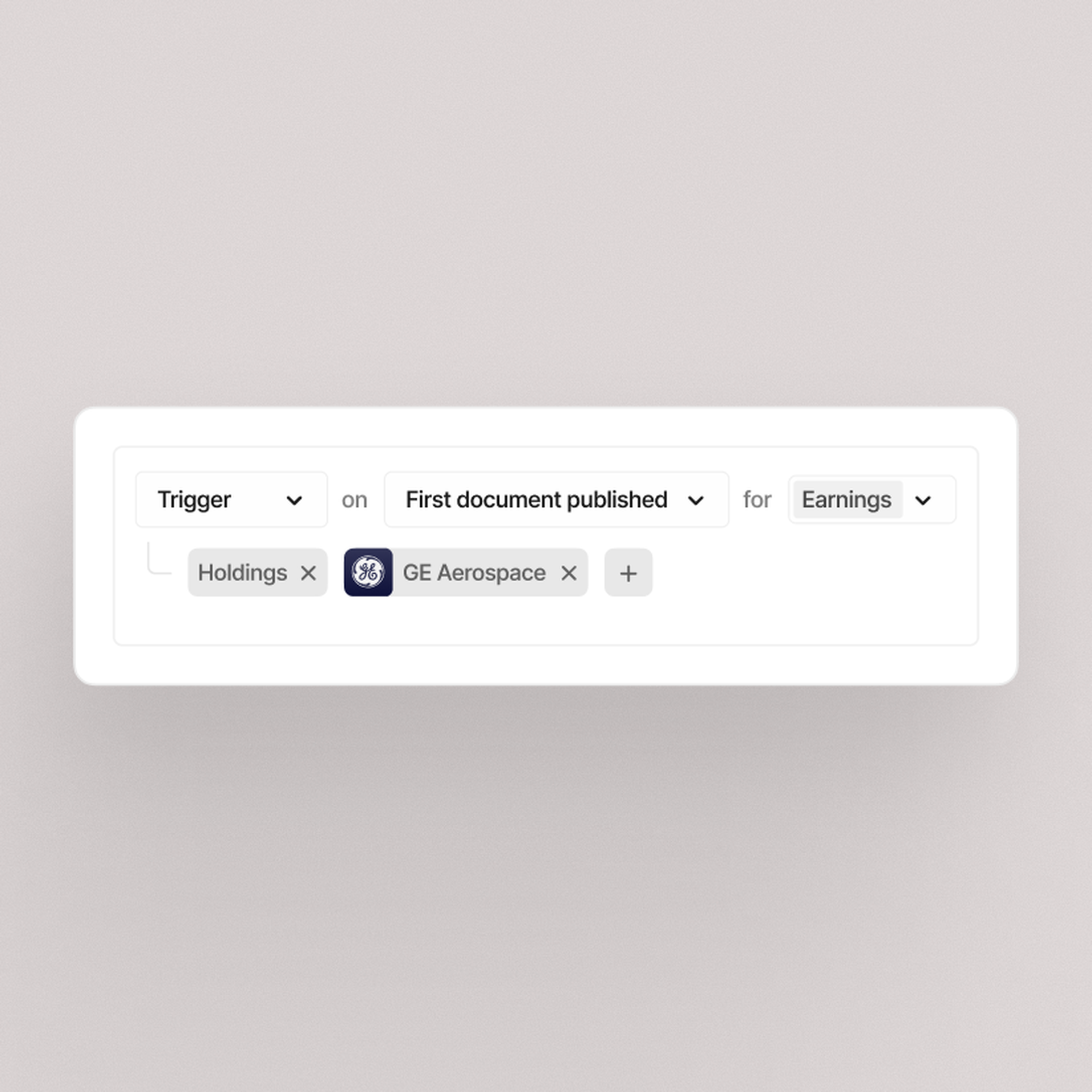
Automations
Live audio & transcripts
Quartr's AI stands out because it only pulls clean, first-party data from public companies. In investing, that's everything.
Jamie Ross
Investment Manager, GAM Investments
Research that used to take hours now takes seconds with Quartr Pro. Tracking shifts in tone or extracting tables, it's as simple as typing a query.
Tom O'Hara
Investment Director
Before Quartr we spent hours manually compiling insights through the peer earnings cycle. Now, these tasks are done faster, with greater precision.
Gregg Lampf
VP of Investor Relations
Being able to ask specific questions across years of transcripts and reports and instantly get verified answers is a game-changer.
Pontus Dackmo
CEO & Investment Manager
Internationale Nederlanden Groep, more often than not referred to as ING, is a prominent financial institution based in the Netherlands with a wide-ranging presence globally. The current form of ING came to be in 1991 through the merger of Nationale-Nederlanden and NMB Postbank Group. Since then the company has grown and evolved and now provides a range of services, including retail and commercial banking, insurance, and asset management. The company operates in around 40 countries, serving millions of customers, businesses, and institutions.
The birth of ING Group was the result of a merger between two prominent Dutch companies in the early 90s Nationale-Nederlanden was an insurance company, and NMB Postbank was a large bank originally owned by the Dutch state, which was privatized in 1986. This merger of competencies created a solid foundation for the ING Group to emerge as a universal banking and insurance provider.
The services provided by ING Group span different aspects of the financial sector. On the retail banking side, ING is known for its direct banking model, providing customers with traditional banking services as well as an extensive online banking package. These services include checking and savings accounts, mortgages, and personal loans.
ING Group's presence in the financial sector isn't limited to banking services. The company also offers a variety of insurance products as part of its comprehensive service portfolio. These insurance services cater to diverse customer needs, providing coverage for various life events and situations. Customers can select from life and non-life insurance products, including home insurance, health insurance, and car insurance.
ING is a company firmly planted on Dutch soil but has in the years after its inception grown outside of the country's borders. After its formation, ING Group quickly expanded its footprint outside the Dutch market through several strategic acquisitions in the 1990s and early 2000s, including Belgium's BBL and Poland's Bank Śląski. Today, the company is one of the most important in the European Banking sector and competes with names such as Deutsche Bank, BNP Paribas, and Barclays.