)
)
)
)
)
Business philosophy23 Aug 2024
Brian Niccol: From Taco Bell to Starbucks CEO
Brian Niccol, Starbucks' new CEO, is known for revitalizing brands like Taco Bell and Chipotle through strong brand awareness and consumer insight.
Chipotle began as a means to an end: a small burrito shop built to fund an upscale restaurant. But the concept resonated immediately, and the economics proved both strong and repeatable. Gradually, local success grew into a nationwide chain. Three decades later, Chipotle remains true to what worked in that first restaurant in Denver, with a story shaped by fresh ingredients, a food safety crisis, and one of the most remarkable turnarounds in the restaurant industry.
Few countries offer the conditions for building a restaurant chain the way America does: a continent-sized market, a culture built around eating out, and a diverse consumer base that rewards what works. Those conditions have made the U.S. the birthplace of many of the world's largest restaurant chains, nearly all of which follow the same path: create a format that resonates locally and then replicate it, city by city, state by state.
Mexican food has been part of U.S. dining for generations, particularly in the Southwest and along the West Coast, where taquerias long served freshly prepared ingredients across a counter. What didn't exist was a version of that experience built to scale, yet committed to maintaining the quality that made those neighborhood spots worth returning to.
Chipotle changed that with a model most people in the industry said couldn't work.
When we set out to write this article, we reached out to Chipotle's CFO Adam Rymer. He described the company's distinctive model as a competitive advantage that has defined Chipotle from the beginning and still does today:
“At Chipotle, what makes our business model truly distinctive isn't just our real food – it's the intentional integration of purpose, operational discipline, and sustainable financial strategy. We've built a model that delivers high-quality, responsibly sourced ingredients and fresh preparation every day, at accessible price points comparable to traditional quick-service restaurants, while maintaining strong restaurant-level economics and long-term financial resilience. That alignment between our values and our financial framework is rare in the restaurant industry.”
To understand how that model came together, we need to go back to where it started.
The story of Chipotle begins at Stars, an upscale restaurant in San Francisco in the early 1990s. Colorado native Steve Ells had recently graduated from the Culinary Institute of America and was working the line under legendary chef Jeremiah Tower.
Ells had been drawn to fine dining since childhood, and during his time at Stars, he began to dream about opening a high-end restaurant of his own. But he was also keenly aware that opening such a restaurant required significant capital. That reality pushed him to think more pragmatically about where to start.
During days off work, he would usually go out and eat at local taquerias in the city's Mission District. The foil-wrapped, generously filled, and made-to-order burritos (known as Mission burritos) made an instant and lasting impression on Ells, who returned as frequently as he could. The simplicity, technique, and flavor made them unlike any burritos he had tried before.
Though Ells had no business background, he began to see a small burrito shop as a practical starting point, one that could fund his longer-term ambition of opening an upscale restaurant. Well aware of the competition in the Bay Area and the lack thereof in Colorado, he thought that he could introduce something unique back home.
With the quality mindset he had developed at Stars and the model he had observed in the Mission's taquerias, Ells left San Francisco, returned to Denver, and opened Chipotle Mexican Grill.
Using his own savings and a $75,000 loan from his father, Ells financed a location south of downtown Denver, strategically close to the University of Denver. From the start, the restaurant featured the assembly line, partially open kitchen, and the commitment to preparing ingredients fresh each day that would later define Chipotle.
When the doors opened on July 13, 1993, Ells and his father had calculated that the restaurant needed to sell 114 burritos per day to break even. Word spread quickly. By the second day, sales had already doubled, setting it on its way to becoming a popular local lunch spot.
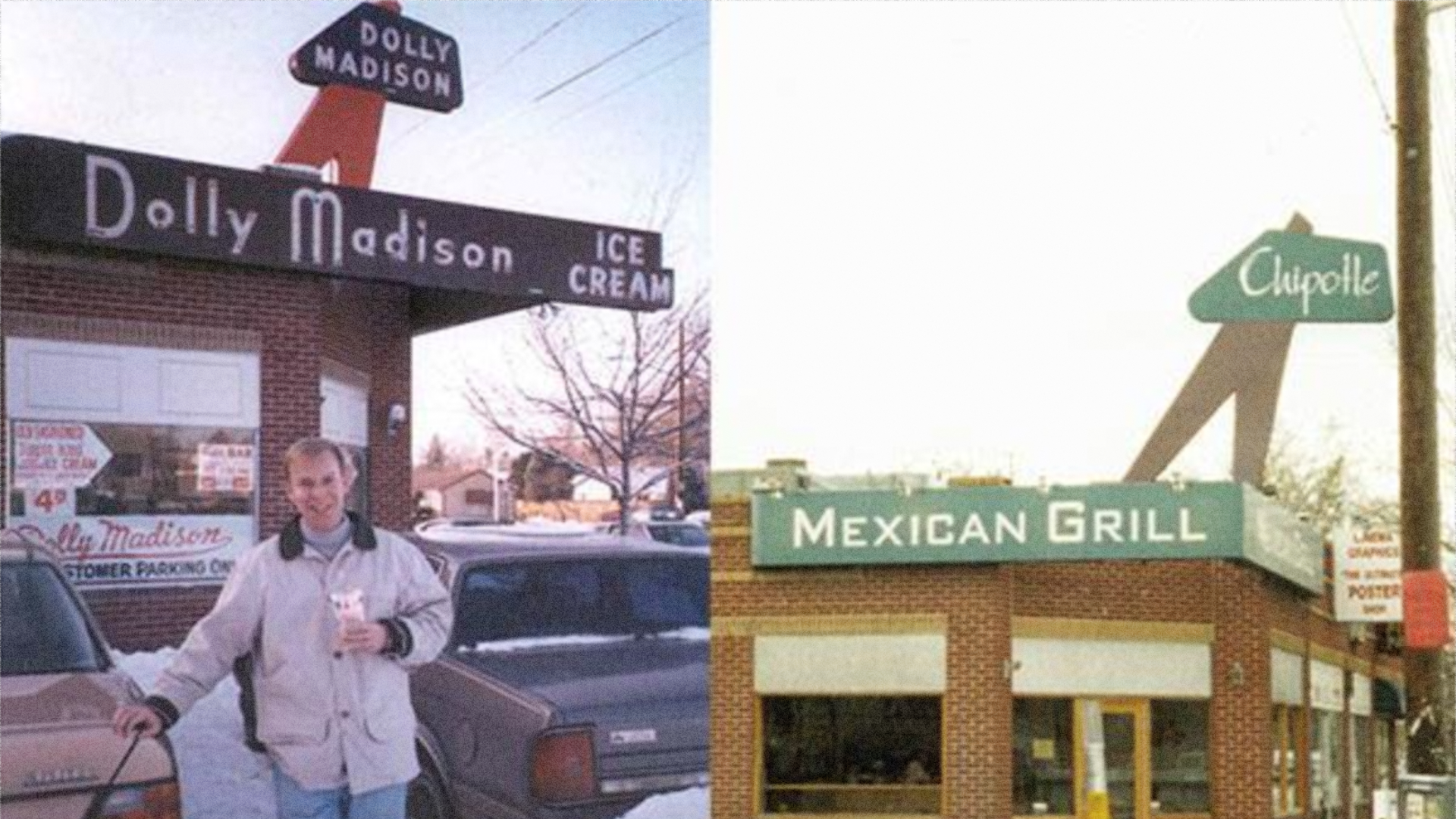
While Ells had received validation that he was clearly onto something with the concept and his commitment to quality, nothing would prepare him for what was to come. In October, everything changed after a review in the Rocky Mountain News praised the food: "Nothing is plain here; everything has depth, character, nuance, layers of flavor." The following day, lines stretched far down the street, and Chipotle sold out well before closing.
After adjusting operations to meet demand, Chipotle was soon selling roughly ten times the volume needed to break even. With the concept proven and cash flow building, Ells could soon repay his father and begin planning his upscale restaurant more concretely. But with a model clearly working and Denver being a large city, he thought:
Maybe I should just open one more before I do the 'real' restaurant.
The second Chipotle opened in early 1995, funded by profits from the first restaurant. It performed just as well, leaving Ells increasingly conflicted. On one hand, he had built a concept that was not only profitable but clearly replicable and that he enjoyed operating. On the other hand, he still wanted to pursue his original goal of opening a restaurant like Stars.
He reasoned that by opening a few more locations and pooling their profits, he could fund that ambition sooner. With that in mind, he took out an SBA loan and opened a third restaurant. Once again, success followed.
Bob Ells was overseeing the financials, and upon seeing how Chipotle's operations were performing across the three locations, he advised his son to raise capital to fund further expansion. His father's support was key in these early days, as Steve, without a formal business background, learned to lead along the way. With his father's help, Ells developed a business plan and was introduced to a network of affluent contacts, eventually raising a total of $1.3M in 1996. This marked the beginning of Chipotle's expansion beyond internally funded growth. In a 2008 CBS News interview, Ells recalled:
Every time I opened one, I thought, 'I'm not following my true calling.' But I kept doing it. I couldn't help it!
By early 1998, Chipotle had grown to more than ten locations, all still in the Denver area. While the business had become too large for Ells to manage day-to-day at each restaurant, performance remained consistent across the system. The combination of high-quality ingredients and efficient service was proving as repeatable as it was popular, and it was becoming clear to Ells that the concept and demand could extend beyond Denver. As that thought was growing within him, his true calling would simply have to be put on pause.
To take the next step, Ells began looking for a partner that he could commit to, and that would be willing to invest continually. With his father's help, he pitched the business to a dozen local venture capital firms, all of which declined. At the same time, one of Chipotle's early investors shared Ells' pitch with a friend at a national fast-food chain. The plan moved through internal evaluation, reached the final stages, and ultimately led to an investment from McDonald's.
Get curated quality company deep dives every other week.
Before following the story further, it's worth pausing on what the restaurant actually is, because the format itself is central to everything that follows. Even though Ells ended up opening a burrito restaurant, the concept still reflects the culinary principles he absorbed at Stars.
From the start, Chipotle combined high-quality ingredients with classic cooking techniques, prepared fresh in each restaurant every day. When service began, the customer-facing format was built for speed: a short menu, assembled to order, moving down a line. That combination of commitment to great ingredients and simplicity at the counter is what continues to define its identity.
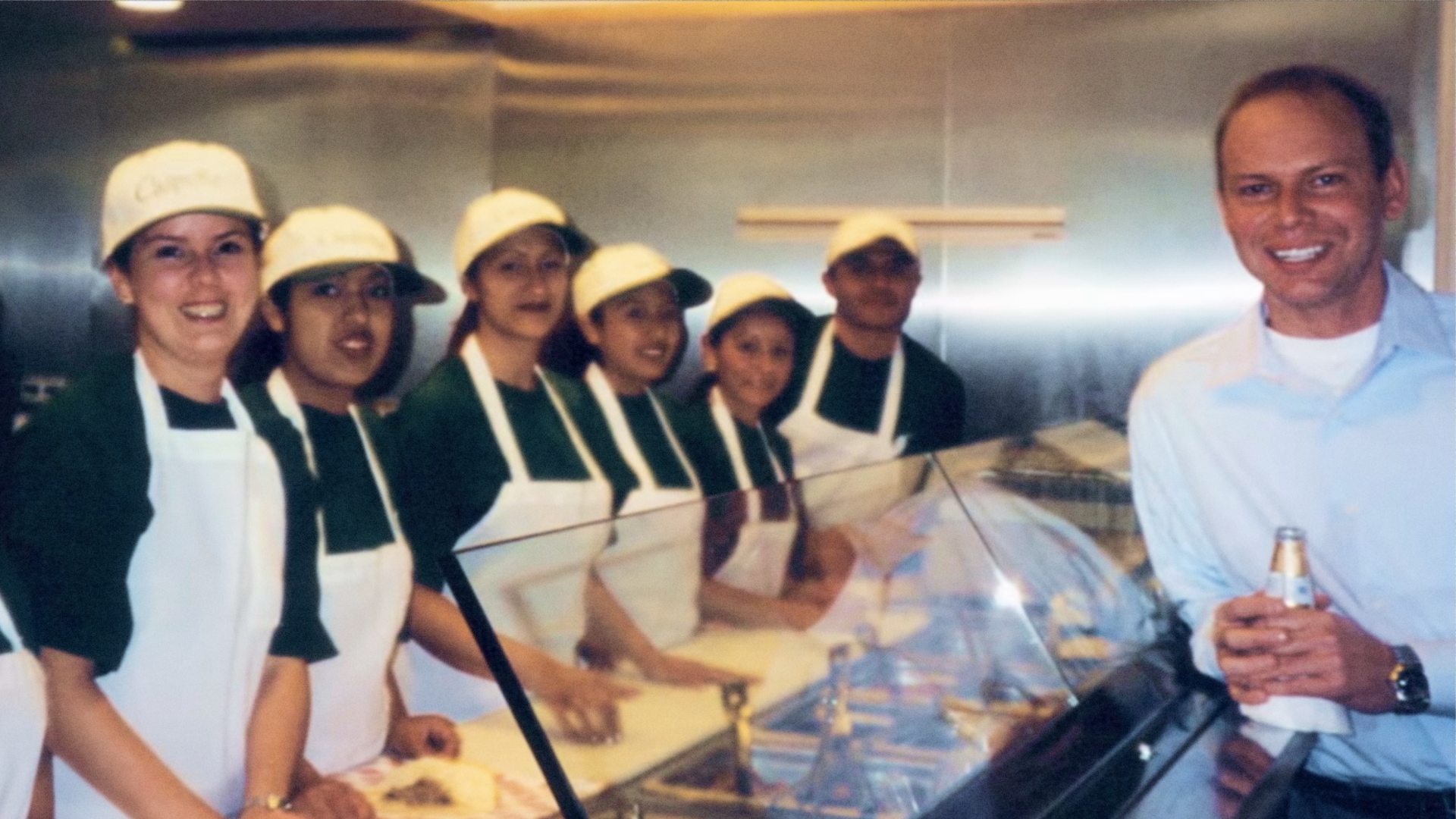
Still at the helm of the company in Q2 2017, Steve Ells explained the vision and the sustainable model of the business he built:
“When I opened the first Chipotle restaurant 24 years ago, I set out to prove that food served fast doesn't have to be a typical fast food experience. I spent hours preparing the freshest ingredients using the classic cooking techniques I had perfected as a chef.
When it came time for service, I was able to serve the food I had prepared incredibly fast in a format that allowed my customers to get exactly what they wanted. Fast-forward 24 years and Chipotle is still fundamentally the same experience I created in that very first restaurant.”
From the beginning, Chipotle was (unintentionally) built to scale. The assembly line could be replicated across locations, and the economics were highly attractive. Also, during its first two decades, its locations operated without drive-throughs, which reduced space requirements and simplified operations.
While Chipotle wasn't unique in every aspect, it positioned itself in a niche that set it apart from many dining chain alternatives in the late 1990s. Together, these elements placed the chain in what is now known as fast casual dining, a category between traditional fast food and casual dining.
We will return to fast casual, operational mechanics, and unit economics in more detail later. For now, the key point is that Chipotle's design, format, and positioning were unconventional from the start and that every major chapter in its history, from growth to crisis to recovery, runs directly through what happens on that line.
I wanted to change the way Americans think about any fast food.— Steve Ells
We pick up the story after extended discussions, due diligence, and a rejected full takeover resulted in McDonald's being brought in as a minority shareholder. At the time, the fast-food giant was coming off decades of rapid domestic and international expansion but had begun to lose momentum. Overexpansion and slowing organic growth led it to explore whether it, with all of its experience and competencies, could build the next McDonald's beyond burgers.
The investment in Chipotle was followed by acquisitions or stakes in several other restaurant chains beyond the golden arches. Over a short period, Donato's Pizza, Aroma Café, Boston Market, Pret A Manger, and Fazoli's became part of the portfolio, all set out to apply a scaling playbook pioneered by McDonald's.
For Chipotle, Ells now had the committed partner he had been looking for. From that point in 1998, expansion accelerated significantly over the coming years. By the end of its first full year of induced growth, the footprint had increased to nearly 40 locations across several nearby states. After another capital raise around the millennium, which saw McDonald's become a majority shareholder, Chipotle reached the 100-mark by the end of 2000.
Importantly, McDonald's contribution went beyond capital. It brought unmatched experience in scaling restaurant operations, from a handful of locations to thousands, across both domestic and international markets. For decades, it had built and perfected a supply chain and operating system that set the standard for restaurant operations across the industry.
That expertise became central to Chipotle's next phase of growth. To scale rapidly while still delivering a consistent experience for customers, the company gained access to McDonald's supplier relationships and logistical capabilities. Alongside its network, it understood the challenges Chipotle faced and the economics required to scale, and that success would take time. And for Ells, having a partner who respected his vision for the business made all the difference.
Chipotle had been built on the high-quality standards that Ells had brought with him from culinary school and his time at Stars. Fresh preparation was already central to the concept, but less thought had gone into where the proteins in its burritos came from.
That changed in 1999 when Steve Ells came across Edward Behr's The Art of Eating, featuring the article “The Lost Taste of Pork”. Long before sustainable sourcing became a mainstream topic, Behr described the practices of ranches raising pigs “the old-fashioned way”. That non-industrial approach, without antibiotics or growth hormones, had translated into the best pork chop Behr had ever eaten.
Ells was intrigued and reached out to the ranchers in question. After testing their pork and visiting the Willis family farm and Niman Ranch in Iowa, Chipotle changed its carnitas recipe. The new pork came with a price increase of $1, but customers responded to both the taste and the story behind it, and sales rose sharply.
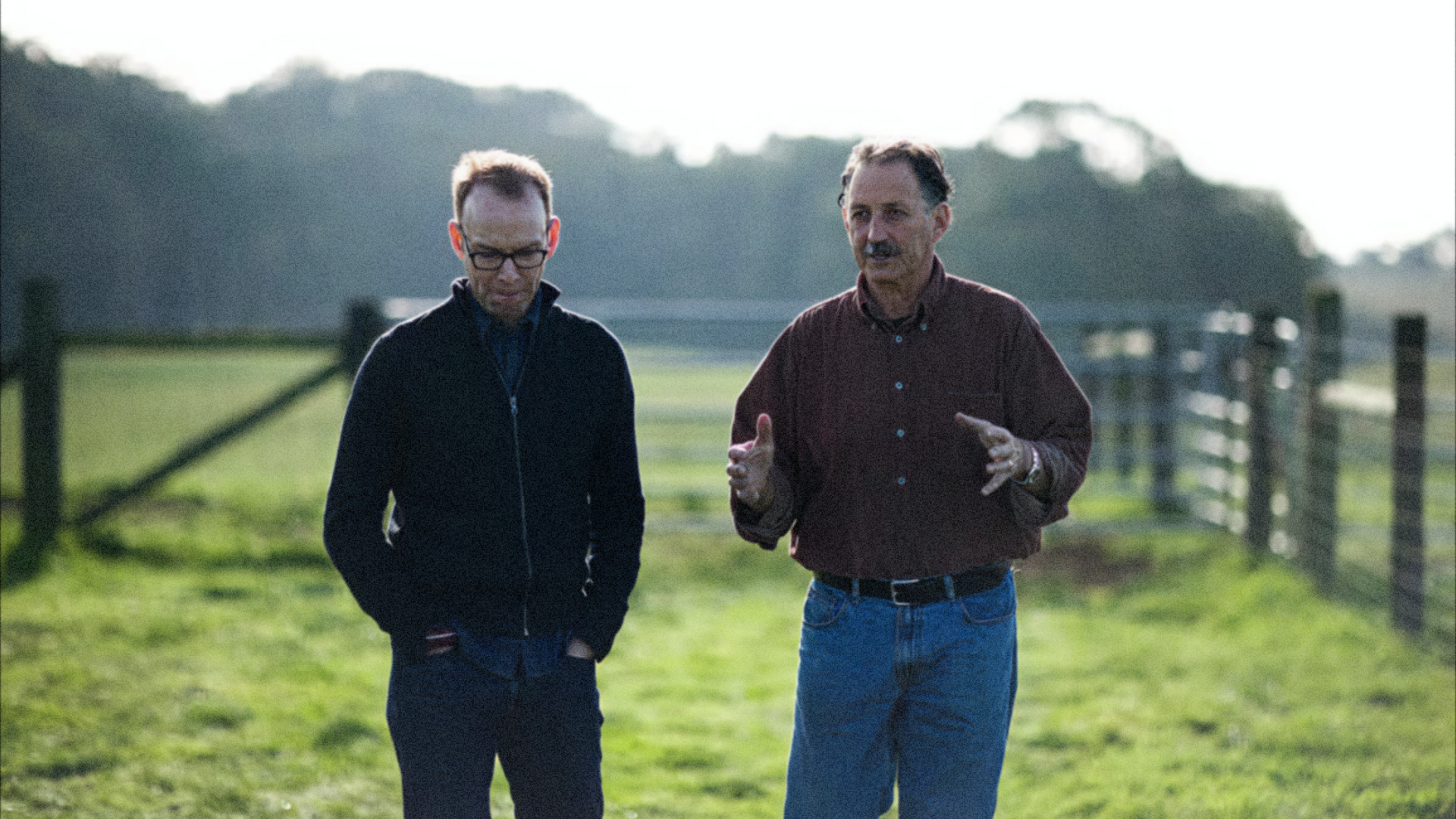
That decision helped shape what would become Chipotle's long-term mission, known as Food with Integrity. What began with carnitas soon extended to chicken and beef as the company started reassessing its sourcing standards more broadly, eventually extending that scrutiny across its entire ingredient base, from produce and beans to dairy. Reaching the level Chipotle aimed for would take time, especially as the business was expanding nationally and the number of farmers operating at that standard was still limited. But the direction was set.
This focus rewarded itself instantly in terms of sales and customer loyalty. Over time, Ells' emphasis on sustainable and responsibly sourced food made him an early adopter of a broader shift in consumer demand toward more conscious choices.
We didn't want our success to be tied to the exploitation of animals, farmers, or the environment, but the engagement of our customers.— Steve Ells
The willingness to go its own way had been part of Ells' Chipotle from the start, with the decision to charge more for a sustainably sourced meal only being one example. The broader business concept had long attracted skepticism. Why choose Chipotle over a cheaper burrito at Taco Bell? Would people really want to build their own meal instead of ordering from a set menu? Would they want to watch it being made? Was it efficient to prep ingredients fresh in every restaurant? Wouldn't the business scale faster through franchising?
In time, all of those doubts proved misplaced. Customers wanted exactly the things critics questioned, and the economics showed that the model could be both profitable and repeatable. The very features that once seemed unconventional became the foundation of what made Chipotle distinct.
As Chipotle's sourcing transformation was reshaping what went into its food, the business itself was scaling rapidly. After crossing 100 restaurants in 2000, the footprint grew to 175 in 2001, 230 in 2002, and roughly 300 the year after that. On that trajectory, the company was aiming to hit 500 by 2005.
While new restaurants performed well from the start, the strength of the model showed most clearly in existing locations, with comparable restaurant sales increasing by approximately 20% annually across its growing network. Most of the cash flow generated was reinvested into new openings, supplemented by additional capital raises that eventually left McDonald's with more than 90% ownership.
Though it shared ambitions around operational efficiency and scale aspirations, Chipotle and its parent company differed in fundamental ways. The most obvious was the food itself. Key figures from that period of time have half-jokingly pointed out that the only product that the two companies both sourced was the Coca-Cola syrup. McDonald's maintained rigorous sourcing standards, but it did not share Chipotle's commitment to fresh produce and sustainable ingredients.
That difference flowed through to the cost structure and positioning. McDonald's was firmly fast food; Chipotle aimed to be fast, but without the usual expectations of fast food. McDonald's executives encouraged moves that had worked within their own system, including breakfast and drive-throughs, but Ells resisted. He was intent on preserving what made Chipotle unique.
The business model diverged just as clearly. McDonald's had scaled incredibly well through franchising, while Chipotle retained ownership of its restaurants. From early on, McDonald's advocated for franchising to accelerate growth, and after years of resistance, Chipotle allowed a small number of McDonald's franchisees to open locations. Eight of those Chipotle restaurants were built, but after underperforming, they were bought back, and the experiment was abandoned.
McDonald's had been instrumental in Chipotle's expansion, but as the chain approached 500 restaurants, the gap between the two businesses was continuing to widen. McDonald's broader effort to build a portfolio of restaurant concepts had delivered mixed results, and after a leadership change, the company decided to refocus entirely on its burger business, gradually divesting its investments.
For Chipotle, that shift marked a transition. The capital and operational guidance from McDonald's had enabled its early growth, but the business had reached a point where it could fund expansion through its own cash flow. McDonald's exit began with Chipotle's IPO in January 2006 and was completed later that year.
In total, McDonald's realized roughly $1.5B from an initial investment of around $360M in less than a decade. While that represented a strong return, Chipotle's value as a public company would increase more than tenfold over the following decade.
When Chipotle went public in 2006, it was valued at roughly $650M, operating close to 500 restaurants nationwide and generating $628M in revenue. In many ways, Chipotle was operating precisely as it had been doing since its start in Denver. But more and more, it was becoming clear that its positioning resonated with a growing base of more conscious consumers.
Building on what it had learned, and with a larger share of the restaurant base maturing, teams operated more efficiently and were able to prepare more burritos for every serving. That showed up in comparable restaurant sales, which grew at double-digit rates leading into the recession and remained positive through the downturn.
With McDonald's no longer in the picture, Chipotle's growth over the coming years would increasingly be funded by its own cash flow. The company continued to expand rapidly through the late 2000s and early 2010s, opening hundreds of restaurants while also beginning to test the concept internationally.
Beginning with Toronto in 2008, followed by London in 2010 and later Paris and Frankfurt, the company began building out its presence beyond the U.S. While expansion abroad might suggest a more aggressive posture, Chipotle approached these markets cautiously, scaling only as performance justified it. We'll get back to this later.
Guiding this constantly increasing number of restaurants was still Steve Ells. But in 2009, his long-time friend and former COO, Monty Moran, was promoted to operate beside him as co-CEO. Moran would take on operational responsibility while Ells continued to focus on food and brand vision.
With the core concept performing strongly, Chipotle began to explore whether its model could extend beyond Mexican cuisine. Drawing on the role McDonald's had played in its own development, Ells believed that its core principles could translate to other categories. As he put it at the company's Q4 2010 earnings call (sourced through Quartr Pro):
“I have always believed that our model, using sustainably raised food, cooked according to classic cooking techniques in an open kitchen, served in an interactive format so that customers get what they want not only for taste but for diet, too, and all wrapped up in an environment that says something about the food, this model can work with other kinds of cuisine as well. And our plan to open an Asian restaurant this year is a chance to prove this theory.”
Starting with ShopHouse Southeast Asian Kitchen in 2011, Chipotle experimented with a range of new concepts. Soul Daddy, Pizzeria Locale, and Tasty Made followed, spanning soul food, pizza, and burgers. Although each had different evaluation periods over the next decade, the concepts were tested, analyzed, and ultimately shut down.
Importantly, these efforts were approached with a high degree of discipline, with all concepts remaining small in scale and treated as experiments rather than pivots. While they drew some attention away from the core business, none had a material impact on the company's performance.
Coming into 2015, approximately two decades had passed since its first opening in Denver. From the McDonald's-backed growth, the expansion on its own legs had seen it open restaurants at a consistent level since its IPO, reaching a footprint of nearly 1,800 locations by the end of 2014.
While revenue of $4.1B was impressive in its own right, increasing comparable sales by 16% over a mature base highlighted the strength of its restaurant-level operations. With a market cap exceeding $23B, Chipotle had seemingly done everything right. That momentum, however, would soon be tested.
Over the years, as with any restaurateur operating at scale, Chipotle had dealt with isolated food safety incidents. On a few occasions, individual locations had been associated with customer illness, and a nationwide salmonella outbreak in the summer of 2008 had caused the company to temporarily suspend certain produce items. But those episodes were contained, localized, and largely forgotten. None came close to what unfolded in the second half of 2015.
The outbreaks came in overlapping waves. In August, a norovirus incident in California affected around 80 customers. In October and November, an E. coli strain spread across locations in multiple states, eventually confirmed across 55 cases in 11 states. In December, a second norovirus outbreak hit a Boston location and affected roughly 140 customers. That same month, a salmonella outbreak in Kansas and Oklahoma was linked to Chipotle's tomatoes. Multiple pathogens, multiple states, multiple agencies, all within five months. No single incident could be managed as a contained event.
From a single restaurant in Denver, Chipotle had grown to nearly 2,000 locations. Food-safety protocols that worked as the company scaled through the tens, hundreds, and thousands of locations had managed to keep control. For over two decades, that model had faced few setbacks or challenges. But, as it proved, the system had been more vulnerable than it seemed.
Chipotle had always been serious about its standards, but with scale and a relentless drive for efficiency, complexity proved to have outgrown control. In the second half of 2015, it failed time and time again. When Ells addressed the situation on the Q4 2015 earnings call, the tone reflected the severity:
“The fourth quarter was, without question, the most challenging in our history … Since opening the first Chipotle restaurant 22 years ago, it has been our aim to serve our guests food that is safe, delicious and wholesome. But the events of the last few months have shown us that we need to do better.”
Chipotle had spent over a decade building its identity around the integrity of its food. The properties that made it what it was – the freshness, the commitment to no artificial preservatives, proteins sourced from farms that met standards most of its competitors had never considered – also increased its exposure as things now went wrong. The pattern of incidents made the systemic nature of the issue clear, and customer trust eroded quickly.
The impact was immediate. Comparable restaurant sales, which had grown at double-digit rates for years, fell 14.6% in Q4 2015. As the spotlight on the brand continued to suppress traffic through the first half of 2016, comparable sales declined further by 29.7% in Q1, 23.6% in Q2, and 21.9% in Q3 on a year-over-year basis. Average unit volumes (AUV), which had hovered around $2.4M, had in just a year fallen to below $1.9M.
Local outbreaks can happen by coincidence, through failures within the system, or simply through human error. Five outbreaks over five months cannot be rationalised that way. It was in February 2016, as the full pattern became impossible to ignore, that Chipotle's response escalated from reactive to systematic.
The company launched a comprehensive reassessment of food safety across its entire operation. Every ingredient was reviewed, and every step of the supply chain was examined, all with the intention of preventing a repeat. The response was built in layers. Upstream, DNA testing for harmful bacteria was introduced at the supplier level, allowing contaminated batches to be identified before reaching restaurants. Further down the chain, parts of the preparation process were moved from individual restaurants to centralized facilities, where they could be handled under more controlled conditions.
For high-risk produce that still arrived whole, such as avocados, jalapeños, and onions, a blanching step was introduced to eliminate surface pathogens without affecting quality. The marination of chicken and steak was separated from the preparation of other ingredients, reducing the risk of cross-contamination. Underpinning these changes was a new end-to-end traceability system, implemented across all restaurants by mid-2016, allowing Chipotle to track each ingredient back to its source and specific lot.
Over the following months, procedures were strengthened, and supply chain visibility was improved. But while operations were refined, the damage to the brand continued to impact the business. Clearly, the incidents remained fresh in the public consciousness, with customer traffic staying depressed long after the underlying issues had been addressed.
As internal changes took shape across the business, external developments signaled that more was coming. On September 6, 2016, Bill Ackman's hedge fund Pershing Square Capital Management revealed a 9.9% stake in Chipotle. The firm's 2016 annual report outlined the thesis:
"We have always believed that a good time to buy a great business is when it is in temporary trouble. While Chipotle's reputation has been bruised, we think that with the passage of time and improved operations, marketing, technology, and governance initiatives, the business will not only recover but become much stronger."
True to its activist approach, Pershing Square quickly pushed for influence, securing two board seats within months to support the turnaround. Leadership changes followed. In December 2016, co-CEO Monty Moran stepped down, leaving Ells solely in charge of the company he had founded.
Through 2016 and 2017, Chipotle updated its menu, introducing queso and chorizo, launched a loyalty program, and continued refining its food safety protocols. But the operational fixes and business enhancements didn't translate to a return of traffic, with average unit volumes remaining well below pre-crisis levels.
By late 2017, it had become clear that restoring the brand would require more than operational improvements. On November 29, Chipotle announced that Ells would step down as CEO and continue in the role of executive chairman once a successor was appointed. Having built the company from a single restaurant into a nationally recognized brand, he acknowledged that the next phase called for different leadership. He noted at its Q4 2017 earnings call:
“We will continue to focus on our long-term success, and we'll continue to fight to preserve things that make Chipotle special. An important part of this will be to bring in a proven leader with demonstrated success in meeting the kinds of challenges we currently face. The search for a new CEO is well underway.”
The search committee that formed to find that leader included Ells himself, board member Robin Hickenlooper, and Pershing Square's Ali Namvar. Eventually, in February 2018, Chipotle named Brian Niccol, then CEO of Taco Bell, as its next CEO. Citing his track record in digital channels, restaurant operations, and brand building, he seemed ideal to lead the turnaround. Niccol officially joined later in March, marking the start of Chipotle's next chapter.
Those three areas of expertise would come to define the transformation that followed at Chipotle.
The first priority was rebuilding the brand. Despite extensive changes behind the scenes, many customers had not returned after the outbreaks. Speaking on his first earnings call as CEO, summarizing Q1 2018, Niccol pointed to “a real opportunity to make the brand more visible and be more top of mind with people to remind them why they love Chipotle.”
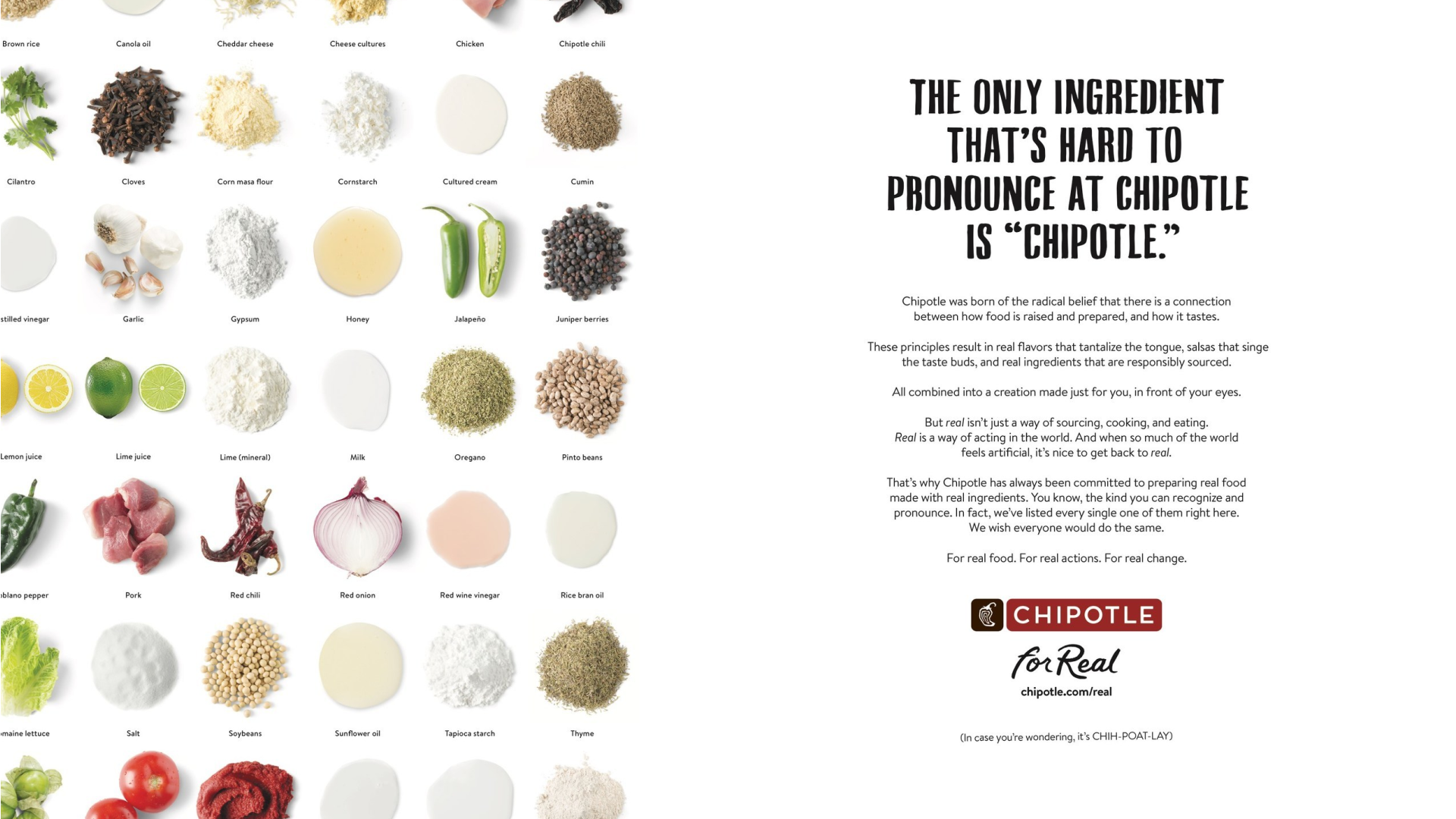
The cornerstone of the brand recovery was the "For Real" campaign, launched in September 2018. By leaning into transparency, the campaign put Chipotle's entire ingredient list across Times Square billboards, a full-page ad in the New York Times, and through digital channels. The ingredients themselves had not changed, but the processes behind them had, and by making those credentials more visible, Chipotle hoped to remind lapsed customers why they should give it another chance.
Operationally, the changes were more gradual but just as important. At the center was throughput (the number of customers served over a given period), which determines both revenue potential and the customer experience, as a slow line risks turning customers away. While the brand drives customer interest, throughput determines how effectively that demand is translated into revenue.
Improving throughput came down to execution and making sure everything was in place to perform. Restaurants were refocused on having the right roles in place on the assembly line, supported by better tools and clearer performance metrics. The initial goal was to return to prior levels of efficiency, as Niccol noted at the Q4 2018 earnings call:
“Chipotle, in the past, was [on average] doing 35 transactions in 15 minutes. And we're still in the mid-20s today, albeit making progress from mid-20s. [...] The peak business still has a lot of capacity when we execute throughput really well. So there's plenty of upside there.”
The third focus was digital, where its approach centered on building the restaurant infrastructure to handle online order volumes without disrupting the in-restaurant flow. To do that, Chipotle introduced a second, dedicated make-line in its restaurants for digital orders, allowing the two channels to operate in parallel. Digital pickup shelves were added for app users and delivery couriers, and the Chipotle Rewards program was launched to drive engagement.
The company also began testing drive-through formats, later known as Chipotlanes, which had previously been dismissed during the McDonald's era. While it would take years before that latter initiative reached scale, it's now a core feature of nearly every new Chipotle restaurant. More on that later.
Chipotle had used digital channels before Niccol joined, accounting for 11% of total sales during 2018. After his first full year in 2019, that had grown to 18%. Coincidentally, the changes implemented would prove extremely valuable for the company when the pandemic hit in 2020, accelerating digital adoption to 46% of total sales.
While these three initiatives were implemented on different timelines and are difficult to isolate individually, they worked in tandem toward the same goal. The brand gave customers a reason to return, while improvements in operations and digital infrastructure ensured the business could serve that demand efficiently. When traffic did recover, Chipotle's supply chain had been redefined, and the assembly lines were ready to prepare burritos.
Looking back, when all outbreaks had been reported, and the full scope of the challenges lay in front of Chipotle, revenue had fallen from $4.5B in 2015 to $3.9B in 2016. Fast forward nearly a decade, and Chipotle hadn't only recovered but had become much stronger. By 2024, in Niccol's final year as CEO, Chipotle delivered revenue of $11.3B.
Part of that growth came from expansion, with the restaurant base increasing from 2,250 to 3,726 locations over the same period. However, average unit volumes make the comparison on the restaurant level clear. From around $1.9M in 2016, AUV surpassed prior peaks of $2.5M and reached $3.2M in 2024, highlighting both the return of customer traffic and the gains in operational efficiency. We'll return to that side of the story later.
In September 2024, Brian Niccol left Chipotle to become CEO of Starbucks. He was succeeded by Scott Boatwright, who had served as COO alongside Niccol throughout his tenure, and was named interim CEO before being permanently confirmed in March 2025. Boatwright had spent years overseeing the restaurants that the turnaround had been built around, and under his leadership, the momentum could continue.
In many ways, a Chipotle restaurant today would be recognizable to anyone who walked into the first location Steve Ells opened on East Colfax Avenue in Denver in 1993. The menu is still short, the ingredients are still fresh, and customers still move down the line watching their meal come together. Three decades later, the customer-facing experience remains largely intact.
What has changed is the scale at which that design operates. Chipotle today runs over 4,000 restaurants across the United States, Canada, Europe, and the Middle East, generating $11.9B in annual revenue. The menu may draw customers in, but the operating system behind it is what allows the concept to be replicated consistently across thousands of locations while delivering restaurant-level margins that rank among the best in the industry, and, in turn, fund further expansion. Let's get through that reinforcing system, one station at a time.
)
The menu at Chipotle has remained largely unchanged from the start. Along with Mission burritos, it offers burrito bowls, quesadillas, tacos, and salads, built from a fixed set of proteins, toppings, and salsas. That narrowness is central to the model: a short menu reduces prep complexity, streamlines operations, and allows the line to move at high speed without sacrificing consistency.
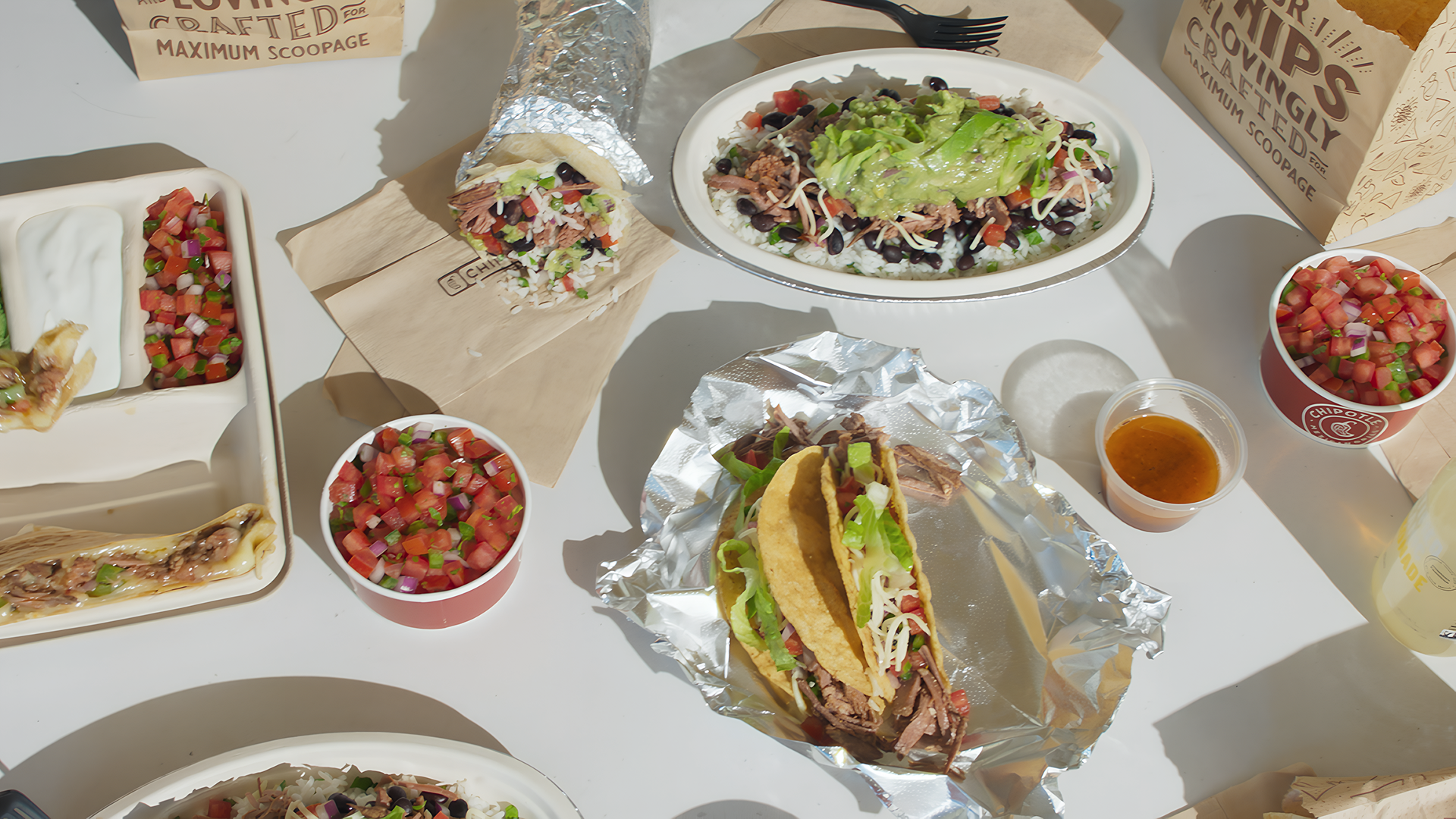
But within that narrow frame, customization is nearly endless, which makes it feel like far more than five menu options. Every order is assembled to specification in front of the customer, giving the format a made-to-order feel without the complexity of a traditional kitchen. However, the menu does evolve. Limited-time additions, such as smoked brisket, chicken al pastor, or honey chicken, cycle in and out, testing customer response without permanently altering the core. Behind that cadence is a deliberate stage-gate process, as CFO Adam Rymer explained to us:
“Through our stage-gate process, we encourage experimentation early, but we intentionally place risk outside the core business until a concept proves it can scale without compromising execution by our team members. The key question internally is whether an innovation can coexist with daily operations – especially during prep and peak periods – and the restaurant teams' ability to be properly deployed to deliver excellent hospitality. When it clears that bar and we have a good gauge on how our guests are responding, we're comfortable moving quickly. That discipline ultimately allows us to innovate more, not less.”
As Rymer noted, the discipline is structural and the criteria are twofold. Menu decisions are never made in isolation from the line that has to execute them, and protecting that simplicity is what allows thousands of restaurants to deliver a consistent experience, and consistency is what drives the returns.
The other half of that fast casual positioning sits in what's actually on the prep line. Every item on the menu traces back to the sourcing philosophy Ells established around the turn of the millennium: Food with Integrity.
Animal proteins are raised without non-therapeutic antibiotics or added growth hormones and must meet Chipotle's animal welfare standards. To get a sense of the qualitative threshold: at its Q3 2023 earnings call, Niccol acknowledged that it estimated that “only about 5% of U.S. beef meets our Food with Integrity standards." All beans are organically grown, produce suppliers must meet environmental and labor standards, and no artificial colors, flavors, or preservatives are used. To manage the constraints of that narrower supply base, Chipotle sources from a diversified network of suppliers, all held to the same criteria.
These standards come with higher food costs, but they are central to the value proposition. Customers are willing to pay above traditional fast food prices in exchange for quality and transparency, and it has consistently shown an ability to pass those costs through. As CEO Scott Boatwright noted at the Q3 2025 earnings call:
“Our value proposition includes food made fresh with the highest quality ingredients, prepared using classic culinary techniques, served in generous portions with reliable accuracy and fast, friendly service. Currently, all of this is delivered at a price point that is 20% to 30% below our peers. This gap has widened over the last few years as our pricing has consistently trailed the broader restaurant industry.”
However, its competition extends beyond peers serving similar Mexican food. In reality, consumers move fluidly across categories and price points depending on the occasion, their budget, and the level of convenience they seek. Across the fast-casual segment, Chipotle competes with chains such as CAVA, Shake Shack, and Sweetgreen, which operate with a similar focus on quality and commitment to ingredients.
At one end are national fast food chains such as McDonald's, Taco Bell, and KFC (both owned by Yum! Brands), where meals are cheaper and the experience is built around convenience. At the other end are casual dining chains like Texas Roadhouse, Olive Garden (owned by Darden Restaurants), and Chili's (owned by Brinker International), where convenience matters less as customers trade speed for a seated dining experience, higher prices, and relatively higher perceived food quality. Chipotle sits between these categories, competing across all of them depending on the occasion.
Chipotle's recovery from the food safety crisis of 2015 ultimately showed how durable the underlying brand values were. Customers returned because the sourcing commitment had always been real. Few chains operating at its scale make that case as consistently or as credibly.
We will never compromise on Food with Integrity, operational simplicity, and a value proposition built on freshly prepared real food rather than price. Those aren't just brand values – they're economic drivers that compound over time.— Adam Rymer
The sourcing philosophy only translates into a strong business if those ingredients can be efficiently turned into customer orders at scale. That depends nearly entirely on what happens before the doors open and has remained largely unchanged since the early days in Denver. As Scott Boatwright described at the company's Q1 2025 earnings call:
“Our prep process begins at 6:00 or 7:00 in the morning so that we can be finished by the time we open at 10:30 am. For those who have not seen prep at a Chipotle restaurant, it looks like a farmers' market, including whole heads of romaine lettuce, 25-pound bags of whole onions, boxes of bell peppers, jalapeños and avocados and bunches of cilantro. When our crew arrives in the morning, they grab knives, cutting boards, pots and pans and get to work preparing our delicious food.”
That is not what most people picture when they think of a chain serving millions of customers across thousands of locations. The mise en place, the culinary term for having everything in its place before service begins, is closer to what you would find in a professional kitchen than in a fast food operation.
Most of what is served is still prepared that same morning, in that restaurant, though some elements have since been centralized following the food safety changes. There are no freezers or microwaves, only stoves, pots, and pans, with proteins grilled throughout the day on the plancha.
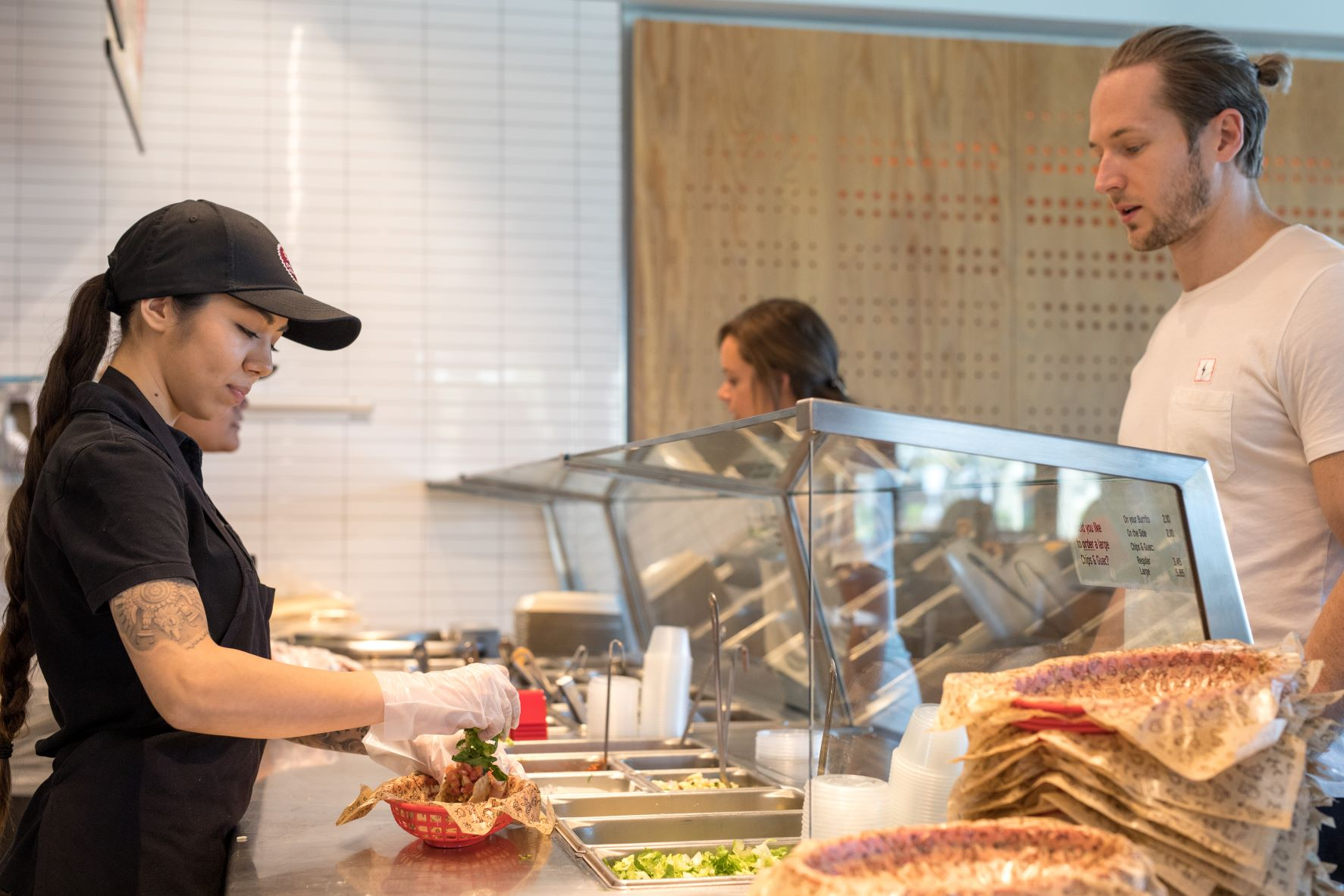
When service begins, customers move along the assembly line, choosing from a short menu built from those freshly prepared ingredients. The simple format has, over time, evolved into a tightly managed system designed to maximize output, with each restaurant structured to handle peak demand as efficiently as possible.
To do that, Chipotle operates around what it calls the four pillars of throughput, a framework for ensuring the right prep, the right people, and the right sequencing are in place before every peak period. The peak-by-peak compounding of that framework is what defines its successful restaurant network. Experienced teams with low turnover execute efficiently, which produces better throughput.
With similar fixed cost bases, a restaurant that serves 40 entrees in its peak 15 minutes generates considerably more revenue than one serving 25. Brian Niccol made that gap concrete at its Q1 2024 earnings call:
"Our restaurant in the Financial District in Boston is a great example where a year ago, they were doing mid-20 entrees in their peak 15 minutes. And today, they are doing over 40 entrees in their peak 15 minutes with days that can reach as high as 80, which is among the highest in the company. The restaurant has low turnover and outsized transaction growth, which clearly demonstrates they are creating a better overall experience in the restaurant."
In the end, a customer who walks up, sees a long line and chooses to go somewhere else is a lost opportunity. But the cost of inefficiency runs deeper than that single visit. A restaurant known for moving quickly becomes part of how people plan their lunch routine, making throughput directly tied to brand perception and, ultimately, revenue.
Over the years, the company has improved restaurant-level economics significantly, which we'll get into later. Though much of that stems from improving assembly line efficiency, another driver comes from an additional channel.
Through the early 2010s, Chipotle offered online ordering but placed limited emphasis on the channel, in part due to a lack of supporting infrastructure and the early stage of delivery aggregators such as DoorDash and Uber Eats. That began to change in 2016 with the launch of a new digital ordering platform, followed by a redesigned mobile app in 2017 that introduced features such as mobile payment and rapid reordering.
These efforts were supported by initiatives that followed under Brian Niccol's tenure, such as the dedicated second make line, allowing dual operations under the same roof. The digital line typically runs leaner than the front line, but crews can shift support between the two during peak periods.
After peaking at 46% during the pandemic, digital sales have moderated but remained elevated, accounting for 37% of total revenue in 2025, of which 16 percentage points came from third-party delivery platforms. Since its launch, the Chipotle Rewards loyalty program has scaled to around 20 million active members and accounted for roughly 30% of total sales in 2025. That gives Chipotle a direct relationship with its most frequent customers and a targeted channel for promotions.
Another initiative under Niccol was expanding the company's physical infrastructure to support digital demand. While Chipotlanes resemble traditional drive-throughs in many ways, the format differs in key aspects. Orders must be placed in advance through the app, and the window serves purely as a pickup point for customers seeking more convenience. The economics have made Chipotlanes a near-default feature in new openings. Of roughly 4,000 restaurants in the system, more than 1,300 now include one, and around 80% of new locations in 2026 are expected to feature the format.
Throughput depends as much on people as on process. A restaurant running all four pillars with an experienced, stable team will consistently outperform one running the same system with high turnover, because judgment, speed, and familiarity with the line compound over time in ways that no training manual fully captures. Low turnover and building operational stability require a career structure that motivates talent to stay with the company for as long as possible. CFO Adam Rymer outlined what that looks like in practice:
“A Chipotle crew member can advance to a Restaurateur role in approximately 3.5 years, but only by progressing through increasing levels of operational and people leadership complexity. [...] In 2025, Chipotle had 23,000 internal promotions, including 100% of Regional Vice President and Regional Director of Operations roles, over 83% of Field Leader positions, and more than 85% of our General Managers. That consistency matters as we scale, because it protects decision quality and operational discipline across the organization.”
Rymer himself is a perfect example of what that culture and its opportunities produce beyond the restaurant level. Having joined Chipotle nearly 17 years ago as a Compensation Analyst, he rose through successive layers of financial, operational, and people management responsibilities to eventually become CFO. Many members across the leadership team have followed similar paths, bringing vast continuity. Rymer continues:
“That continuity matters because it ensures the team members making operating decisions today have deep institutional knowledge and firsthand experience navigating multiple business cycles.”
Most large restaurant chains grow through franchising, collecting royalties and fees while franchisees bear the capital cost of new openings and absorb the operating risk. For Chipotle, nearly every restaurant in the system, aside from a small number of licensed international locations, remains company-owned and operated. This has shaped the business in two fundamental ways: growth is more capital-intensive and measured, but the full economics of each restaurant accrue to Chipotle.
The company leases almost all of its properties through long-term agreements, keeping the balance sheet free of debt. Each new restaurant still requires significant upfront investment in build-out, equipment, and Chipotlane infrastructure, where applicable. In 2025, the average capital expenditure per opening was $1.5M. Reinvestment in the existing base has historically accounted for roughly a fourth of total annual capex and is expected to rise toward a third in 2026, covering remodels, equipment upgrades, and technology.
The returns on its investments are what make the model so compelling. The image below outlines the average unit economics based on FY 2025 results. Starting from an AUV of $3.1M, the cost structure layers food, labor, occupancy, and other operating costs to arrive at a restaurant-level cash flow of roughly $787,000 per unit per year, or a margin of 25.4%. That margin ranks among the strongest in the fast casual industry and reflects a cost structure that has been refined over three decades of operating the same format.
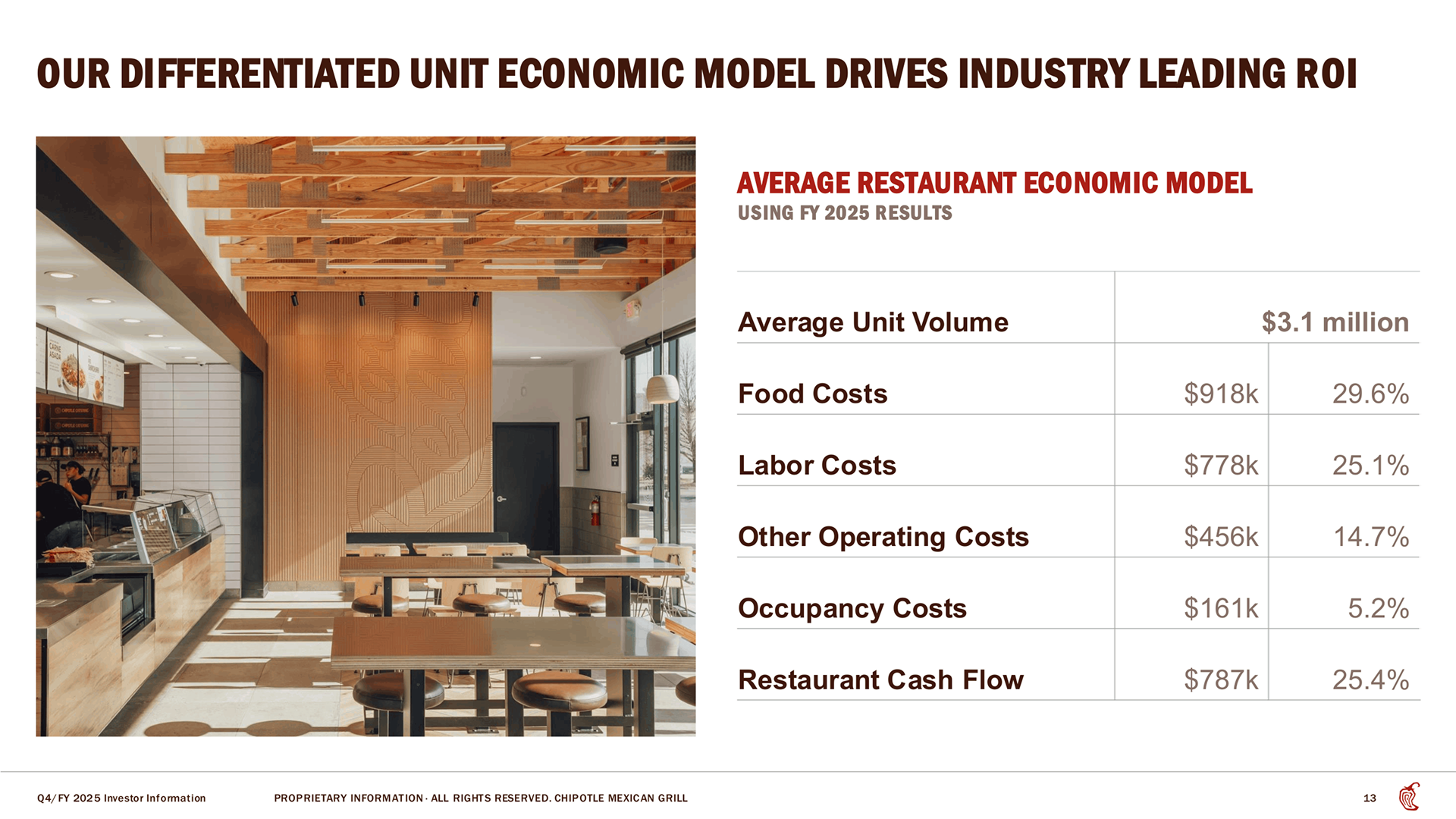
This highlights the strength of Chipotle's model. Once fixed costs are covered, each incremental dollar of revenue flows through at roughly 40 cents. That operating leverage is what makes throughput so valuable.
Over time, restaurant-level efficiencies have steadily pushed AUV higher, making the company's $4M long-term target a natural extension of what the model has already demonstrated.
)
Chipotlanes add another layer to that picture. As previously mentioned, with at least 80% of new openings expected to include one, their share of the restaurant base continues to grow, creating a compounding tailwind for system-wide margins over time. Then-CFO Jack Hartung described the economics of Chipotlane units relative to the broader system at the Q4 2023 earnings call:
“When you combine volumes that are a little bit higher with margins that are hundreds of basis points higher and the investment costs are virtually identical, it's a much higher return. So from a shareholder value standpoint, as we open up, as we grow from the 3,400 towards 7,000, the cash-on-cash returns we're getting from the 80% or 85% of our new restaurants that have a Chipotlane is much, much, much higher.
So it does have an accretive impact on our margin. It has an even more meaningful accretive impact on our returns. And you'll just see it every time we open up new restaurants. You'll see that our margins are going to continue to expand as long as our existing comp transactions grow. And these new restaurants coming on board are just going to add fuel to the fire.”
Chipotle's unit economics become a capital allocation engine when viewed at scale. With payback periods of less than two years, cash returns at the restaurant level fund the next wave of openings, making growth both self-funded and repeatable. The balance sheet reflects that discipline: the company carries no meaningful debt and consistently generates free cash flow well in excess of its capital requirements.
From the beginning, our strongest investment has always been in ourselves.— Adam Rymer
Since the mid-2010s crisis, Chipotle's growth has steadily accelerated as the economics of the model have compounded. The company now operates just over 4,000 restaurants, of which more than 3,900 are in the United States. With a long-term North American target of 7,000 locations, a significant domestic runway remains. In 2025 alone, Chipotle opened 334 new restaurants and expects to maintain a similar pace in 2026. Scott Boatwright put that scale into perspective at the Q1 2025 earnings call:
"We build a new competitor every single year. We'll build between 300 and 345 new restaurants this year alone, which surpasses the size and scale of most of our competitors."
Outside the U.S., Chipotle's footprint remains limited, with roughly 100 international locations accounting for approximately 2% of total revenue. The company began expanding abroad in the early 2010s, “planting seeds” in select markets and scaling only as performance justified it. Steve Ells described the approach at the Q4 2012 earnings call:
“Even though we're unable to predict when a market will reach proven status, this strategy of planting a few high-potential seeds and then investing more over time based on things like how well the team is performing and the quality of the food and the experience and the awareness in sales of the restaurants is a great way for us to ensure that we're developing growth options for the future, while being responsible and thoughtful with how and where we're investing today.”
New markets are seeded with a small number of locations, then evaluated on unit volumes and cash-on-cash returns against a clear benchmark: do they approach what the U.S. system delivers?
Across the Northern border, its Canadian restaurants reached AUV and margins equal to U.S. levels in 2023 after years of operations, prompting broader expansion. Europe has followed the same process, but with more patience required. As mentioned, Chipotle has operated restaurants in London, Paris, and Frankfurt since the early 2010s, spending over a decade refining operations, aligning food standards, and building brand awareness before scaling. It was not until 2025 that London and Frankfurt were identified as having hit the cash-on-cash return threshold that justified more restaurant openings. That discipline governs every new opening, domestically and internationally, as CFO Adam Rymer explained:
"Every new restaurant must meet our return thresholds and brand criteria. We're mindful of the pressure to capture markets quickly, and we will not compromise site quality because that discipline protects system-wide economics and consistency as we scale.
We aim for the right pace of growth – one that allows us to consistently open the best locations, staff them with high-performing, well-trained teams led by internally promoted managers, and continue to grow our industry-leading unit economics and returns."
Outside of Europe, Chipotle operates through licensing and franchise agreements in the Middle East and is set to enter Mexico under a similar structure. By 2025 and into 2026, the company is simultaneously entering Mexico, Singapore, South Korea, and Saudi Arabia. Although it's difficult to predict the pace or where specifically it accelerates expansion, Scott Boatwright gave some insights into the long-term vision at the Q3 2024 earnings call:
“I couldn't really give you a timetable. Here's what I'd tell you, is we know we could have hundreds of restaurants in the markets in which we operate today and potentially thousands in Western Europe over time.”
The turnaround under Niccol left Chipotle structurally stronger than before the crisis. Customers returned, throughput improved, and the compounding of those two forces drove AUV steadily higher across a restaurant base that was growing at the same time. The result is a business that has increased both revenue and operating income at a consistent rate for nearly two decades, interrupted only by the events of the mid-2010s.
After a sustained period of strong growth over the last decade, the company faced a slowdown in 2025 as consumer spending pulled back across the U.S. economy, weighing on the restaurant industry broadly. In response, Chipotle launched a Recipe for Growth strategy in early 2026, built around an accelerated cadence of limited-time menu offerings, new kitchen equipment to improve throughput, and a redesigned loyalty program with AI-driven personalization.
)
Over the years, Chipotle's focus on sustainable food and its consistent operating model have been at the core of its distinct positioning. From targeting sales of 114 burritos a day to break even, the company has scaled past 4,000 restaurants without straying from the foundations that made the very first restaurant in Denver a success. As Adam Rymer put it:
“Sustainable success is more than growth – it's building a resilient business that can navigate downturns, invest in its people and supply chain, and remain anchored to its mission.”
Steve Ells never did open his upscale restaurant. What began as a practical detour to fund his true calling proved to be a unique and replicable model, and one that he kept building, one Chipotle after another. Three decades later, the burrito shop that was never meant to be permanent has become one of the most successful restaurant concepts in the U.S.
Explore our platforms
Leading companies and financial institutions worldwide rely on Quartr to make better decisions faster.
Desktop
API
)
)
)